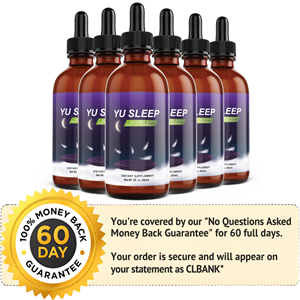
- What YU Sleep contains, in plain terms
- Why blood thinners call for extra care
- Melatonin and warfarin: what public research suggests
- Other ingredients worth a pharmacist's look
- How to ask your prescriber or pharmacist: a step list
- What the official page does and does not tell you
- Signs to take seriously while on a blood thinner
- Downsides to weigh before you buy
Quick answer: YU Sleep contains melatonin (0.9 mg per serving, per the page) and several other botanical and nutrient ingredients. If you take warfarin or another blood thinner, talk with your prescriber or pharmacist before starting it. We can't tell you it is safe, and the page gives us no interaction guidance.
If you take a blood thinner, a sleep supplement is not a casual purchase. This guide looks at YU Sleep and blood thinners: what the official page tells us, which ingredients deserve a question, and how to get a clear answer from a professional.
Searches like "melatonin and warfarin" are common for a reason. Blood thinners are dosed carefully, and small changes in how your body handles them can matter. We are an independent publication and have not used this product, so this is general information, not medical advice.
The short version: we cannot tell you YU Sleep is safe with a blood thinner, and the page gives no guidance on it in the text we reviewed. That means the decision belongs with your prescriber or pharmacist.
- YU Sleep lists 10 ingredients, including melatonin at 0.9 mg per serving (per the page).
- The page gives no doses for the other ingredients and no blood thinner guidance in the text we reviewed.
- Warfarin is the drug most often discussed with melatonin, but evidence is limited and mixed.
- Ask a pharmacist or prescriber before starting, and do not change your medicine on your own.
What YU Sleep contains, in plain terms
YU Sleep is a liquid taken by dropper. The page's directions are 2 droppers 30 minutes before bed. It describes the formula as all-natural and nano-enhanced.
The listed ingredients are red tart cherry extract, 5-HTP, vitamin B6, vitamin B2, magnesium glycinate, apigenin, lemon balm extract, L-theanine, melatonin and GABA. The only dose the page gives is 0.9 mg of melatonin. We did not see a full supplement facts panel in the text we reviewed.
That gap matters for interaction checks. A pharmacist works best with exact amounts, so you may need the label from the bottle you actually receive. For a wider look at the formula, see our guide to what's inside YU Sleep.
Why blood thinners call for extra care
Anticoagulants and antiplatelet drugs lower the chance of clots, and the flip side is a higher chance of bleeding. Warfarin is especially sensitive. Its effect is tracked with blood tests, and diet, illness and other products can shift results.
Newer anticoagulants are less dependent on routine testing, but they still carry bleeding risk and have their own interaction lists. Aspirin and similar antiplatelet drugs belong in this conversation too.
The practical point: "natural" is not a safety category. A supplement can contain active compounds, and the combination of several in one bottle makes a clean answer harder.
Melatonin and warfarin: what public research suggests
Melatonin is the ingredient people most often ask about. Public drug-interaction resources and case literature have raised the possibility that melatonin may affect clotting measures or add to bleeding concerns in people on warfarin. The evidence is limited, and sources do not agree on how strong the effect is.
That uncertainty is the reason for caution, not a reason for reassurance. When a drug has a narrow safety margin, "unclear" usually means "ask first."
YU Sleep's 0.9 mg melatonin figure is the page's own statement. Whether that dose is low enough to avoid any effect for you is not something we can judge, and the page does not address it.
Other ingredients worth a pharmacist's look
Melatonin should not be the only item on your list. Several other ingredients in this formula appear in interaction discussions in general reference sources, often with thin evidence. We are not saying any of these cause problems here. We are saying they are worth naming when you ask.
| Ingredient | Why to mention it |
|---|---|
| Melatonin | Most-discussed in connection with warfarin; evidence limited and mixed. |
| 5-HTP | Affects serotonin pathways; some references discuss bleeding-related and medication interaction concerns. See our antidepressant guide. |
| Red tart cherry extract | A plant extract; mention it so the full list is reviewed. |
| Apigenin | A plant compound; reference sources on interactions are limited, so ask. |
| Lemon balm extract | Herbal; sometimes flagged for sedation with other sedating agents. |
| Vitamins B6 and B2, magnesium glycinate | Common nutrients, but amounts on the label matter. |
| L-theanine, GABA | Often marketed for calm; give the pharmacist the full list regardless. |
Many people on blood thinners also take other medicines. If you are on blood pressure treatment as well, our page on blood pressure medication covers that overlap.
See the details, current pricing and who it suits.
Check current optionsAffiliate link: we may earn a commission at no extra cost to you.How to ask your prescriber or pharmacist: a step list
A focused question gets a better answer than "is this okay?" Use these steps before you buy or before you open a bottle.
- Write down your medicines. Include the blood thinner name, dose and any other prescriptions or over-the-counter products.
- Copy the ingredient list. Use the ten ingredients above, and add the label from the bottle once you have it.
- Note the melatonin amount. The page states 0.9 mg per serving, and the directions call for 2 droppers.
- Ask about monitoring. If you take warfarin, ask whether extra blood tests would be needed if you start.
- Ask about timing and alternatives. Check whether a non-supplement approach makes more sense for you.
- Record the answer. Keep notes on what you were told and any conditions placed on use.
 Recommended for youWho YU Sleep Is For (and Who Should Skip It)
What the official page does and does not tell you
The page positions YU Sleep against high-dose melatonin and synthetic supplements, and says it uses plant-based ingredients. It also describes a mechanism involving sleep pressure, adenosine and natural melatonin release. These are the page's claims, and it cites no studies in the text we reviewed.
The "Is this right for me?" FAQ was cut off in the text we saw, so we could not read any exclusion list. We also did not see a medical disclaimer, but the text may be truncated, so check the full page footer.
The lack of blood thinner guidance is not proof of safety. It simply means you need another source, and that source should be a professional who knows your history. Our pillar page on who YU Sleep is for and who should skip it takes the wider view.
Signs to take seriously while on a blood thinner
Whether or not you add a supplement, know the warning signs of bleeding. Public health guidance generally lists unusual bruising, nosebleeds that do not stop, blood in urine or stool, black stools, coughing or vomiting blood, and a sudden severe headache.
Serious bleeding is an emergency, so seek urgent care rather than waiting to work out the cause. If you have started a new product, tell the clinician exactly what it is and when you began.
For broader guidance on when sleep trouble itself needs attention, see when to see a doctor about sleep problems. Persistent poor sleep sometimes points to something treatable, and your medical team may prefer to address that first.
Downsides to weigh before you buy
- Unknowns. No dose is given for nine of ten ingredients, so interaction checks rely on the label you receive.
- Minimum commitment. The page sells only 2-month packages or larger, with prices subject to change. Confirm on the official page, and note that shipping may apply.
- Guarantee terms. The page advertises a 60-day guarantee but the terms were not in the text we reviewed. Read them before buying, especially if a professional tells you not to use it.
- Medical conditions. A blood thinner usually means an underlying condition. See our page on medical conditions and YU Sleep.
For purchase details, our guide to buying YU Sleep covers price and refunds. If you are weighing a purchase, the recommendation page sets out whether it fits you, though it does not replace a pharmacist's review.
Lower-risk steps while you wait for an answer
You do not have to leave sleep problems untreated while you check. Consistent wake times, a dark and cool room, and limiting caffeine and alcohol late in the day are common starting points. Our guide to sleeping better without buying anything lays these out.
If you also use other sleep products, check those too. Combining several supplements multiplies the unknowns, and our page on taking YU Sleep with other supplements or melatonin explains why. The same goes for prescription sleep aids, covered in YU Sleep with sleep medication.
Age can add to the picture, since many people on anticoagulants are older. See YU Sleep for seniors for those checks.
Next steps
If you take a blood thinner, make the pharmacist or prescriber conversation your first step, and bring the ingredient list. Then read the full terms on the official page before any purchase.
For more reading, start with YU Sleep safety, side effects and practical questions, then the guide to whether YU Sleep is right for you.
Frequently asked questions
Can you take YU Sleep with warfarin?
We can't say that it is safe. The page lists melatonin and nine other ingredients and, in the text we reviewed, gives no guidance for blood thinners. Warfarin needs steady monitoring, so ask your prescriber or pharmacist before starting any new supplement.
Does melatonin interact with warfarin?
Some public sources describe a possible interaction between melatonin and warfarin, often involving changes in clotting measures or bleeding risk. Evidence is limited and mixed. Because warfarin dosing is sensitive, treat it as a question for your prescriber or pharmacist.
Is a sleep supplement with a blood thinner safe?
It depends on the drug, the supplement and your health. Blood thinners have narrow safety margins, and supplements can contain several active ingredients. Don't assume natural means safe. Ask a pharmacist to review the full ingredient list first.
How much melatonin is in YU Sleep?
The official page states 0.9 mg of melatonin per serving. It gives no amounts for the other nine listed ingredients, and we did not see a full supplement facts panel in the text we reviewed.
Should I tell my doctor about supplements if I take a blood thinner?
Yes. Tell every prescriber and your pharmacist about all supplements, including sleep products. Bring the bottle or a photo of the ingredient list, and mention dose and timing. This helps them spot interactions and decide whether monitoring is needed.
What are signs of a blood thinner problem I should not ignore?
Unusual bruising, nosebleeds that won't stop, blood in urine or stool, black stools, or severe headache can signal bleeding. Public health guidance says to seek urgent medical help for serious bleeding. Don't wait to see whether a supplement is the cause.
Does YU Sleep say who should avoid it?
In the text we reviewed, the page's 'Is this right for me?' FAQ was cut off, so we couldn't see an exclusion list. Use general cautions instead: if you take prescription medicine, especially a blood thinner, check with a professional first.
Keep reading
 YU Sleep and Medical Conditions: Who Should Skip It or Ask a Doctor FirstYU Sleep medical conditions guide: which health situations call for skipping it or asking a doctor…
 YU Sleep and Blood Pressure Medication: Why to Check FirstTaking blood pressure medication? Before trying YU Sleep, learn why melatonin and magnesium matter,…
 YU Sleep and Antidepressants: 5-HTP, Serotonin and Interaction RisksYU Sleep and antidepressants: it lists 5-HTP, a serotonin precursor. Learn the serotonin syndrome r…