- What YU Sleep says it is, and what we can't confirm
- How to compare sleep aids: six questions to ask first
- The main alternatives to YU Sleep at a glance
- Single-ingredient melatonin vs a multi-ingredient formula
- Antihistamine liquids and other over-the-counter options
- Magnesium, tea and gentle bedtime options
- Brand-by-brand comparisons in this series
- Where YU Sleep's ingredient list needs a closer look
YU Sleep is a liquid, multi-ingredient formula with 0.9 mg of melatonin, sold in minimum two-month packages. Alternatives range from single-ingredient melatonin and antihistamine liquids to magnesium powders, teas and behavioral changes. Choose by your sleep problem, ingredient tolerance, budget and commitment, and check with a clinician if you take medication or sleep trouble persists.
If you are weighing YU Sleep vs alternatives, you are comparing very different kinds of products. YU Sleep is a multi-ingredient liquid taken by dropper. The alternatives include single-ingredient melatonin, antihistamine liquids, magnesium powders, bedtime teas, gummies and plain behavior change. A fair comparison starts with your sleep problem, not the brand name.
Nightfall Notes is an independent publication. We have not used YU Sleep and we do not report personal results. Facts about YU Sleep come only from its official sales page, and general sleep information comes from public health sources. Where the page leaves something out, we say so instead of guessing.
This is the pillar guide for the category. It gives you a way to compare options, an overview of each type with its downsides, and a price and commitment table. Below that is a full list of the head-to-head pages in this series, so you can go deeper on the products you are actually considering.
- YU Sleep is sold in minimum 2-month packages, according to its official page. Most alternatives can be bought one bottle or box at a time.
- The page lists ten ingredients and gives a dose only for melatonin (0.9 mg per serving), so you cannot check the other amounts.
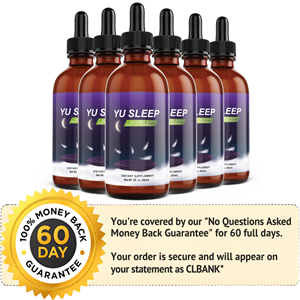
- The page advertises a 60-day guarantee, but the text we reviewed gave no terms. Read them before you buy.
- The right alternative depends on whether your problem is falling asleep, staying asleep or next-day grogginess.
- No supplement replaces a check-up if poor sleep lasts for weeks or you take medication.
What YU Sleep says it is, and what we can't confirm
The official page describes Yu Sleep (also written YuSleep) as a "delicious, all-natural nano-enhanced sleep formula." It is a liquid. The directions on the page are "2 droppers of Yu Sleep 30 minutes before bed." The page is hosted through ClickBank, and the text we reviewed names no company, address or support contact.
The page says it is designed to help you fall asleep faster, stay asleep through the night (it mentions 3 AM wake-ups) and wake up refreshed. It positions itself against "high-dose melatonin or synthetic supplements" that can leave people groggy. Its stated mechanism is support for the brain's "sleep pressure system." In its FAQ it says it supports adenosine buildup, optimizes natural melatonin release and calms the nervous system.
The ingredient list as shown
The page lists Red Tart Cherry Extract, 5-HTP, Vitamin B6, Vitamin B2, Magnesium Glycinate, Apigenin, Lemon Balm Extract, L-Theanine, Melatonin and GABA. The only amount given is 0.9 mg of melatonin per serving. We did not see a full supplement facts panel, serving count or bottle size in the text we reviewed. For a deeper look, see what's inside YU Sleep and how it is described to work.
Things the page asserts that you should treat as claims
The page credits "Dr. Collins" and cites "decades of research," but the text we reviewed gave no credentials, institution or named studies. It also describes timelines: changes within days for most people, and a "full sleep system reset" over 3 to 6 months of consistent use. These are the seller's statements, not independent findings. We do not repeat the page's testimonials or review counts as evidence, and you shouldn't rely on them either. For how to weigh that material, see our guide to YU Sleep reviews, complaints and trust.
How to compare sleep aids: six questions to ask first
Before you compare brands, get clear on what you are trying to fix. These six questions work for YU Sleep and for every alternative below. Write your answers down so the comparison stays honest.
- What is the actual problem? Taking a long time to fall asleep, waking at 3 AM, waking unrefreshed and an irregular schedule are different problems. A product built for one may do little for another.
- How long has it lasted? A rough week after travel or stress is different from trouble that has run for months. Persistent trouble deserves a clinician's attention, not only a product trial.
- What are you already taking? Prescription medicines, other supplements, alcohol and allergy or cold remedies can all interact with sleep products.
- Can you see every ingredient and dose? If the seller discloses only some amounts, you cannot add up your total intake or check it against upper limits.
- What is the realistic cost and commitment? Look at the full purchase, including shipping, not only the per-night figure in an advert.
- What happens if it doesn't suit you? Compare return terms, how long you have, and whether you must send back the product.
If you want help preparing for a conversation with a professional about any of this, use our checklist of questions for your doctor about sleep supplements.
The main alternatives to YU Sleep at a glance
The table below describes categories, not specific products. We have no product-level facts for the competitors beyond general knowledge, so check each label and seller page for current ingredients, doses and prices.
| Type | What it generally is | Possible upside | Downside to check |
|---|---|---|---|
| Single-ingredient melatonin | A hormone supplement, sold as tablets, gummies or liquids | Simple, one variable, widely available and often cheaper | Doses vary widely by product, and it may do little for staying asleep |
| Antihistamine sleep liquids | Over-the-counter sedating antihistamines in liquid form | Familiar, easy to find, strong drowsiness effect | Next-day grogginess, dry mouth, and extra caution for older adults |
| Magnesium drink powders | Magnesium mixed into a bedtime drink | Fewer ingredients to track, easy to adjust the amount | Digestive upset at higher amounts, and caution with kidney conditions |
| Bedtime teas | Herbal blends such as chamomile | Low cost, and the ritual itself can help you wind down | Effects are mild, and you may wake to use the bathroom |
| Multi-ingredient gummies or capsules | Blends of melatonin, herbs, amino acids and minerals | Convenient, often available in smaller packs | Doses and added sugars vary, and the blend can be hard to evaluate |
| Melatonin-free formulas | Blends relying on herbs, amino acids and minerals | Avoids melatonin if you prefer not to take it | Evidence for individual ingredients is generally limited or mixed |
| Behavioral approaches | Schedule, light, environment and CBT-I | No ingredients to worry about, and guidelines favor CBT-I for chronic insomnia | Takes effort and consistency, and results are gradual |
Single-ingredient melatonin vs a multi-ingredient formula
This is the most common comparison. Melatonin is a hormone your body makes in response to darkness, and supplements are widely sold. It is mainly studied for timing problems such as jet lag and delayed sleep schedules. Evidence for it as a general cure for insomnia is more modest, and clinical guidelines are cautious about routine use.
YU Sleep includes 0.9 mg of melatonin per serving alongside nine other listed ingredients. That puts it on the lower side of what many melatonin-only products contain, though doses on the market vary a lot. The page itself argues against "high-dose melatonin." Whether a blend does more for you than melatonin alone is not something the page's text demonstrates, since it cites no studies. Our page on whether a sleep supplement is better than melatonin alone covers that question directly, and YU Sleep vs Natrol Melatonin compares a multi-ingredient formula with a single-ingredient one.
One general point from public research: independent testing of melatonin products has found that the amount in the bottle can differ from the label, sometimes by a lot. That is true across the category, not just for one brand. Look for products that publish third-party testing, whatever you choose.
Antihistamine liquids and other over-the-counter options
Many over-the-counter sleep products work differently from supplements. They rely on sedating antihistamines, which make you drowsy as a side effect. They can work for occasional use, but tolerance tends to build quickly, and they can cause morning grogginess, dry mouth and confusion, particularly in older adults. They are also not intended for long-term nightly use.
If you are comparing YU Sleep with this type, the key difference is mechanism and regulation, not simply "natural vs chemical." Read YU Sleep vs ZzzQuil: natural drops or antihistamine liquid for the specifics. For a broader view of the pharmacy aisle, see over-the-counter sleep aids compared by type.
Magnesium, tea and gentle bedtime options
If you prefer something milder, magnesium drinks and teas are the usual alternatives. Magnesium is a mineral involved in muscle and nervous system function. Public research on it for sleep is limited and mixed, and some people simply find a warm drink relaxing. YU Sleep also lists magnesium glycinate, though without an amount.
The practical difference is control. With a powder or tea, you can see what you are taking and adjust. See YU Sleep vs Calm Magnesium for drops against a magnesium drink powder, and YU Sleep vs Sleepytime Tea for whether a bedtime tea is enough. If you are unsure about format in general, sleep aid types compared: drops, gummies, capsules and powders explains the trade-offs, and sleep drops vs powder looks at nightly ease of use.
Brand-by-brand comparisons in this series
If you already have a shortlist, these pages put YU Sleep next to specific products on ingredients, dose, features and value:
- YU Sleep vs Olly Sleep for gummies against drops on ingredients, dose and price.
- YU Sleep vs Nature Made Sleep for a mainstream pharmacy-style formula.
- YU Sleep vs Hum Nutrition Beauty Zzz for features and value.
- YU Sleep vs Life Extension Sleep for a premium formula comparison.
- YU Sleep vs Dreamzzz, YU Sleep vs Neuriva Sleep and YU Sleep vs Sleep Ez for other multi-ingredient options.
Each page has its own downsides section. Treat product details as changeable and confirm them on the seller's own page.
Where YU Sleep's ingredient list needs a closer look
Comparing ingredient lists is useful, but only if you know what to look for. Here is what stands out about YU Sleep's list, drawing on general knowledge, not claims about the product's performance.
- Undisclosed amounts. The page gives only the melatonin dose. Without the others, you cannot compare YU Sleep's magnesium, B vitamins or 5-HTP against another product, or check them against upper limits.
- 5-HTP. This is a serotonin precursor. It is generally flagged for caution with antidepressants and other serotonin-affecting medicines, so a pharmacist or doctor should review it if you take any.
- Evidence varies by ingredient. Some listed ingredients, such as lemon balm, L-Theanine, apigenin, GABA and tart cherry, have limited or mixed sleep research. We do not repeat the page's specific ingredient claims. Our lemon balm for sleep guide shows what the research looks like for one of them.
- Stacked ingredients. If you already take a magnesium, B-vitamin or melatonin supplement, adding a blend means doubling up without knowing by how much.
That does not make the formula unsafe, and it does not make it effective. It means you are working with less information than you would have with a simple, fully labeled product.
YU Sleep price and commitment, side by side
Prices are one of the clearest differences. The official page shows three packages, each marked "Discounted" and "While Supplies Last," so prices may change. The figures below are as shown on the page, in US dollars.
| Package | Struck-through price | Price per unit shown | Total shown | Bonuses per the page |
|---|---|---|---|---|
| 2-month supply (30% off, save $60) | $99 per unit, $198 total | $69 | $138 + shipping | Not listed |
| 3-month supply (40% off, save $120) | $99 per unit, $297 total | $59 | $177 | Three bonus items |
| 6-month supply (50% off, save $300) | $99 per unit, $594 total | $49 | $294 | Three bonus items |
The page says the 6-month package works out to "$1.60" per night. That is the page's figure, and we have not verified how it was calculated. Shipping is explicitly shown only on the 2-month package in the text we reviewed, so shipping may apply to others. Check at checkout.
The bonuses
The page lists three free bonuses with the 3-month and 6-month packages: "The Wind Down Routine Bundle" (11 bedtime stories in eBook and audio, valued by the page at "at least $97"), an eBook called "Younger and Happier While You Sleep," and a guide on bedtime snacks that the page says trigger 3 AM wake-ups. Treat the stated value as the seller's, not as a market price. Bonus content does not change whether the formula suits you.
What the minimum commitment means for comparison
The page says Yu Sleep is not sold in smaller packs, and that the makers chose this "as scientists, not salespeople." You can read that as a reasoned choice or as a sales structure, but either way it means your cheapest trial costs $138 plus any shipping, shown as a discounted price. Many alternatives let you try one bottle or box for less. The page advertises a "60 Day Guarantee" on each package, but the text we reviewed gave no terms. Before buying, read the full terms on the official page: whether shipping is refundable, whether opened bottles qualify and how returns work. Our guide to buying YU Sleep: price, where to buy and refunds covers this in detail, and YU Sleep on Amazon vs the official website vs other marketplaces covers where it is sold. If you hit a problem after buying, YU Sleep customer service: contact options is the next stop.
See the details, current pricing and who it suits.
Check current optionsAffiliate link: we may earn a commission at no extra cost to you.Which kind of option fits which situation
These are decision aids, not recommendations to buy. Match your situation to the checks, then confirm with a professional if any of them apply to you.
- You mainly struggle to fall asleep, and you want the simplest option. A single-ingredient product is easiest to understand and adjust. Start with a clear label and a low dose. Behavioral steps help here too.
- You wake in the early hours. No supplement has a reliable record for this. Look first at alcohol, caffeine timing, room temperature, stress, snoring or reflux. Our guide to trouble sleeping through the night: causes and signs helps you sort the possibilities.
- You want to avoid melatonin. Look at sleep aids without melatonin and how they compare. YU Sleep contains melatonin, so it is not a melatonin-free option.
- You are worried about dependence. See the safest non-habit-forming sleep supplements and what to look for. If you ever stop a product, when and how to stop taking YU Sleep discusses tapering and rebound sleeplessness.
- Morning grogginess is your main concern. Compare the type, dose and timing of any product, and read the best sleep aid to wake up refreshed without grogginess. The page says YU Sleep uses plant-based ingredients to avoid grogginess, but that is its claim, and responses vary.
- You are over 65. Sedating antihistamines in particular are widely flagged for caution. Read YU Sleep for seniors: suitability, cautions and doctor checks and speak with a clinician first.
If you are still deciding whether YU Sleep fits at all, read There is no single best alternative, because the right pick depends on your problem. Trouble falling asleep, waking at night and next-day grogginess point toward different products. Compare ingredient transparency, melatonin content, price, return terms and your medications. Our alternatives page and the head-to-head comparisons in this series walk through the trade-offs by type. Not necessarily. YU Sleep lists ten ingredients, including 0.9 mg of melatonin, while plain melatonin has one ingredient and is simpler to understand. More ingredients means more variables, and the official page gives doses only for melatonin. Whether a blend helps you more than melatonin alone is unproven for any individual, so weigh simplicity against breadth. According to the official page, no. It says Yu Sleep is not sold in smaller packs and the minimum purchase is the 2-month package. Prices and terms can change, so confirm on the official page. If a minimum commitment is a dealbreaker, a single-bottle alternative from a retailer is easier to test. The official page advertises a 60-day guarantee on each package. The text we reviewed gave no terms, such as refund conditions, the return process, whether shipping is refunded or whether opened bottles qualify. Read the full guarantee terms on the official page before buying, and keep your order confirmation. Not automatically. Natural does not mean risk-free: supplements can interact with medicines, and ingredient amounts vary between products. Antihistamine sleep aids carry their own cautions, such as next-day grogginess, especially for older adults. Safety depends on the ingredient, the dose, your health and your medications, so ask a pharmacist or doctor. Many people use supplements nightly, but long-term use is worth discussing with a clinician, particularly if you take medication or have a health condition. If poor sleep lasts more than a few weeks, a supplement may be masking something else, such as sleep apnea, anxiety or a schedule problem. Track your sleep and get it checked. Start with the basics: a consistent wake time, morning light, less caffeine in the afternoon, a cooler dark bedroom, and a wind-down routine. For ongoing insomnia, cognitive behavioral therapy for insomnia (CBT-I) is widely recommended by clinical guidelines. These cost little or nothing and can be combined with any product later. Write down your main problem, then compare each option on ingredient list and doses, melatonin content, drowsiness risk the next day, interactions with your medications, total cost over a realistic period, and return terms. If a seller does not disclose doses, you cannot check totals against safety limits, which is a reason for extra caution. YU Sleep vs Olly Sleep compared on format, ingredients, dose and price. See what the official page states, wh… YU Sleep vs ZzzQuil compared: ingredients, how each works, downsides, cost and commitment, plus a checklist t… YU Sleep vs Natrol Melatonin compared: a multi-ingredient liquid vs a single-ingredient supplement. Ingredien… YU Sleep vs Nature Made Sleep compared by format, ingredients, melatonin, price and guarantee, plus a checkli… YU Sleep vs Sleep Ez compared: what the YU Sleep page lists, how to check Sleep Ez ingredients and reviews, a… YU Sleep vs Calm Magnesium compared: sleep drops with ten ingredients against a magnesium drink powder. See c… If you are weighing YU Sleep vs Life Extension Sleep , you are probably comparing two supplements that both s… YU Sleep vs Neuriva Sleep compared: a drops formula with 10 listed ingredients vs a brain-support brand. See… YU Sleep vs Sleepytime Tea: compare ingredients, cost and commitment, see what chamomile tea can do, and deci… If you're weighing YU Sleep vs Dreamzzz, you're probably holding two promises: both are sleep formulas, and b… YU Sleep vs Hum Nutrition Beauty Zzz: compare format, ingredients, price math and guarantee, plus a checklist… Compare the best sleep aid over the counter by type: antihistamines, melatonin, magnesium, herbal and multi-i… Looking for sleep aids without melatonin? Compare magnesium, L-theanine, glycine, herbs and OTC options, plus… Looking for the best liquid sleep aid? See sleep drops ranked by goal: falling asleep faster, staying asleep,… Looking for a non habit forming sleep supplement? Learn what 'non-addictive' really means, which ingredients… Sleep aid vs melatonin: is a multi-ingredient blend better than melatonin alone? A plain look at what the evi… Compare the best YU Sleep alternatives by type: melatonin, magnesium, tea, antihistamine liquids and more. Se…Frequently asked questions
What is the best alternative to YU Sleep?
Is YU Sleep better than plain melatonin?
Can I buy YU Sleep in a single bottle to try it?
Does YU Sleep have a money-back guarantee?
Are natural sleep aids safer than over-the-counter sleep medicines?
Should I take a sleep supplement every night?
What can I try before buying any sleep aid?
How do I compare sleep aids with different ingredients?
In this section