- Does YU Sleep help insomnia? What we can and can't say
- Short-term vs chronic insomnia: why the difference matters
- What's in YU Sleep, and what the research can support
- What to expect: the timeline the page claims
- Check these before you try it
- The downsides to weigh
- What works for chronic insomnia instead (or alongside)
- When to get help instead of buying a supplement
YU Sleep is a liquid supplement that says it helps with falling and staying asleep, but its page cites no studies and does not present it as an insomnia treatment. If your insomnia is chronic, a clinician and CBT-I are the better first step, not a supplement.
If you search for YU Sleep for people with insomnia, you probably want a straight answer: will a nightly liquid help when nights keep going wrong? The honest answer is that we can't promise it will, and the official page does not give evidence that settles it.
This guide covers what the page says, what the ingredients can and can't tell you, what to expect on a timeline, the downsides, and the signs that mean you need a clinician rather than a supplement. We have not used the product, and nothing here is medical advice.
- The page describes a supplement for falling asleep, staying asleep and waking refreshed. It does not present it as an insomnia treatment.
- The page cites no studies in the text we reviewed, so effects on insomnia are unproven.
- Chronic insomnia has a first-line treatment, CBT-I, that is not a pill.
- The minimum purchase is a 2-month package, so decide before you commit.
Does YU Sleep help insomnia? What we can and can't say
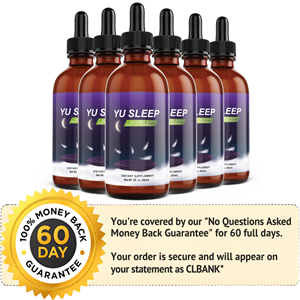
The page calls Yu Sleep a "delicious, all-natural nano-enhanced sleep formula" taken as a liquid by dropper. It says it is designed to help you fall asleep faster, stay asleep (it mentions 3 AM wake-ups) and wake up refreshed.
It does not use the word "treatment" in the text we reviewed, and it cites no studies. It credits "Dr. Collins" and "decades of research," but we saw no credentials, institution or published work. So a reasonable reading is: this is a general sleep supplement, and whether it helps your insomnia is unknown.
Insomnia is also not one thing. Trouble falling asleep, waking at 3 AM and unrefreshing sleep can have different causes, and a supplement may touch none of them. For background on night waking, see our guide to trouble sleeping through the night.
Short-term vs chronic insomnia: why the difference matters
Clinicians generally describe insomnia as difficulty falling or staying asleep, or waking too early, despite having the chance to sleep, with daytime effects. It is often called chronic when it happens at least three nights a week for about three months or longer.
Short-term insomnia often follows stress, travel, illness or a schedule change, and may settle when the trigger passes. Chronic insomnia tends to be kept going by habits and worry about sleep itself, which is why supplements alone rarely resolve it.
| Situation | Reasonable first step |
|---|---|
| A few bad nights after stress or travel | Sleep habits, consistent schedule, wait it out |
| Weeks of poor sleep | Habit changes, review caffeine, alcohol and screens; consider a clinician |
| Three months or more, several nights a week | See a clinician; ask about CBT-I |
| Snoring, gasping, leg urges, low mood | Medical evaluation before any supplement |
What's in YU Sleep, and what the research can support
The page lists ten ingredients, counting B6 and B2 separately: red tart cherry extract, 5-HTP, vitamin B6, vitamin B2, magnesium glycinate, apigenin, lemon balm extract, L-theanine, melatonin and GABA. The only dose the page gives is 0.9 mg of melatonin. We did not see a full supplement facts panel, so you can't judge the amounts of the others from what we reviewed.
Public research on individual ingredients is mixed, and studies of a single ingredient don't show that a blend works. We also can't repeat the page's ingredient claims, such as lemon balm reducing cortisol or GABA enabling deep sleep, as fact. For a closer look, read what's inside YU Sleep and our marketing claims fact-check.
What to expect: the timeline the page claims
The page says most people notice changes within days, some on night 1, and that a "full sleep system reset" takes 3 to 6 months of consistent use. These are the seller's statements, not verified results.
If you have insomnia, treat them cautiously. Sleep naturally varies from night to night, so a good night or two proves little. A fair test is to track sleep for a couple of weeks beforehand, then compare.
- Before starting, write down bedtime, wake time, estimated time to fall asleep and number of wake-ups for 10 to 14 days.
- Keep other habits steady so you can tell what changed.
- Follow the page's directions: 2 droppers 30 minutes before bed.
- Review your notes after several weeks, not several nights.
- Stop and speak to a clinician if you feel worse, notice side effects or daytime sleepiness.
The 3 to 6 month figure matters for cost, since the smallest package covers 2 months. If you need longer to judge it, you are committing to more than one package.
See the details, current pricing and who it suits.
Check current optionsAffiliate link: we may earn a commission at no extra cost to you.Check these before you try it
The page we reviewed did not state who should avoid the product, and part of its "Is this right for me?" section was cut off. So use general caution. Talk with a doctor or pharmacist first if any of these apply:
- You take antidepressants (the formula includes 5-HTP). See YU Sleep and antidepressants.
- You take blood pressure medication or blood thinners: blood pressure and blood thinners.
- You use prescription sleep medication: combining them is a doctor conversation.
- You are pregnant or breastfeeding: pregnancy and breastfeeding.
- You have a medical condition: conditions to raise with a doctor.
- You have allergies or sensitivities: ingredient sensitivities.
- You drink alcohol in the evening: alcohol and YU Sleep.
It is also not suited to children or teenagers without medical guidance; see YU Sleep for children. Older adults should read the seniors guide.
 Recommended for youYU Sleep for Adults: Is It a Good Fit for Your Sleep Problem?
The downsides to weigh
- No cited evidence. The page references research but names no studies.
- Minimum commitment. It is sold only in 2-month packages or longer. The 2-month package is shown at $138 plus shipping, the 3-month at $177 and the 6-month at $294, all marked as discounted and "while supplies last." Prices can change, so confirm on the official page.
- Unclear guarantee terms. A 60-day guarantee is advertised, but we saw no terms. Read them first. Our buying guide covers price and refunds.
- Unclear maker. The extracted page names no company or support contact. See who makes YU Sleep.
- Possible masking. A supplement can hide an untreated cause such as sleep apnea or depression.
- Disclaimers. We did not see a disclaimer in the text we reviewed; check the full page footer.
The free bonuses (sleep stories, a nightly rituals eBook and a bedtime snack guide) come only with the 3- and 6-month packages, per the page. Our bonus review looks at them.
What works for chronic insomnia instead (or alongside)
The best-supported first-line treatment for chronic insomnia is cognitive behavioral therapy for insomnia, or CBT-I, which major medical bodies recommend. It targets the thoughts and habits that keep insomnia going, and it can be delivered by a clinician or through structured programs.
Habits you can start tonight, free:
- Keep a fixed wake time, including weekends.
- Get out of bed if you are awake and frustrated, and return when sleepy.
- Limit caffeine in the afternoon and alcohol near bedtime.
- Dim lights and screens in the hour before bed.
- Keep the bedroom dark, cool and quiet.
More ideas are in sleep better without buying anything. If you want to compare options, see YU Sleep vs alternatives, sleep aids without melatonin and whether a blend beats melatonin alone.
When to get help instead of buying a supplement
Book an appointment if any of these fit:
- Insomnia on three or more nights a week for around three months.
- Daytime exhaustion, poor concentration or mood changes.
- Loud snoring, pauses in breathing or waking gasping.
- Creeping, restless sensations in your legs at night.
- Low mood, persistent worry or panic. See YU Sleep for anxiety.
- Reliance on alcohol or other sedatives to fall asleep.
Bring your sleep log and a list of everything you take, including supplements, to the appointment.
Next steps
If you still want to try it, work through the pre-purchase checklist, then see the fit checklist and the wider guide on who YU Sleep is for and who should skip it. For an overall view, read the legitimacy verdict, and our recommendation page if you want help deciding.
Confirm current prices, shipping and guarantee terms on the official page before you order.
Frequently asked questions
Does YU Sleep help insomnia?
We can't say. The official page claims it helps people fall asleep faster and stay asleep, but it cites no studies in the text we reviewed. Individual ingredients have varied research behind them. Chronic insomnia usually warrants a clinician's evaluation, so treat any supplement as a limited, optional extra.
Is YU Sleep a treatment for chronic insomnia?
Nothing we reviewed presents it as a treatment. It is sold as a supplement, and supplements are not a substitute for diagnosis or care. If trouble sleeping has lasted about three months or more, ask a clinician about cognitive behavioral therapy for insomnia (CBT-I).
How long does YU Sleep take to work?
The page says most people notice changes within days, some on night 1, and that a full sleep system reset takes 3 to 6 months. Those are the seller's claims, not verified outcomes. Results vary, and the minimum purchase is a 2-month package.
Does YU Sleep contain melatonin?
Yes. The page lists melatonin at 0.9 mg per serving, alongside nine other listed ingredients including 5-HTP, magnesium glycinate, L-Theanine and GABA. If you already take melatonin or other supplements, check with a pharmacist or doctor first.
Who should not use YU Sleep for insomnia?
The page text we saw does not list exclusions, so use general caution. Check with a clinician first if you are pregnant, breastfeeding, under 18, take antidepressants, blood pressure drugs, blood thinners or sleep medication, or have a medical condition.
When should I see a doctor about insomnia?
See one if poor sleep happens at least three nights a week for a few months, affects daytime function, or comes with loud snoring, gasping, leg discomfort, low mood or heavy daytime sleepiness. Seek help sooner if sleepiness makes driving unsafe.
Is there a refund if YU Sleep doesn't work?
The page advertises a 60-day guarantee on each package. The text we reviewed gave no terms, such as conditions, shipping refunds or opened bottles. Read the full terms on the official page before you buy.
Keep reading
 Is YU Sleep Safe for Men? Product-Specific Fit and CautionsIs YU Sleep safe for men? A plain guide to its listed ingredients, men-specific cautions, over-40 c…
 Is YU Sleep Safe for Women? Who Can Use It and Who Should WaitIs YU Sleep safe for women? A plain guide to who can consider it, who should wait (pregnancy, nursi…
 YU Sleep for Seniors: Suitability, Cautions and Doctor ChecksYU Sleep for seniors: what the official page says, ingredient cautions for people over 65, medicati…