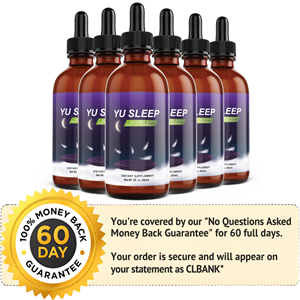
- What is YU Sleep, according to its own page?
- The YU Sleep ingredients list at a glance
- How YU Sleep says it works
- Ingredient by ingredient: what to know before you buy
- The melatonin question: why 0.9 mg matters
- What the YU Sleep page does not tell you
- Do the ingredients work together?
- Directions, timeline and what to expect
YU Sleep is a liquid sleep formula taken by dropper that lists ten ingredients, including 0.9 mg of melatonin, magnesium glycinate, L-theanine, lemon balm, apigenin and GABA. The official page says it supports sleep pressure, melatonin release and a calm nervous system, but it discloses only one dose and cites no studies.
If you are trying to work out what is in YU Sleep, the short version is this: it is a liquid, taken by dropper, that lists ten ingredients, including melatonin at 0.9 mg per serving. This guide goes through each YU Sleep ingredient, what the official page says the formula does, and what it leaves unsaid.
Nightfall Notes is independent. We have not used this product, and we do not publish reviews or testimonials of it. Everything here comes from the official sales page text we reviewed and from general, public sleep knowledge. Where the page is silent, we say so.
Use this page as the hub for the topic. It explains the formula as a whole and points you to deeper pages on individual ingredients, dosing, safety and buying. The goal is to help you decide, not to push you toward a purchase.
- Ten listed ingredients: red tart cherry, 5-HTP, vitamin B6, vitamin B2, magnesium glycinate, apigenin, lemon balm, L-theanine, melatonin and GABA.
- One disclosed dose: 0.9 mg of melatonin. The other amounts were not shown in the text we reviewed.
- The mechanism is described in broad terms: the page says it supports sleep pressure (adenosine), natural melatonin release and a calm nervous system.
- Evidence gap: the page refers to research but, in the text we saw, cites no studies of the finished formula.
- Check before buying: medication interactions, the full guarantee terms and current pricing on the official page.
What is YU Sleep, according to its own page?
The official page (hosted through ClickBank) describes Yu Sleep, also written YuSleep, as a "delicious, all-natural nano-enhanced sleep formula." It is a liquid. The directions it gives are two droppers 30 minutes before bed.
The page says the formula is designed to help you fall asleep faster, stay asleep through the night (it specifically mentions 3 AM wake-ups) and wake up refreshed. It positions itself against high-dose melatonin and synthetic supplements that can leave people groggy, and says it uses plant-based ingredients that work with your body's natural rhythm.
Some details are missing from the text we reviewed. We did not see a company name, address or support contact. The page refers to "Dr. Collins" and his decades of research, but gives no credentials, institution or way to verify them. So when we write "the page credits Dr. Collins," that is exactly the extent of what we can confirm.
The page also says the makers decided "as scientists, not salespeople" to sell only minimum two-month packages. That is a statement about how it is sold, not evidence about how well it works.
The YU Sleep ingredients list at a glance
Here are the ten ingredients as listed, counting B6 and B2 separately. The middle column is general background about each substance, not a claim about YU Sleep. The right column is what you should keep in mind when judging it.
| Ingredient | What it generally is | What to keep in mind |
|---|---|---|
| Red Tart Cherry Extract | A fruit extract. Tart cherries naturally contain small amounts of melatonin and plant compounds. | No amount disclosed, so you cannot tell how much you would get. |
| 5-HTP | A compound the body uses to make serotonin. | Can interact with antidepressants and other serotonergic medicines. Ask a clinician. |
| Vitamin B6 | A B vitamin involved in making brain chemicals. | Some people report vivid dreams with B6. See our vitamin B6 and vivid dreams page. |
| Vitamin B2 | Riboflavin, a B vitamin involved in energy metabolism. | Not a sedative. Its role in a sleep formula is unclear from the page. |
| Magnesium Glycinate | Magnesium bound to the amino acid glycine. | Amount unknown. See magnesium glycinate for sleep. |
| Apigenin | A plant compound found in foods such as chamomile. | Human sleep evidence is limited. Amount unknown. |
| Lemon Balm Extract | A herb from the mint family, traditionally used for calming. | Studies are small and varied. See lemon balm extract for sleep. |
| L-Theanine | An amino acid found in tea. | Often studied for relaxation. See L-theanine for sleep. |
| Melatonin | A hormone your body releases in the evening. | The page states 0.9 mg per serving. See what a 0.9 mg dose does. |
| GABA | A chemical messenger that dampens nerve activity. | Whether swallowed GABA meaningfully reaches the brain is debated. |
Two things stand out. First, the formula mixes several different kinds of ingredient: a hormone, minerals and vitamins, an amino acid, herbs and plant compounds, and a neurotransmitter. Second, almost none of them come with an amount, which limits how far anyone can evaluate it.
How YU Sleep says it works
The page says the formula supports the brain's "sleep pressure system." In its FAQ it spells this out in three parts: it supports adenosine buildup, optimizes natural melatonin release, and calms the nervous system. These are the seller's descriptions, so here is what each one means in general terms.
Sleep pressure and adenosine
Sleep pressure is the growing urge to sleep the longer you have been awake. Adenosine is one chemical commonly linked to that build-up. Caffeine works partly by blocking adenosine receptors, which is why it makes you feel less sleepy.
The page does not say which ingredient is meant to support adenosine buildup, or how. It also does not say what "supports" means in measurable terms. For most people, the biggest influences on sleep pressure are ordinary things: how long you have been awake, how active you have been, when you last had caffeine, and whether you napped late.
Natural melatonin release
Your body releases melatonin as evening light fades, and that release helps signal "biological night." The page's claim is that the formula "optimizes" that release. That is a bit odd, because the formula also contains melatonin itself. Taking melatonin adds to your levels rather than adjusting your own production.
The honest reading is that the formula includes a small dose of melatonin plus a tart cherry extract that naturally contains some. How much any of it changes your own rhythm is not shown in the text we reviewed.
Calming the nervous system
This is the most plausible-sounding part, because several ingredients (L-theanine, lemon balm, magnesium, GABA) are commonly marketed for relaxation. The evidence varies a lot by ingredient and by dose, and the doses here are not disclosed. A racing mind at bedtime also often has causes that no supplement addresses, such as stress, late work or an irregular schedule.
Ingredient by ingredient: what to know before you buy
We do not repeat the page's ingredient claims as fact. Where the page says an ingredient does something specific, we treat that as the seller's assertion. Below is the general public picture for each, plus why it might be in a bedtime formula.
Melatonin (0.9 mg)
Melatonin is the best-known sleep supplement ingredient and the only one with a stated dose here. It is most useful for timing problems, such as jet lag or a shifted body clock, and its effect on ordinary insomnia is generally modest. Our page on melatonin 0.9 mg goes through what a low dose can and cannot do.
Side effects at low doses can include morning grogginess, headache or unusual dreams in some people. See melatonin side effects at low doses for who should be extra careful.
L-Theanine
L-theanine is an amino acid in tea leaves. It is usually studied for calm alertness and relaxation rather than as a sedative. Some small studies suggest it may help sleep quality in certain groups, but the evidence is not strong enough to promise anything. Typical amounts and side effects are in our L-theanine guide.
Magnesium Glycinate
Magnesium plays a role in muscle and nerve function. Glycinate is a form that is often chosen because it tends to be gentler on the stomach than some other forms. Research on magnesium and sleep is mixed and often involves people who start with low intake. The page's claim that magnesium promotes "fat-burning" has nothing to do with sleep, and we do not endorse it.
If you have kidney problems, ask a clinician before adding magnesium. The details are in our magnesium glycinate page.
Lemon Balm Extract
Lemon balm is a calming herb with a long traditional history. Modern trials are small and use different extracts and doses, so results are hard to compare. The page says it reduces cortisol and stops 3 AM waking. We do not repeat those as fact, since no supporting study appears in the text we reviewed. See lemon balm extract for sleep for the broader research picture.
5-HTP
5-HTP is a step in the body's production of serotonin, which is itself a building block for melatonin. That is the logic behind including it. It is also the ingredient that most needs a medication check. Combining serotonin-related supplements with antidepressants or similar drugs can be risky, so this is a conversation for a pharmacist or doctor, not a guess.
Apigenin
Apigenin is a plant compound found in chamomile and some other foods. It has attracted attention online for sleep, but human trials of apigenin by itself are limited. The page calls it a "gentle sedative," a claim we do not repeat as established.
GABA
GABA is the main calming messenger in the brain. The open question with supplements is whether GABA taken by mouth gets into the brain in meaningful amounts. Some researchers think it may act through the gut or have other indirect effects, but the evidence is thin. The page says GABA enables deep sleep, which we do not treat as proven.
Red Tart Cherry Extract
Tart cherry products have been studied in small trials for sleep, and cherries contain some natural melatonin. The studies often use juice or concentrate in amounts that may differ greatly from an extract in a small liquid dose. The page's claim that tart cherry increases total sleep time is not something we can verify from what we saw.
Vitamins B6 and B2
B6 helps the body make several neurotransmitters, and B2 supports energy metabolism. Neither is a sleep drug. If you have noticed vivid dreams after taking B vitamins before, it is worth reading our short answer on whether vitamin B6 causes vivid dreams.
The melatonin question: why 0.9 mg matters
The 0.9 mg figure is the only dose the page gives, so it is the one thing you can actually evaluate. Many over-the-counter melatonin products contain several times that amount. A lower dose can be a reasonable choice, since more is not necessarily better for sleep, and higher amounts are more often linked to next-day grogginess.
Still, two cautions apply. A low dose can still cause effects in sensitive people, and melatonin can interact with some medicines, including blood thinners, some blood pressure drugs and some diabetes medicines. The formula also contains other ingredients that may add to the effect.
If you are weighing this formula against plain melatonin, our short answer to is a sleep supplement better than melatonin alone? sets out the trade-offs. In short, a longer ingredient list adds more possible effects and more possible side effects, not automatically more benefit.
What the YU Sleep page does not tell you
A good ingredient page tells you what is in the bottle and how much. The text we reviewed leaves several gaps. None of these prove the product does not work, but each one limits how confidently anyone can say it does.
- Ingredient amounts: only melatonin has a dose. We did not see a full supplement facts panel, a serving count or a bottle size. Our page on YU Sleep dosages and disclosure explores whether the amounts could be clinically meaningful.
- What "nano-enhanced" means: the page uses the phrase but, in the text we saw, does not explain the technology, the particle size or any absorption data. Read what the nano-enhanced claim means for what evidence exists in general.
- Research citations: the page refers to Dr. Collins' decades of research and to "cutting-edge neuroscience," but cites no studies in the text we reviewed. We did not see any trial of the finished formula.
- Who is behind it: no company name, address or support contact appeared in the extracted text.
- Who should avoid it: the "Is this right for me?" FAQ was cut off in the text we have, so we cannot tell you what the page says about exclusions.
- Disclaimers: we did not see a disclaimer in the text we reviewed. It may sit in the footer, so check the full page.
The page also includes testimonials and a large review count. We do not cite those as evidence, and neither should you treat them as a rating. For a closer look at how to weigh them, see YU Sleep reviews, complaints and trust.
See the details, current pricing and who it suits.
Check current optionsAffiliate link: we may earn a commission at no extra cost to you.Do the ingredients work together?
The idea behind a multi-ingredient formula is synergy: several mild ingredients acting on different parts of the sleep process might add up to more than one alone. It is a reasonable theory, and sometimes it holds. But it needs testing, and most combinations sold for sleep have not been tested as combinations.
There is also a flip side. Stacking raises the number of things that can cause side effects or interact with medicines, and it makes it harder to tell which ingredient is responsible for what you notice. If you feel groggy or have unusual dreams, you cannot easily tell whether melatonin, 5-HTP, B6 or something else is the cause.
Our page on whether the ingredients in YU Sleep work together covers the stacking evidence in more depth. The short version is that synergy is plausible but, from what we reviewed, not demonstrated for this specific blend.
Directions, timeline and what to expect
The page's directions are two droppers of Yu Sleep 30 minutes before bed. As for timing, the page says most people notice changes within days, with some noticing on night 1, and that a "full sleep system reset" takes 3 to 6 months of consistent use.
Treat both timelines as the seller's claims. There is no independent data behind them in what we reviewed. Sleep also naturally varies from night to night, so it is easy to credit a product for a change that would have happened anyway, or to miss a real change.
A simple way to judge for yourself is to track your sleep before and after. Our free sleep diary template gives you a way to do that. Record two weeks of baseline sleep first, then note changes after you start, along with caffeine, alcohol, stress and bedtime. Changing several habits at once makes the result impossible to read.
A sensible way to approach a trial period
- Talk to a pharmacist or clinician first if you take any medication or have a health condition.
- Keep a sleep diary for at least a week or two before starting.
- Change only one thing, the supplement, and keep your other routines steady.
- Note any side effects such as morning grogginess, headaches, stomach upset or unusual dreams.
- Stop and speak to a clinician if you feel unwell or notice anything worrying.
- Compare your diary before and after. A change you cannot see in the numbers may not be worth the cost.
Packages, bonuses and the guarantee in brief
This is a guide about what is inside, not a pricing page, so here is only a summary. Prices are as shown on the page when we reviewed it. They may change, and the page says "While Supplies Last," so confirm everything on the official page. Our guide to buying YU Sleep covers price, where to buy and refunds in more detail.
| Package | Discount shown | Per unit | Total shown | Bonuses |
|---|---|---|---|---|
| 2-month | 30% off, save $60 | $69 (from $99) | $138 (from $198) + shipping | Not listed |
| 3-month | 40% off, save $120 | $59 (from $99) | $177 (from $297) | Three bonuses |
| 6-month | 50% off, save $300 | $49 (from $99) | $294 (from $594) | Three bonuses |
Shipping is explicitly shown only on the 2-month package in the text we reviewed, so shipping may apply to the others. Check at checkout. Our page on YU Sleep shipping costs and delivery times goes into this further. The page says Yu Sleep is not sold in packs smaller than two months, so your minimum outlay is the 2-month price. The page also says the 6-month package works out to "$1.60" per night. That is the page's figure, and you should check it against the final price and any shipping.
The page lists three bonuses with the 3-month and 6-month packages only: a collection of 11 bedtime stories in eBook and audio form (valued by the page at "at least $97"), an eBook on nightly rituals, and a guide to bedtime snacks and drinks to avoid. The value figure is the seller's own. If the bonuses matter to you, our bonus sleep stories review looks at them separately.
Every package is labeled "60 Day Guarantee." The text we reviewed gives no terms, such as refund conditions, the return process, whether shipping is refundable or whether opened bottles qualify. The page advertises a 60-day guarantee. Read the full terms on the official page before buying.
Safety: who should check with a professional first
This is general information, not medical advice. Because the formula combines melatonin, 5-HTP, magnesium, B vitamins and several herbal or plant extracts, it is worth a conversation with a qualified clinician or pharmacist if any of these apply to you:
- You are pregnant, trying to conceive or breastfeeding.
- You take antidepressants, anxiety medicine, sedatives, blood thinners, blood pressure medicine or diabetes medicine.
- You have a medical condition, including kidney, liver, autoimmune or seizure conditions.
- You are under 18, or are buying for a child or teen.
- You have an upcoming surgery or procedure.
- You work nights or drive soon after bedtime, where drowsiness could matter.
If you take diabetes medication, see our note on YU Sleep and diabetes. For the wider set of side-effect questions, our safety, side effects and practical questions guide is the place to start.
Also note that dietary supplements are not approved by regulators the way medicines are. If that is a question for you, read is YU Sleep FDA approved?
A checklist before you decide
Use this list to decide whether this formula is worth your money and attention. If you cannot tick most of these, pause and gather more information.
Frequently asked questions
What ingredients are in YU Sleep?
The official page lists Red Tart Cherry Extract, 5-HTP, Vitamin B6, Vitamin B2, Magnesium Glycinate, Apigenin, Lemon Balm Extract, L-Theanine, Melatonin and GABA. That is ten ingredients if B6 and B2 are counted separately. The only amount the page states is 0.9 mg of melatonin per serving. Confirm the current label on the official page before buying.
How much melatonin is in YU Sleep?
The page states 0.9 mg of melatonin per serving. That is a fairly low amount compared with many over-the-counter melatonin products. It is the only ingredient dose we found disclosed. Low does not mean side-effect-free, so people on medication, who are pregnant, or who have health conditions should check with a clinician first.
How do you take YU Sleep?
The page's directions are two droppers of the liquid 30 minutes before bed. The text we reviewed did not show a full supplement facts panel, serving count or bottle size. Check the label and the official page for the complete directions, and follow any guidance from your own clinician.
Does YU Sleep list its ingredient amounts?
Not in the text we reviewed. Only the 0.9 mg melatonin figure appears. We did not see amounts for the other nine ingredients or a full supplement facts panel. The page may show more elsewhere, so check the full page and the product label, and treat missing amounts as a real limit on judging the formula.
Is there research behind the YU Sleep formula?
The page refers to decades of research by Dr. Collins but, in the text we reviewed, cites no specific studies. Some individual ingredients, such as melatonin, have been studied for sleep, with mixed or modest results depending on the ingredient. We found no evidence presented that the finished formula was tested as a whole.
How quickly does YU Sleep work?
The page says most people notice changes within days, with some noticing on night 1, and that a full sleep system reset takes 3 to 6 months of consistent use. Those are the seller's claims, not independent findings. Individual responses vary, and a free sleep diary is a practical way to judge your own results.
Who should talk to a doctor before using YU Sleep?
Anyone who is pregnant or breastfeeding, takes prescription medication (especially antidepressants, blood thinners, sedatives or diabetes drugs), has a medical condition, or is under 18 should ask a qualified clinician first. The formula contains melatonin, 5-HTP, magnesium and herbal extracts, and some of these can interact with medicines.
In this section
Magnesium glycinate for sleep: what research suggests, typical amounts people discuss, common side effects, w…
Read GuideLemon Balm Extract for Sleep: Research, Typical Amounts and Side EffectsLemon balm for sleep: what the research shows, typical amounts in studies, side effects, who should be carefu…
Read GuideL-Theanine for Sleep: What Research Says, Amounts and Side EffectsL-theanine for sleep: what research suggests, typical nighttime amounts, possible side effects, and how to de…
Read GuideMelatonin 0.9 mg: What a Low Dose Does for SleepMelatonin 0.9 mg explained: what a low, physiological dose can and can't do, how timing matters, who should b…
Read GuideMelatonin Side Effects at Low Doses: Dreams, Grogginess and Who Should Be CarefulMelatonin 0.9 mg side effects explained: vivid dreams, next-day grogginess, who should be careful, and how to…
Read GuideNano-Enhanced Sleep Formulas: What the Claim Means and What Evidence ExistsWhat does a nano-enhanced formula supplement claim, what does nanoemulsion absorption research show, and what…
Read GuideDo the Ingredients in YU Sleep Work Together? Stacking and Synergy EvidenceDoes YU Sleep's ingredient stack work together? A plain look at synergy evidence, what is and isn't proven, a…
Read GuideYU Sleep Dosages: Are the Ingredient Amounts Disclosed and Clinically Meaningful?YU Sleep ingredient amounts: what the page discloses (only melatonin at 0.9 mg), what it leaves out, and how…
Read GuideHow to Read a Sleep Supplement Label: Doses, Blends and Red FlagsLearn how to read a sleep supplement label: check doses, spot proprietary blend red flags, and use a simple c…
Read AnswerCan vitamin B6 cause vivid dreams?Can vitamin B6 cause vivid dreams? Small studies suggest yes, mostly at higher doses taken near bedtime. See…
Read