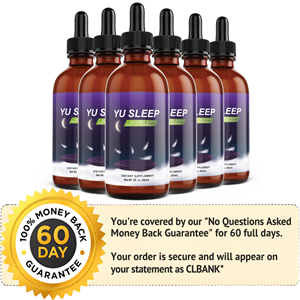
- What the official YU Sleep page says (and doesn't say) about safety
- Is YU Sleep safe? What "safe" can and can't mean here
- Ingredient-by-ingredient safety notes
- Common side effects to watch for
- Serious warning signs: stop and get help
- Who should talk to a clinician before taking YU Sleep
- A safer way to try any sleep formula: step by step
- Practical questions: driving, travel, drug tests and daily life
Quick answer: The official YU Sleep page lists ten ingredients, including 0.9 mg of melatonin per serving, but we saw no safety data or warnings in the text we reviewed. Common cautions involve medication interactions, allergies, grogginess and stomach upset. Ask a clinician or pharmacist first if you take medication or have a health condition.
If you are weighing YU Sleep safety, you are asking the right question before the right moment: before you buy, not after the first groggy morning. This guide pulls together what the official sales page says, what it leaves out, and what general public research suggests you should check before taking any multi-ingredient sleep liquid.
YU Sleep (also written "Yu Sleep" or "YuSleep") is described on its official page as a "delicious, all-natural nano-enhanced sleep formula" taken by dropper. The page directs "2 droppers of Yu Sleep 30 minutes before bed." In the text we reviewed, we did not find a safety section, a list of side effects, or a statement about who should avoid it.
That gap is not proof of a problem, and it is not reassurance either. It means you need to fill in the picture yourself, and this page is built to help you do that. Nightfall Notes is independent. We have not used the product, and we only repeat what the official page or public research supports.
- The page lists ten ingredients (counting B6 and B2 separately) and gives a dose only for melatonin: 0.9 mg per serving.
- "All-natural" and "plant-based" do not mean risk-free. Several listed ingredients can interact with medications or cause side effects in some people.
- 5-HTP is the ingredient that most often prompts questions about antidepressants and serotonin syndrome.
- In the text we reviewed, the page gave no side-effect information, no full supplement facts panel and no guarantee terms. Check the live page before buying.
- If you take prescription medication, are pregnant or breastfeeding, have a medical condition, or are scheduled for surgery, talk to a clinician or pharmacist first.
What the official YU Sleep page says (and doesn't say) about safety
The page focuses on benefits: falling asleep faster, staying asleep through the night, and waking refreshed. It positions the formula against "high-dose melatonin or synthetic supplements" that can leave people groggy, and says it uses plant-based ingredients that work with the body's natural rhythm. Its stated mechanism is support for the brain's "sleep pressure system," including adenosine buildup, natural melatonin release and a calmer nervous system.
What we did not see in the extracted text matters just as much for safety:
- No list of side effects or warnings.
- No statement about who should avoid it. The "Is this right for me?" FAQ was cut off in what we have.
- No full supplement facts panel, serving count or bottle size.
- No doses for any ingredient except melatonin.
- No named company, address or support contact.
- No cited studies, even though the page refers to "decades of research" and credits "Dr. Collins," whose credentials and institution were not given.
We did not see a medical, FDA or "results may vary" disclaimer in the text we reviewed. The text may have been truncated, so check the full page footer yourself. For a closer look at how the page's promises compare with public evidence, see our fact-check of YU Sleep's marketing claims.
Is YU Sleep safe? What "safe" can and can't mean here
No one can honestly give a blanket yes or no. Safety depends on the ingredients, the amounts, your health, your medications and how the product is made. For this product we can speak with some confidence about only the first of those, because the ingredient names are public.
In the US, products sold as dietary supplements are generally not approved by the FDA for safety or effectiveness before they reach shelves. That puts more weight on the maker's quality controls and on you. Without a facts panel or a named manufacturer in the text we saw, you cannot yet judge either.
Think of safety as three separate questions:
- Is each ingredient reasonable for you? This depends on your medications, conditions and life stage.
- Is the product what it says it is? This is about dosing accuracy and contamination. Our guide to third-party testing (USP, NSF and contamination risks) explains what independent verification looks like.
- Is a supplement the right tool for your sleep problem? Sometimes persistent poor sleep points to something a supplement can mask but not fix.
Ingredient-by-ingredient safety notes
The table below covers the ten listed ingredients. It describes general considerations from public knowledge about each ingredient. It does not describe confirmed effects of YU Sleep, because the page gives no doses beyond melatonin and we have no panel to check. For what each ingredient is meant to do, see What's Inside YU Sleep: Ingredients and How It Works.
| Ingredient | General safety considerations | Worth asking about |
|---|---|---|
| Melatonin (page states 0.9 mg per serving) | A hormone. Possible effects include daytime sleepiness, headache, dizziness, nausea and vivid dreams. It may interact with some medications, such as blood thinners, diabetes drugs, blood pressure drugs, immune-suppressing drugs and some seizure medications. | Your full medication list; whether you take other melatonin products too. |
| 5-HTP | A serotonin precursor. Combining it with antidepressants or other serotonin-active drugs and supplements raises the concern of serotonin syndrome. | Any antidepressant, migraine medication or other serotonergic drug you use. |
| Magnesium glycinate | Magnesium can loosen stools in some people. Kidney problems affect how the body clears it. It can affect the absorption of some medications. | Kidney health; timing with antibiotics or diuretics; total magnesium from all sources. |
| Vitamin B6 | Fine at ordinary intakes, but very high long-term total intake from many supplements has been linked to nerve problems. | The B6 total across your multivitamin and other products. |
| Vitamin B2 (riboflavin) | Generally well tolerated. It can turn urine bright yellow, which is harmless. | Mostly a "don't be alarmed" note. |
| L-Theanine | An amino acid from tea, generally well tolerated in public research. It may add to the calming effect of other sedating substances. | Use with blood pressure medication or other sedatives. |
| Lemon balm extract | A mint-family herb. It may cause drowsiness or stomach upset in some people. Some sources flag possible interaction with thyroid or sedating medications. | Thyroid conditions or medication; other sedatives. |
| Apigenin | A plant compound found in chamomile and other plants. People allergic to plants in the daisy family sometimes react to related herbal products. | Any history of chamomile, ragweed or daisy-family allergy. |
| GABA | A calming neurotransmitter. Whether oral GABA meaningfully reaches the brain is debated. It may add to the effect of other sedating substances. | Alcohol, benzodiazepines, other sleep aids. |
| Red tart cherry extract | Generally food-like, but the sugar content of a specific product depends on its formulation, which we could not see. | Blood sugar management; any fruit allergy. |
Combinations matter more than single items. Several ingredients here have a calming or sedating profile, so the sum may feel stronger than any one part. The page does not say how much of each is present, which is why a pharmacist, shown the label from the bottle, is a useful second pair of eyes.
Common side effects to watch for
None of these are confirmed reports about YU Sleep. They are the kinds of effects that people commonly report with melatonin-containing and herbal sleep products. Knowing them in advance makes it easier to tell a nuisance from a warning.
Morning grogginess or a "hangover" feeling
The page itself contrasts YU Sleep with products that leave people groggy, but any sleep aid can do so for some people, especially if taken too late or combined with alcohol or other sedatives. If you feel foggy in the morning, think about timing, total sedatives in your system and how long you actually slept. Our guide to reducing morning grogginess walks through the usual causes.
Headache
Headache is a commonly reported effect with melatonin, and it can also stem from dehydration, caffeine timing or poor sleep itself. Note when the headache starts relative to the dose. Details are in Headache After Taking Sleep Supplements: Causes and What to Do.
Upset stomach, nausea or loose stools
Magnesium, herbal extracts and taking any liquid on an empty stomach can all contribute. Taking the dose with a small amount of food is sometimes suggested for stomach upset, but check with a pharmacist first, and do not change the directions on your own. See Sleep Supplement Upset Stomach and Nausea: Causes and Fixes.
Vivid dreams or odd sleep
Melatonin and serotonin-related ingredients are sometimes associated with vivid dreams. These are usually a nuisance rather than a danger, but track them. If they turn distressing, or you notice sleepwalking, sleep-eating or confusion, stop and talk to a clinician.
Daytime mood or energy changes
Feeling flat, anxious or unusually low after starting a new supplement is worth noting. It could be unrelated, but it is information a clinician will want. Do not push through unusual mood changes.
Serious warning signs: stop and get help
Allergic reactions can start with itching, a rash or tingling in the mouth before escalating. If you notice early signs, stop taking the product and read Sleep Supplement Allergic Reaction: Warning Signs and What to Do. Keep the bottle and label for the care team.
Serotonin syndrome is rare but serious, and 5-HTP is on the ingredient list. Warning signs generally include agitation or restlessness, a fast heartbeat, heavy sweating, tremor or muscle twitching, diarrhea and fever, especially soon after starting or increasing a serotonin-active substance. Our guide to serotonin syndrome symptoms, causes and when to get emergency help covers this in detail.
Taking more than directed is a safety issue of its own. If you have taken far more than the page's directions, or a child or pet has swallowed some, contact your local poison control center or emergency services. Read Taking Too Much YU Sleep: Overdose Signs and What to Do before you need it.
Who should talk to a clinician before taking YU Sleep
Because the page's "Is this right for me?" section was cut off in what we reviewed, we will not guess at its exclusion list. Instead, use these general cautions. If any apply, ask a doctor or pharmacist before starting. Our checklist for talking to your doctor about sleep supplements gives you questions to bring.
- You take antidepressants or other serotonin-affecting medication. This is the 5-HTP question. See above and the serotonin syndrome guide.
- You take ADHD medication or other stimulants. Sleep aids and stimulants can work against each other, and interaction questions deserve a professional answer. See YU Sleep and ADHD medication or stimulants.
- You manage diabetes. Melatonin and some herbal ingredients may affect blood sugar or interact with diabetes drugs, and the product's sugar content is unknown to us. See YU Sleep and diabetes: blood sugar medication cautions.
- You use birth control or hormone therapy. Melatonin is a hormone, and some herbs have hormone-related effects. See YU Sleep and birth control or hormone therapy.
- You have a seizure disorder. Some sleep ingredients may interact with seizure medication or affect seizure threshold in ways that need individual advice. See YU Sleep and seizure disorders: why to ask a doctor first.
- You use cannabis or CBD. Combined sedation is the main concern. See YU Sleep with cannabis or CBD.
- You take magnesium-sensitive medications or have kidney disease. See magnesium and medication interactions and magnesium supplement safety, upper limits and kidney health.
- You are pregnant, breastfeeding or trying to conceive. Data on many of these ingredients is limited, so general caution applies. Our page on whether YU Sleep is safe for women goes further.
- You are an older adult. Sensitivity to sedating products and the number of medications both tend to rise with age. See YU Sleep for seniors: suitability, cautions and doctor checks.
- You have surgery or a procedure scheduled. Tell your care team about every supplement. See sleep supplements before surgery.
- The sleep product is for a child or teen. The page's text did not address minors. Ask a pediatric clinician rather than adapting an adult product.
An example of how this plays out: someone who takes a daily antidepressant and a thyroid medication, and who wants to try a ten-ingredient sleep liquid, has at least two interaction questions. A pharmacist can check the ingredient list against both in a few minutes, and that conversation costs far less than guessing.
See the details, current pricing and who it suits.
Check current optionsAffiliate link: we may earn a commission at no extra cost to you.A safer way to try any sleep formula: step by step
If you decide to go ahead after talking to a professional where needed, a little structure reduces risk. These steps apply to YU Sleep and to most products like it.
- Write down everything you take. Include prescriptions, over-the-counter drugs, vitamins, herbs, cannabis or CBD, and alcohol habits. A pharmacist can only check what they know about.
- Get the full label. The text we reviewed did not show a complete supplement facts panel. Look for one on the live page or the bottle, and check for amounts, serving size and any allergen statement.
- Read the guarantee terms and any disclaimer on the official page. The page advertises a "60 Day Guarantee," but the text we saw gave no conditions. Confirm them before you pay.
- Pick a low-stakes night. Do not try a new sleep aid before an early drive, an exam or a flight. Give yourself a morning with no demands.
- Follow the directions as printed. The page says 2 droppers 30 minutes before bed. Don't take extra doses in the night, and don't stack it with other melatonin products. If you think you need a different amount, ask a clinician.
- Keep a simple log. Note bedtime, dose time, wake-ups, morning alertness, headaches, stomach symptoms and mood for the first couple of weeks.
- Know your stop rules. Decide in advance what would make you stop, such as rash, severe headache, persistent stomach upset, or unusual agitation.
- Review at intervals. Revisit whether you still need it. See Can You Take YU Sleep Every Night? for long-term use, tolerance and breaks.
Practical questions: driving, travel, drug tests and daily life
Driving the next morning
Sedating ingredients can linger for some people. Until you know your own response, don't assume you are fully alert. Read Driving and Sleep Supplements: Next-Morning Alertness and Safety for a self-check you can use before getting behind the wheel.
Flying with sleep drops
Liquids raise airport security questions, and rules vary by country and can change. Our short answer on bringing sleep drops on a plane explains what to check before you pack.
Drug tests
Supplements can occasionally cause confusion in testing, either through the ingredients themselves or through contamination. If you are subject to workplace or sports testing, read whether melatonin or a sleep supplement can show up on a drug test and speak to the testing body before you take anything.
Mixing with water, tea or other drinks
The page gives directions for taking drops but, in the text we saw, nothing about mixing. Whether to add them to a drink is a practical question we cover in can you mix sleep drops into water or tea. Avoid pairing any sleep aid with alcohol.
Long-term melatonin worries
Public discussion of melatonin includes myths about dependence alongside real open questions about long-term use. We separate the two in Is Long-Term Melatonin Use Safe? Tolerance, Dependence and Myths.
Stopping
If you have used it for a while and want to quit, sleep may be worse for a few nights simply because your routine changed. Our guide to when and how to stop taking YU Sleep, including tapering and rebound insomnia helps you plan it.
Quality, labeling and what "nano-enhanced" does not tell you
The page uses the phrase "nano-enhanced" but, in the text we reviewed, does not explain it or cite evidence for it. That is worth a question to the seller. You can reasonably ask what it means, whether it affects how much of each ingredient is absorbed, and whether any testing supports it.
More useful for safety is independent verification. Programs such as USP and NSF test whether a product contains what its label says and screens for certain contaminants. We did not see a reference to either in the text we reviewed. That does not mean the product has not been tested, but you should not assume it. If you cannot find testing information on the official page, ask support in writing, and keep the reply.
Look for these on the bottle or label when it arrives:
- A full supplement facts panel with amounts and serving size.
- A complete ingredient list, including "other ingredients" such as sweeteners and preservatives.
- Allergen statements.
- A lot number and expiry date.
Frequently asked questions
Is YU Sleep safe to take every night?
The official page directs 2 droppers 30 minutes before bed, but the text we reviewed gave no long-term safety data. Many people tolerate similar ingredients well, but individual responses vary. If you plan nightly use for months, ask a doctor or pharmacist, and schedule periodic breaks or check-ins to see whether you still need it.
What are the side effects of YU Sleep?
The page we reviewed does not list side effects. Based on its ingredients, possible issues include morning grogginess, headache, upset stomach, vivid dreams, or an allergic reaction. These are general possibilities, not confirmed reports about this product. Stop and seek care for hives, swelling, trouble breathing, or severe symptoms.
Can I take YU Sleep with antidepressants?
Ask your prescriber or pharmacist before combining them. YU Sleep lists 5-HTP, which affects the serotonin pathway, and combining serotonin-active substances can raise the risk of serotonin syndrome. Do not stop prescribed medication on your own. Bring the full ingredient list to the appointment.
Is YU Sleep safe during pregnancy or breastfeeding?
The text we reviewed did not say who should avoid it, so we can't confirm safety here. Several ingredients, including melatonin and herbal extracts, have limited data in pregnancy and breastfeeding. The cautious approach is to ask your obstetric or primary care clinician before taking it.
Does YU Sleep contain melatonin?
Yes. The official page lists melatonin and states 0.9 mg per serving. It also lists 5-HTP, magnesium glycinate, L-theanine, GABA, lemon balm, apigenin, tart cherry extract, and vitamins B6 and B2. The page gave no doses for the other ingredients in the text we reviewed.
Can I drive the morning after taking YU Sleep?
Reactions differ. Some people feel groggy after sleep aids, especially melatonin-containing ones. Until you know how you feel, avoid driving or operating machinery first thing in the morning, and skip it if you feel unusually sleepy, dizzy, or foggy. A doctor can advise if you drive for work.
What should I do if I get a rash or stomach pain after taking YU Sleep?
Stop taking it. For mild stomach upset, wait for it to settle and tell a clinician or pharmacist if it recurs. For hives, facial or throat swelling, wheezing, or trouble breathing, seek emergency care immediately. Keep the bottle and ingredient list handy to show the care team.
In this section
GuideSleep Supplement Upset Stomach and Nausea: Causes and FixesSleep supplement nausea can come from melatonin, magnesium, empty stomachs or liquids. Learn likely causes, p…
Read GuideHeadache After Taking Sleep Supplements: Causes and What to DoHeadache after taking a sleep supplement? Learn common causes, from melatonin headache to 5-HTP, what to chec…
Read GuideSleep Supplement Allergic Reaction: Warning Signs and What to DoSleep supplement allergic reaction guide: hives, swelling and breathing signs, when to call 911, how to log i…
Read GuideTaking Too Much YU Sleep: Overdose Signs and What to DoTook too much melatonin or an extra dose of sleep drops? Learn what happens, overdose symptoms to watch for,…
Read GuideCan You Take YU Sleep Every Night? Long-Term Use, Tolerance and BreaksCan you take YU Sleep every night? A plain guide to long-term use, tolerance, when to take breaks from sleep…
Read GuideWhen and How to Stop Taking YU Sleep: Tapering and Rebound InsomniaHow to stop taking sleep supplement products like YU Sleep: when to stop, how to taper, what rebound insomnia…
Read GuideIs Long-Term Melatonin Use Safe? Tolerance, Dependence and MythsIs long term melatonin use safe? Learn what research says about tolerance, dependence and nightly use, plus a…
Read GuideMagnesium Supplement Safety: Upper Limits, Kidney Health and Total Daily IntakeMagnesium supplement safety explained: the upper limit, kidney disease risks, how to add up your total daily…
Read GuideMagnesium and Medication Interactions: Antibiotics, Diuretics and TimingMagnesium is a common bedtime mineral, and magnesium supplement drug interactions are easy to overlook becaus…
Read GuideSerotonin Syndrome: Symptoms, Causes and When to Get Emergency HelpSerotonin syndrome symptoms, causes, supplement and 5-HTP risks, and when to get emergency help. A plain, evi…
Read GuideYU Sleep and Diabetes: Blood Sugar Medication CautionsYU Sleep and diabetes: how melatonin, magnesium and 5-HTP may interact with blood sugar medication, and what…
Read GuideYU Sleep and Birth Control or Hormone Therapy: What to CheckIf you take hormonal birth control or hormone replacement therapy, a sleep supplement is not automatically a…
Read GuideYU Sleep and ADHD Medication or Stimulants: Interaction QuestionsThinking of a sleep supplement with ADHD medication? Learn how melatonin and Adderall, stimulants and Yu Slee…
Read GuideYU Sleep and Seizure Disorders: Why to Ask a Doctor FirstMelatonin and seizures, sleep supplements and epilepsy: why YU Sleep, with melatonin, GABA and 5-HTP, calls f…
Read GuideYU Sleep with Cannabis or CBD: Combined Effects and RisksThinking about melatonin with cannabis or CBD? Learn how YU Sleep's ingredients may overlap with THC and CBD,…
Read GuideSleep Supplements Before Surgery: When to Stop and What to Tell Your Care TeamSleep supplements before surgery: how to list them for your care team, why timing advice varies, and what to…
Read GuideDriving and Sleep Supplements: Next-Morning Alertness and SafetyDriving after taking a sleep supplement: how melatonin and other ingredients can affect next-morning alertnes…
Read GuideThird-Party Testing for Sleep Supplements: USP, NSF and Contamination RisksLearn what a third party tested sleep supplement really means, how USP Verified and NSF Certified differ, and…
Read GuideWhen to See a Doctor About Sleep Problems: Red Flags and Warning SignsWhen to see a doctor about sleep problems: red flags, warning signs, how long insomnia is too long, and how t…
Read GuideHow to Talk to Your Doctor About Sleep Supplements: Checklist and QuestionsHow to talk to your doctor about sleep supplements: a visit checklist, questions to ask about any sleep aid,…
Read AnswerCan you bring sleep drops on a plane?Yes, you can generally bring sleep drops on a plane. In a carry-on, liquid supplements are usually treated li…
Read AnswerWill melatonin or a sleep supplement show up on a drug test?Usually, no. Standard workplace drug panels do not test for melatonin, and melatonin is not a controlled subs…
Read