- Sleep Aid Types at a Glance: Drops vs Gummies vs Capsules vs Powders
- How Each Sleep Aid Format Works in Everyday Use
- Does the Format Change How Well a Sleep Aid Works?
- How to Choose a Sleep Aid Format: A Practical Checklist
- Ingredients and Labels Matter More Than the Format
- Worked Example: Where a Liquid Like YU SLEEP Fits
- Is a Drops-Style Product Right for You?
- Safety Checks That Apply to Every Format
The best sleep aid type is the one whose dose you can verify, that you will take consistently, and that suits your health situation. Drops allow flexible dosing, gummies are easy but often sweetened, capsules are compact with fixed doses, and powders suit people who like a drink ritual. Evidence that format changes results is limited, so ingredients and safety matter more.
If you are comparing sleep aid types, you have probably noticed that drops, gummies, capsules and powders all promise much the same thing: fall asleep faster, stay asleep, wake up feeling better. The format is the most visible difference, but it is rarely the most important one. What matters more is what is inside, how much, and whether you can take it consistently and safely.
This guide is the overview for our sleep aid format series. It explains how each type works in everyday use, where each one tends to fall short, and how to choose without leaning on marketing. We are an independent publication, we have not used any of these products, and we only cite what official pages or public research support.
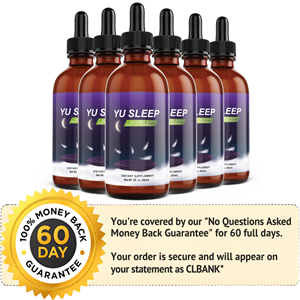
Where it helps, we use YU SLEEP (Sleep and Dreams), a liquid taken by dropper, as a worked example of a drops-style product. That is an illustration of the format, not a verdict. Everything here is general information and not medical advice.
- Format is secondary. Ingredients, dose clarity and your health situation matter more than whether a product is a drop, gummy, capsule or powder.
- Each format trades something. Drops give flexibility but need measuring, gummies are easy but often sweetened, capsules are compact but fixed, and powders add ritual but need mixing.
- Dose accuracy is a real concern. Supplements are not reviewed like medicines, so look for clear labels and third-party testing.
- Check for melatonin in every format. It shows up in all four, and the amount per serving varies.
- Not everyone should self-treat. Pregnancy, breastfeeding, children, medicines and persistent insomnia all call for a professional first.
Sleep Aid Types at a Glance: Drops vs Gummies vs Capsules vs Powders
The table below summarizes general tendencies. Individual products vary, so treat it as a starting framework and not a rule.
| Feature | Drops (liquid) | Gummies | Capsules | Powders |
|---|---|---|---|---|
| How you take it | Measured by dropper, taken directly or mixed | Chewed | Swallowed with water | Stirred into a drink |
| Dose flexibility | High, if the label gives clear dropper amounts | Low, usually one or two pieces | Low to moderate, fixed per capsule | Moderate, by scoop size |
| Taste | Varies, often flavored | Usually sweet | Largely tasteless | Varies, can be strong or sweet |
| Sugar or sweeteners | Sometimes | Commonly | Rarely | Sometimes |
| Portability | Good, but liquids can leak | Very good | Very good | Fair, needs a cup and liquid |
| Main downside | Easy to mis-measure, taste | Dose accuracy and sugar | Swallowing, fixed dose | Prep time, mixing, taste |
| Best suited to | People who want to adjust the amount and dislike pills | People who dislike pills and want zero prep | People who want simple and neutral | People who like a bedtime drink ritual |
No row in this table says one format works better for sleep itself. That is deliberate. Public research on sleep supplements focuses on ingredients and doses, not on the delivery format, so claims that one type is simply stronger should be read with caution.
How Each Sleep Aid Format Works in Everyday Use
Sleep drops
Drops are liquids, usually taken with a dropper either straight under the tongue, swallowed, or mixed into a drink. The appeal is flexibility: if the label gives a per-dropper amount, you can in principle take more or less. That same flexibility is also the weak point, because a dropper is easy to fill unevenly, especially at 11 pm in dim light.
Check whether the dropper has fill lines and whether the label states the amount per dropper. If the label only says "one serving" without defining it, you cannot verify your own dose. If you want a deeper format comparison, our guides on sleep drops vs capsules, sleep drops vs gummies and sleep drops vs powder are listed in the series section below.
Mixing questions come up often. Some liquids are fine in water, others are designed to be taken as is, and a few ingredients may taste worse when heated. Follow the product's own directions, and see our short answer on whether you can mix sleep drops into water or tea (also linked below).
Sleep gummies
Gummies are the lowest-effort format. There is nothing to measure and no water needed, which is why they are popular with people who dislike pills. The tradeoffs are that they often contain sugar or sugar alternatives, and that they are easy to treat like candy.
The bigger issue is accuracy. Independent testing of melatonin gummies has found that the amount in the product can differ substantially from the amount on the label. That does not mean every gummy is off, but it is a reason to prefer brands that publish third-party test results. If you plan to take gummies nightly, read our answer on whether it is safe to take sleep gummies every night.
Also keep gummies away from children. They look and taste like sweets, and a child eating several is a genuine risk.
Sleep capsules
Capsules and tablets are the classic supplement format. They are neutral in taste, compact, and easy to travel with. Dose is fixed per capsule, so adjusting means taking more capsules, which may not be sensible depending on the ingredients.
The downsides are practical. Some people struggle to swallow capsules, and a capsule of a blend gives you less information about what you are taking than a single-ingredient product. Capsules also tend to be the format where "proprietary blend" labeling appears, which hides individual amounts. Prefer labels that list each ingredient and its amount.
Sleep powders
Powders are stirred into water or another drink and are often positioned as a calming nighttime ritual. For some people the ritual is itself helpful, because a consistent pre-bed routine is a sound sleep habit regardless of what is in the cup.
The downsides are prep time, taste, and portability. You need a cup, liquid and something to stir with, and some powders have a strong flavor that is hard to disguise. Also be mindful of what you add: a sugary or caffeinated drink can work against the point.
Does the Format Change How Well a Sleep Aid Works?
You will often see claims that liquids are absorbed faster or that a particular technology delivers more of an ingredient. Sometimes those claims are plausible in principle: a liquid does not need to dissolve first, and chewables and powders disperse differently from a capsule. But plausible is not the same as demonstrated for sleep outcomes.
For common ingredients such as melatonin, magnesium and L-theanine, we are not aware of strong public evidence showing that choosing a drop over a capsule meaningfully changes how well you sleep. What public research more consistently shows is that dose, timing and individual differences matter. Taking something 30 minutes versus 2 hours before bed can matter more than the format.
The same caution applies to terms like "nano-enhanced." The Yu Sleep sales page describes its liquid that way, but the text we reviewed cites no studies showing that this affects sleep outcomes. That does not prove it does not help, but it means you should treat it as a marketing description and not an established benefit.
How to Choose a Sleep Aid Format: A Practical Checklist
Work through these steps in order. They are designed so that safety and verifiability come before taste and convenience.
- Clarify the problem. Trouble falling asleep, waking at 3 am and waking unrefreshed can have different causes. Our pages on best sleep aid to fall asleep faster, best sleep aid to stop waking up at 3am and best sleep aid to wake up refreshed break these down by format.
- Screen for health flags. If you are pregnant, breastfeeding, taking prescription medicines, have a medical condition, or are choosing for a child, speak with a doctor or pharmacist before you pick anything.
- Read the full ingredient list. Look for each ingredient and its amount. Note whether melatonin is present and how much per serving.
- Check dose clarity. Can you tell exactly how much you take each night? A fixed capsule or a dropper with marked lines is easier to verify than "one serving."
- Look for third-party testing. A certificate of analysis or independent seal does not guarantee benefit, but it addresses the label-accuracy problem.
- Match the format to your routine. If you will not measure drops at night, do not buy drops. If you will not stir a powder, skip it. Consistency beats theoretical advantages.
- Check taste and texture tolerance. A flavor you dislike will not last a week. Buy the smallest pack available if you can.
- Read the return terms before you pay. Not after. A headline guarantee is not the same as the conditions behind it.
- Set a trial plan. Decide in advance how long you will try it, what you will track (sleep time, wake-ups, how you feel in the morning), and what would make you stop.
Ingredients and Labels Matter More Than the Format
Two products in different formats can contain the same ingredients, and two products in the same format can be very different. When you compare, the label is the real comparison tool.
Melatonin: check the amount and whether you want it
Melatonin is a hormone your body makes, and it is sold as a supplement in all four formats. In many countries, including the US, supplements are not reviewed like medicines before they are sold, so label accuracy depends on the manufacturer. Some people prefer to avoid it, and others use it with a doctor's guidance. If you are unsure, our guide to long-term melatonin safety, tolerance and dependence myths covers what is and is not known, and our overview of sleep aids without melatonin compares alternatives.
Beware undefined blends
"Proprietary blend" means the total is listed but not the individual amounts. That makes it impossible to compare products or to check whether an ingredient might be a concern for you. If a product lists ingredients but gives only one dose, you know only part of the picture.
Other things worth checking
- Added sugar, sweeteners and allergens, especially in gummies and powders.
- Stimulating ingredients that do not belong in a sleep product.
- Interaction potential. Some ingredients, such as 5-HTP, act on serotonin pathways, so anyone taking antidepressants or similar medicines should ask a pharmacist or doctor first.
- Vivid dreams. Some people report them with certain supplements. Our short answer on whether vitamin B6 can cause vivid dreams is a reasonable start if that is a concern.
- Serving count and pack size, so you can compare actual cost per night.
Worked Example: Where a Liquid Like YU SLEEP Fits
To make the drops category concrete, here is what the official YU SLEEP sales page says, and what it does not. We have not used it, and we are describing the page, not endorsing its claims.
What the page says
- It describes a "delicious, all-natural nano-enhanced sleep formula" taken as a liquid by dropper.
- Its directions are "2 droppers of Yu Sleep 30 minutes before bed."
- It lists ten ingredients (counting vitamins B6 and B2 separately): red tart cherry extract, 5-HTP, vitamin B6, vitamin B2, magnesium glycinate, apigenin, lemon balm extract, L-theanine, melatonin and GABA.
- It states melatonin at 0.9 mg per serving. It gives no amounts for the other ingredients in the text we reviewed.
- It positions itself against high-dose melatonin or synthetic supplements that can leave people groggy.
- It credits "Dr. Collins" with decades of research, but the text gives no credentials, institution or verification, and it cites no studies.
What the format means in practice
A dropper format fits the profile in our table: no swallowing, flexible in principle, and dependent on you measuring correctly. The page gives one stated direction, so the flexibility is limited to following that instruction. For a step-by-step look at timing and routine, see our guide on how to use YU SLEEP drops.
Because it contains melatonin, it is not a melatonin-free option. Because it contains several active botanicals and amino acids, it is also not a simple single-ingredient product, which makes checking interactions more important, not less.
Pricing as shown on the page
The page shows three packages, each labeled with a 60 Day Guarantee. These prices were shown on the page we reviewed and may change, since the page says "While Supplies Last" and "Discounted." Confirm on the official page before you decide.
| Package | Per unit (page) | Total shown | Struck-through total | Bonuses per page |
|---|---|---|---|---|
| 2-month | $69 | $138 plus shipping | $198 | Not listed |
| 3-month | $59 | $177 | $297 | Yes, three |
| 6-month | $49 | $294 | $594 | Yes, three |
The page says the 6-month package works out to $1.60 per night. Shipping is explicitly shown only on the 2-month package in the text we reviewed, so shipping may apply to others: check at checkout. The page says Yu Sleep is not sold in smaller packs, so the minimum commitment is the 2-month package.
The downsides to weigh
- Minimum purchase. You cannot trial a single bottle. That is a real consideration if you are unsure about taste or tolerance.
- Guarantee terms are unclear. The page advertises a 60-day guarantee, but the text we reviewed gives no refund conditions, return process, or whether shipping is refundable or opened bottles qualify. Read the full terms on the official page before buying.
- Bigger discounts need bigger commitments. The best per-unit price and the bonuses require the 3-month or 6-month package.
- Unverified claims. The page's timeline (changes within days for most people, a "full sleep system reset" in 3 to 6 months) is the seller's claim. The page cites no studies for it.
- No disclaimer seen. We did not see a medical or results disclaimer in the text we reviewed. Check the full page footer.
- No company details. The text we reviewed names no company, address or support contact.
The three bonuses listed for the 3-month and 6-month packages are an 11-story bedtime collection (eBook and audio), an eBook on nightly rituals, and a guide on bedtime snacks to avoid. They may be pleasant extras, but they are not reasons to pick a format, and the page's valuation of them is its own.
See the details, current pricing and who it suits.
Check current optionsAffiliate link: we may earn a commission at no extra cost to you.Is a Drops-Style Product Right for You?
If you have read this far and want a plain-language read on fit, our page YU SLEEP (Sleep and Dreams): is it right for you? walks through who it may suit and who should probably skip it. It is a good companion to this guide because it focuses on one product, while this page focuses on formats.
Before you pay for anything, run through our pre-purchase checklist for YU SLEEP. Many of its points, such as reading return terms, checking for melatonin, and confirming current prices, apply to any sleep supplement in any format.
Safety Checks That Apply to Every Format
No format makes a sleep supplement automatically safe. These cautions hold whether you choose drops, gummies, capsules or powders.
Talk to a professional first if any of these apply
- You are pregnant, trying to conceive, or breastfeeding.
- You take prescription medicines, especially antidepressants, sedatives, blood thinners or blood pressure medicines.
- You have a medical condition, such as a liver or kidney issue, an autoimmune condition or a seizure disorder.
- You are choosing for a child or teenager. Children's sleep needs differ from adults', and supplements are not a default solution.
- You drive, operate machinery or work night shifts and a product could leave you drowsy.
Signs that a supplement is the wrong tool
Loud snoring, gasping or pauses in breathing, strong leg discomfort at night, persistent low mood or anxiety, or poor sleep that continues for weeks despite good habits are all reasons to see a doctor. Sleep apnea in particular is a medical condition that supplements do not address, and it is worth ruling out if you are always tired.
Start low and keep notes
If a professional agrees you can try a supplement, follow the label directions, do not combine several sleep products at once, and keep a short log of bedtime, wake-ups and morning energy. If you get headaches, nausea, daytime grogginess, unusual dreams or anything that worries you, stop and ask a professional.
Do You Need a Sleep Aid at All?
Most major health bodies recommend that adults get a consistent, adequate amount of sleep, commonly cited as seven or more hours a night. Many sleep problems respond to habit changes that cost nothing. Before you commit to a two-month supply of anything, consider whether these have been tried:
- A steadier schedule. Our gradual sleep schedule reset plan shows
Frequently asked questions
What is the best form of sleep aid: drops, gummies, capsules or powder?
No format has been shown to be best for everyone. Drops offer flexible dosing, gummies are easy and tasty but often sweetened, capsules are compact with fixed doses, and powders suit a drink ritual. Pick based on ingredients, dose clarity, how consistently you will take it, and any health conditions, not on format claims alone.
Are sleep drops absorbed faster than capsules or gummies?
It is often claimed, but we are not aware of strong public evidence that a liquid format meaningfully improves sleep outcomes for common ingredients like melatonin or magnesium. Differences in absorption speed may exist, yet they matter less than the ingredient, the dose, and your timing. Treat faster-absorption marketing as a claim, not a guarantee.
Are sleep gummies as effective as other sleep aids?
Gummies can contain the same ingredients as other formats, so effectiveness depends mostly on what is inside and how much. The practical concerns are added sugar, and the fact that independent testing of melatonin gummies has found amounts that differ from the label. Look for clear dosing and third-party testing if you choose gummies.
Which sleep aid format is easiest to take every night?
The easiest format is the one you will actually take consistently. Capsules are quick but need swallowing, gummies need no water, drops need a dropper and a measured amount, and powders need mixing. If your routine is rushed, choose a simple format. If you enjoy a wind-down drink, a powder may fit better.
Does Yu Sleep come as a gummy, capsule or powder?
According to the official sales page, Yu Sleep is a liquid taken by dropper. The page's directions are 2 droppers 30 minutes before bed. It does not appear to be offered as a gummy, capsule or powder in the page text we reviewed. Confirm the current format and directions on the official page before buying.
Do I need to avoid melatonin if I choose a different sleep aid format?
Format does not change whether melatonin is present. Many drops, gummies, capsules and powders include it, and others do not. Check the ingredient list for melatonin and the amount per serving, and ask a doctor or pharmacist if you take other medicines or have a health condition.
When should I see a doctor instead of trying another sleep supplement?
Consider a professional if poor sleep lasts for weeks, affects daytime function, or comes with loud snoring, gasping, pauses in breathing, restless legs, or low mood. Also ask first if you are pregnant, breastfeeding, giving a supplement to a child, or taking prescription medicines.
In this section
GuideSleep Drops vs Gummies: Which Format Works Better?Sleep drops vs gummies compared on dose control, taste, sugar, convenience and label accuracy, plus a checkli…
Read GuideSleep Drops vs Capsules: Absorption, Convenience and Dose ControlSleep drops vs capsules: compare absorption, convenience and dose control, plus a checklist to help you choos…
Read GuideSleep Drops vs Powder: Which Is Easier to Use Nightly?Sleep drops vs powder: compare measuring, taste, mixing, travel and cost to see which format is easier to sti…
Read GuideBest Sleep Aid to Fall Asleep Faster: Top Picks by FormatLooking for the best sleep aid to fall asleep faster? Compare drops, gummies, capsules and powders, plus what…
Read GuideBest Sleep Aid to Stop Waking Up at 3am: Top Picks by FormatLooking for the best sleep aid for waking up at 3am? Compare drops, capsules and gummies, plus downsides, wha…
Read GuideBest Sleep Aid to Wake Up Refreshed Without GrogginessHow to choose the best sleep aid to wake up refreshed: what causes morning grogginess, what to check on label…
Read AnswerIs it safe to take sleep gummies every night?Are sleep gummies safe to take every night? What nightly use involves, how to check sugar and melatonin on th…
Read AnswerCan you mix sleep drops into water or tea?Can you mix sleep drops in water or tea? Here is what the Yu Sleep page says, what to check first, and how to…
Read