- What is sleep inertia, and why mornings feel groggy
- What the YU Sleep page says about waking up refreshed
- Ingredients that could plausibly affect morning alertness
- Common reasons you feel groggy after any sleep drops
- How to reduce grogginess: a step-by-step checklist
- Should you take a wake up refreshed supplement at all?
- What reviews and complaints can and can't tell you
- Buying cautiously if grogginess worries you
The official YU Sleep page says it is designed to help you wake up refreshed and positions itself against groggy high-dose melatonin products. It does contain 0.9 mg of melatonin, and we can't verify grogginess outcomes. If you feel groggy, check timing, sleep length, alcohol and caffeine, then talk to a professional.
YU Sleep grogginess is a fair thing to worry about, because the product's own page promises the opposite. It says the formula helps you fall asleep, stay asleep and wake up refreshed. It also positions itself against "high-dose melatonin or synthetic supplements" that can leave people groggy.
This guide separates what the page claims from what we can verify. It then gives you a practical checklist for reducing groggy mornings, whatever you take. We have not used the product, and we are not describing complaints we cannot source.
Part of the answer has nothing to do with the bottle. Timing, sleep length and daily habits drive a lot of morning fog.
- The page says Yu Sleep helps you wake up refreshed. It cites no studies, so treat that as a claim.
- The formula includes 0.9 mg of melatonin per the page, plus nine other listed ingredients.
- Most grogginess fixes are about timing, sleep length, alcohol, caffeine and light.
- Ongoing daytime sleepiness deserves a professional opinion.
What is sleep inertia, and why mornings feel groggy
Sleep inertia is the foggy, slow stretch right after waking. It is normal and usually fades within a short time, though it is worse after being woken from deep sleep or after too little sleep.
Several things can make it worse: a short night, an irregular schedule, alcohol, sedating medicines and untreated sleep disorders. A sleep aid may or may not be involved. That is why it helps to change one thing at a time.
What the YU Sleep page says about waking up refreshed
The page describes a "delicious, all-natural nano-enhanced sleep formula" taken as a liquid by dropper. Its directions are 2 droppers 30 minutes before bed.
It says the formula supports the brain's "sleep pressure system," including adenosine buildup, natural melatonin release and a calmer nervous system. It also says it uses plant-based ingredients that work with your natural rhythm.
The page cites no studies for these statements, and the text we reviewed does not name any company or verify the "Dr. Collins" it credits. Read "wake up refreshed" as a marketing goal, not a documented result. For a deeper look, see our fact-check of YU Sleep marketing claims and what the evidence supports.
Ingredients that could plausibly affect morning alertness
The page lists ten ingredients, counting B6 and B2 separately: red tart cherry extract, 5-HTP, vitamin B6, vitamin B2, magnesium glycinate, apigenin, lemon balm extract, L-theanine, melatonin and GABA. The only dose given is 0.9 mg of melatonin. We cannot say how much of anything else you get.
Without doses, we can only speak generally:
- Melatonin: a hormone supplement. Timing matters, and taking it too late can leave effects lingering into the morning for some people.
- 5-HTP: affects serotonin pathways and can interact with some medicines, notably antidepressants.
- Lemon balm, apigenin, L-theanine, GABA, magnesium: commonly marketed for relaxation. Individual responses vary, and the evidence for several of them as sleep aids is limited or mixed.
The product's "not groggy" positioning does not remove melatonin from the formula. If you are sensitive to it, you may still notice effects. Our ingredients guide goes through each one.
Common reasons you feel groggy after any sleep drops
| Possible cause | What it looks like | What to try |
|---|---|---|
| Taking it too late | Heavy, slow first hour | Follow the stated timing; keep bedtime consistent |
| Too few hours in bed | Fog even on good nights | Protect a full night; adults are generally advised to get at least 7 hours |
| Alcohol or late caffeine | Fragmented sleep, early waking | Cut off caffeine earlier; skip alcohol near bedtime |
| Irregular wake time | Worse Mondays | Keep wake time within about an hour daily |
| Other medicines | Sedation that predates the drops | Ask a pharmacist about interactions |
| Underlying sleep disorder | Snoring, gasping, constant tiredness | See a doctor |
How to reduce grogginess: a step-by-step checklist
Change one variable at a time so you can tell what helped. Keep a short log of bedtime, dose time, wake time and how alert you feel at 30 and 90 minutes after waking.
- Check your timing. Take the drops as directed, then be in bed soon after. Don't dose and then stay up for hours.
- Count your hours. If you only have 5 or 6 hours, no product will prevent fog.
- Fix your wake time. Pick one wake time and hold it for two weeks, weekends included.
- Get light early. Open curtains or step outside soon after waking.
- Trim caffeine and alcohol. Move your last coffee earlier and avoid alcohol close to bed.
- Keep the room cool, dark and quiet. This helps you stay asleep.
- Review everything else you take. Ask a pharmacist whether any medicine or supplement stacks with the formula.
- Stop and reassess if it persists. Grogginess lasting beyond a couple of weeks, or any worrying symptom, is a reason to stop and seek advice.
See the details, current pricing and who it suits.
Check current optionsAffiliate link: we may earn a commission at no extra cost to you. Recommended for youYU Sleep Reviews, Complaints and Trust
Should you take a wake up refreshed supplement at all?
Ask first whether the problem is sleep quality or sleep quantity. Many people wake groggy because the night was short or irregular. A supplement cannot add hours.
If your routine is already solid and you still struggle to fall asleep, a supplement may be worth discussing with a professional. If you are weighing this specific product, our page on whether YU Sleep is right for you lays out the fit questions. You can also compare it with other sleep aid formats and alternatives.
What reviews and complaints can and can't tell you
The testimonials on the official page are marketing, and we do not treat them as evidence. The page's "36,498+ reviews" figure should not be read as a verified rating either. See whether the website reviews are real.
For independent feedback, check several outside platforms and look for patterns rather than single posts. Our reviews roundup and the reviews and trust guide explain how to read them. Remember that people with grogginess are more likely to post than people with no issue, so complaints can't tell you how common it is.
Buying cautiously if grogginess worries you
The page sells only minimum 2-month packages, and says it is not sold in smaller packs. That means you commit to weeks of product before knowing how you respond. Prices on the page ranged from $138 for 2 months (plus shipping, which may apply, so check at checkout) to $294 for 6 months. Prices may change, so confirm on the official page.
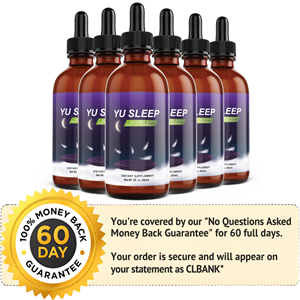
The page advertises a 60-day guarantee, but the text we reviewed gives no terms. Read the full terms before buying: whether shipping is refundable, whether opened bottles qualify and how to request a return. Our buying guide and checkout walkthrough cover what to check.
The page also claims most people notice changes within days and that a full reset takes 3 to 6 months. Treat both as unverified. If you feel worse, don't push through for months on the basis of that timeline.
When grogginess is a sign to see a professional
Seek advice if you notice any of these:
- Grogginess that lasts most of the morning for several weeks
- Falling asleep during the day or while driving
- Loud snoring, gasping or witnessed pauses in breathing
- Low mood, or new symptoms after starting a supplement
- Repeated 3 AM waking along with daytime exhaustion
Our guide on when to see a doctor about sleep problems lists more warning signs, and why you wake at 3 AM explains common patterns.
Next steps
Start with your routine using the checklist above. If you still want to try the product, read how to use YU Sleep drops and the safety and side effects guide. For no-cost options, see sleeping better without buying anything.
Finally, our legitimacy verdict pulls the findings together before you order.
Frequently asked questions
Does YU Sleep make you groggy in the morning?
We can't say. The official page claims it helps you wake up refreshed, but it cites no studies for that, and we have not used the product. It does contain 0.9 mg of melatonin plus other ingredients, and any of them can affect how people feel. Track your own mornings and stop if you feel unwell.
How much melatonin is in YU Sleep?
The page states 0.9 mg of melatonin per serving. It gives no doses for the other nine listed ingredients, and the text we reviewed shows no full supplement facts panel. Check the label on the product you receive and confirm details on the official page.
How do I reduce grogginess after taking sleep drops?
Take them at the time the directions say, leave enough hours for a full night, avoid alcohol and late caffeine, keep a steady wake time, and get morning light. If grogginess continues for a week or two, stop and ask a pharmacist or doctor.
How long before bed should I take YU Sleep?
The page's directions are 2 droppers 30 minutes before bed. Taking sleep aids too close to your wake time, or when you can't get a full night, is a common reason people feel foggy next day.
Is a wake up refreshed supplement a replacement for good sleep habits?
No. Supplements, if they help at all, work alongside consistent sleep timing, light exposure, and limited alcohol and caffeine. Persistent daytime sleepiness can also signal a sleep disorder or other health issue that a supplement will not fix.
When should I see a doctor about morning grogginess?
See a professional if grogginess lasts for weeks, you fall asleep during the day, you snore loudly or gasp at night, or it affects driving or work. These can point to causes unrelated to any supplement.
Does the 60-day guarantee cover side effects like grogginess?
The page advertises a 60-day guarantee but the text we reviewed gives no terms. Read the full terms on the official page before buying, including whether shipping and opened bottles are covered.
Keep reading
 How to Use YU Sleep Drops: Dosing, Timing and RoutineYU Sleep how to use: the page's dropper directions, when to take it, how to build a bedtime routine…
 Does YU Sleep Work? What the Evidence SupportsIf you are asking "does YU Sleep work?", the honest answer is that nobody can promise it will for y…
 YU Sleep Marketing Claims Fact-CheckedYU Sleep claims fact-checked: what the official page says about nano-enhancement, timelines, ingred…