- Why 3am? What happens in the second half of the night
- Common causes of waking up at 3am
- Match your pattern: a quick reference
- Waking up at 3am and can't fall back asleep: why it sticks
- Track it for two weeks before changing everything
- Where supplements fit, and where they don't
- Habits that support sleep through the night
- When 3am waking needs a professional
Waking at 3am is common and usually has more than one cause: lighter sleep late in the night, stress, alcohol, caffeine, late meals, temperature, hormones, or a sleep disorder. Track your pattern for two weeks, fix the basics first, and see a doctor if it persists or you snore or gasp.
If you keep asking yourself "why do I wake up at 3am?", you are in large company. Waking up at 3am every night feels personal and strange, but the time itself is mostly a coincidence of how sleep is built. Several ordinary factors tend to converge in the second half of the night.
This guide explains the common 3am wake up causes, how to tell which pattern matches yours, and what to do when you are awake and can't fall back asleep. It is general information, not medical advice, and it points out when a professional should be involved.
The aim is practical: by the end you should have a short list of things to test and a clear sense of when to stop testing and get help.
- There is rarely a single cause; the late-night sleep structure makes you easier to wake.
- Alcohol, caffeine, late meals, stress, temperature and light are the first things to check.
- Loud snoring, gasping, or daytime sleepiness suggest seeing a doctor rather than self-treating.
- A two-week log beats guessing.
Why 3am? What happens in the second half of the night
Sleep moves in cycles of lighter and deeper stages. Earlier in the night you spend more time in deep sleep, which is harder to interrupt. Later, sleep tends to be lighter and includes more dream-rich REM sleep, so small disturbances are more likely to wake you.
Brief awakenings are normal; most people have several and never remember them. The problem starts when one of them turns into a long stretch of alertness. That is usually about what happens next, not the awakening itself.
Also, the pressure to sleep that builds while you are awake has been partly used up by 3am, and your body temperature and hormone rhythms are shifting. This is why the same stressor that you slept through at midnight can wake you at 3.
Common causes of waking up at 3am
Think of these as categories to check, not a diagnosis. More than one can apply at once.
Alcohol, caffeine and late meals
Alcohol can help you drop off but often fragments sleep later as your body clears it. Caffeine can linger for many hours, and a heavy or spicy late meal may cause reflux or discomfort. Our page on alcohol, caffeine and late meals goes deeper.
Stress and a busy mind
Worry is a very common trigger. You wake briefly, a thought about work or money arrives, and alertness climbs. If this sounds like you, see stress, cortisol and night waking.
Bedroom environment
Heat, noise, a partner or pet moving, and light from a phone or street can each pull light sleep into wakefulness. Many people wake because they are too warm without realizing it.
Hormones and life stage
Hot flashes, night sweats and shifting hormones can wake people in the early morning hours. If this fits, read about menopause, hormones and night waking.
Bladder, medications and health conditions
Needing the bathroom, pain, reflux, thyroid issues, and some medications can all disrupt sleep. Some medicines are stimulating or can change sleep patterns, so ask a pharmacist before changing anything yourself.
Sleep disorders
Sleep apnea, restless legs and insomnia can all cause night waking. Apnea in particular is easy to miss. Compare signs in sleep apnea vs insomnia.
Match your pattern: a quick reference
| What you notice | Possible factor | First thing to try |
|---|---|---|
| Wake after evening drinks | Alcohol effect | Several alcohol-free evenings |
| Wake with racing thoughts | Stress or anxiety | Evening worry list, wind-down routine |
| Wake hot or sweaty | Temperature or hormones | Cooler room, lighter bedding; ask a doctor if frequent |
| Wake with heartburn | Late or heavy meals, reflux | Earlier, lighter dinner; see a doctor if persistent |
| Wake gasping, snore loudly | Possible sleep apnea | Medical evaluation |
| Wake to urinate repeatedly | Fluids, medication, or a health issue | Adjust evening fluids; discuss with a doctor |
| Wake at varied times, tired by day | General insomnia | Consistent schedule; professional advice if ongoing |
Waking up at 3am and can't fall back asleep: why it sticks
The first waking is often harmless. What keeps you up is the reaction: checking the clock, calculating lost hours, and feeling frustrated. Each of these raises alertness.
Lying in bed awake for long stretches can also teach your brain to link the bed with effort and worry. That is why many sleep clinicians suggest not forcing sleep.
What to do in the moment
- Turn the clock away and avoid your phone.
- Keep lights very dim if you must move.
- Try slow breathing, with a longer exhale than inhale, for a few minutes.
- If you feel wide awake after what seems like a long while, get up and do something quiet in low light, such as reading something dull.
- Return to bed when sleepy, not before.
- Skip big snacks; a heavy meal can add to the problem.
For a longer action plan, see how to stop waking up at 3am.
Track it for two weeks before changing everything
Guessing leads to changing six things at once and learning nothing. A simple log shows patterns.
- Bedtime and approximate wake time, including the 3am waking.
- Caffeine: last drink and time.
- Alcohol: how much and when.
- Dinner time and size.
- Stress level that day, rated 1 to 5.
- Room temperature or how warm you felt.
- Any snoring or gasping noticed by a partner.
- Medications taken and when.
After two weeks, look for what the bad nights share. Then change one thing for about a week and compare.
See the details, current pricing and who it suits.
Check current optionsAffiliate link: we may earn a commission at no extra cost to you. Recommended for youTrouble Sleeping Through the Night: Causes and Signs
Where supplements fit, and where they don't
Because the causes differ so much, no supplement can be expected to solve 3am waking for everyone. If the driver is apnea, alcohol, reflux or a medication, a sleep aid may do little and could mask a problem worth treating.
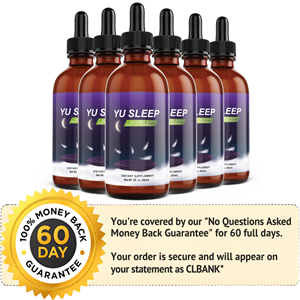
Some products target night waking specifically. Yu Sleep, for example, is a liquid taken by dropper, and its official page mentions 3 AM wake-ups and lists ingredients including tart cherry extract, magnesium glycinate, L-theanine and 0.9 mg of melatonin. The page does not cite studies for its claims, and we have not used the product, so treat its promises as marketing, not evidence. Its page also advertises a minimum two-month purchase, so confirm current pricing and the full guarantee terms on the official page before buying.
If you are considering any supplement, first read how to read a sleep supplement label and check who should talk to a doctor first. To see our take on one option, there is a page on whether YU SLEEP is right for you. For free approaches, start with sleeping better without buying anything.
Habits that support sleep through the night
- Keep a steady schedule. Similar wake times, even on weekends, help your body clock.
- Set a caffeine cutoff. Many people do better stopping by early afternoon.
- Finish dinner earlier and keep it moderate.
- Cool, dark, quiet room. Cover small lights and consider earplugs or white noise.
- Get daylight in the morning to anchor your rhythm.
- Wind down for 30 to 60 minutes with dim lights and a calming routine.
- Park your worries on paper before bed.
Adults are generally advised by US health bodies to aim for at least seven hours of sleep. Needs vary, so judge by how you feel by day as well as the number.
When 3am waking needs a professional
Self-experiments have limits. Contact a doctor or sleep specialist if any of these apply:
- Waking most nights for several weeks.
- Loud snoring, choking or gasping, or witnessed pauses in breathing.
- Strong daytime sleepiness, including drowsiness while driving.
- Persistent low mood, anxiety or loss of interest.
- Chest pain, night sweats, unexplained weight change or frequent urination at night.
- New sleep changes after starting a medication.
Bring your two-week log. It makes the appointment much more productive. If you are pregnant, breastfeeding, or on prescription medication, check with a clinician before using any sleep supplement.
Next steps
Start your log tonight and pick one change to test. For the broader picture, read our pillar on trouble sleeping through the night, then move to the step-by-step fixes.
If you wake feeling heavy and slow, see morning grogginess. If you wonder what is natural, the most natural time of sleep for humans offers context.
Frequently asked questions
Why do I wake up at 3am every night?
There is rarely one cause. Sleep gets lighter in the second half of the night, so stress, alcohol, caffeine, noise, temperature, hormones, a full bladder or a sleep disorder can tip you into waking. Tracking your habits for two weeks helps you see which factors line up with your wake-ups.
Is waking up at 3am a sign of something serious?
Usually not on its own. Occasional waking is common. It deserves a medical check if it happens most nights for weeks, you snore loudly, gasp, feel very sleepy by day, or have low mood or anxiety. Those signs can point to apnea, depression or another treatable condition.
Why can't I fall back asleep after waking at 3am?
Checking the clock, worrying, bright light and a stimulated mind can keep you alert. Alcohol or caffeine earlier can also fragment sleep. Staying in bed frustrated can train your brain to link bed with wakefulness, so a calm out-of-bed reset is often suggested.
Does alcohol cause waking up at 3am?
It can. Alcohol may make you drowsy at first, but as your body processes it, sleep often becomes lighter and more broken later in the night. If your wake-ups follow drinks in the evening, try a few alcohol-free nights and compare.
Should I look at the clock when I wake at 3am?
It is usually better not to. Seeing the time tends to prompt calculations about how little sleep remains, which raises alertness and worry. Turn the clock away, or use a dim one you do not need to check.
Can a sleep supplement stop 3am wake-ups?
No supplement can be promised to stop them. Because causes vary, a product may do nothing if the real driver is apnea, alcohol, stress or a medication. Check causes first, read labels carefully, and talk to a doctor or pharmacist if you take medication or have a health condition.
When should I see a doctor about waking up at 3am?
See a professional if it lasts several weeks, affects daytime function, or comes with loud snoring, gasping, chest symptoms, frequent urination, night sweats, or persistent low mood or anxiety. Bring a two-week sleep log to the appointment.
Keep reading
 How to Stop Waking Up at 3am: Step-by-Step FixesHow to stop waking up at 3am: a calm, step-by-step guide to likely causes, habit fixes, what to do…
 Alcohol, Caffeine and Late Meals: How They Cause Night WakingAlcohol and waking up at night, plus caffeine and late meals: how each can fragment sleep, why 3am…
 Sleep Apnea vs Insomnia: Signs Your Night Waking May Have Another CauseSleep apnea vs insomnia: compare signs of sleep apnea at night, like gasping and snoring, with inso…