- Why there is no single best sleep aid for an autistic child
- Why involve a pediatric specialist first
- Common causes of sleep problems in autistic children
- Melatonin for an autistic child: what to know
- Why multi-ingredient adult formulas are a poor fit
- What to try before or alongside any supplement
- How to prepare for the specialist visit
- Comparing your options at a glance
There is no single best sleep aid for an autistic child. Start with a pediatric specialist, who can check for causes such as pain, reflux, sleep apnea or anxiety, and advise on melatonin or other options. Behavior and routine changes usually come first. Yu Sleep is not designed or recommended for children.
If you are searching for the best sleep aid for an autistic child, the most useful answer is not a product name. It is a person: a pediatric specialist who can look at the whole picture before anything goes into your child's bedtime routine.
Sleep problems are common in autistic children, and they wear down the whole family. That makes a quick fix tempting. This guide explains why the order of steps matters, what a specialist looks for, how melatonin for an autistic child is usually discussed, and how to prepare for the appointment.
We are an independent publication. We have not used any product mentioned here, and nothing on this page is medical advice. It is general information to help you ask better questions.
- There is no one best sleep aid; the cause of the sleep problem decides the plan.
- A pediatric specialist should rule out medical contributors before any supplement.
- Melatonin is the supplement most often discussed, but dose, timing and product quality should come from a clinician.
- Routine and environment changes are usually the first step and cost little.
- Adult multi-ingredient formulas, including Yu Sleep, are not designed for children.
Why there is no single best sleep aid for an autistic child
Autistic children differ widely. One child cannot settle because of sensory input, another wakes at 3 AM with reflux, and another has anxiety that spikes at night. A product that helps one may do nothing for the next, or make things worse.
Sleep trouble can also be a symptom of something else. Treating the symptom with a supplement can hide a problem that needs real care, such as sleep apnea or pain.
That is why "best" is the wrong question. A better one is: what is keeping this child awake, and who is qualified to find out?
Why involve a pediatric specialist first
A pediatrician, developmental pediatrician, or pediatric sleep specialist can do three things a store shelf cannot. They can screen for medical causes, review everything your child already takes, and set a plan with a clear review date.
They can also tell you when a supplement is not the right tool. Sometimes the answer is a behavioral plan, treatment for another condition, or a referral for a sleep study.
Common causes of sleep problems in autistic children
Ask your specialist whether any of these could apply. This is a list of possibilities, not a diagnosis.
- Trouble winding down: difficulty shifting from play or screens to sleep.
- Sensory factors: light, noise, textures of pajamas or bedding, room temperature.
- Anxiety or racing thoughts: worries or repetitive thinking at bedtime.
- Co-occurring conditions: ADHD, epilepsy, or gastrointestinal problems such as reflux or constipation.
- Breathing and movement: sleep apnea, restless legs, or periodic limb movements.
- Medication effects: some medicines can disrupt sleep or cause drowsiness.
- Irregular schedules: shifting bedtimes, long late naps, or inconsistent wake times.
Melatonin for an autistic child: what to know
Melatonin is a hormone the body makes as part of its sleep-wake timing. It is the supplement most often raised when families ask about autism sleep problems and supplements. Some clinicians use it for certain children, and research on it in autism exists, but the right use is individual.
Several points are worth discussing with your specialist:
- Dose and timing: more is not necessarily better, and timing relative to bedtime can matter.
- Product quality: supplements are not tightly regulated, and the amount in a bottle can differ from the label. Ask which brands the clinician trusts.
- Duration: ask how long to use it and when to review it.
- Other medicines: melatonin can interact with some drugs, so share your full list.
- Daytime effects: watch for grogginess, mood change, or unusual dreams and report them.
Melatonin also does not fix every cause. If pain, apnea or anxiety is behind the problem, a hormone supplement may not help much.
Why multi-ingredient adult formulas are a poor fit
Many sleep products combine melatonin with herbs, amino acids and minerals. That is a problem when the user is a child. With ten ingredients, you cannot tell which one causes a benefit or a side effect, and the amounts are set with adults in mind.
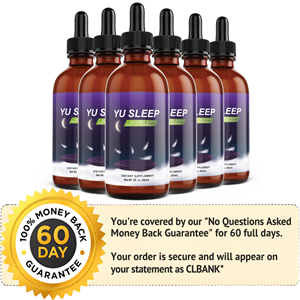
Yu Sleep is one example. Its official page lists ten ingredients, including 5-HTP, GABA, lemon balm, apigenin and melatonin at 0.9 mg per serving, taken as two droppers 30 minutes before bed. It is written for adults, and we cover why in YU Sleep for Children: why it is not recommended and what to do instead. The ingredient 5-HTP in particular raises interaction questions, as explained in YU Sleep and antidepressants.
The page also advertises a minimum two-month purchase, which commits you to a large supply of something that may not suit your child. Our look at the claims is in Does YU Sleep work? What the evidence supports. If your child is older, see can teenagers take YU Sleep, though the same advice applies: ask a clinician first.
See the details, current pricing and who it suits.
Check current optionsAffiliate link: we may earn a commission at no extra cost to you.What to try before or alongside any supplement
Behavioral and environmental steps are usually the first line, and they carry little risk. Your specialist can tailor them. Here is a general sequence many families find workable.
- Fix the wake time. A steady morning time anchors the body clock more than a steady bedtime does.
- Build a short, predictable routine. Three to five steps in the same order, using a visual schedule if it helps your child.
- Adjust the room. Consider blackout curtains, white noise, cooler temperature, and comfortable bedding and clothing.
- Reduce evening stimulation. Move screens and active play earlier, and dim lights in the hour before bed.
- Check food and drink. Limit caffeine and large late meals. See best foods and drinks before bed.
- Keep a diary. Log what happens for two weeks before changing anything else.
For more no-cost ideas, read Sleep better without buying anything.
 Recommended for youYU Sleep for Adults: Is It a Good Fit for Your Sleep Problem?
How to prepare for the specialist visit
A focused appointment gets better answers. Bring the following:
- A two-week sleep diary with bedtime, time asleep, night wakings and wake time.
- A list of every medicine and supplement, with doses.
- Notes on snoring, gasping, restless movement, sweating or unusual night behavior.
- Short video clips of night waking if you can safely record them.
- Details of the bedtime routine and the sleep environment.
- Your questions, written down in advance.
Questions worth asking
- Could a medical condition be affecting my child's sleep?
- Is a sleep study appropriate?
- Would melatonin be reasonable here, and if so, what product, dose and timing?
- How will we know it is working, and when do we review it?
- Do any of my child's current medicines affect sleep?
- What should I do if there are side effects?
Comparing your options at a glance
| Option | Who guides it | Main upside | Main downside |
|---|---|---|---|
| Routine and environment changes | You, with specialist input | Low risk, low cost | Needs consistency and time |
| Treating an underlying condition | Pediatric specialist | Addresses the cause | Requires assessment |
| Melatonin | Pediatric specialist | Widely discussed for autism-related sleep issues | Dose and product quality matter; may not suit every cause |
| Multi-ingredient adult formulas | No pediatric guidance | Convenient | Not designed for children; unclear which ingredient does what |
Red flags when shopping for a child's sleep aid
- Claims of a "permanent fix" or guaranteed results.
- Testimonials presented as proof. These are not evidence for your child.
- Long ingredient lists with no dose for each item.
- No clear company details or support contact.
- Large minimum purchases or unclear refund terms. A guarantee headline is not the same as clear terms, so read them in full. See billing and subscription complaints explained for what to check.
For a broader view of the format options, see sleep aid types compared and YU Sleep vs alternatives.
If you are still weighing Yu Sleep for yourself
This page is about children, but many parents are exhausted too. If you are considering Yu Sleep for your own sleep, check the pillar on who it is for and who should skip it and our recommendation page. Keep it well away from children, and store it out of reach.
Pregnant or breastfeeding parents, and anyone on medication, should read the relevant cautions first, such as combining it with sleep medication. Prices and offers change, so confirm details on the official page.
Next steps
Start with a sleep diary and an appointment with your child's pediatric specialist. Bring your questions, and hold off on supplements until you have a plan.
For related reading, see why YU Sleep is not recommended for children, YU Sleep safety and practical questions, and trouble sleeping through the night.
Frequently asked questions
What is the best sleep aid for an autistic child?
No single product is best for every child. Sleep problems in autism have many causes, so a pediatric specialist usually looks for medical issues and starts with behavioral strategies. If a supplement such as melatonin is considered, the clinician should choose the product, dose and timing.
Is melatonin safe for an autistic child?
Melatonin is widely discussed for autistic children, and some clinicians use it. Safety still depends on the child, the dose, the product quality and other medicines. Supplements are not tightly regulated, so ask your pediatric specialist before starting and have them set a plan and review date.
Can I give my autistic child an adult sleep supplement?
Not without medical guidance. Adult formulas are not designed around a child's size or needs, and multi-ingredient products make it hard to know what is causing any effect. Yu Sleep, for example, contains 0.9 mg of melatonin plus nine other ingredients. Ask a specialist first.
Why does my autistic child have trouble sleeping?
Causes can include difficulty winding down, sensory sensitivities, irregular routines, anxiety, ADHD, reflux, pain, sleep apnea, restless legs or medication effects. Because the causes differ, a sleep diary and a specialist review help more than guessing at a product.
What should I bring to a sleep appointment for my child?
Bring a two-week sleep diary, a list of all medicines and supplements with doses, notes on snoring or breathing pauses, bedtime routine details, and your top questions. Short video clips of night waking or movement can also help the clinician.
How long should I try a sleep routine before deciding it works?
Many clinicians suggest giving a consistent routine a few weeks, but your specialist should set the timeline for your child. Track bedtime, sleep onset, night waking and wake time so you can show whether anything is changing.
When is a child's sleep problem urgent?
Seek prompt medical advice for loud snoring with breathing pauses, suspected seizures at night, sudden changes in sleep or behavior, signs of pain, or severe daytime exhaustion. Safety concerns, such as wandering at night, also need quick professional input.
Keep reading
 Is YU Sleep Safe for Men? Product-Specific Fit and CautionsIs YU Sleep safe for men? A plain guide to its listed ingredients, men-specific cautions, over-40 c…
 Is YU Sleep Safe for Women? Who Can Use It and Who Should WaitIs YU Sleep safe for women? A plain guide to who can consider it, who should wait (pregnancy, nursi…
 YU Sleep for Seniors: Suitability, Cautions and Doctor ChecksYU Sleep for seniors: what the official page says, ingredient cautions for people over 65, medicati…