- Does what you eat before bed really affect sleep?
- Best foods that help you sleep: bedtime snacks to try
- Drinks that help you sleep
- Quick comparison: what to try and what to watch for
- What to skip before bed
- How to test your own bedtime food plan
- Timing and portion: a practical evening checklist
- Special situations: reflux, 3 AM waking and medications
The best foods that help you sleep are small, simple snacks, such as a banana, kiwi, a few nuts, oats or tart cherry juice, eaten well before bed. Evidence for any single food is modest. What you skip (late caffeine, alcohol, heavy or spicy meals) usually matters more.
If you are searching for foods that help you sleep, you probably want a simple answer: what to eat before bed to sleep better, without a long list of rules. The honest answer is that no single food works like a sleeping pill. A few foods and drinks have modest, early-stage research behind them, and several common habits clearly work against sleep.
This guide covers bedtime snacks for sleep, drinks that help you sleep, what to skip, and how to test all of it on yourself. We keep to what public research supports and flag where the evidence is thin. It is general information, not medical advice.
- Skipping the wrong things usually matters more than adding the right ones. Late caffeine, alcohol and heavy meals have the clearest downsides.
- Keep bedtime snacks small. Think a banana, a kiwi, oats, yogurt or a few nuts.
- Warm, caffeine-free drinks are low-risk, but evidence for any one drink is modest, and the ritual may do some of the work.
- Test for yourself. Change one thing at a time and track it for a couple of weeks.
Does what you eat before bed really affect sleep?
Yes, but mostly in indirect ways. Digestion, blood sugar, hydration, caffeine and alcohol can all change how easily you fall asleep and how often you wake. Meals also act as a cue for your body clock, so irregular eating can add to an irregular sleep pattern.
The research on specific "sleep foods" is less impressive than headlines suggest. Many studies are small, short, use concentrated extracts or juices rather than ordinary servings, and sometimes involve people who already sleep poorly. Treat any single food as a low-risk experiment, not a treatment.
Sleep also depends on a lot besides diet. Light, temperature, stress, schedule and health conditions all play a part. If you want the full picture of free changes, start with our pillar on how to sleep better without buying anything.
Best foods that help you sleep: bedtime snacks to try
The snacks below are popular because they are gentle on the stomach and contain nutrients people associate with sleep. None is guaranteed to help. Pick one or two that you actually like, and keep the portion small.
Tart cherries and tart cherry juice
Tart cherries contain small amounts of melatonin, the hormone your body makes in the evening. A few small studies have looked at tart cherry juice and sleep, with modest and mixed results. It is one of the better-known food options, but it is not a proven fix.
The downside: juice adds sugar and liquid. If you get reflux, are watching blood sugar, or wake to use the bathroom, a small glass earlier in the evening may suit you better than one right at bedtime.
Kiwi
Small trials have explored eating kiwi before bed and reported some improvement in how people rated their sleep. The studies are limited, and the mechanism is not settled. Kiwi is easy, light and low in calories, so it is a reasonable thing to try.
Bananas, nuts and seeds
Bananas, almonds, pumpkin seeds and similar foods provide magnesium, along with other nutrients. Magnesium is involved in muscle relaxation and nervous system function, which is why these foods get recommended. Direct proof that eating them improves sleep is limited.
A banana with a spoonful of nut butter makes a balanced snack. Watch portions, since nuts are calorie-dense and a big handful late at night can sit heavily. If you have a nut allergy or a kidney condition, check with a clinician before changing magnesium intake.
Oats, whole-grain toast and other gentle carbs
A small portion of complex carbohydrate, such as a little oatmeal or a slice of whole-grain toast, is a classic comfort snack. It may help if hunger would otherwise keep you awake. There is no strong evidence that carbs themselves induce sleep, so the value here is mostly avoiding an empty stomach.
Yogurt, cheese and milk
Dairy contains tryptophan, an amino acid your body uses to make serotonin and, later, melatonin. Eating tryptophan-containing foods does not reliably make you sleepy, because many other amino acids compete with it. A small bowl of yogurt is still a decent, light option for many people. Skip it if dairy upsets your stomach.
Fatty fish and other dinner-time choices
Some research links diets with more fish to better sleep, but that is observational, and it describes overall eating patterns rather than a bedtime snack. Treat fish as part of dinner, not a late-night food. A balanced evening meal with vegetables, protein and fiber is a better foundation than any single "sleep food."
Drinks that help you sleep
The best bedtime drinks are warm, caffeine-free and small. Part of their effect may come from the ritual itself: slowing down, holding something warm and signaling to yourself that the day is over.
Herbal teas
Chamomile is the most common choice. A few small studies suggest a modest benefit for sleep quality, but the research is inconsistent. Other herbal teas, such as lemon balm, valerian or passionflower blends, are popular too. Evidence varies by herb, and some can interact with medicines or are not advised in pregnancy, so check with a pharmacist if you take prescriptions.
Read the label: some "sleepy" teas include caffeinated ingredients or several herbs at once. For a closer look at one common ingredient, see our page on lemon balm extract for sleep. If you are weighing a cup of tea against a supplement, our comparison of YU Sleep and Sleepytime tea covers the differences.
Warm milk or a plant-based alternative
Warm milk is more tradition than science. There is little solid evidence that it changes sleep directly, but it is comforting, and comfort can lower arousal before bed. If you are lactose intolerant, an unsweetened plant milk warmed gently works as a ritual drink too.
Tart cherry juice
See above. If you choose it, consider a small serving and check the sugar content on the label.
Plain water, in sensible amounts
Being mildly dehydrated can leave you uncomfortable at night, but a large drink right before bed can send you to the bathroom. Drink enough through the day, then taper off in the evening.
Quick comparison: what to try and what to watch for
| Food or drink | Why people try it | Evidence level | Main downside |
|---|---|---|---|
| Tart cherry juice | Natural melatonin content | Small, mixed studies | Sugar and liquid volume |
| Kiwi | Light snack; small trials on sleep ratings | Limited | Mouth irritation or allergy in some |
| Banana and nuts | Magnesium and gentle energy | Indirect | Calorie-dense if you overdo nuts; allergies |
| Oatmeal or whole-grain toast | Avoids bedtime hunger | Weak | Large portions can sit heavily |
| Yogurt | Tryptophan; light protein | Weak | Not for dairy-sensitive people |
| Chamomile tea | Calming ritual | Modest, inconsistent | Possible allergy (especially with ragweed sensitivity); extra bathroom trips |
| Warm milk | Comfort and routine | Little direct evidence | Lactose; added sugar if sweetened |
What to skip before bed
This is where the evidence is stronger. Cutting these back is free and often more useful than adding anything new.
Caffeine, including the hidden kind
Caffeine blocks the signals that build your sleepiness, and it can linger for hours. Coffee is obvious, but tea, cola, energy drinks, pre-workout powders, some pain relievers and dark chocolate also contain it. Sensitivity differs a lot between people, so your personal cutoff may be earlier than a friend's. Our guide to the caffeine cutoff time helps you find yours.
Alcohol
A nightcap can make you drowsy, but it tends to disrupt sleep later in the night, causing lighter, more broken sleep, and can worsen snoring or breathing problems. If you drink, keep it modest and finish well before bed. If you find you need alcohol to fall asleep, mention it to a clinician.
Large, fatty or very spicy meals
A heavy meal close to bedtime can cause reflux, bloating and discomfort, especially when you lie flat. Spicy food bothers some people and not others. Give a big dinner time to settle, and keep late snacks small.
Sugary snacks and desserts
Sweets late at night can leave some people restless, or hungry again a bit later. The effect varies, so this is one to track rather than assume. If dessert is part of your evening, try a smaller portion earlier.
Lots of fluid close to bedtime
Even caffeine-free drinks can wake you for the bathroom. If you do wake at night, try front-loading fluids earlier in the day.
 Recommended for youSleep Better Without Buying Anything
How to test your own bedtime food plan
Because people respond differently, a short experiment beats guesswork. Here is a simple method.
- Get a baseline. For one week, jot down what you eat and drink in the evening, when you go to bed, and how you slept. A free sleep diary works well.
- Remove the obvious disruptors first. Move caffeine earlier, cut or reduce alcohol, and finish large meals earlier.
- Change one thing at a time. If you add a kiwi and chamomile tea on the same night, you will not know which mattered.
- Keep portions small. A snack is a snack, not a second dinner.
- Give each change about two weeks. Sleep varies night to night, so one good or bad night tells you little.
- Keep what helps and drop what doesn't. If something upsets your stomach or adds sugar without a benefit, stop it.
Timing and portion: a practical evening checklist
- Eat your main meal early enough that you are not lying down on a full stomach.
- If you are genuinely hungry later, choose a small snack with some fiber or protein.
- Switch to caffeine-free drinks in the afternoon or evening, depending on your sensitivity.
- Taper fluids in the last stretch before bed.
- Pair your snack or tea with a wind-down routine: dim lights, no work email, perhaps a warm bath or shower.
- Keep the rest of the setup in order. Temperature, light and noise matter as much as food, and our bedroom setup guide covers low-cost fixes.
See the details, current pricing and who it suits.
Check current optionsAffiliate link: we may earn a commission at no extra cost to you.Special situations: reflux, 3 AM waking and medications
If you get acid reflux
Late meals, large portions, fatty or spicy food, caffeine, alcohol and chocolate are common triggers. Leaving more time between eating and lying down often helps. If reflux is frequent or you notice chest pain, a persistent cough or trouble swallowing, see a doctor rather than self-managing.
If you wake in the early hours
People often blame a late snack for waking at 3 AM, but there are many possible causes: stress, alcohol, light, noise, temperature, a need for the bathroom, and medical conditions such as sleep apnea. Food tweaks may help at the margins. If the pattern persists, read our overview of trouble sleeping through the night, and consider whether sleep anxiety plays a role.
If you have a medical condition or take medication
Diabetes, kidney disease, pregnancy, food allergies and several prescriptions change what is sensible to eat or drink in the evening. Herbs and concentrated extracts can interact with medicines. Ask a doctor or pharmacist before making regular changes.
Where sleep supplements fit alongside food
Some readers move from food and tea to supplements. That is a personal choice, and food comes first for most people because it is cheap and low-risk. If you are curious, it helps to know what a product claims and what it doesn't prove.
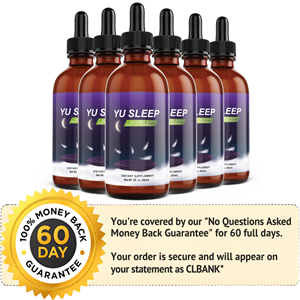
Yu Sleep is one example. Its official page describes it as an all-natural, nano-enhanced liquid taken by dropper, with directions of 2 droppers 30 minutes before bed. It lists ingredients including red tart cherry extract, magnesium glycinate, L-theanine, lemon balm extract, apigenin, GABA, 5-HTP, vitamins B6 and B2, and melatonin, which the page states at 0.9 mg per serving. Several of those overlap with the foods and herbs above, though a supplement is not the same as eating a food, and the page gives no doses for most ingredients.
We have not used the product, and we did not see supporting studies cited in the page text we reviewed. The page also offers a bonus guide on bedtime snacks and drinks to avoid, but it is only included with certain packages, and we have not seen its contents. If you are comparing options, our pages on what's inside Yu Sleep and its marketing claims fact-checked go deeper. Our Yu Sleep recommendation page sets out who it may suit. For non-melatonin options, see best sleep aids without melatonin.
Whatever you choose, confirm current prices and terms on the official page, and check with a doctor or pharmacist first if you are pregnant, take medication or have a health condition.
Next steps
Start small: move your caffeine earlier, finish big meals sooner, and try one gentle snack or caffeine-free tea for two weeks. Track the results in a sleep diary, and work through the other free changes in our pillar guide to sleeping better without buying anything. If problems continue, talk to a doctor instead of adding more tweaks.
Frequently asked questions
What should I eat before bed to sleep better?
Choose a small snack that sits easily, such as a banana with a few nuts, oatmeal, yogurt, a kiwi or a small glass of tart cherry juice. Research on individual foods is small and mixed, so treat them as low-risk experiments. Keep portions modest and avoid a heavy meal right before lying down.
Is it bad to eat right before bed?
For many people, a large or fatty meal close to bedtime can cause reflux, discomfort or restless sleep. A small snack is usually fine, and going to bed hungry can also keep some people awake. Leave time between your last big meal and lying down, and notice how your own body responds.
What drinks help you sleep?
Caffeine-free warm drinks are the usual choices: chamomile or other herbal tea, warm milk or a plant-based alternative, and small amounts of tart cherry juice. The evidence is modest, and part of the benefit may be the calming ritual. Keep the volume small so you aren't up for the bathroom at night.
Does warm milk actually help you sleep?
There is little strong evidence that warm milk itself changes sleep. Any benefit may come from the comforting routine, the warmth and the expectation of relaxing. It is a reasonable, low-risk option unless you are lactose intolerant or find dairy upsets your stomach.
Does alcohol help you sleep?
Alcohol may make you feel drowsy, but it tends to fragment sleep later in the night and can worsen snoring and breathing problems in some people. If you drink, keep it modest and finish well before bed. If you rely on it to fall asleep, talk to a clinician.
What foods should I avoid before bed?
Common culprits are caffeine (coffee, tea, cola, energy drinks, chocolate), alcohol, large or very fatty meals, spicy foods if you get reflux, and sugary snacks that leave you wired or hungry later. Sensitivity varies, so track what you eat and how you sleep for a couple of weeks.
Can food stop me waking up at 3 AM?
Food alone is unlikely to fix repeated early-morning waking, which has many possible causes, including stress, alcohol, reflux, light, noise and medical issues. A steady evening routine and avoiding late alcohol or caffeine can help. If it keeps happening, consider seeing a doctor.
Keep reading
 Caffeine Cutoff Time: When to Stop Drinking Coffee for Better SleepCaffeine cutoff time explained: how half-life works, a starting rule of thumb, a sample schedule an…
 Sleep Diary Template: How to Track Your Sleep for FreeA sleep diary template is the cheapest sleep tool there is: a simple log you fill in each day, on p…
 YU Sleep vs Sleepytime Tea: Is a Bedtime Tea Enough?YU Sleep vs Sleepytime Tea: compare ingredients, cost and commitment, see what chamomile tea can do…