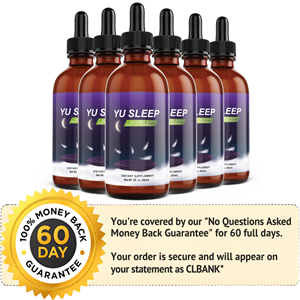
- Is YU Sleep safe for children?
- What is in YU Sleep, and why that matters for kids
- Why "natural" and "nano-enhanced" don't answer the safety question
- Other practical reasons to skip it for a child
- Check your child's situation first: a quick checklist
- What to do instead: the best sleep aid for kids is usually a routine
- Common causes of poor sleep in children
- What to ask a pediatrician
We do not recommend YU Sleep for kids. The official page gives no pediatric dosing or child-safety information, and the formula includes melatonin, 5-HTP and several botanicals. If your child sleeps badly, start with routine changes and talk to a pediatrician.
If you are searching for YU Sleep for kids, our answer is simple: we do not recommend it. The official page we reviewed describes a product for adults' sleep complaints and gives no child dosing, age range or pediatric safety information.
That gap matters. A child's sleep, body size and development are different from an adult's, and a formula with ten ingredients, including melatonin, is not something to improvise with. This guide explains why, what to look at if you are still considering a sleep aid, and what to try first.
We have not used this product and we don't claim to. Everything below comes from the official page's text and general, public sleep knowledge. It is general information, not medical advice.
- The page gives no child or teen dosing or safety guidance.
- The formula includes melatonin (0.9 mg per serving, per the page) and 5-HTP, among others.
- Routine changes are the usual first step for children's sleep problems.
- A pediatrician should guide any supplement decision for a child.
Is YU Sleep safe for children?
We can't tell you it is, and the evidence we have doesn't support saying so. The page directs "2 droppers of Yu Sleep 30 minutes before bed" and says nothing about a different amount for younger people.
It also names no company, address or support contact in the text we reviewed, and credits "Dr. Collins" without credentials we could verify. If you had a question about a child, there is no clear place on the page to take it.
We did not see a disclaimer in the text we reviewed; check the full page footer. Even so, the absence of child guidance is the key point. If you want the broader picture, see YU Sleep safety, side effects and practical questions.
What is in YU Sleep, and why that matters for kids
The page lists ten ingredients: Red Tart Cherry Extract, 5-HTP, Vitamin B6, Vitamin B2, Magnesium Glycinate, Apigenin, Lemon Balm Extract, L-Theanine, Melatonin and GABA. The only amount it gives is 0.9 mg of melatonin per serving. The other doses are not shown in the text we reviewed.
That means a parent cannot check how much of anything a child would receive. Three ingredients deserve particular attention:
- Melatonin: a hormone supplement. Whether and how to use it in a child is a decision for a pediatrician.
- 5-HTP: it is involved in serotonin production, which is why interaction questions come up. See our page on 5-HTP and antidepressant interaction risks.
- Botanicals such as lemon balm and apigenin: plant-derived does not mean risk-free, and child-specific data is limited.
For a full ingredient walk-through, read what's inside YU Sleep.
Why "natural" and "nano-enhanced" don't answer the safety question
The page calls the product an "all-natural nano-enhanced sleep formula" and contrasts it with synthetic supplements. Those are marketing descriptions. They say nothing about whether the amounts are suitable for a child.
The page also cites "decades of research," but the text we reviewed names no studies. So there is nothing for a parent to check against.
A practical rule: if a label can't tell you the dose, the age range and who should avoid it, treat it as unsuitable for a child until a clinician says otherwise.
Other practical reasons to skip it for a child
- Minimum purchase: the page says it is not sold in smaller packs. The smallest is the 2-month package, listed at $138 (reduced from $198) plus shipping. Prices may change, so confirm on the official page. That is a lot to spend on something you may not be able to use.
- Guarantee terms: the page advertises a 60-day guarantee, but we did not see terms in the text we reviewed. Read them fully before buying.
- Timeline: the page says a "full sleep system reset" takes 3 to 6 months of consistent use. That is a long period of daily use for a child without medical oversight.
If you do consider buying for an adult in your household, see buying YU Sleep: price, where to buy and refunds.
See the details, current pricing and who it suits.
Check current optionsAffiliate link: we may earn a commission at no extra cost to you.Check your child's situation first: a quick checklist
Before any supplement, answer these. Several "yes" answers point toward a pediatrician visit rather than a product.
- Does your child snore loudly, gasp or pause breathing in sleep?
- Is your child very sleepy, irritable or inattentive during the day?
- Does your child have a medical, developmental or mental health condition?
- Does your child take any prescription or over-the-counter medicine?
- Has the problem lasted more than a few weeks?
- Did it start suddenly after a change, such as a move, illness or school stress?
Children with developmental differences often have distinct sleep needs; our page on sleep aids for an autistic child explains why a pediatric specialist should come first.
What to do instead: the best sleep aid for kids is usually a routine
When people ask for the best sleep aid for kids, the dependable answer is rarely a bottle. Most pediatric sleep guidance begins with habits, because they address the most common causes.
- Fix the wake time and bedtime. Keep them within about an hour, even on weekends.
- Build a 20 to 30 minute wind-down. Bath, pajamas, teeth, a story, lights low. Do it in the same order every night.
- Turn off screens earlier. Stop devices at least an hour before bed and keep them out of the bedroom.
- Adjust the room. Dark, cool, quiet. A small night light is fine if your child needs it.
- Watch caffeine and late meals. Cola, chocolate and tea can matter, and a heavy dinner close to bed can too.
- Get daylight and activity. Outdoor time in the morning and exercise earlier in the day support sleep.
- Respond calmly to wake-ups. Brief, quiet, consistent. Avoid turning night waking into playtime.
Our guide to sleeping better without buying anything covers more of these habits, and best foods and drinks before bed helps with the evening snack question.
 Recommended for youWho YU Sleep Is For (and Who Should Skip It)
Common causes of poor sleep in children
| Possible cause | What you might notice | Useful first step |
|---|---|---|
| Irregular schedule | Hard to fall asleep, tired mornings | Fix wake time and bedtime |
| Screens and light | Wired at bedtime | Earlier screen cutoff, dim lights |
| Worry or stress | Clinginess, bedtime fears | Talk earlier in the day, calm routine |
| Breathing problems | Snoring, mouth breathing, restless sleep | Pediatrician visit |
| Caffeine or late food | Delayed sleep, night waking | Adjust evening intake |
| Medical or developmental factors | Long-running, varied sleep problems | Pediatric specialist |
This table is general. It can't diagnose, but it can help you describe the problem clearly to a professional.
What to ask a pediatrician
Bring a one or two week sleep log: bedtime, time to fall asleep, night wakings, wake time, naps and daytime mood. It makes the visit far more productive.
- Could a medical issue, such as breathing problems or reflux, be involved?
- Is any supplement appropriate at my child's age, and at what amount?
- Could my child's medicines or conditions interact with a supplement?
- What behavioral approaches would you try first?
- What signs mean I should come back sooner?
What about teenagers?
Teens often have real biological shifts toward later sleep, plus early school starts and screens. The page gives no teen guidance either, so the same caution applies. Read can teenagers take YU Sleep? and involve a pediatrician.
If an adult in your home wants to consider it
This guide is about children, but adults have their own checks. Our pages on YU Sleep for adults and who YU Sleep is for and who should skip it explain fit and cautions. You can also see our recommendation page for how we assess it. Keep any adult supplement stored securely and out of children's reach.
Next steps
Start with the routine steps above for two weeks and keep a sleep log. If nothing improves, or any red flag in the checklist applies, book a pediatrician visit.
For more reading, try trouble sleeping through the night: causes and signs, YU Sleep vs alternatives, and does YU Sleep work? What the evidence supports.
Frequently asked questions
Is YU Sleep safe for children?
We can't say it is, and we don't recommend it. The official page we reviewed gives no child dosing or pediatric safety information. The formula contains melatonin (0.9 mg per serving, per the page), 5-HTP and several botanicals. Ask your child's pediatrician before giving any sleep supplement.
What is the best sleep aid for kids?
For most children, the best first step is not a product. Consistent bedtimes, a calm wind-down, a dark cool room and less screen time are the usual starting points. If problems persist, a pediatrician can check for causes and advise on any supplement or treatment.
Can I give my child half a dose of YU Sleep?
We wouldn't. The page directs 2 droppers 30 minutes before bed and gives no child or reduced dosing. Halving an adult dose is guesswork, and ingredients like melatonin and 5-HTP can affect children differently. Ask a pediatrician instead.
Can teenagers take YU Sleep?
The same caution applies. The page we reviewed gives no teen guidance, and teen sleep problems are often tied to schedules, light and stress. Talk to a pediatrician before trying it. Our teenager page covers this in more detail.
Does YU Sleep contain melatonin?
Yes. The official page states 0.9 mg of melatonin per serving, alongside nine other listed ingredients including 5-HTP, L-Theanine, GABA and lemon balm. Melatonin in children is something to discuss with a pediatrician rather than start on your own.
What should I do if my child wakes at night?
Note when it happens, how often and what else is going on, such as snoring, worry, illness or late screens. Keep the routine steady and the response calm and boring. If it continues for weeks or affects daytime mood, see a pediatrician.
When should I see a doctor about my child's sleep?
See a pediatrician if your child snores loudly, pauses breathing, has frequent night terrors, is very sleepy by day, or if sleep trouble lasts several weeks despite routine changes. Also ask first if your child has a medical condition or takes medication.
Keep reading
 Can teenagers take YU Sleep?Can teenagers take YU Sleep? The page gives no teen guidance and the formula contains melatonin and…
 Sleep Aids for an Autistic Child: Why to Involve a Pediatric Specialist FirstLooking for the best sleep aid for an autistic child? Learn why a pediatric specialist should come…
 Sleep Better Without Buying AnythingSleep better without buying anything: free, evidence-based habits for schedule, light, bedroom, win…