Not necessarily. A blend is not proven to beat melatonin alone, and melatonin mainly helps with timing problems, not all sleep trouble. A blend may suit you if several factors are at play, but it adds more ingredients to check. Evidence for most combinations is thin.
Not necessarily. A multi-ingredient blend has not been shown to beat melatonin alone for most people, and the answer depends on why you are not sleeping. This page compares a sleep aid vs melatonin in practical terms so you can decide what is worth trying.
Melatonin is a timing signal. Blends add other ingredients that aim at relaxation or sleep drive, but a longer ingredient list is not the same as better evidence.
We have not used any product mentioned here, and we cite only what the official page and general public research support.
- Melatonin is most useful for timing problems, not every kind of poor sleep.
- Blends may suit mixed causes, but they add ingredients and interaction questions.
- Habits and schedule usually matter more than either option.
- Check labels, doses and the refund terms before buying.
Is melatonin enough for sleep?
Sometimes. Melatonin is a hormone your body releases in the evening, and supplements are most often discussed for jet lag, shift work and a body clock that runs late. If your trouble is racing thoughts, a hot room or late coffee, melatonin addresses none of those.
Dose and product quality also vary widely between brands, which is why third-party testing is worth understanding. See our guide to third-party testing for sleep supplements.
What a sleep supplement blend adds
Blends combine several ingredients, often magnesium, L-theanine, herbal extracts or amino acids, on the theory that sleep has more than one lever. That is plausible for people whose sleep is affected by stress and timing together. It is not proof that the combination works better than melatonin alone.
Research on individual ingredients varies in strength, and studies of a specific finished blend are rare. Treat any product claim of superiority with caution.
Example: Yu Sleep's formula
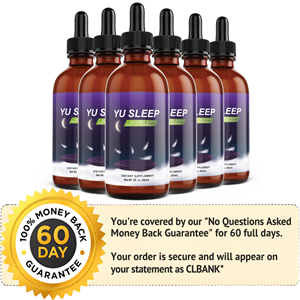
The official Yu Sleep page lists ten ingredients: red tart cherry extract, 5-HTP, vitamins B6 and B2, magnesium glycinate, apigenin, lemon balm extract, L-theanine, melatonin and GABA. The only dose it gives is 0.9 mg of melatonin per serving. The page directs two droppers 30 minutes before bed.
So it is not a melatonin-free alternative; it is melatonin plus other ingredients. The page cites no studies, and we did not see amounts for the rest. For the full breakdown, read what's inside Yu Sleep.
Melatonin alone vs a blend: quick comparison
| Factor | Melatonin alone | Multi-ingredient blend |
|---|---|---|
| Best fit | Timing problems | Mixed or unclear causes |
| Simplicity | One ingredient to track | Many ingredients to check |
| Evidence | Stronger for timing uses | Often ingredient-level only |
| Interaction risk | Lower, not zero | Higher with more ingredients |
| Cost | Usually low | Varies, often higher |
For a single-ingredient comparison, see Yu Sleep vs Natrol Melatonin.
See the details, current pricing and who it suits.
Check current optionsAffiliate link: we may earn a commission at no extra cost to you. Recommended for youYU Sleep vs Olly Sleep: Ingredients, Dose and Price Compared
When a blend might make sense
- You feel both wired and off-schedule at bedtime.
- Melatonin alone left you groggy or did little.
- You have no medication or condition that conflicts with the ingredients.
- You are comfortable with a higher cost and a longer label.
If you want to see whether Yu Sleep fits, our Yu Sleep fit guide is a reasonable starting point, and who Yu Sleep is for covers who should skip it.
Downsides and cautions
More ingredients means more chances of a reaction or interaction. Magnesium can interact with some medicines, as covered in magnesium and medication interactions, and some herbal ingredients matter if you take blood thinners (see Yu Sleep and blood thinners).
Yu Sleep is sold in a minimum 2-month package, according to the page, so you commit before knowing how you respond. The page advertises a 60-day guarantee but we saw no terms; read them on the official page first. Prices change, so confirm there too.
How to test either option sensibly
- Keep a two-week sleep diary before you start.
- Fix the basics first: consistent wake time, less evening caffeine and light.
- Start one product only, and change nothing else at the same time.
- Note time to fall asleep, wake-ups and morning grogginess.
- Stop and seek advice if you feel worse or nothing improves.
Many people get further with no purchase at all; see sleep better without buying anything and CBT-I basics.
Next steps
Compare formats in sleep aid types compared, or see the wider Yu Sleep vs alternatives overview. If you would rather avoid melatonin, read sleep aids without melatonin. Waking at night? Try how to stop waking up at 3am.
Frequently asked questions
Is melatonin enough for sleep?
For some people, yes, especially when the issue is timing, such as jet lag or a late body clock. It is less likely to be enough when stress, caffeine, a noisy room or an irregular schedule is the real cause. Habits usually matter as much as any supplement.
Is a sleep supplement blend better than melatonin alone?
Not proven. A blend adds ingredients aimed at relaxation or other factors, but most combinations have little direct research as a product. It may suit you if you want a broader approach, but more ingredients also means more to check for interactions.
Does Yu Sleep contain melatonin?
Yes. The official page lists melatonin at 0.9 mg per serving among its ten listed ingredients. It also lists 5-HTP, magnesium glycinate, L-theanine, GABA, apigenin, lemon balm and others, without giving doses for those.
Can I take melatonin with other sleep supplements?
Stacking products can double up on ingredients, including melatonin itself. Check every label first and ask a pharmacist or doctor, especially if you take prescription medication, are pregnant, or have a health condition.
What is the difference between a sleep aid and melatonin?
Melatonin is one hormone-based ingredient. A sleep aid is a broad term covering melatonin, herbal blends, magnesium products, and antihistamine medicines. They work differently and carry different cautions, so compare ingredients rather than labels.
How do I know if a melatonin blend is working?
Keep a simple sleep diary for two weeks before and during use: bedtime, time to fall asleep, wake-ups and morning energy. Change one thing at a time. If nothing improves, or you feel groggy, stop and talk to a clinician.
Keep reading
 YU Sleep vs ZzzQuil: Natural Drops or Antihistamine Liquid?YU Sleep vs ZzzQuil compared: ingredients, how each works, downsides, cost and commitment, plus a c…
 YU Sleep vs Natrol Melatonin: Multi-Ingredient Formula vs Single IngredientYU Sleep vs Natrol Melatonin compared: a multi-ingredient liquid vs a single-ingredient supplement.…
 YU Sleep vs Nature Made Sleep: Which Formula Fits Your Night?YU Sleep vs Nature Made Sleep compared by format, ingredients, melatonin, price and guarantee, plus…