- What "Without Melatonin" Really Means on a Label
- Non-Melatonin Sleep Aids Compared at a Glance
- Best Sleep Supplements Without Melatonin, Ingredient by Ingredient
- Sleeping Pills Without Melatonin: OTC Antihistamines
- Non-Supplement Options That Often Beat a Bottle
- Where Yu Sleep Fits: A Multi-Ingredient Formula That Includes Melatonin
- How to Choose a Non-Melatonin Sleep Aid: A Checklist
- Safety: Who Should Check With a Professional First
The best sleep aid without melatonin depends on your problem. Magnesium glycinate, L-theanine, glycine and herbal options like lemon balm are common picks, but the evidence is modest and varies. For ongoing insomnia, CBT-I has stronger support. Note that Yu Sleep lists 0.9 mg of melatonin, so it is not melatonin-free.
If you are searching for sleep aids without melatonin, you probably have a reason. Maybe melatonin left you groggy, gave you vivid dreams, or simply did nothing. Maybe you take medication, or a clinician told you to avoid it. Whatever the reason, the options are wide, and the quality of evidence behind them varies a lot.
This guide compares the main non-melatonin options: mineral and amino-acid supplements, herbal products, over-the-counter sleeping pills, and non-supplement approaches that often outperform all of them. We name the downsides of each, and we say plainly where the research is thin. We have not used any of these products, and nothing here is medical advice.
One more point up front. Several "natural" sleep formulas, including Yu Sleep, still contain melatonin, so reading the label matters more than reading the front of the bottle.
- "No melatonin" is a label check, not a marketing phrase. Read the full ingredient list, including blends.
- Magnesium glycinate, L-theanine, glycine, lemon balm and chamomile-type herbs are common alternatives. The evidence for each is modest and mixed.
- OTC sleeping pills without melatonin usually rely on antihistamines, which carry their own downsides.
- For ongoing insomnia, cognitive behavioral therapy for insomnia (CBT-I) has stronger support than any supplement.
- Yu Sleep lists 0.9 mg of melatonin, so it is not a melatonin-free option.
What "Without Melatonin" Really Means on a Label
Melatonin is a hormone your body makes as evening light fades. Supplements deliver it directly, usually as a timing signal rather than a sedative. A non-melatonin sleep aid works through another route: relaxing the nervous system, changing neurotransmitter activity, or blocking wakefulness signals.
That difference matters for choosing. Melatonin is generally better studied for timing problems such as jet lag or a late body clock. Non-melatonin options are more often used for feeling wired, tense or restless at bedtime, though the evidence for that is weaker than people assume.
Label checks before you buy
- Scan for "melatonin" in the supplement facts and in any "proprietary blend" listing.
- Check for "N-acetyl-5-methoxytryptamine," a chemical name for melatonin that occasionally appears.
- Look for combination products. Many "sleep" formulas bundle melatonin with herbs and amino acids.
- Note every active ingredient, not only the headline one, so you can check interactions with a pharmacist.
Non-Melatonin Sleep Aids Compared at a Glance
The table below summarizes common options. "Evidence" here means general public research: mostly small or short trials, with results that differ between studies. None of these is a guaranteed fix.
| Option | How it is thought to work | Evidence in brief | Main downsides |
|---|---|---|---|
| Magnesium glycinate | Mineral involved in nerve and muscle relaxation | Small studies, mixed; stronger signal where intake is low | Loose stools in some people; caution with kidney disease |
| L-theanine | Amino acid linked to calm alertness | Small trials suggest modest relaxation effects | Limited sleep-specific data; effects vary |
| Glycine | Amino acid studied for sleep quality and core temperature | A few small trials on subjective sleep quality | Small evidence base; powder or capsule volume can be large |
| Lemon balm | Herb traditionally used for calm | Mostly small studies, often in blends | Hard to isolate its effect; may cause drowsiness |
| Chamomile / apigenin | Plant compound studied for mild calming effects | Modest, mixed | Ragweed-family allergy concerns with chamomile |
| Valerian | Root extract used traditionally | Inconsistent across trials | Stomach upset, vivid dreams or morning drowsiness for some |
| Tart cherry | Food source of small amounts of natural melatonin and other compounds | Small studies, modest | Contains some melatonin; sugar content in juices |
| 5-HTP | Serotonin precursor | Limited sleep evidence | Interaction risk with antidepressants; GI upset |
| Diphenhydramine / doxylamine | Antihistamines that cause drowsiness | Short-term sedation; tolerance builds fast | Next-day grogginess, dry mouth, cautions for older adults |
| CBT-I | Behavioral program targeting sleep habits and thoughts | First-line recommended for chronic insomnia | Takes weeks and effort; access varies |
Notice that tart cherry is not truly melatonin-free. It is a food source of small amounts, so it may not suit you if you are avoiding melatonin altogether.
Best Sleep Supplements Without Melatonin, Ingredient by Ingredient
Magnesium glycinate
Magnesium glycinate is popular because it is generally reported as gentler on the stomach than some other forms. Research on magnesium and sleep is mixed. Benefits seem more plausible if your diet is low in magnesium than if you already get enough.
If you have kidney disease, check with a clinician before taking any magnesium supplement. Also be aware that magnesium can interact with some antibiotics and other medications, so ask a pharmacist about timing.
L-theanine
L-theanine, found in tea, is often chosen by people whose problem is a busy, tense mind at bedtime. Small trials suggest it may support relaxation, but data on actual sleep outcomes is limited. It tends to be well tolerated, which is part of its appeal, though "well tolerated" is not the same as "proven."
Glycine
Glycine is an amino acid that has been studied in a handful of small trials for subjective sleep quality. It is less common in commercial sleep products than magnesium or theanine. If you try it, expect a modest effect at best and judge by how you feel in the morning, not by the label.
Lemon balm, chamomile and apigenin
These are the "calming herb" group. Lemon balm and chamomile have long traditional use, and apigenin is a compound found in chamomile. Public research is mostly small and often tests blends, which makes it hard to credit any single ingredient.
If you are allergic to plants in the ragweed family, be cautious with chamomile. Herbal products also vary in strength between brands, which is a real downside compared with standardized medicines.
Valerian
Valerian is among the best-known herbal sleep aids, and trial results are inconsistent. Some people report it helps; others notice nothing, or notice a groggy morning. If you try it, treat it as an experiment with a clear end date.
Tart cherry
Tart cherry products are sold for sleep because the fruit contains small amounts of melatonin and other compounds. Studies are small and effects appear modest. It is a gentle, food-based option, but not a clean fit for anyone strictly avoiding melatonin.
5-HTP and GABA
5-HTP is converted into serotonin, which makes it riskier than most items here. If you take antidepressants or other serotonergic medicines, combining them with 5-HTP can contribute to a dangerous reaction. Read our guide to serotonin syndrome symptoms and emergency signs if you are considering it.
GABA is a calming neurotransmitter, but how well oral GABA reaches the brain is debated, so be skeptical of strong claims. Both ingredients show up in multi-ingredient formulas, which makes it harder to see what you are actually taking.
Sleeping Pills Without Melatonin: OTC Antihistamines
The most common non-melatonin OTC sleeping aids contain diphenhydramine or doxylamine. They work by causing drowsiness, and they are sold as pills, capsules and liquids. Our comparison of natural drops versus an antihistamine liquid like ZzzQuil walks through that trade-off in more detail.
The downsides are well documented. Tolerance to the sleepy effect can build within days, next-day grogginess is common, and dry mouth, constipation and urinary problems can occur. Older adults are generally advised to be especially careful with this class of drug. For a broader view of the category, see our comparison of over-the-counter sleep aids by type.
Non-Supplement Options That Often Beat a Bottle
Major US health bodies, including the CDC and the American Academy of Sleep Medicine, recommend that adults generally get seven or more hours of sleep. If trouble sleeping has lasted for months, the standard first-line recommendation from clinical guidelines is CBT-I, not a pill or supplement. It typically includes a consistent wake time, limiting time in bed awake, and tackling worry about sleep.
Several free changes are worth trying before spending money:
- Fix your wake time. A consistent rise time anchors your body clock more than a consistent bedtime does.
- Move caffeine earlier. Caffeine can linger for many hours. Try a cutoff in the early afternoon.
- Dim the evening. Lower light in the hour before bed. Our guide to evening light, blue light and screens separates what matters from what doesn't.
- Offload your mind. A short bedtime brain dump can help if racing thoughts are the issue.
- Address the fear of not sleeping. If clock-watching and dread are part of the pattern, read about sleep anxiety and how to break the cycle.
Our page on sleeping better without buying anything expands on these habits.
See the details, current pricing and who it suits.
Check current optionsAffiliate link: we may earn a commission at no extra cost to you. Recommended for youYU Sleep vs Alternatives
Where Yu Sleep Fits: A Multi-Ingredient Formula That Includes Melatonin
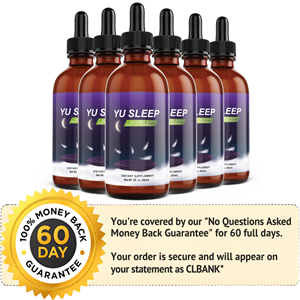
Yu Sleep comes up in many searches for non-melatonin options, so it deserves a clear note. The official sales page describes it as a liquid taken by dropper, with directions of 2 droppers 30 minutes before bed. It positions itself against high-dose melatonin and synthetic supplements, and it says it uses plant-based ingredients.
However, the ingredient list on that page includes melatonin, which the page states at 0.9 mg per serving. The other listed ingredients are red tart cherry extract, 5-HTP, vitamin B6, vitamin B2, magnesium glycinate, apigenin, lemon balm extract, L-theanine and GABA. The page gives no doses for those, and the text we reviewed did not show a full supplement facts panel.
If you want to avoid melatonin completely, Yu Sleep is not the right pick. If you are okay with a low melatonin dose inside a blend, you can read more in our explainer on what a 0.9 mg melatonin dose does and our breakdown of what's inside Yu Sleep. For whether stacked ingredients add up to more than their parts, see our look at stacking and synergy evidence.
Practical points on price and terms
- The page sells a minimum 2-month package. It says smaller packs are not offered.
- Prices shown on the page were $138 for 2 months (plus shipping), $177 for 3 months and $294 for 6 months. These are subject to change, and the page says "While Supplies Last," so confirm on the official page.
- Shipping may apply, so check at checkout.
- The page advertises a 60-day guarantee but the text we reviewed gave no terms. Read the full terms before buying.
- The page cites no studies for its formula, and we did not see a disclaimer in the text we reviewed. Check the full page footer.
If you want help deciding, our Yu Sleep fit-check page lays out what to weigh. For the buying side, see price, where to buy and refunds.
How to Choose a Non-Melatonin Sleep Aid: A Checklist
Match the option to the problem rather than to the best marketing. Here is a simple way to think about it.
- Trouble winding down, tense body: magnesium glycinate or L-theanine are common first trials.
- Racing thoughts: behavioral tools (journaling, CBT-I techniques) usually deserve a try before any supplement.
- Waking at 3 AM: consider alcohol, late caffeine, reflux, sleep apnea and stress before assuming you need a supplement. Our guide to trouble sleeping through the night covers causes and signs.
- Short-term disruption (travel, a stressful week): a single, short-term product may be enough, with an end date.
- Need a non-habit-forming option: see our notes on the safest non-habit-forming sleep supplements.
Single ingredient or blend?
Single-ingredient products make it easy to see what helps and what causes side effects. Blends are convenient but hide which ingredient is responsible, and some blends do not disclose individual amounts. If you want to compare formats too, our sleep aid types comparison covers drops, gummies, capsules and powders, and our ranking of liquid sleep aids and drops by goal narrows the liquid category.
Safety: Who Should Check With a Professional First
"Natural" does not mean risk-free. Supplements are not reviewed like prescription medicines before they reach shelves, and ingredient amounts can differ from the label. A pharmacist or clinician can check your specific situation.
Talk to a professional before starting any sleep supplement if any of these apply:
- You are pregnant, breastfeeding or trying to conceive. See sleep supplement safety for women.
- You take prescription medication, especially antidepressants, sedatives or blood thinners. Our page on combining Yu Sleep with sleep medication explains why this is a doctor conversation.
- You have surgery scheduled. Read when to stop sleep supplements and what to tell your care team.
- You have kidney, liver or heart conditions.
- You have allergies to plants such as ragweed, which can matter for chamomile.
A Simple Way to Test One Option Without Fooling Yourself
It is easy to start three things at once and never learn what worked. Use a structured trial instead.
- Log a baseline for one week. Record bedtime, estimated time to fall asleep, wake-ups and morning energy. A notes app works.
- Fix the free basics first. Consistent wake time, earlier caffeine cutoff and a dimmer evening.
- Add only one product. Follow the label and any clinician guidance, and note the start date.
- Run it for about two weeks. Keep logging. Watch for side effects such as stomach upset, grogginess or vivid dreams.
- Decide with your log, not a hunch. If there is no clear gain, stop. If there is a modest gain, ask whether habits alone could deliver it.
- Escalate to a professional if nothing changes. Persistent problems are a reason for evaluation, not for adding more products.
Be wary of any timeline that promises results by a certain night. Some sellers claim changes within days; individual responses vary widely, and a placebo effect is common in sleep research.
Next Steps
If you are still weighing options, start with our pillar comparison of Yu Sleep versus alternatives, then browse best Yu Sleep alternatives compared for product-level detail. For the melatonin question itself, our short answer on whether a sleep supplement is better than melatonin alone is a useful companion.
Whichever route you choose, change one thing at a time, keep notes, and bring persistent sleep problems to a clinician.
Frequently asked questions
What is the best natural sleep aid with no melatonin?
There is no single best option. Magnesium glycinate, L-theanine, glycine, lemon balm and chamomile-type herbs are common choices, but research is mostly small and results vary by person. For persistent insomnia, cognitive behavioral therapy for insomnia (CBT-I) has stronger evidence than any supplement. Check with a pharmacist or clinician if you take medication.
Is Yu Sleep a non melatonin sleep aid?
No. The official page lists melatonin among its ten ingredients and states 0.9 mg per serving. It positions itself against high-dose melatonin, but it is not melatonin-free. If you need to avoid melatonin entirely, choose a different product and read the full label.
Are over-the-counter sleeping pills melatonin-free?
Many are. Common OTC sleep products use antihistamines such as diphenhydramine or doxylamine instead of melatonin. These can cause next-day grogginess and dry mouth, and tolerance to the sleepy effect tends to build quickly. Always read the active-ingredient list, since some products mix several ingredients.
Can I take magnesium and L-theanine together for sleep?
People often combine them, and many multi-ingredient formulas include both. There is no strong evidence showing the combination works better than either alone. Start with one change at a time so you can tell what helps, and ask a pharmacist about interactions if you take prescriptions.
Do sleep supplements without melatonin have side effects?
Yes. Magnesium can loosen stools, valerian and herbal blends can cause drowsiness or stomach upset in some people, and 5-HTP can interact with antidepressants and other serotonergic drugs. Supplements are also less tightly standardized than medicines, so quality varies by brand.
How long should I try a non-melatonin sleep aid before deciding it doesn't work?
Pick one product, use it as directed for a couple of weeks, and track bedtime, wake-ups and morning energy in a simple log. If nothing changes, stop rather than adding more products. If trouble sleeping lasts three months or more, or affects your daytime function, talk to a clinician.
When should I see a doctor instead of trying a supplement?
See a clinician if you snore loudly or gasp at night, have restless legs, feel very sleepy during the day, or have had insomnia for weeks despite good habits. Also check first if you are pregnant, breastfeeding, taking prescription medication or planning surgery.
Keep reading
 Safest Non-Habit-Forming Sleep Supplements: What to Look ForLooking for a non habit forming sleep supplement? Learn what 'non-addictive' really means, which in…
 Best Over-the-Counter Sleep Aids Compared: Top Picks by TypeCompare the best sleep aid over the counter by type: antihistamines, melatonin, magnesium, herbal a…
 Best Liquid Sleep Aids and Drops Ranked by GoalLooking for the best liquid sleep aid? See sleep drops ranked by goal: falling asleep faster, stayi…