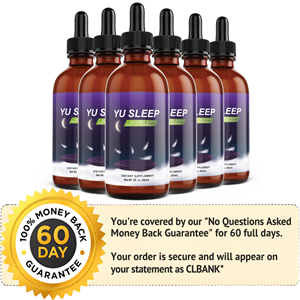
A third party tested sleep supplement has had an outside lab check something, but the scope varies. USP Verified and NSF Certified marks usually confirm identity, strength and contaminant limits. Look up the exact product in the program's database, and treat vague 'lab tested' claims with caution.
If you are shopping for a third party tested sleep supplement, you have probably noticed how many labels say "lab tested" without saying who tested what. The phrase can mean a rigorous outside audit or a single in-house check. It pays to know the difference before you swallow anything nightly.
This guide explains what USP Verified and NSF Certified marks cover, what they do not, and which contamination risks apply to sleep products in particular. It also gives you a checklist for verifying claims. We are an independent publication and have not used any product mentioned here.
- "Third party tested" is not a standard. Ask who tested, what they tested and for which batch.
- USP and NSF programs are among the better-known independent options, and both publish searchable databases.
- Certification checks quality and label accuracy. It does not prove a supplement helps you sleep.
- Always verify a logo in the certifier's own directory.
What "third party tested" actually means
A third party is any organization other than the maker or seller. That could be a commercial lab hired to run one test, or a certification body that audits a factory and tests finished products on a schedule. Both are "third party," but they offer very different assurance.
In the US, supplements are generally not approved by FDA before they are sold. The maker is responsible for safety and accurate labeling, and independent certification is voluntary. That is why outside verification carries weight when you cannot inspect the product yourself.
Questions that expose vague claims
- Who performed the testing, and is the lab named?
- Did they test this exact product, or a similar one?
- What was tested: identity, strength, contaminants, or only one of them?
- Is the result tied to a batch or lot number?
- Can you see the report or certificate?
USP Verified: what the mark covers
USP (the United States Pharmacopeia) is a nonprofit standards organization. Its Verified Mark program generally evaluates whether a supplement contains the ingredients listed on the label in the stated amounts, stays within limits for certain contaminants, breaks down properly so the body can absorb it, and is made under good manufacturing practices.
Programs of this kind typically involve facility review and product testing, not a one-time paper check. Details of the criteria can change, so read the current description on the USP site.
NSF Certified: what the mark covers
NSF is an independent testing and certification organization. Its supplement certification generally checks that the contents match the label, screens for contaminants, and includes manufacturing facility audits. NSF also runs a separate sport-focused program aimed at athletes who must avoid banned substances.
If you see "NSF Certified for Sport," that is a different, more specific mark. It can be reassuring for people subject to drug testing, but it still does not tell you whether a product works. Our page on whether a sleep supplement shows up on a drug test covers that side.
USP vs NSF vs other seals at a glance
| Question | USP Verified | NSF Certified | Vague "lab tested" |
|---|---|---|---|
| Independent organization? | Yes | Yes | Often unclear |
| Checks label accuracy? | Generally yes | Generally yes | Maybe, maybe not |
| Screens contaminants? | Generally yes | Generally yes | Unknown |
| Audits manufacturing? | Generally yes | Generally yes | Rarely stated |
| Public database? | Yes | Yes | Usually no |
| Proves it works? | No | No | No |
Treat this as a general comparison. Each program sets its own criteria, so confirm specifics with the certifier.
Contamination risks in sleep supplements
Sleep products raise a few specific concerns. None of these means a given product is unsafe. They are the reasons verification is worth your time.
- Dose inaccuracy. Published analyses of melatonin products have found amounts that differ from the label, in some cases by a large margin. If you take a small dose on purpose, that matters.
- Heavy metals. Botanical extracts and minerals can carry trace lead, arsenic, cadmium or mercury from soil or processing.
- Microbial contamination. Liquids and plant-based products can support microbial growth if manufacturing or storage is poor.
- Undeclared ingredients. Cross-contact in shared facilities can introduce substances that are not on the label, which matters for allergies.
- Pesticide residues. More relevant for herbal extracts.
The serotonin-related ingredient 5-HTP has also drawn attention in the past for impurity concerns in some products. If a formula includes it, independent testing is a reasonable thing to ask about. See our page on serotonin syndrome symptoms and causes for why unexpected amounts matter.
 Recommended for youSleep Supplement Upset Stomach and Nausea: Causes and Fixes
How to verify a certification in five steps
- Find the exact product name, form and brand on the label or official page.
- Open the USP or NSF online directory directly, not through a link on the seller's page.
- Search by brand and product. Confirm the listing matches the product you are buying, including its form (liquid, capsule, gummy).
- Check that the listing is current. Certifications can lapse or apply only to certain products from a brand.
- If you cannot find it, email the company for the certificate and a lot-specific report, then confirm with the certifier.
See the details, current pricing and who it suits.
Check current optionsAffiliate link: we may earn a commission at no extra cost to you.What certification cannot tell you
A certified product still may not help you sleep. Verification speaks to quality and label accuracy, not effectiveness. It also does not tell you whether an ingredient is right for your health conditions or medicines.
Certified products can still cause side effects, such as stomach upset, headache or next-day grogginess. Our pages on headaches after sleep supplements and upset stomach and nausea cover practical steps. If you want a view on effectiveness, see what the evidence supports for YU Sleep.
Applying this to Yu Sleep
The official sales page describes Yu Sleep as an all-natural, nano-enhanced liquid. It lists ten ingredients, including melatonin at 0.9 mg per serving, 5-HTP, magnesium glycinate, apigenin, lemon balm extract, L-theanine and GABA. The page text we reviewed did not mention USP or NSF certification or any named independent lab, and it did not show a full supplement facts panel.
That does not mean the product is or is not tested. It means we could not confirm it from the text we saw, and the page may include more below. Before buying, check the full page, search the USP and NSF directories, and ask the seller for documentation. The page advertises a 60-day guarantee; read the full terms on the official page, since this guide cannot confirm them. Prices may change, so confirm on the official page and see buying YU Sleep: price, where to buy and refunds for context.
Questions worth sending the seller
- Is the finished product tested by an independent lab, and can you share the report?
- Does testing cover melatonin content against the label?
- Are heavy metals, microbes and pesticide residues screened?
- Is the testing tied to lot numbers, and where do I find mine?
- Where is it manufactured, and is the facility audited?
Because the page names no company or support contact in the text we reviewed, note whether you can actually reach someone. A seller you cannot contact is a risk in itself.
Safety checks that matter more than a logo
Quality testing addresses what is in the bottle. It does not address whether it suits you. Talk with a doctor or pharmacist before starting, especially if you take prescription medicines, are pregnant or breastfeeding, have a medical condition, or face surgery. Our checklist for talking to your doctor can help you prepare.
- Magnesium can interact with some medicines: see magnesium and medication interactions.
- Check totals if you stack products: taking YU Sleep with other supplements or melatonin.
- Stop and seek care for hives, swelling or trouble breathing: allergic reaction warning signs.
- Check next-morning alertness before driving: driving and sleep supplements.
Persistent sleep trouble can signal an underlying issue. See when to see a doctor about sleep problems, and consider free habits first through sleeping better without buying anything.
Next steps
Start by choosing what you want to verify, then check the directory, not the logo. For the wider picture, read the pillar on YU Sleep safety, side effects and practical questions. If you are weighing this product specifically, our page on whether YU SLEEP is right for you sets out the details, including the downsides.
You can also compare formats in sleep aid types compared, or see how options stack up in YU Sleep vs alternatives.
Frequently asked questions
What does third party tested mean for a sleep supplement?
It means an organization outside the manufacturer examined the product or its manufacturing. What was checked differs widely. Some programs verify label accuracy and contaminant limits, while others test one ingredient or one batch. Ask for the certificate or report and confirm it covers the exact product you are buying.
What is the difference between USP Verified and NSF Certified?
Both are independent programs that evaluate supplements for label accuracy, contaminant limits and manufacturing quality. They use different standards and logos, and each keeps its own public database. Neither one says a product works or is right for you. Check the specific product listing rather than the brand name.
Are sleep supplements with melatonin tested for accuracy?
Not necessarily. Published analyses of melatonin products sold in the US have found amounts that differ from the label, sometimes by a wide margin. Independent verification helps because it checks the dose against the label. Without it, the actual amount is unknown to you.
Can a supplement be contaminated even if it says natural?
Yes. Natural describes the source, not the testing. Botanical ingredients can carry heavy metals, pesticides or microbes, and any product can pick up cross-contamination in manufacturing. Independent testing is the practical way to reduce that uncertainty, though it cannot remove it entirely.
Does Yu Sleep have USP or NSF certification?
The official page text we reviewed did not mention USP or NSF certification, and the fact sheet we work from does not either. Check the full page and the USP and NSF databases yourself, and ask the seller directly for any testing documents before buying.
How do I check if a supplement is really USP Verified or NSF Certified?
Do not rely on a logo alone. Search the product name in the USP or NSF online directory, and confirm the exact product, form and brand appear. If you cannot find it, ask the company for the certificate and verify it with the certifier.
Is third party testing required by law?
In the US, supplement makers are generally responsible for the safety and labeling of their products, and FDA does not approve supplements before sale. Independent certification is voluntary. Confirm current rules with FDA resources, since regulations can change.
Keep reading
 Headache After Taking Sleep Supplements: Causes and What to DoHeadache after taking a sleep supplement? Learn common causes, from melatonin headache to 5-HTP, wh…
 Sleep Supplement Allergic Reaction: Warning Signs and What to DoSleep supplement allergic reaction guide: hives, swelling and breathing signs, when to call 911, ho…
 Taking Too Much YU Sleep: Overdose Signs and What to DoTook too much melatonin or an extra dose of sleep drops? Learn what happens, overdose symptoms to w…