- Why a sleep supplement might cause a headache
- Melatonin headache: what is known
- 5-HTP headache: why it deserves extra care
- Sleep aid morning headache: other causes to rule out
- A step-by-step way to find the cause
- What to do right now if you have a headache
- If you take Yu Sleep: what the official page says
- Who should be extra careful
A headache after taking a sleep supplement can come from the ingredient, the dose, timing, dehydration, poor sleep itself, or an interaction. Pause the product, note timing and ingredients, and see a doctor promptly for severe, sudden or unusual headaches or other worrying symptoms.
A headache after taking a sleep supplement is common enough to be worth taking seriously, but rarely easy to pin on one cause. The supplement may be responsible. So may the dose, the timing, a poor night of sleep, or something else in your routine.
This guide covers the usual suspects, including melatonin headache, a sleep aid morning headache, and 5-HTP headache. It also gives you a way to sort them out and know when to stop and call a professional. It is general information, not medical advice.
We have not used any product mentioned here, and we do not invent reviews. Where we mention Yu Sleep, we describe only what its official page states.
- Headache is a reported side effect of both melatonin and 5-HTP, but it can also come from poor sleep, dehydration, or an underlying sleep disorder.
- Change one thing at a time and keep a short log, so you can tell what is responsible.
- Sudden, severe or unusual headaches, or headaches with other symptoms, need prompt medical care.
- Check with a doctor or pharmacist if you take prescription medication, especially antidepressants.
Why a sleep supplement might cause a headache
Most sleep supplements act on the brain's sleep and wake signals, or on calming pathways. Headache is a nonspecific symptom, so it shows up as a reported side effect for many of them. That does not prove the supplement caused yours.
Several broad mechanisms are plausible:
- The ingredient itself. Some people are simply sensitive to melatonin, 5-HTP, or a herbal extract.
- The dose. More is not better. Higher amounts tend to bring more side effects and little added benefit for many people.
- Timing. Taking something too late, or too close to your wake time, can leave you groggy or headachy.
- Stacking. Combining several products that act on similar pathways raises the odds of side effects.
- Product quality. Supplements are not reviewed like medicines, and contents can differ from the label.
Melatonin headache: what is known
Headache is among the more commonly listed side effects of melatonin, alongside dizziness, nausea and daytime sleepiness. Public health sources generally describe short-term use as having a low risk of serious harm for most healthy adults, but they also note that research on long-term use is limited.
Melatonin is a timing signal more than a sedative. If you take it at the wrong time, or in a large amount, your body clock may shift or your sleep may fragment. A morning headache can follow.
Things to check with melatonin
- How much you took, and whether you also took it from another product (some multi-ingredient formulas include it).
- How long before bed you took it.
- Whether you woke early or had vivid dreams, which can hint at poor sleep continuity.
- Whether you take blood thinners, blood pressure drugs, seizure medication, or diabetes medication. Melatonin may interact with several of these, so ask a pharmacist.
For more background, see our guide on long-term melatonin safety, tolerance and myths.
5-HTP headache: why it deserves extra care
5-HTP is a precursor to serotonin. Reported side effects include nausea, digestive upset, drowsiness and headache. Because it raises serotonin activity, it can interact with antidepressants, certain migraine medications, some cough suppressants, and other serotonergic substances.
That is why a headache after 5-HTP is not something to brush off if you take any of those. Too much serotonin activity can, in rare cases, lead to serotonin syndrome, a medical emergency. Warning signs include agitation, fast heartbeat, heavy sweating, tremor, muscle stiffness, fever and confusion.
Sleep aid morning headache: other causes to rule out
Sometimes the supplement is a bystander. A morning headache is also associated with several non-supplement factors, and a few of them are the very reason people reach for sleep aids.
| Possible cause | Clues | What to do |
|---|---|---|
| Too little or broken sleep | Headache on short or restless nights, with or without a supplement | Track sleep length for a week |
| Dehydration | Dry mouth, dark urine, headache improves with water | Drink water earlier in the evening and on waking |
| Alcohol or late caffeine | Headache follows evenings with either | Cut both for a week and compare |
| Sleep apnea | Loud snoring, gasping, daytime sleepiness, headaches mostly on waking | Ask a doctor about a sleep evaluation |
| Teeth grinding | Jaw soreness, headache at the temples | Ask a dentist |
| Medication overuse | Frequent painkiller use for headaches | Review with a clinician |
| Migraine or tension-type headache | Familiar pattern, light sensitivity, nausea | Discuss with a doctor |
Sleep apnea matters because sleep aids can sometimes make breathing problems worse for certain people. If your partner reports pauses in your breathing, raise it with a doctor rather than adjusting supplements.
A step-by-step way to find the cause
You need a simple, boring experiment. The aim is to change one variable at a time.
- Stop and note the date. Pause the supplement, unless a doctor has told you to keep taking it. Do not stop any prescription medicine on your own.
- Keep a log for 7 to 14 days. Record bedtime, wake time, headache (yes or no, and severity), water, caffeine, alcohol and any other medication.
- Read the label. List every active ingredient and check for overlap with other products you take, such as a multivitamin or a daytime supplement.
- See if headaches fade. If they clear without the supplement, that points toward it. It is still not proof.
- Retry carefully, only if appropriate. With a clinician's agreement, you might try a lower amount or earlier timing. Change only one thing.
- Stop for good if the headache returns. A repeat on re-exposure is a strong signal this product is not right for you.
What to do right now if you have a headache
- Drink water and eat something light if you have not eaten.
- Rest in a dark, quiet room.
- If you normally take an over-the-counter pain reliever without trouble, follow the label. Check with a pharmacist if you take other medications.
- Skip tonight's dose until you understand what is going on.
- Do not add another sleep aid to compensate.
If you also feel unwell in your stomach, our page on sleep supplement upset stomach and nausea covers overlapping causes.
See the details, current pricing and who it suits.
Check current optionsAffiliate link: we may earn a commission at no extra cost to you. Recommended for youSleep Supplement Upset Stomach and Nausea: Causes and Fixes
If you take Yu Sleep: what the official page says
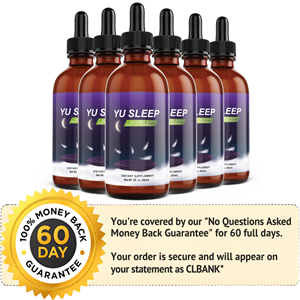
Yu Sleep is a liquid taken by dropper. The official page directs "2 droppers of Yu Sleep 30 minutes before bed." It lists ten ingredients: Red Tart Cherry Extract, 5-HTP, Vitamin B6, Vitamin B2, Magnesium Glycinate, Apigenin, Lemon Balm Extract, L-Theanine, Melatonin and GABA.
The only amount the page gives is 0.9 mg of melatonin per serving. We did not see doses for the other ingredients in the text we reviewed, and we did not see a full supplement facts panel. Check the full page and label.
That matters for headaches, because a blend gives you several possible culprits, and 5-HTP and melatonin both appear on the list. If you get a headache, you cannot easily tell which ingredient is involved. We have not used this product, and we cannot say how likely a headache is. The official page does not, in the text we saw, state who should avoid it, so rely on general cautions and professional advice.
For a closer look at the formula, see what's inside Yu Sleep, and for broader safety questions, the Yu Sleep safety, side effects and practical questions hub. If you are deciding whether it suits you, our Yu Sleep recommendation page sets out who it may and may not fit.
Questions about dose and refunds
If headaches began after a larger-than-directed dose, read taking too much Yu Sleep: signs and what to do. If you are considering stopping, see when and how to stop taking Yu Sleep. The page advertises a 60-day guarantee, but we did not see its terms, so read them on the official site. Our guide to the guarantee, returns and cancellation explains what to confirm.
Who should be extra careful
Talk to a doctor or pharmacist before using a multi-ingredient sleep supplement, or before continuing after a headache, if any of these apply:
- You take antidepressants, migraine medication, or other drugs that affect serotonin.
- You take blood thinners, blood pressure medication, diabetes medication, or seizure medication.
- You use ADHD medication or other stimulants.
- You are pregnant, breastfeeding or trying to conceive.
- You have kidney disease, since magnesium is cleared by the kidneys.
- You have frequent or worsening headaches, or a history of migraine.
Related reading: Yu Sleep and blood pressure medication, Yu Sleep and ADHD medication, and magnesium supplement safety and kidney health. Children should not use these products without medical guidance; see Yu Sleep for children.
When a headache is a red flag
Most supplement-related headaches are mild and pass. A few patterns are not, and they call for urgent help rather than a log.
Allergic reactions to a supplement can begin with milder signs, so see sleep supplement allergic reaction warning signs. For persistent problems, when to see a doctor about sleep problems lists further red flags.
How to lower the odds next time
- Start with the simplest option. A single-ingredient product makes it easier to spot the cause than a blend.
- Use the lowest effective amount and follow label directions.
- Take it at a consistent time and not close to waking.
- Avoid combining sleep aids, alcohol or cannabis. See Yu Sleep with cannabis or CBD.
- Look for third-party testing. Seals such as USP or NSF can help, though they are not a guarantee. Read third-party testing for sleep supplements.
- Fix the basics first. A consistent schedule, a dark room and less late caffeine can help without any product. Try sleeping better without buying anything.
How to raise it with a doctor
Bring your log, the full ingredient list, and the names and doses of all medicines and supplements. Say when the headache starts, how long it lasts and what helps. Our checklist for talking to your doctor about sleep supplements gives you questions to ask.
Next steps
Pause the product, keep a short log, and call a professional if headaches repeat or come with other symptoms. If you are weighing other options, compare formats in sleep aid types compared, and read the safety and side effects pillar for wider context. Before any purchase, use the pre-purchase checklist.
Frequently asked questions
Can melatonin cause a headache the next morning?
Yes, headache is one of the commonly reported side effects of melatonin. Higher doses, taking it too close to waking, or sleep disruption may play a part. If it keeps happening, stop and talk with a doctor or pharmacist about dose and timing.
Can 5-HTP cause headaches?
Headache is listed among reported side effects of 5-HTP. It affects serotonin, so combining it with antidepressants or other serotonergic products can be risky. A severe headache with agitation, fever, sweating or tremor needs urgent medical care.
Why do I wake up with a headache after taking a sleep aid?
Possible causes include the supplement itself, too little or fragmented sleep, dehydration, caffeine or alcohol, snoring or sleep apnea, and medication interactions. Tracking what you took and when helps you and a clinician narrow it down.
Should I stop taking a sleep supplement if it gives me a headache?
For a mild, one-off headache, pausing the product and seeing whether it clears is reasonable. Check with a doctor or pharmacist first if you take prescription medication, are pregnant, or have a health condition. Do not push through repeated headaches.
When is a headache after a sleep supplement an emergency?
Seek urgent care for a sudden severe headache, confusion, fever with stiff neck, weakness, vision or speech changes, fainting, seizure, or signs of serotonin syndrome or an allergic reaction. Do not wait to see if it passes.
Does Yu Sleep contain melatonin and 5-HTP?
The official page lists both among its ten ingredients and states 0.9 mg of melatonin per serving. It gives no doses for the others. We have not used the product, so check the full label and talk with a clinician if you are unsure.
How long should a supplement headache last?
There is no fixed rule. Many mild headaches ease within hours with fluids and rest. If headaches recur on supplement nights or last more than a day or two, stop the product and see a clinician.
Keep reading
 Sleep Supplement Allergic Reaction: Warning Signs and What to DoSleep supplement allergic reaction guide: hives, swelling and breathing signs, when to call 911, ho…
 Taking Too Much YU Sleep: Overdose Signs and What to DoTook too much melatonin or an extra dose of sleep drops? Learn what happens, overdose symptoms to w…
 Can You Take YU Sleep Every Night? Long-Term Use, Tolerance and BreaksCan you take YU Sleep every night? A plain guide to long-term use, tolerance, when to take breaks f…