- When should you stop taking a sleep supplement?
- Do sleep supplements cause dependence?
- What is rebound insomnia?
- How to taper off a sleep supplement, step by step
- Quick stop versus gradual taper
- What to expect in the first two weeks
- Stopping melatonin specifically
- Replacing the supplement with habits that hold
To stop a sleep supplement, pick a calm stretch, then cut back gradually over one to several weeks while keeping a steady sleep schedule. Some people notice a few rough nights afterward. Persistent insomnia, or any prescription sleep medicine, is a reason to talk to a doctor first.
If you want to know how to stop taking a sleep supplement, the short version is: choose a calm stretch of weeks, step down gradually, and keep your sleep habits steady while you do. Most of the difficulty comes from not knowing whether a bad night is a withdrawal effect or just your original sleep problem coming back.
This guide covers when stopping makes sense, how to taper, what rebound insomnia is, and when to get help. It applies to YU Sleep and to similar products, including stopping melatonin. It is general information, not medical advice.
One note on sources: the official YU Sleep page does not give any instructions for stopping, so nothing here is a brand instruction. The guidance below draws on general sleep knowledge.
- Stopping a low-dose supplement is usually uneventful, but some people have a few poor nights.
- A gradual step-down over one to several weeks makes it easier to read what is happening.
- Track sleep in a simple log before, during and after.
- Persistent insomnia, prescription sleep drugs or other medicines are reasons to involve a clinician.
When should you stop taking a sleep supplement?
There is no universal expiry date. Reasons to consider stopping fall into a few groups, and your own reason shapes how carefully you should go.
- You are sleeping well. A stable stretch of good sleep is a natural moment to test whether you still need it.
- No clear benefit. If a fair trial did not change your nights, continuing costs money without payoff.
- Side effects. Grogginess, headaches, stomach upset or vivid dreams are all reasons to pause. See our pages on headaches after sleep supplements and upset stomach and nausea.
- A medical change. New medication, a planned procedure, pregnancy plans or a new diagnosis. Read sleep supplements before surgery if that applies.
- Budget or package end. The page says YU Sleep is sold in minimum 2-month packages, so the end of a package is a practical decision point.
Be wary of one reason: the page says a "full sleep system reset" takes 3 to 6 months of consistent use. That is the seller's claim, and it cites no studies we could check. It should not set your timeline.
Do sleep supplements cause dependence?
Prescription sedative-hypnotics, such as benzodiazepines and "Z-drugs," are known to cause tolerance and rebound effects. Over-the-counter supplements are generally considered a different category, and melatonin is not usually described as habit-forming in the same way. Evidence on long-term use is limited, though, so avoid assuming it is risk-free.
YU Sleep lists ten ingredients, including 0.9 mg melatonin, 5-HTP, L-Theanine, GABA, magnesium glycinate and lemon balm. The page gives no doses except the melatonin. Without full amounts, we cannot say how any single ingredient would behave when stopped. For more on the topic, see long-term melatonin use: tolerance, dependence and myths and taking YU Sleep every night.
What is rebound insomnia?
Rebound insomnia is a temporary worsening of sleep after you stop a sleep aid, sometimes worse than before you started. It is best documented with prescription sedatives. With supplements the evidence is thinner.
It helps to separate three things that feel identical at 2 AM:
- True rebound: a short-lived effect of stopping the substance.
- Relapse: your original sleep problem returning because the cause was never addressed.
- Expectation: worry that you cannot sleep without it, which itself keeps you awake.
You cannot easily tell these apart in the moment. A sleep log over several weeks can help, and so can a doctor.
How to taper off a sleep supplement, step by step
A taper is optional for many people on low-dose products, but it is cheap and lowers the guesswork. For YU Sleep, the page directs 2 droppers 30 minutes before bed. Any reduction below is our general suggestion, not brand guidance.
- Pick a calm window. Avoid travel, big deadlines, shift changes or a new medication. Two to four ordinary weeks is ideal.
- Start a sleep log. For a week before you change anything, note bedtime, wake time, estimated time to fall asleep, night wakings and morning energy.
- Lock in your anchors. Fixed wake time, morning light, early caffeine cutoff and a consistent wind-down. See how to fix your sleep schedule.
- Reduce the dose. For example, move from two droppers to one for several nights.
- Space out nights. Take it only on some nights, then fewer, if one dropper goes well.
- Stop completely. Keep logging for at least two weeks afterward.
- Review. Compare your log with the baseline week.
If a step goes badly, hold at the previous step for a few more nights rather than jumping back to full dose or quitting cold. Moving slowly is fine. There is no prize for speed.
See the details, current pricing and who it suits.
Check current optionsAffiliate link: we may earn a commission at no extra cost to you.Quick stop versus gradual taper
| Approach | Best for | Trade-off |
|---|---|---|
| Stop all at once | Low-dose use, short duration, side effects you want gone | Harder to tell rebound from relapse; a rough few nights are possible |
| Halve the dose, then stop | Most people nightly for weeks or months | Takes one to two extra weeks |
| Fewer nights per week | Habit-driven use, worry about sleeping without it | Longest path; needs a log to stay honest |
| Clinician-guided plan | Prescription sleep drugs, other medicines, long insomnia history | Needs an appointment |
What to expect in the first two weeks
Common experiences include taking longer to fall asleep, lighter sleep, more night waking and some daytime tiredness. These are usually temporary, though how long they last varies. If you also stop other habits at the same time, such as caffeine or alcohol, you will not know what caused what, so change one thing at a time.
The page says most people notice changes within days of starting. That is a claim, not a finding. Do not read it as a reliable pattern for stopping in reverse.
Plan for the bad nights in advance:
- If you are awake for roughly 20 minutes, get up and do something quiet in dim light, then return when sleepy.
- Keep your wake time even after a poor night. Sleeping in tends to prolong the problem.
- Avoid napping late in the day, or keep a nap short and early.
- Skip alcohol as a substitute. It can fragment sleep.
 Recommended for youYU Sleep Safety, Side Effects and Practical Questions
Stopping melatonin specifically
Melatonin is a timing signal rather than a classic sedative, which is one reason many people stop it without trouble. YU Sleep's page states 0.9 mg per serving, a fairly low amount. Our page on melatonin 0.9 mg covers what low doses do.
If you take melatonin from several sources, add them up. A gummy plus a drop product can be well above what you think. Stepping down from a higher total takes more care than stopping a single low dose. Also note that supplement contents can differ from labels; third-party testing explains what to look for.
Replacing the supplement with habits that hold
If the supplement was masking a habit problem, the habit will resurface. The most useful swaps cost nothing, and our guide to sleeping better without buying anything goes deeper.
- Light: get outdoor light soon after waking and dim lights in the evening.
- Caffeine: set a cutoff; see caffeine cutoff time.
- Temperature: a cool room helps many people; see best room temperature.
- Wind-down: a warm bath or shower and screens off before bed.
- CBT-I: cognitive behavioral therapy for insomnia is widely recommended as a first-line treatment for chronic insomnia and is worth asking about.
If you are still deciding whether to continue at all, our YU SLEEP fit and verdict page lays out who it may suit, and the downsides to weigh.
When to see a doctor
Get professional input if any of these fit:
- Poor sleep three or more nights a week for over a month, before or after stopping.
- Loud snoring, gasping or pauses in breathing, which can signal sleep apnea.
- Strong daytime sleepiness, especially while driving. See driving and sleep supplements.
- Low mood, anxiety or racing thoughts that are worsening.
- Restless legs, unusual movements or acting out dreams.
- You were using a supplement alongside a prescription sedative.
Our checklist on when to see a doctor about sleep problems has more red flags, and how to talk to your doctor helps you prepare. Bring your sleep log and the full ingredient list, since the official page lists ten ingredients but no full dose panel we could see.
Buying and stopping: a practical note
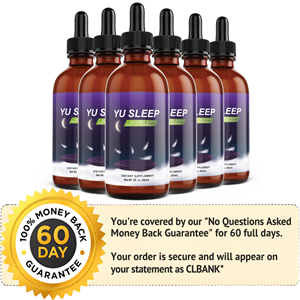
The page sells minimum 2-month packages, with larger packages priced lower per unit. If you are unsure you will want to continue, that pushes you to commit before you know. The page advertises a 60-day guarantee, but we found no terms in the text we reviewed, so read them in full before buying. Confirm prices and shipping on the official page; our buying guide covers the details.
A sensible approach is to decide your stopping plan before you start, such as a review date and what result would count as "working." That keeps the choice to stop in your hands, not the package's end date.
Next steps
Start your sleep log this week, then choose your taper window. For broader safety questions, head to the YU Sleep safety and practical questions pillar. If you are thinking about whether to keep going, read long-term use, tolerance and breaks, or compare options in YU Sleep vs alternatives.
Frequently asked questions
Do you have to taper off melatonin?
Usually not for low doses. Melatonin is not generally described as causing the kind of dependence seen with some prescription sleep drugs. Still, some people sleep poorly for a few nights after stopping, so a gradual step-down is a reasonable, low-cost way to find out how you do. Ask a doctor if you have a medical condition or take other medicines.
What is rebound insomnia after stopping a sleep aid?
Rebound insomnia is a temporary return of sleep trouble, sometimes worse than before, after you stop a sleep aid. It is best documented with prescription sedatives. With supplements, evidence is thinner, but poor nights after stopping can also come from the original problem simply returning. It often settles within days to a couple of weeks.
When should I stop taking a sleep supplement?
Common reasons include sleeping well for a stretch, side effects, a new medication or surgery, pregnancy plans, or no clear benefit after a fair trial. The page for YU Sleep claims a 3 to 6 month reset, which is a marketing claim. Decide with your own sleep log and, if needed, a clinician.
How long does rebound insomnia last?
There is no single timeline. Many people find sleep is bumpy for a few nights to roughly two weeks, then settles. If poor sleep lasts beyond a few weeks, happens three or more nights a week, or affects daytime function, it is worth seeing a doctor, since an underlying cause may need attention.
Can I just stop YU Sleep suddenly?
The official page we reviewed does not give stopping instructions. Because it contains 0.9 mg of melatonin plus several other ingredients, stopping abruptly is not known to be dangerous for most healthy adults, but a step-down is gentler. Check with a doctor if you take medications or have a health condition.
Should I stop sleep supplements before surgery?
Often yes, but timing depends on the supplement, the procedure and your medicines. Tell your surgical and anesthesia team about everything you take, including drops and melatonin, and ask them for specific dates rather than guessing.
What can I do instead of a sleep aid when I stop?
Keep a fixed wake time, get morning light, cut caffeine early, keep the room cool and dark, and use a consistent wind-down routine. For ongoing insomnia, cognitive behavioral therapy for insomnia (CBT-I) is widely recommended as a first-line approach.
Keep reading
 Can You Take YU Sleep Every Night? Long-Term Use, Tolerance and BreaksCan you take YU Sleep every night? A plain guide to long-term use, tolerance, when to take breaks f…
 Is Long-Term Melatonin Use Safe? Tolerance, Dependence and MythsIs long term melatonin use safe? Learn what research says about tolerance, dependence and nightly u…
 How to Talk to Your Doctor About Sleep Supplements: Checklist and QuestionsHow to talk to your doctor about sleep supplements: a visit checklist, questions to ask about any s…