- Why sleep supplements can upset your stomach
- Melatonin nausea: what to know
- Magnesium stomach upset at night
- Other ingredients that may play a part
- What the Yu Sleep page does and doesn't tell you
- Step-by-step: how to troubleshoot nausea from a sleep supplement
- Quick reference: symptom, likely suspect, first move
- Everyday habits that can calm a queasy stomach at bedtime
Sleep supplement nausea usually traces to dose, timing, an empty stomach, or a specific ingredient such as magnesium or melatonin. Try taking it with a light snack, lowering the amount with your clinician's input, and changing one variable at a time. Severe or persistent symptoms need medical advice.
Sleep supplement nausea is one of the most common reasons people quit a bedtime routine. A product that was meant to help you wind down instead leaves you queasy, crampy or lying awake with a churning stomach. The cause is often fixable once you know what to look at.
This guide covers why a sleep supplement upset stomach happens, what melatonin nausea and magnesium stomach upset at night usually look like, and how to troubleshoot one variable at a time. It is general information, not medical advice, and it cannot diagnose why you feel unwell.
We are an independent publication. We have not used any product mentioned here, and where we discuss Yu Sleep we rely only on what its official page states.
- Most mild nausea links to dose, timing, an empty stomach, or a single ingredient.
- Change one thing at a time so you can tell what actually helped.
- Melatonin and magnesium are both known to cause stomach effects in some people.
- Severe, persistent or allergic-type symptoms need prompt medical advice.
Why sleep supplements can upset your stomach
Sleep products are rarely a single substance. Many combine melatonin, minerals, amino acids and plant extracts, and each one can affect digestion differently. The more ingredients involved, the harder it is to pin down the culprit.
Several general factors tend to show up:
- Empty stomach. Concentrated ingredients can irritate when nothing else is in your stomach.
- Amount. Higher amounts raise the odds of side effects for most supplements.
- Specific ingredients. Some, like magnesium, act directly on the gut.
- Stacking. A multi-ingredient formula plus a separate melatonin or magnesium pill can double up.
- Taste and format. Liquids with strong flavors can trigger queasiness in sensitive people.
- Unrelated causes. A late meal, alcohol, reflux, a stomach bug or another medication may be the real trigger.
That last point matters. Timing a symptom to a supplement does not prove the supplement caused it, so keep an open mind while you investigate.
Melatonin nausea: what to know
Nausea appears among the side effects commonly reported for melatonin, alongside headache, dizziness and daytime sleepiness. Public health references describe these effects as generally mild, but they are real for the people who get them. Reactions vary a lot between individuals.
Amount can matter. Products on the market range widely, and some people feel better on less. If you take melatonin separately and also use a formula that contains it, you may be getting more than you realize.
Our guide to long-term melatonin safety covers the wider questions about tolerance and myths. If you are weighing single-ingredient against multi-ingredient products, see whether a sleep supplement is better than melatonin alone.
Magnesium stomach upset at night
Magnesium is well known for its effect on the bowel. Some forms pull water into the intestine, which can cause cramping, loose stools or nausea, particularly at higher amounts. Forms differ, and magnesium glycinate is often described as easier on the stomach than some others, though it can still bother certain people.
Evening timing adds a wrinkle. Cramps or an urgent bathroom trip at 2 AM can wreck sleep as badly as the problem you were treating. If that sounds familiar, magnesium is a reasonable first suspect.
Remember that magnesium also comes from multivitamins, antacids and laxatives, so your total intake may be higher than the sleep product suggests. Our pages on magnesium upper limits and kidney health and magnesium and medication interactions explain why that total and the timing matter.
Other ingredients that may play a part
Formulas that blend several ingredients give you more possible triggers. Some ingredients people mention in connection with stomach effects include 5-HTP, lemon balm and the B vitamins, though responses are individual and evidence varies in quality. We would not single out any one without more information about your situation.
For lemon balm specifically, see our page on lemon balm extract for sleep. If 5-HTP is on your label, read about serotonin syndrome symptoms and causes, because nausea combined with agitation, sweating, tremor or fever is a reason to seek urgent help rather than wait it out.
What the Yu Sleep page does and doesn't tell you
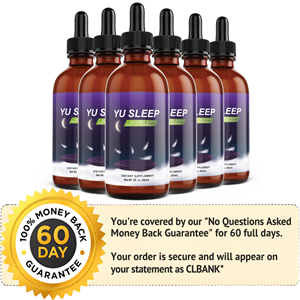
Yu Sleep is a liquid taken by dropper. The official page directs 2 droppers 30 minutes before bed, and lists ten ingredients: red tart cherry extract, 5-HTP, vitamins B6 and B2, magnesium glycinate, apigenin, lemon balm extract, L-theanine, melatonin (0.9 mg per serving, the only dose given), and GABA.
In the text we reviewed, we did not find a side-effect list, a full supplement facts panel or guidance on who should avoid it. The text may be incomplete, so check the full page and any label before ordering. We also did not see a disclaimer in the text we reviewed; check the full page footer.
Two ingredients on that list, melatonin and magnesium, are the ones discussed above as known stomach irritants for some people. That does not mean the product will upset your stomach. It means you have a sensible place to start if it does. Our breakdown of what's inside Yu Sleep goes through the list, and the safety and side effects pillar covers broader questions.
See the details, current pricing and who it suits.
Check current optionsAffiliate link: we may earn a commission at no extra cost to you.Step-by-step: how to troubleshoot nausea from a sleep supplement
The aim is to learn what is causing the problem without guessing. Work through these steps in order and give each change a few nights before judging it.
- Pause and note. Stop the product for a night or two if symptoms are more than mild. Write down what you took, when, and what you ate that day.
- Check for severe signs. If you have any red flags (see below), stop and seek medical advice rather than troubleshooting.
- Add up everything. List every supplement and medicine, including magnesium, melatonin, antacids and multivitamins. Look for overlap.
- Try a light snack. A few bites of something bland, such as a banana or plain crackers, may cushion your stomach. Avoid heavy, fatty or spicy food close to bed.
- Adjust timing. Take it at the time the label directs, not later. Taking it right before lying flat can worsen reflux-type queasiness for some people.
- Consider the amount. If the label allows flexibility, ask a pharmacist or doctor whether a lower amount is appropriate. Do not exceed label directions.
- Change one variable at a time. Food, then timing, then amount. Changing everything at once hides the answer.
- Decide. If nothing helps within a couple of weeks, the product may simply not suit you. Stopping is a legitimate result.
 Recommended for youHeadache After Taking Sleep Supplements: Causes and What to Do
Quick reference: symptom, likely suspect, first move
| What you notice | Possible contributor | First thing to try |
|---|---|---|
| Queasy within an hour of taking it | Empty stomach, strong taste, melatonin | Light snack; confirm label directions |
| Cramping or loose stools overnight | Magnesium, stacked magnesium sources | Add up total magnesium; ask about timing or amount |
| Heartburn when lying down | Reflux, late meal, timing | Leave a gap between food and bed; stay upright a while |
| Nausea plus headache or dizziness | Melatonin or general sensitivity | Pause; see our headache guide |
| Nausea with agitation, sweating, tremor | Possible serotonin-related reaction | Seek urgent medical help |
| Rash, swelling, trouble breathing | Possible allergic reaction | Emergency care; see our allergic reaction guide |
Everyday habits that can calm a queasy stomach at bedtime
Sometimes the supplement is only part of the picture. A few ordinary habits can reduce nighttime stomach trouble regardless of what you take.
- Finish large meals a few hours before bed.
- Limit alcohol and caffeine late in the day, since both can irritate the stomach and disturb sleep.
- Sip water rather than gulping it, especially with liquids or capsules.
- Stay upright for a short while after taking a supplement.
- Keep a simple log of symptoms, doses and meals for a week.
The Yu Sleep page offers a bonus guide on bedtime snacks and drinks to avoid, but only with its 3-month and 6-month packages. We have not seen it and cannot judge its quality. Our pages on sleeping better without buying anything and bedroom setup offer free alternatives.
Choosing a different format if your stomach is sensitive
Drops, gummies, capsules and powders each have tradeoffs. Liquids may taste strong, gummies often contain sugar or flavorings, and capsules can sit heavily for some people. No format is universally gentler, so match it to what bothers you.
If taste or texture seems to be the trigger, a different format might help. If a particular ingredient is the trigger, switching format will not fix it. Our comparison of sleep aid types and Yu Sleep versus alternatives can help you weigh options.
When nausea is a reason to see a doctor
Mild, short-lived queasiness is common. Some symptoms are not, and should not be managed at home.
- Vomiting that does not settle or stops you keeping fluids down
- Severe or worsening abdominal pain
- Black, tarry or bloody stools, or vomit that looks like coffee grounds
- Swelling of the face, lips or tongue, hives, or trouble breathing
- Confusion, fainting, fast heartbeat, fever or severe agitation
- Symptoms that persist for more than a week or two after stopping
Also speak to a clinician before using sleep supplements if you are pregnant, breastfeeding, have kidney, liver or stomach conditions, or take regular medicines. See who should talk to a doctor first and our checklist for talking to your doctor. For ongoing sleep trouble, red flags and warning signs are worth reading.
Before you buy or keep going: weigh the downsides
If you are considering Yu Sleep and already have a sensitive stomach, think about the practical side. The page says it sells only minimum 2-month packages, not smaller ones, so you cannot try a single bottle. It advertises a 60-day guarantee, but the text we reviewed gave no terms, so read the full terms on the official page before buying.
Prices on the page may change, and shipping may apply; check at checkout. Our buying guide covers price and refunds, and our recommendation page helps you decide whether it is a fit. For use details, see how to use Yu Sleep drops.
Next steps
Start with the troubleshooting steps above, keep a short log, and involve a pharmacist or doctor if symptoms continue. If you decide to stop, read when and how to stop taking Yu Sleep. For the wider picture, return to the safety, side effects and practical questions pillar.
Frequently asked questions
Why do sleep supplements make me nauseous?
Common reasons include taking them on an empty stomach, a dose your body tolerates poorly, magnesium's effect on the gut, melatonin's side effects, or stacking several products. Liquids can also taste strong. Change one factor at a time and ask a clinician if symptoms continue.
Can melatonin cause nausea?
Yes. Nausea is listed among melatonin's reported side effects, along with headache and dizziness. It is not universal, and it tends to depend on the person and the amount. If it keeps happening, talk to a pharmacist or doctor about whether melatonin suits you.
Why does magnesium upset my stomach at night?
Magnesium can draw water into the bowel and cause cramping or loose stools, especially at higher amounts or in certain forms. Glycinate is often described as gentler than some other forms, but it can still bother some people. Taking it with food may help.
Should I take a sleep supplement with food?
A small, light snack can reduce stomach irritation for some people. Heavy or spicy late meals can disturb sleep themselves, so keep it modest. Check the label or ask a pharmacist, since directions differ by product.
Does Yu Sleep cause nausea?
We cannot say. The official page we reviewed did not give a side-effect list in the text available to us. It lists ingredients, including melatonin at 0.9 mg and magnesium glycinate, that are known to bother some people's stomachs. Check the full page and ask a clinician.
When should I stop a sleep supplement because of stomach symptoms?
Stop and seek medical advice if you have vomiting that won't settle, severe pain, black or bloody stools, swelling of the face or lips, trouble breathing, or confusion. Mild queasiness that fades is less urgent but still worth tracking and discussing.
Keep reading
 Sleep Supplement Allergic Reaction: Warning Signs and What to DoSleep supplement allergic reaction guide: hives, swelling and breathing signs, when to call 911, ho…
 Taking Too Much YU Sleep: Overdose Signs and What to DoTook too much melatonin or an extra dose of sleep drops? Learn what happens, overdose symptoms to w…
 Can You Take YU Sleep Every Night? Long-Term Use, Tolerance and BreaksCan you take YU Sleep every night? A plain guide to long-term use, tolerance, when to take breaks f…