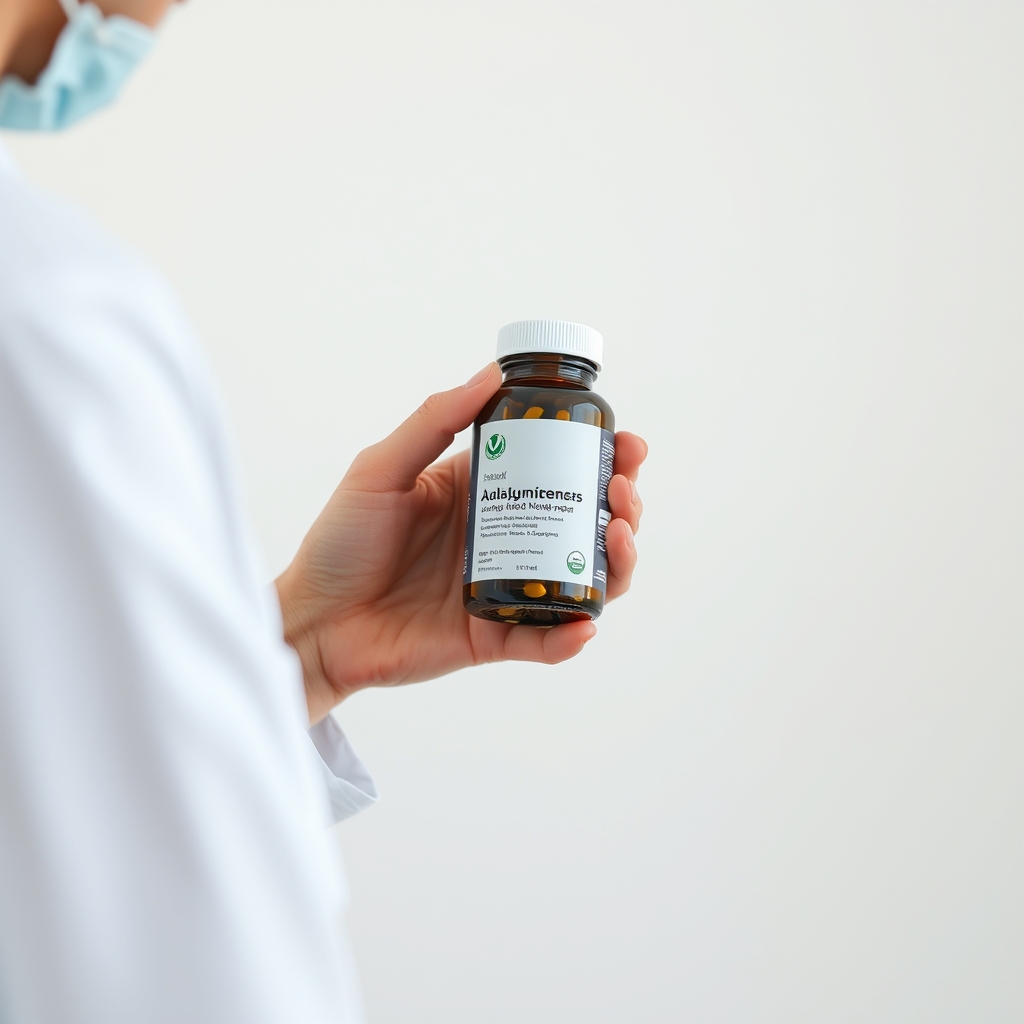
- Why You Should Tell Your Doctor About Supplements
- Sleep Supplement Doctor Visit Checklist
- What to Say: A Simple Script
- Questions to Ask Your Doctor About a Sleep Aid
- Example: Bringing a Multi-Ingredient Formula
- Ingredients and Situations Worth Flagging
- When a Doctor Visit Should Come First
- If the Conversation Does Not Go Well
Bring the full label, a list of everything you take, and a short sleep log. Ask about interactions, your health conditions, dose, timing, and when to stop. Tell your doctor about every supplement, including melatonin, and ask what would signal a different cause for your sleep trouble.
If you take or are thinking about taking a sleep aid, a short conversation with a clinician can prevent problems and save money. This guide shows you how to talk to your doctor about sleep supplements, what to bring, and which questions are worth asking.
Many people skip the topic because supplements feel "natural" or minor. But sleep products can contain active ingredients that interact with medications or conditions. A prepared, five-minute conversation is more useful than a vague one.
We write for readers weighing products like Yu Sleep, so we use it as an example where the official page gives facts. We have not used it, and nothing here replaces personal medical advice.
- Tell your doctor about every supplement, not only the ones you consider serious.
- Bring the full label, a medication list and a short sleep log.
- Ask about interactions, your conditions, dose, timing, duration and stopping.
- Ask whether your sleep problem needs a workup rather than a product.
Why You Should Tell Your Doctor About Supplements
Supplements are not risk-free just because they are sold without a prescription. Ingredients such as melatonin, 5-HTP, magnesium and herbal extracts can affect how other drugs work or add to their effects. Your doctor can only check for those overlaps if they know what you take.
Supplements also matter for procedures, pregnancy and breastfeeding, kidney or liver conditions, and driving safety. Quality varies between products, which is another reason to ask. See our guide to third-party testing for sleep supplements for what independent seals do and do not tell you.
Disclosure is also about the full picture of your sleep. If you are reaching for a product, something is bothering your nights, and that is worth discussing in itself.
Sleep Supplement Doctor Visit Checklist
Use this list before the appointment. Gather it a few days ahead so you are not rushing.
- The product or a clear photo of the whole label, including ingredients and any warnings.
- A list of everything else you take: prescriptions, over-the-counter drugs, vitamins, herbs, cannabis or CBD, and alcohol habits.
- Your health history: kidney, liver, heart, seizure, diabetes, mood or hormone conditions, and any allergies.
- Two weeks of sleep notes: bedtime, wake time, night wakings, caffeine, and daytime sleepiness. Our free sleep diary template works for this.
- What you have already tried, such as routine changes, and whether they helped.
- Your questions, written down, ranked by importance in case time runs short.
- Special situations: pregnancy, breastfeeding, upcoming surgery, or jobs that involve driving or safety-critical work.
What to Say: A Simple Script
You do not need medical vocabulary. Plain, specific statements work best.
"I've been having trouble staying asleep and I'm considering a supplement. It contains melatonin and several plant extracts. Here's the label. Can we check it against my medications and conditions?"
If you already take something, say so directly: what it is, how much, how often, and for how long. Mention anything that changed since you started, such as headaches, stomach upset, vivid dreams or morning grogginess.
Questions to Ask Your Doctor About a Sleep Aid
Safety and interactions
- Could any ingredient interact with my prescriptions or other supplements?
- Does my health history make any ingredient a poor choice?
- Should a pharmacist also review the ingredient list?
Dose, timing and duration
- What dose and timing, if any, make sense for me?
- How long should I try it before deciding whether it helps?
- Is nightly use reasonable, or should I plan breaks? Our page on taking YU Sleep every night covers this question in general terms.
Side effects and stopping
- Which side effects should make me stop and call you?
- How should I stop, and could sleep get worse for a few nights?
- Is it safe to drive the morning after? See next-morning alertness and safety.
The bigger picture
- Could something else, such as sleep apnea, restless legs, pain, anxiety, a medication effect or a schedule problem, explain my sleep?
- Do I need a sleep study or other testing?
- What non-supplement changes would you try first?
Example: Bringing a Multi-Ingredient Formula
Blends are harder to assess than single ingredients. Yu Sleep's official page lists ten ingredients: red tart cherry extract, 5-HTP, vitamins B6 and B2, magnesium glycinate, apigenin, lemon balm extract, L-theanine, melatonin and GABA. The only dose we saw on the page is 0.9 mg of melatonin per serving.
We did not see a full supplement facts panel in the text we reviewed, so check the full page and the bottle itself. Take whatever the label shows to your appointment. If amounts are missing, that is a fair thing to raise with your doctor and with the seller.
The page directs 2 droppers 30 minutes before bed. Tell your doctor that directions rather than guessing at what you would take. For more on the ingredients, see what's inside YU Sleep.
See the details, current pricing and who it suits.
Check current optionsAffiliate link: we may earn a commission at no extra cost to you. Recommended for youYU Sleep Safety, Side Effects and Practical Questions
Ingredients and Situations Worth Flagging
Some topics deserve extra attention. This is general information, not a complete list.
| If this applies to you | Why to mention it | Related reading |
|---|---|---|
| You take antidepressants or other serotonin-affecting drugs | Some ingredients, such as 5-HTP, act on serotonin pathways; ask about combined effects | Serotonin syndrome |
| You take antibiotics, diuretics or have kidney concerns | Magnesium can affect absorption of some drugs and is handled by the kidneys | Magnesium interactions, upper limits |
| You use ADHD medication or stimulants | Timing and sleep effects of both may interact | ADHD medication questions |
| You have diabetes | Ask whether any ingredient or timing matters for blood sugar medicines | Diabetes cautions |
| You use hormonal birth control or therapy | Melatonin and hormones can overlap in effect; ask | Hormone check |
| You have a seizure disorder | Ask before starting any new sleep-active ingredient | Seizure disorders |
| You use cannabis, CBD or alcohol | Sedating effects may combine | Cannabis and CBD |
| You are breastfeeding or pregnant | Safety data are limited for many ingredients | Breastfeeding |
If you are planning a procedure, tell the care team early. We cover timing in sleep supplements before surgery.
When a Doctor Visit Should Come First
Sometimes the right question is not "which supplement?" but "why am I not sleeping?" Seek care sooner if you notice loud snoring or gasping, severe daytime sleepiness, falling asleep while driving, leg discomfort at night, new mood changes, or sleep trouble lasting weeks. Those signs can point to conditions that need a diagnosis.
Our guide on when to see a doctor about sleep problems lists red flags in more detail. If you experience a possible allergic reaction or symptoms like agitation, fever, or rapid heartbeat after a new supplement, seek urgent help. See allergic reaction warning signs.
If the Conversation Does Not Go Well
Some clinicians have little time or limited knowledge of supplements. You can ask for specifics: "Which ingredient concerns you, and why?" or "Is there a particular interaction I should watch for?" A pharmacist is another good resource for interaction checks.
If you feel dismissed, ask whether a referral to a sleep specialist makes sense, or consider a second opinion. Keep your own record of what was said and any follow-up steps agreed on.
After the Visit: Turn Advice Into a Plan
- Write down what your doctor said about dose, timing and duration.
- Note any ingredients or medications flagged, and the reason.
- Set a review date, such as two to four weeks, to judge whether sleep notes have improved.
- Know your stop signals and who to call.
- Before buying, confirm price, shipping and guarantee terms on the official page, because they can change. Our pre-purchase checklist helps, and the guarantee guide explains what to verify. The page advertises a 60-day guarantee but we did not see terms in the text we reviewed.
If you want a neutral view of fit, our page on whether YU SLEEP is right for you sets out the considerations, including downsides.
Next steps
Start with the checklist, book the visit, and bring your label. For broader safety topics, read YU Sleep safety, side effects and practical questions and who should talk to a doctor first.
If you want to try habits before products, see sleep better without buying anything, and ask your doctor which changes fit your situation.
Frequently asked questions
Should I tell my doctor about the supplements I take?
Yes. Supplements can interact with prescriptions, affect conditions, and matter before procedures. Doctors can only check for problems they know about. Include vitamins, herbs, drops, gummies, teas and anything labeled natural, plus how much and how often you take each one.
What should I bring to a doctor visit about a sleep aid?
Bring the product or a photo of the full label, a list of all medications and supplements with doses, and one to two weeks of sleep notes. Also bring your questions written down. If the label is incomplete, say so and ask how to weigh that.
What questions should I ask my doctor about a sleep aid?
Ask whether it is safe with your medications and health conditions, what dose and timing make sense, how long to try it, which side effects to watch for, when to stop, and whether an underlying sleep problem should be checked.
Will my doctor judge me for taking supplements?
Most clinicians would rather know than not. Asking is routine, and honesty helps them keep you safe. If a visit feels dismissive, you can say you want to understand the risks and ask for specifics, or seek a second opinion.
Do I need to mention melatonin if it is in a blend?
Yes. Many multi-ingredient sleep products contain melatonin, and it is easy to double up with a separate pill. Yu Sleep's page states 0.9 mg of melatonin per serving. Tell your doctor about every melatonin source you use.
Can my doctor tell me if Yu Sleep is safe for me?
A doctor or pharmacist can review the ingredient list against your health history and medications. Yu Sleep's page lists ten ingredients but gives only the melatonin dose, so ask them how to handle the unknown amounts before starting.
When should I see a doctor instead of trying a supplement?
See a doctor if sleep trouble is persistent, you snore loudly or gasp, you feel very sleepy in the day, or you have mood changes or pain. Those can point to causes that supplements will not address.
Keep reading
 When to See a Doctor About Sleep Problems: Red Flags and Warning SignsWhen to see a doctor about sleep problems: red flags, warning signs, how long insomnia is too long,…
 Sleep Supplements and Medications: Who Should Talk to a Doctor FirstSleep supplement drug interactions explained: who should check with a doctor first, with notes on a…
 Sleep Supplements Before Surgery: When to Stop and What to Tell Your Care TeamSleep supplements before surgery: how to list them for your care team, why timing advice varies, an…
