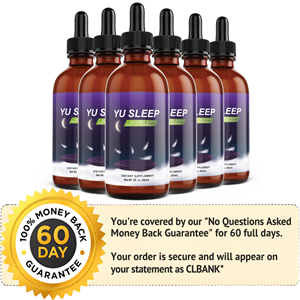
- Is YU Sleep safe while pregnant?
- What is in YU Sleep, and why pregnancy changes the question
- Why a supplement is the wrong first move for pregnancy insomnia
- What the page claims, and why that does not settle it
- Safer options to discuss with your prenatal clinician
- A simple wind-down routine to try tonight
- How to talk to your clinician about sleep supplements
- Trying to conceive, postpartum and breastfeeding
We advise against using YU Sleep during pregnancy. It contains melatonin, 5-HTP and several herbal and plant-derived ingredients, and the page gives no pregnancy guidance. Talk with your prenatal clinician first, and try behavioral and routine-based options for pregnancy insomnia.
If you are looking for a sleep aid for pregnancy, we understand the appeal of a quick fix. Our position on YU Sleep during pregnancy is simple: we advise against using it, and we think the right first step is a conversation with your prenatal clinician.
This guide explains why, what to ask, and what safer options are worth discussing. It is general information, not medical advice, and it cannot replace someone who knows your health history.
We have not used this product, and we do not claim to. Everything about it below comes from the official sales page text we reviewed.
- The page text we reviewed gives no pregnancy guidance, so there is no basis to call it safe.
- The formula lists melatonin (0.9 mg per serving), 5-HTP, apigenin, lemon balm, GABA and more.
- Start with non-supplement options and tell your clinician about persistent insomnia.
- Bring the ingredient list to your appointment.
Is YU Sleep safe while pregnant?
We can't tell you it is. The official page describes a liquid "all-natural nano-enhanced sleep formula," but the text we reviewed does not say whether pregnant people should use it. The page's "Is this right for me?" section was cut off in what we have, so we can't tell what it says about who should avoid the product.
"All-natural" is a marketing description, not a safety finding. Plenty of plant-derived and naturally occurring substances are not recommended in pregnancy, and many have limited human pregnancy data.
We also did not see a medical disclaimer in the text we reviewed. It may be in the page footer, so check the full page. Either way, a disclaimer would not make the product pregnancy-tested.
What is in YU Sleep, and why pregnancy changes the question
The page lists ten ingredients, counting B6 and B2 separately: red tart cherry extract, 5-HTP, vitamin B6, vitamin B2, magnesium glycinate, apigenin, lemon balm extract, L-theanine, melatonin and GABA. The only dose it gives is 0.9 mg of melatonin per serving. We did not see a full supplement facts panel, so amounts for everything else are unknown.
That unknown matters. In pregnancy, the question is not only "is this ingredient okay?" but "at what dose, in what combination, and at what stage?" A blend with undisclosed amounts makes that hard to answer, even for a clinician.
Ingredients worth raising with your clinician
- Melatonin: a hormone. Evidence on supplemental use in pregnancy is limited, so this is a clear item to discuss.
- 5-HTP: a serotonin precursor. It can interact with antidepressants and other serotonergic medicines. See our page on YU Sleep and antidepressants.
- Apigenin and lemon balm: herbal or plant-derived components. Pregnancy safety data for concentrated extracts is thin.
- GABA and L-theanine: calming compounds with limited pregnancy research on supplement forms.
- Magnesium glycinate, B6, B2: nutrients that clinicians sometimes do discuss in pregnancy, but total daily intake from all sources matters. Our page on magnesium supplement safety covers upper limits.
Some of these are familiar and some are not. "Limited data" is not the same as "proven harmful," but it is a reason to wait for professional guidance.
Why a supplement is the wrong first move for pregnancy insomnia
Sleep trouble is very common in pregnancy, and it often has a specific, addressable cause. A supplement may mask the cause without solving it.
Consider what might be going on:
- Heartburn or reflux when lying flat
- Frequent urination at night
- Hip, back or rib discomfort that makes positions hard
- Leg cramps or restless legs, which can be linked to low iron
- Snoring or breathing pauses, which can signal sleep apnea
- Anxiety, low mood or racing thoughts
Several of these need evaluation, not a nightly drop. Apnea and mood concerns in particular are worth raising early with your care team.
Supplements are also generally not approved for safety and effectiveness before sale the way prescription drugs are. That leaves you relying on label accuracy and a sales page.
What the page claims, and why that does not settle it
The page says it is designed to help you fall asleep faster, stay asleep and wake refreshed. It says it supports the brain's "sleep pressure system." It also says most people notice changes within days and that a full reset takes 3 to 6 months of consistent use.
Those are the page's claims. The page cites no studies in the text we reviewed, and none of it addresses pregnancy. A 3 to 6 month timeline would also span a large part of a pregnancy, which is a long time to take something nobody has checked against your situation.
For a wider look at the formula, see what's inside YU Sleep.
See the details, current pricing and who it suits.
Check current optionsAffiliate link: we may earn a commission at no extra cost to you.Safer options to discuss with your prenatal clinician
These are options to raise, not prescriptions. Your clinician can tell you which fit your stage of pregnancy and health.
| Problem | Option to discuss |
|---|---|
| Can't find a comfortable position | Side-lying with pillows between knees and under the belly; a wedge or body pillow |
| Heartburn at night | Smaller evening meals, finishing food a few hours before bed, raising the head of the bed; ask before using antacids or other medicine |
| Waking to urinate | Shifting fluids earlier in the day while staying hydrated |
| Leg cramps or restless legs | Ask about iron and mineral levels and gentle stretching |
| Racing thoughts | Relaxation or breathing practice; counseling; ask about screening for anxiety or low mood |
| Long-running insomnia | Cognitive behavioral therapy for insomnia (CBT-I), often a first-line approach |
| Snoring or gasping | Ask about a sleep apnea evaluation |
Our guide on sleeping better without buying anything expands on routines that cost nothing.
 Recommended for youWho YU Sleep Is For (and Who Should Skip It)
A simple wind-down routine to try tonight
- Pick a consistent wake time and keep it, even after a rough night.
- Dim lights and put screens away in the last hour before bed.
- Finish the main meal a few hours before bed; keep a small snack if hunger wakes you.
- Build your pillow setup before you get in bed.
- Keep the room cool, dark and quiet.
- If you are awake and frustrated, get up, do something calm in low light, and return when sleepy.
- Limit caffeine, and ask your clinician what amount suits you.
A short daytime nap can help some people, but a long late one can make nights harder. If naps are your only sleep, mention that to your clinician.
How to talk to your clinician about sleep supplements
Bring the product with you, or a photo of the ingredient list. Include everything else you take, including prenatal vitamins, since overlaps in magnesium, B6 and other nutrients add up.
- Is each ingredient acceptable at my stage of pregnancy?
- Does anything here interact with my medicines or conditions?
- What should I try first for my specific sleep problem?
- Should I be screened for apnea, low iron, anxiety or mood changes?
- Which symptoms mean I should call right away?
Our checklist for talking to your doctor about sleep supplements has more questions you can adapt.
Trying to conceive, postpartum and breastfeeding
If you might become pregnant soon, treat the question the same way. You could be pregnant before you know it, and the page does not address conception.
The same caution applies after birth if you nurse. We cover that in YU Sleep while breastfeeding. For hormones more broadly, see sleep supplement safety for women and YU Sleep and birth control or hormone therapy.
If you are weighing YU Sleep after pregnancy
Once your clinician has cleared you, you can look at the product on its merits. The page sells a minimum 2-month package, with prices shown as discounted and "while supplies last," and shipping may apply. It advertises a 60-day guarantee, but we did not see the terms in the text we reviewed, so read them on the official page first.
Our YU Sleep fit overview and the buying guide can help you decide. Prices and offers change, so confirm them on the official page.
Next steps
Start by writing down your sleep symptoms and bringing them, along with any product labels, to your next prenatal visit. Then try the routine above while you wait for guidance.
- See who YU Sleep is for and who should skip it.
- Read whether YU Sleep is safe for women.
- Compare safer non-habit-forming sleep supplements for later.
- Review the broader safety and side effects page.
Frequently asked questions
Is YU Sleep safe while pregnant?
We can't say it is safe, and we advise against using it. The official page text we reviewed gives no pregnancy guidance, and the formula contains melatonin, 5-HTP, apigenin, lemon balm and other ingredients. Ask your prenatal clinician before taking any sleep supplement.
Does YU Sleep contain melatonin?
Yes. The page lists melatonin and states 0.9 mg per serving. The page gives no doses for its other ingredients. Whether any melatonin product suits pregnancy is a question for your clinician, not something a sales page can settle.
What sleep aid is safe for pregnancy?
No supplement is universally safe, and only your clinician can judge your situation. Many guidelines start with non-drug steps: consistent sleep timing, positioning with pillows, managing heartburn and reflux, limiting late fluids, and cognitive behavioral therapy for insomnia.
Are pregnancy insomnia supplements regulated like medicine?
Generally no. In the US, supplements are not approved for safety and effectiveness before sale the way prescription drugs are. That makes it harder to know what a product contains and how it behaves in pregnancy. Confirm any product with your clinician or pharmacist.
Why can't I sleep while pregnant?
Common contributors include discomfort, frequent urination, heartburn, hormonal shifts, leg cramps, anxiety and restless legs. Sleep trouble can also signal something treatable, such as sleep apnea. Tell your prenatal clinician if it persists or worsens.
Can I take YU Sleep if I am trying to conceive?
We can't advise that it is appropriate. If you may become pregnant soon, treat it like pregnancy and ask your clinician first, since you might be pregnant before you know it. The page gives no guidance on conception or pregnancy.
What should I ask my doctor about sleep supplements in pregnancy?
Bring the full ingredient list and ask whether each ingredient is acceptable at your stage of pregnancy, whether it interacts with your medications, and what to try first. Also ask whether your sleep problem needs evaluation, such as for apnea or low iron.
Keep reading
 Is YU Sleep Safe for Women? Who Can Use It and Who Should WaitIs YU Sleep safe for women? A plain guide to who can consider it, who should wait (pregnancy, nursi…
 YU Sleep While Breastfeeding: Why It Is Not RecommendedYU Sleep while breastfeeding is not recommended: it has no nursing safety data and contains melaton…
 Sleep Supplement Safety for Women: Pregnancy, Breastfeeding and Hormone ConsiderationsIf you are asking whether sleep supplements are safe during pregnancy or while nursing, the honest…