- What "habit-forming" and "non-addictive" actually mean
- Is "natural" the same as safe?
- Safest sleep supplement features: a checklist
- Common ingredients and what to know about each
- Melatonin: is it habit forming?
- A worked example: reading one product's page
- Red flags to avoid
- How to use a sleep supplement without relying on it
No sleep supplement can be guaranteed safe or non-habit-forming, but you can lower your risk. Check the label for clear ingredients, avoid sedating drugs like antihistamines, watch for psychological reliance, consider third-party testing, and talk to a clinician if you take medication or have a health condition.
If you want a non habit forming sleep supplement, the first thing to know is that the label "non-addictive" is not a regulated safety guarantee. It is a marketing phrase, and what matters is what is inside the bottle, how you use it, and your own health situation.
This guide explains what "habit-forming" can mean, which features tend to lower risk, and which red flags to watch for. It is general information, not medical advice, and a pharmacist or clinician is the right person to check anything specific to you.
We are an independent publication. We do not claim to have used any product, and where we mention Yu Sleep we describe only what its official page says.
- No supplement is guaranteed safe or non-habit-forming. Lower risk is the realistic goal.
- "Natural" does not mean risk-free. Plant ingredients can interact with medications.
- Avoid sedating drugs such as antihistamines if you want to reduce reliance.
- Look for disclosed doses, short ingredient lists and third-party testing.
- Habits can be psychological. Build a routine that does not depend on a pill.
What "habit-forming" and "non-addictive" actually mean
People use these words for three different things. Physical dependence means your body adapts and you feel withdrawal when you stop. Tolerance means you need more for the same effect. Psychological reliance means you feel you cannot sleep without a particular pill or ritual.
Prescription sedative-hypnotics are the products most associated with dependence and tolerance, which is why they are usually meant for short-term use under medical supervision. Most over-the-counter supplement ingredients are not generally described the same way, but evidence on long-term use is thinner than many people assume.
Psychological reliance can happen with anything, including a harmless herbal drink. So "non-addictive" is best read as "lower risk of dependence," never "no risk."
Is "natural" the same as safe?
No. Natural ingredients can still cause side effects, interact with medications, or vary in strength from batch to batch. Supplements are not approved by regulators for effectiveness before they are sold, so quality depends heavily on the maker.
Some examples of cautions worth knowing:
- Ingredients that affect serotonin, such as 5-HTP, may matter if you take antidepressants or similar medication.
- Some herbal ingredients may interact with blood thinners. See our page on ingredient interaction cautions with blood thinners.
- Pregnancy, nursing, and children are situations where you should ask a professional first.
Safest sleep supplement features: a checklist
Because no product is safe for everyone, use this checklist to compare options. The more boxes a product ticks, the easier it is to judge the risk.
- Full ingredient list with doses. If amounts are hidden in a "proprietary blend," you cannot judge what you are taking.
- Short, understandable list. Fewer active ingredients make side effects easier to trace.
- No sedating drugs. Antihistamines like diphenhydramine and doxylamine cause drowsiness and are a different category from supplements.
- Third-party testing. Look for marks such as USP or NSF. Our page on third-party testing and contamination risks explains what they cover.
- Clear company and contact details. You should be able to find who makes it and how to reach them.
- Modest claims. Be wary of "permanent fix," "cure," or "works for everyone."
- Clear return terms. If you are trying something new, you want a way out.
For a deeper walk through labels, see how to read a sleep supplement label.
Common ingredients and what to know about each
This table is general information, not a verdict on any product. Research quality and dose matter, and effects differ between people.
| Ingredient | Often used for | Things to consider |
|---|---|---|
| Melatonin | Shifting body-clock timing, jet lag | Doses vary widely between products. Not generally described as addictive, but long-term questions remain. |
| Magnesium (e.g., glycinate) | Relaxation, general nutrition | Can cause digestive upset in some people. Kidney conditions call for medical advice. |
| L-theanine | Calm without strong drowsiness | Generally well tolerated in studies, but evidence for sleep is modest. |
| Lemon balm | Traditional calming herb | Evidence is limited. Check interactions with other medication. |
| 5-HTP | Serotonin precursor | Potential interaction with antidepressants and other serotonergic drugs. Ask a professional. |
| GABA | Marketed for relaxation | Unclear how much oral GABA reaches the brain. |
| Valerian, kava and similar herbs | Traditional sleep herbs | Quality varies. Some herbs carry additional safety concerns, so check with a pharmacist. |
| Diphenhydramine / doxylamine | Drowsiness (antihistamines) | Tolerance to the sleep effect can develop quickly. Next-day grogginess is common, and older adults face added risks. |
Melatonin: is it habit forming?
Melatonin is a hormone your body makes, and it is generally not described as addictive in the way prescription sedatives are. That said, supplement doses vary a lot, and some products contain more or less than the label states. Higher is not necessarily better.
Many people wonder about tolerance or the body "forgetting" to make its own. The research is not settled enough for confident claims either way, and our page on long-term melatonin safety, tolerance and myths goes through what is known. If you want to avoid it entirely, see sleep aids without melatonin.
See the details, current pricing and who it suits.
Check current optionsAffiliate link: we may earn a commission at no extra cost to you.A worked example: reading one product's page
Here is how the checklist applies to Yu Sleep, based only on its official sales page. This is a description, not an endorsement, and we have not used it.
- Format: a liquid taken by dropper. The page's directions are 2 droppers 30 minutes before bed.
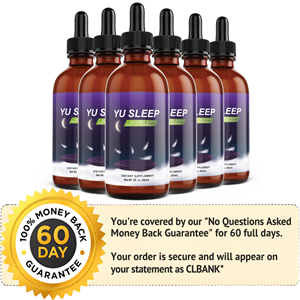
- Ingredients listed: red tart cherry extract, 5-HTP, vitamin B6, vitamin B2, magnesium glycinate, apigenin, lemon balm extract, L-theanine, melatonin and GABA.
- Doses: the only amount the page gives is 0.9 mg of melatonin per serving. We did not see a full supplement facts panel in the text we reviewed.
- Sedating drugs: none are listed. It does contain melatonin and 5-HTP, so the cautions above apply.
- Company details: the text we reviewed did not name a company, address or support contact. It credits a "Dr. Collins" but gives no credentials we could verify.
- Studies: the page refers to research but, in the text we reviewed, cites no studies.
- Guarantee: the page advertises a 60-day guarantee. The terms were not in the text we reviewed, so read them in full before buying.
Against our checklist, that is a mixed picture: no sedating drugs, but undisclosed doses for most ingredients and limited company information. The page also sells only 2-month minimum packages, so you commit to more than a trial bottle. Prices change, so confirm them on the official page. Our ingredients guide and safety and side effects page go further, and our recommendation page helps you decide whether it fits.
 Recommended for youYU Sleep vs Alternatives
Red flags to avoid
- Claims of "permanent fix," "cure," or "guaranteed results."
- Big review counts or testimonials with no way to verify them.
- Hidden doses inside a "proprietary blend."
- No company name, address or support contact.
- Pressure tactics such as countdown timers or "while supplies last" without clear terms.
- Claims that a product is "non-addictive" with no explanation of what that means.
- Advice to stop prescribed medication.
Our page on reviews, complaints and trust shows how to weigh online reviews more carefully.
How to use a sleep supplement without relying on it
Whatever you choose, how you use it affects whether it becomes a crutch. These steps lower the odds.
- Start with a clear goal. Falling asleep, staying asleep, and jet lag are different problems with different approaches.
- Change one thing at a time. If you start two products at once, you cannot tell which is helping or causing side effects.
- Use the lowest amount that is listed on the label. Do not exceed directions.
- Keep a simple sleep log. Note bedtime, wake time, and how you feel for two weeks.
- Plan breaks. Try nights without it, and notice whether you feel anxious about sleeping without it.
- Review after a few weeks. If it is not helping, stop rather than adding more.
Also check whether you can combine products before stacking, since doubling up on melatonin or magnesium is easy to do by accident.
Non-supplement options that carry no dependence risk
Behavioral approaches are the first-line recommendation for chronic insomnia from major sleep medicine bodies. They take effort, but they do not carry a habit risk from a pill.
- Keep consistent wake times, including weekends.
- Get morning daylight and dim lights in the evening.
- Limit caffeine later in the day and be cautious with alcohol near bedtime.
- Try breathing exercises for a wind-down.
- Consider sleep restriction therapy, ideally with guidance, and keep naps from undermining night sleep.
Our guide to sleeping better without buying anything covers more. If you wake often, causes and signs of trouble sleeping through the night may help you spot an underlying issue.
When to talk to a professional first
Talk to a doctor or pharmacist before starting a supplement if any of these apply:
- You are pregnant, nursing, or planning pregnancy.
- You take prescription medication, especially blood thinners, antidepressants, sedatives or seizure medication.
- You have a liver, kidney, or autoimmune condition.
- You snore loudly, gasp at night, or feel very sleepy in the daytime, which can signal sleep apnea.
- Poor sleep has lasted more than a few weeks or affects your daily life.
If you take a prescription sleep medication, do not stop it suddenly without medical advice.
Next steps
Use the checklist above to shortlist two or three options, then compare them. Our guide to Yu Sleep versus alternatives is the best starting point, and liquid sleep aids ranked by goal and over-the-counter sleep aids compared widen the field.
If you are weighing melatonin against multi-ingredient products, read whether a sleep supplement is better than melatonin alone. If you are considering Yu Sleep specifically, check price, where to buy and refunds and confirm current terms on the official page.
Frequently asked questions
What is the safest sleep supplement?
No supplement is safe for everyone, so there is no single safest option. Lower-risk choices tend to have short, transparent ingredient lists, disclosed doses, third-party testing, and no sedating drugs. Check interactions with your medications and conditions, and ask a pharmacist or clinician before starting.
Are natural sleep supplements non-addictive?
Natural does not automatically mean non-addictive or risk-free. Most common supplement ingredients are not generally described as addictive in the way some prescription sedatives are, but people can still come to rely on a bedtime pill psychologically. Plant-based products can also interact with medications.
Is melatonin habit forming?
Melatonin is not generally described as addictive in the way many prescription sleep drugs are. Questions remain about long-term use, dose accuracy, and psychological reliance. If you use it nightly for months, review it with a clinician. Our melatonin safety page covers the details.
Can you build a tolerance to sleep supplements?
It is possible to feel less effect over time, or to feel you cannot sleep without a routine item. Evidence varies by ingredient. If you keep raising the dose, that is a signal to stop and speak with a healthcare professional rather than adjust on your own.
Does Yu Sleep contain melatonin?
Yes. The official page lists melatonin at 0.9 mg per serving among ten listed ingredients, including magnesium glycinate, L-theanine, GABA and 5-HTP. The page gives no other doses. Check the full page, and talk to a clinician if you take other medication.
How do I stop relying on a sleep aid?
Do not stop a prescription sedative abruptly without medical advice. For supplements, you can usually taper by lowering frequency while building a consistent schedule, light exposure and wind-down routine. If sleep worsens or you feel anxious without it, contact a clinician.
Should I see a doctor before taking a sleep supplement?
It is a good idea if you are pregnant, nursing, take medications (especially blood thinners, sedatives or antidepressants), have a medical condition, or have persistent insomnia. Trouble sleeping can have treatable causes that a supplement will not address.
Keep reading
 Best Sleep Aids Without Melatonin: Alternatives and How They CompareLooking for sleep aids without melatonin? Compare magnesium, L-theanine, glycine, herbs and OTC opt…
 Is Long-Term Melatonin Use Safe? Tolerance, Dependence and MythsIs long term melatonin use safe? Learn what research says about tolerance, dependence and nightly u…
 Third-Party Testing for Sleep Supplements: USP, NSF and Contamination RisksLearn what a third party tested sleep supplement really means, how USP Verified and NSF Certified d…