- Is YU Sleep safe for nursing mothers?
- What is in YU Sleep, and why does it matter for nursing?
- Melatonin and breastfeeding: what we know
- 5-HTP, serotonin and medicines you may be taking
- Why a baby changes the risk equation
- Questions to ask before using any sleep supplement while nursing
- What to do instead: safer steps for tired nursing parents
- When tiredness is a sign to get help
We do not recommend YU Sleep while breastfeeding. The official page we reviewed gave no nursing safety information, and the formula includes melatonin (0.9 mg per serving) and 5-HTP, among other ingredients. Talk with your doctor, midwife or lactation professional before using any sleep supplement.
If you are nursing and exhausted, a bottle of sleep drops can look like a quick answer. On the question of YU Sleep while breastfeeding, though, our answer is plain: we do not recommend it. The official page text we reviewed gave no nursing safety information, and the formula contains active ingredients that deserve a clinician's review first.
This guide explains why we land there, what is and is not known, and what to do instead. It is general information, not medical advice. Nightfall Notes is independent, and we have not used this product.
Not recommended does not mean proven harmful. It means the evidence needed to call it reasonable for a nursing parent and baby is missing, and the downside of guessing falls on someone who cannot consent.
- We do not recommend YU Sleep while breastfeeding.
- The page text we reviewed gave no breastfeeding guidance, and silence is not safety.
- It lists ten ingredients, including melatonin (0.9 mg per serving) and 5-HTP.
- Ask your doctor, midwife, pharmacist or lactation consultant before any sleep supplement.
- Behavioral steps and clinical help are the safer first moves.
Is YU Sleep safe for nursing mothers?
We cannot say that it is. The product is described on its page as an "all-natural nano-enhanced sleep formula," taken as two droppers 30 minutes before bed. "All-natural" describes a marketing position, not a safety finding for nursing.
In the text we reviewed, the page did not address breastfeeding, and it cites no studies. The page may have a footer or FAQ we did not see, so check the full page yourself. Even then, a general disclaimer would not replace advice from someone who knows your baby.
Also note that this guidance applies to any nursing parent, whatever your gender or how you feed at the chest.
What is in YU Sleep, and why does it matter for nursing?
The page lists these ingredients: Red Tart Cherry Extract, 5-HTP, Vitamin B6, Vitamin B2, Magnesium Glycinate, Apigenin, Lemon Balm Extract, L-Theanine, Melatonin, and GABA. The only dose the page gives is 0.9 mg of melatonin. We did not see a full supplement facts panel, so amounts for the rest are unknown to us.
That unknown is itself the issue. When you cannot see doses, you cannot ask a pharmacist whether each amount is reasonable during lactation. For a deeper look, see our guide to what's inside YU Sleep and how it works.
Ingredients that raise the most questions
- Melatonin: a hormone that also occurs naturally in breast milk. Research on supplemental doses in nursing is limited, and products vary.
- 5-HTP: a serotonin precursor. It can interact with some medicines, and reliable data on lactation is thin.
- Herbal extracts (lemon balm, apigenin): herbal products often have less lactation data than medicines, and strength varies between brands.
- GABA and L-Theanine: calming compounds with limited nursing-specific research that we are aware of.
Magnesium, B vitamins and tart cherry are more familiar, but a safe-sounding ingredient inside a blend does not make the blend tested.
Melatonin and breastfeeding: what we know
Melatonin is made by the body and appears in breast milk in a daily rhythm, higher at night. That is sometimes used to argue that supplements are harmless. It is not a good argument, because a supplement dose can differ from natural levels, and nobody has established the effect on a baby's developing sleep rhythm.
Supplement quality is a second problem. Independent testing of melatonin products has found labeled and actual amounts to differ. Our page on third-party testing for sleep supplements explains what USP and NSF marks mean and why they matter.
The page positions YU Sleep against "high-dose melatonin," and 0.9 mg is a lower figure than many products. Lower is not the same as studied in nursing, and it is only one of ten ingredients.
5-HTP, serotonin and medicines you may be taking
5-HTP raises serotonin building blocks. If you take an antidepressant, which is common after birth, combining it with serotonin-affecting supplements can create risk. Read YU Sleep and antidepressants and the overview of serotonin syndrome symptoms so you know the warning signs.
Do not stop a prescribed medicine to make room for a supplement. If sleep is a problem on your current medicine, tell the prescriber.
Why a baby changes the risk equation
A nursing baby is exposed to whatever passes into milk, and babies clear substances differently from adults. The younger the baby, the more cautious clinicians tend to be. Newborns, preterm babies and babies with health conditions deserve the most care.
There is also a practical safety issue. A sedating product can make you harder to rouse. If you share a room, feed at night or have other children, being groggy at 3 AM matters. The page itself raises grogginess as a problem with other products, so it is fair to ask how any sleep aid leaves you in the morning.
See the details, current pricing and who it suits.
Check current optionsAffiliate link: we may earn a commission at no extra cost to you. Recommended for youYU Sleep During Pregnancy: Why Not to Use It and Safer Options to Discuss
Questions to ask before using any sleep supplement while nursing
- Write down the full ingredient list and any doses you can confirm.
- Note your baby's age, whether they were born early, and any health issues.
- List every medicine and supplement you take.
- Ask your doctor, midwife, pharmacist or an IBCLC lactation consultant whether each ingredient is appropriate during lactation.
- Ask what you should watch for in yourself and your baby, and when to stop.
- Ask what non-supplement options fit your situation.
If you still want to look at the product after that conversation, our YU SLEEP recommendation page sets out what it is, and you should confirm all details on the official page.
What to do instead: safer steps for tired nursing parents
Most sleep loss in the early months comes from the baby's schedule, not a faulty sleep drive. That points to practical fixes first.
- Protect one longer block. If a partner or helper can handle one feed (with pumped milk or formula, if that suits you), you may get a stretch of several hours.
- Nap strategically. Short naps can help without wrecking night sleep. See napping and night sleep.
- Keep night feeds dim and quiet. Low light helps you fall back asleep. Our guide to evening light and screens covers what matters.
- Set up the room. Try these free ways to make your bedroom dark and quiet, while following safe-sleep guidance for your baby.
- Watch caffeine timing. Keep it to the earlier part of the day.
- Lower the bar. Chores can wait; sleep opportunities cannot.
For a wider set of free options, see sleep better without buying anything. Be careful with approaches such as sleep restriction therapy while nursing, because restricting time in bed can backfire when your sleep is already broken up by feeds. Ask a clinician first.
When tiredness is a sign to get help
Ordinary new-parent fatigue is different from a problem that needs treatment. Contact a clinician promptly if any of these apply:
- You cannot fall asleep even when the baby is asleep and you have the chance.
- You feel persistently low, tearful, numb or anxious.
- You have intrusive or frightening thoughts.
- You feel unsafe, or worry you might harm yourself or the baby. Seek urgent help right away through emergency services or a crisis line in your area.
- You have symptoms such as loud snoring with gasping, which can point to sleep apnea.
Postpartum depression and anxiety are common and treatable, and insomnia can be both a symptom and a trigger. A supplement can mask the signal rather than address it.
How this fits with other YU Sleep cautions
Breastfeeding is one of several situations where we advise holding off or asking first. Related pages include YU Sleep during pregnancy, YU Sleep safety for women, and YU Sleep and medical conditions. For the broader picture, our pillar on who YU Sleep is for and who should skip it pulls the cautions together.
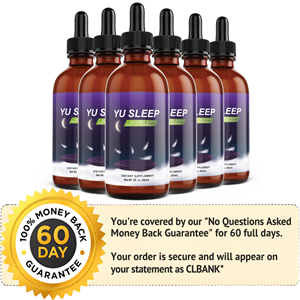
One more note on buying. The page sells only minimum 2-month packages and advertises a 60-day guarantee, with terms we could not see. If you are unsure about safety, a large upfront purchase is a poor fit, and a guarantee does not undo any exposure. Prices change, so confirm everything on the official page.
Next steps
Bring the ingredient list to your doctor, midwife or lactation consultant, and try the free steps above while you wait. If you want to compare options later, read YU Sleep safety, side effects and practical questions and YU Sleep vs alternatives. When you are done nursing, our fit checklist and buying verdict can help you decide again with a clearer head.
Frequently asked questions
Is YU Sleep safe for nursing mothers?
We cannot say it is safe, and we do not recommend it. The page text we reviewed gave no breastfeeding guidance, and it lists active ingredients such as melatonin and 5-HTP. Ask your doctor, midwife or lactation consultant before taking it.
Does YU Sleep contain melatonin?
Yes. The page lists melatonin at 0.9 mg per serving among its ten ingredients. The page also positions itself against high-dose melatonin, but that does not make it a tested choice for breastfeeding.
Can I take melatonin while breastfeeding?
Research on melatonin in breastfeeding is limited, and melatonin naturally occurs in breast milk. Supplement doses and product quality vary. Ask your clinician or pharmacist before use, especially with a newborn or preterm baby.
What are safer ways to sleep better while nursing?
Start with non-supplement steps: protect one longer sleep block, share night duties if possible, nap when you can, dim lights for night feeds and limit late caffeine. If exhaustion or low mood is severe, contact your clinician.
Does YU Sleep say it is safe while breastfeeding?
In the text we reviewed, we did not see breastfeeding guidance. The page may have a footer or FAQ we did not see, so check the full official page. Absence of a warning is not evidence of safety.
Who should I ask before using a sleep supplement while nursing?
Ask your own doctor, midwife, pharmacist or an IBCLC lactation consultant. Bring the full ingredient list and mention your baby's age and health, since newborns and preterm babies may need extra caution.
When is lack of sleep a medical issue for new parents?
Seek help if you cannot sleep even when the baby sleeps, feel persistently low or anxious, have intrusive thoughts, or feel unsafe. These can be signs of a treatable condition. Contact a clinician promptly.
Keep reading
 Is YU Sleep Safe for Women? Who Can Use It and Who Should WaitIs YU Sleep safe for women? A plain guide to who can consider it, who should wait (pregnancy, nursi…
 Who YU Sleep Is For (and Who Should Skip It)Who YU Sleep is for, who should skip it, and which questions to settle first. A plain-language fit…
 What's Inside YU Sleep: Ingredients and How It WorksYU Sleep ingredients explained: the 10 listed ingredients, the one disclosed dose, how the page say…