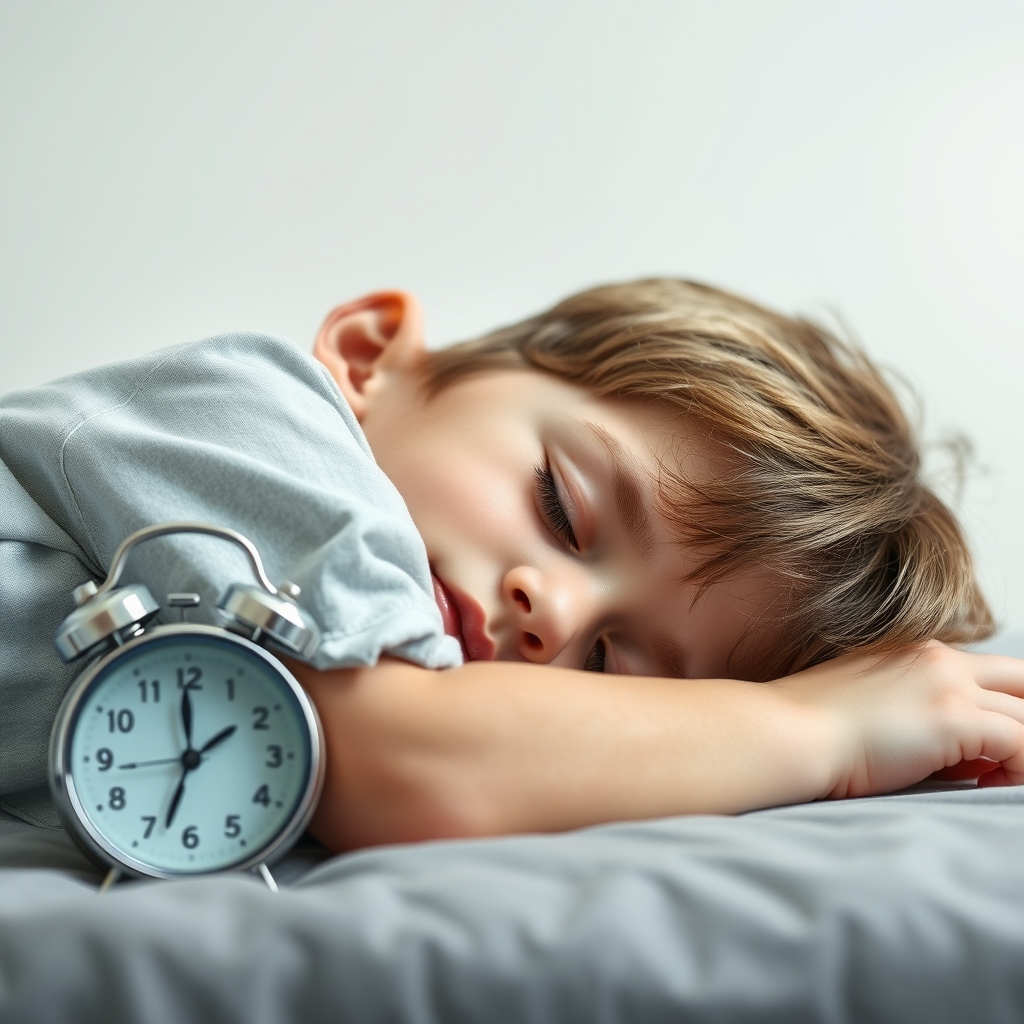
Most US health guidance recommends 9 to 12 hours of sleep per 24 hours for children aged 6 to 12, which includes an 11-year-old. Many 11-year-olds do well near 9 to 11 hours. Needs vary by child, so watch daytime mood and energy as well as the clock.
Most US health guidance, including the American Academy of Sleep Medicine and the CDC, recommends 9 to 12 hours of sleep per 24 hours for children aged 6 to 12. So how much sleep does an 11 yo need? Usually somewhere from 9 to 11 hours, depending on the child.
That range is a guide, not a test your child passes or fails. A child who wakes easily, stays alert and keeps a steady mood on 9.5 hours is probably doing fine. A child who needs three alarms and naps after school may need more.
Below you will find bedtime math, a comparison of sleep hours for kids by age, warning signs and a practical routine.
- Aim for 9 to 12 hours per 24 hours at age 11; many children sit at 9 to 11.
- Work backward from the wake-up time to set bedtime.
- Daytime mood and energy tell you more than a single number.
- Snoring, breathing pauses or frequent night waking deserve a pediatrician's attention.
Sleep hours for kids by age
These are the commonly cited recommendations for total sleep in 24 hours, naps included for the youngest groups.
| Age | Recommended hours |
|---|---|
| 4 to 12 months | 12 to 16 |
| 1 to 2 years | 11 to 14 |
| 3 to 5 years | 10 to 13 |
| 6 to 12 years | 9 to 12 |
| 13 to 18 years | 8 to 10 |
Eleven sits near the end of the school-age band, just before the teen range. Confirm current figures with your pediatrician or the CDC.
Sleep needs for preteens are changing
Around this age, the body clock often begins drifting later. Your child may feel wide awake at 9 PM even though they need to wake early. Homework, devices and activities push in the same direction.
That is why a bedtime that worked at 8 can quietly stop working at 11. Expect to renegotiate it, ideally together.
What time should an 11 year old go to bed?
Start with the fixed point: the wake-up time. Then subtract the sleep your child needs, plus time to fall asleep.
- Pick the wake-up time on school days, for example 6:30 AM.
- Subtract 9.5 to 10 hours of target sleep. That gives 8:30 to 9:00 PM asleep.
- Subtract 15 to 30 minutes for falling asleep. Lights out becomes roughly 8:00 to 8:45 PM.
- Run it for two weeks, then adjust by 15 minutes based on mornings and mood.
Signs your 11-year-old needs more sleep
- Hard to wake, even after a full night in bed
- Irritability, tearfulness or short temper late in the day
- Trouble focusing or falling asleep in the car or at school
- Sleeping two or more hours longer on weekends
- Relying on sugar or screens to stay alert
One rough week is normal. A pattern lasting several weeks is worth acting on.
See the details, current pricing and who it suits.
Check current optionsAffiliate link: we may earn a commission at no extra cost to you. Recommended for youTrouble Sleeping Through the Night: Causes and Signs
A bedtime routine that helps
Consistency matters more than any single trick. Keep wake time within about an hour on weekends so Monday is not a jet-lag reset. If your child is already off schedule, our gradual sleep schedule reset plan shows how to shift in small steps.
- Turn off screens 30 to 60 minutes before bed and charge devices outside the bedroom.
- Use a short, repeatable wind-down: bath, reading, quiet music.
- Keep the room cool, dark and quiet.
- Limit caffeine, including soda, energy drinks and some teas, especially after lunch. See how caffeine and late meals affect night waking for the general mechanism.
- Avoid heavy meals right before bed.
More no-cost ideas are collected in sleep better without buying anything.
When trouble sleeping is more than a schedule problem
If your child sleeps enough hours but still seems exhausted, look beyond bedtime. Loud snoring, gasping, mouth breathing, restless legs or frequent waking can point to a medical cause. Our overview of sleep apnea versus insomnia signs is written for adults, but the general idea applies: some problems need a clinician, not a new routine.
Ongoing night waking is covered in trouble sleeping through the night. Morning fog is discussed in why you wake up groggy. Both are adult-focused, so use them as background only.
What about sleep supplements for an 11-year-old?
Yu Sleep is an adult-oriented liquid whose official page lists ten ingredients, including 0.9 mg of melatonin per serving. The page we reviewed gave no children's dosing, and we did not find a stated age guideline. For the closest related discussion, read can teenagers take YU Sleep? and who YU Sleep is for and who should skip it. If you are curious about the product in general, our YU SLEEP: is it right for you? page lays out the facts and downsides, but it is not a recommendation for children.
Next steps
Pick a wake time, do the bedtime math and try it for two weeks. If mornings and moods do not improve, or you notice breathing concerns, book a pediatric visit.
For related reading, see trouble sleeping through the night, the sleep schedule reset plan, and YU Sleep safety and practical questions.
Frequently asked questions
How many hours of sleep does an 11 year old need?
Major US guidance (the American Academy of Sleep Medicine and the CDC) recommends 9 to 12 hours per 24 hours for ages 6 to 12. An 11-year-old often lands around 9 to 11 hours. Individual needs vary, so judge by daytime energy, mood and focus too.
What time should an 11 year old go to bed?
Count backward from the wake-up time. If your child wakes at 6:30 AM for school, a bedtime between 8:00 and 9:30 PM allows roughly 9 to 10.5 hours in bed. Allow extra time for falling asleep, which can take 15 to 30 minutes.
Is 8 hours of sleep enough for an 11 year old?
Eight hours is below the commonly recommended 9 to 12 hour range for this age. Some children may seem fine on it, but if yours is sleepy, irritable or hard to wake, try moving bedtime earlier by 15 minutes at a time and see what changes.
What are signs an 11 year old isn't getting enough sleep?
Common signs include hard mornings, sleepiness in class, irritability, trouble focusing, and sleeping much longer on weekends. Loud snoring, pauses in breathing or frequent night waking are different and worth raising with a pediatrician.
Do preteens need less sleep than younger kids?
Slightly. Guidance for ages 6 to 12 is 9 to 12 hours, while teens aged 13 to 18 are advised 8 to 10. Preteens also start shifting toward later natural bedtimes, so schedules and screens matter more.
Can an 11 year old take sleep supplements?
Talk to a pediatrician before giving any sleep supplement to a child. Behavior and routine changes are usually the first step. Our fact sheet for Yu Sleep does not describe it as made for children, so check the teen-focused page and ask a clinician.
Keep reading
 How to Fix Your Sleep Schedule: A Gradual Reset PlanHow to fix your sleep schedule without misery: a gradual reset plan built on a consistent wake time…
 Can teenagers take YU Sleep?Can teenagers take YU Sleep? The page gives no teen guidance and the formula contains melatonin and…
 Sleep Better Without Buying AnythingSleep better without buying anything: free, evidence-based habits for schedule, light, bedroom, win…
