Alcohol can help you fall asleep but often fragments sleep later in the night as it wears off, which is a common reason for 3am waking. Caffeine can linger for hours, and large or late meals can cause reflux and restlessness. Adjusting timing is the best first step.
If you keep asking why alcohol wakes you up at 3am, you are not alone, and the answer is often about timing rather than willpower. Alcohol, caffeine and late meals are three everyday habits that can fragment sleep without you connecting them to the problem.
This guide explains how each one tends to interfere with the night, how to tell which might be your trigger, and how to test changes one at a time. It is general information, not medical advice, and individual responses vary a lot.
It sits within our wider look at trouble sleeping through the night, so if diet changes do not help, that page covers other causes.
- Alcohol may help you drop off but often breaks up sleep later in the night.
- Caffeine can linger for many hours, and sensitivity differs widely.
- Large or late meals can cause reflux, discomfort and restlessness.
- Change one habit at a time for one to two weeks so you can see what matters.
Why does alcohol wake me up at 3am?
Alcohol is a sedative, so it can make you feel sleepy and fall asleep faster. The trouble comes later. As your body processes it, sleep often turns lighter and more broken, especially in the second half of the night.
That timing is why many people wake in the early hours. A drink at 9pm or 10pm can wear off around the time you would otherwise be in steadier sleep.
Other ways alcohol disrupts the night
- Bathroom trips: alcohol increases urination for many people.
- Heat and sweating: some people wake feeling warm or flushed.
- Racing heart or anxious feeling: common as the sedative effect fades.
- Reflux: alcohol can aggravate heartburn, especially when lying down.
- Breathing: alcohol can relax throat muscles and may worsen snoring or sleep apnea in susceptible people.
How caffeine affects sleep and night waking
Caffeine works partly by blocking the signals that build up sleepiness during the day. It can take many hours for your body to clear half of a dose, and the rate differs between people, medications and life stages.
The result is not always trouble falling asleep. Some people drop off fine but sleep more lightly and wake more easily. If you notice this pattern, a late-afternoon coffee is a reasonable suspect.
Hidden sources to check
- Tea, including green and black tea
- Cola and energy drinks
- Chocolate and cocoa
- Pre-workout powders
- Some pain relievers and cold remedies
- Decaf coffee, which still contains small amounts
A simple caffeine cutoff test
- Note your last caffeine of the day for three days.
- Move it earlier, for example to before noon, and keep it there for one to two weeks.
- Record how often you wake and how you feel in the morning.
- If nothing changes, caffeine may not be your main driver.
Cut back gradually if you drink a lot, since abrupt changes can cause headaches and tiredness that muddy the test.
Late night eating and sleep
Eating close to bedtime can interfere with sleep in a few ways. A big, fatty or spicy meal may cause reflux or fullness. Going to bed hungry can also leave some people restless. Which one applies to you is individual.
When a late meal is more likely to cause trouble
- You lie down within a couple of hours of a large meal.
- You have heartburn, a sour taste, or a cough at night.
- The meal is heavy, greasy, spicy or very sugary.
- You eat while stressed or rushed.
When a small snack may help
If you wake hungry, a small, simple snack in the evening may be easier on sleep than going to bed empty. Keep it modest and notice how you feel afterward. Large portions and sugary or alcoholic snacks are more likely to backfire.
Nightly sugar spikes and dips are sometimes blamed for 3am waking. The evidence for this is less clear-cut than people online suggest, so treat it as a hypothesis to test, not a certainty.
Comparing the three triggers
| Trigger | Typical pattern | What to try first |
|---|---|---|
| Alcohol | Falls asleep easily, wakes in the second half of the night | Drink earlier, drink less, or take several alcohol-free evenings |
| Caffeine | Lighter sleep, slower to fall asleep, easy waking | Move last caffeine earlier and check hidden sources |
| Late meals | Discomfort, reflux, or hunger waking | Finish eating a few hours before bed; keep late snacks light |
See the details, current pricing and who it suits.
Check current optionsAffiliate link: we may earn a commission at no extra cost to you.How to find your own trigger
Most people have more than one factor. Because the effects overlap, change one thing at a time and give it enough nights to show a pattern.
- Keep a simple log for two weeks. Record bedtime, wake times, last caffeine, alcohol, and the time and size of your last meal.
- Pick the most likely trigger. If you drink most evenings, start there. If you have coffee at 4pm, start there.
- Change only that for 7 to 14 days.
- Compare the log. Look at how often you woke, not just how you felt.
- Add the next change only if needed.
 Recommended for youTrouble Sleeping Through the Night: Causes and Signs
What to do when you wake at 3am anyway
Even with good habits, you may wake sometimes. How you respond can decide whether it turns into an hour of lying awake.
- Keep lights dim and avoid your phone.
- Avoid checking the clock, which tends to feed worry.
- If you are awake for a long stretch, get up and do something quiet until you feel sleepy.
- Skip a snack or drink unless you are truly hungry.
For a fuller walkthrough, see our step-by-step fixes for waking at 3am and the overview of common causes and patterns. Stress can also be a big piece, covered in stress, cortisol and night waking.
Behavioral approaches are well studied for persistent problems. CBT-I basics and stimulus control therapy explain what they involve.
Where supplements fit, and where they don't
No supplement cancels out a late-night drink, a big dinner or an afternoon espresso. If you are considering one, fix timing habits first so you can tell what is helping.
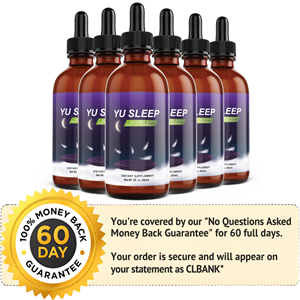
Yu Sleep is one product people ask about. The official page describes it as a liquid taken by dropper, 2 droppers 30 minutes before bed, and it lists ingredients including melatonin at 0.9 mg per serving. The page also advertises a 60-day guarantee, though we could not see the terms in the text we reviewed, so read them on the official page before buying. Prices and offers can change, so confirm them there too.
The page makes strong claims about results. We do not treat those as evidence, and the page cites no studies in the text we saw. Its package also includes a bedtime-snack guide only with the larger bundles, according to the page. A drawback to weigh: the minimum purchase is a multi-month package, which is a bigger commitment than trying something for a week.
If you take medications or have a health condition, check with a clinician first. Our page on supplements and medications explains who should ask. For a neutral overview of fit, see whether YU SLEEP is right for you.
When night waking may need medical attention
Diet and timing changes help some people, but they are not the answer to everything. Consider seeing a professional if:
- Waking happens most nights for several weeks.
- You feel very sleepy or low during the day.
- You snore loudly, gasp or choke, or a partner notices pauses in breathing.
- You have chest pain, persistent reflux, or you are using alcohol to cope with sleep.
- You feel unable to cut back on alcohol.
Our guide to red flags and warning signs goes into more detail. If you are pregnant, breastfeeding or going through hormonal change, see supplement safety for women and hormones and night waking.
Next steps
Start with a two-week log and one change. Move caffeine earlier, shift or reduce evening alcohol, or finish dinner sooner, and see what the data says.
From there, explore sleeping better without buying anything, check evening light and screens, and return to the night waking overview if the problem persists.
Frequently asked questions
Why does alcohol wake me up at 3am?
Alcohol is sedating at first, but as your body clears it, sleep often becomes lighter and more broken in the second half of the night. You may also wake needing the bathroom, feeling hot, or with a racing heart. Timing and amount both matter, and effects vary between people.
How many hours before bed should I stop caffeine?
There is no single rule, because sensitivity varies. Many sleep experts suggest stopping caffeine at least six to eight hours before bed, and earlier if you are sensitive. Remember that tea, cola, chocolate and some medicines contain caffeine too.
Does eating late at night cause waking up?
It can for some people. Large, fatty or spicy meals close to bedtime may cause reflux or discomfort, and a blood sugar dip or hunger can also be a trigger. Many people do better with a finished dinner a few hours before bed and a light snack if needed.
Is a nightcap a good way to fall asleep?
It may feel that way because alcohol can make you drowsy, but research generally links it to more fragmented sleep later in the night. If you drink, earlier and smaller is usually gentler on sleep than a late drink right before bed.
Can I still have coffee in the morning if I wake at night?
Often yes. A useful test is to move your last caffeine earlier for one to two weeks and watch what changes. If night waking continues, caffeine may not be the main cause, and other factors deserve a look.
What should I do if I wake at 3am and can't fall back asleep?
Keep lights low, avoid checking the clock or phone, and get out of bed if you are awake for a long stretch. Do something quiet until sleepy. If it happens often, track patterns and consider speaking with a clinician.
When should I see a doctor about night waking?
Consider it if waking is frequent, lasts weeks, affects daytime function, or comes with loud snoring, gasping, chest symptoms or heavy daytime sleepiness. A professional can check for conditions like sleep apnea that diet changes will not fix.
Keep reading
 Why Do I Wake Up at 3am? Common Causes and PatternsWhy do I wake up at 3am? Learn the common causes, how to spot your pattern, what to try first, and…
 How to Stop Waking Up at 3am: Step-by-Step FixesHow to stop waking up at 3am: a calm, step-by-step guide to likely causes, habit fixes, what to do…
 Stress, Cortisol and Night Waking in Busy ProfessionalsIf you are dealing with stress and waking up at night, you are in large company. Deadlines, inboxes…