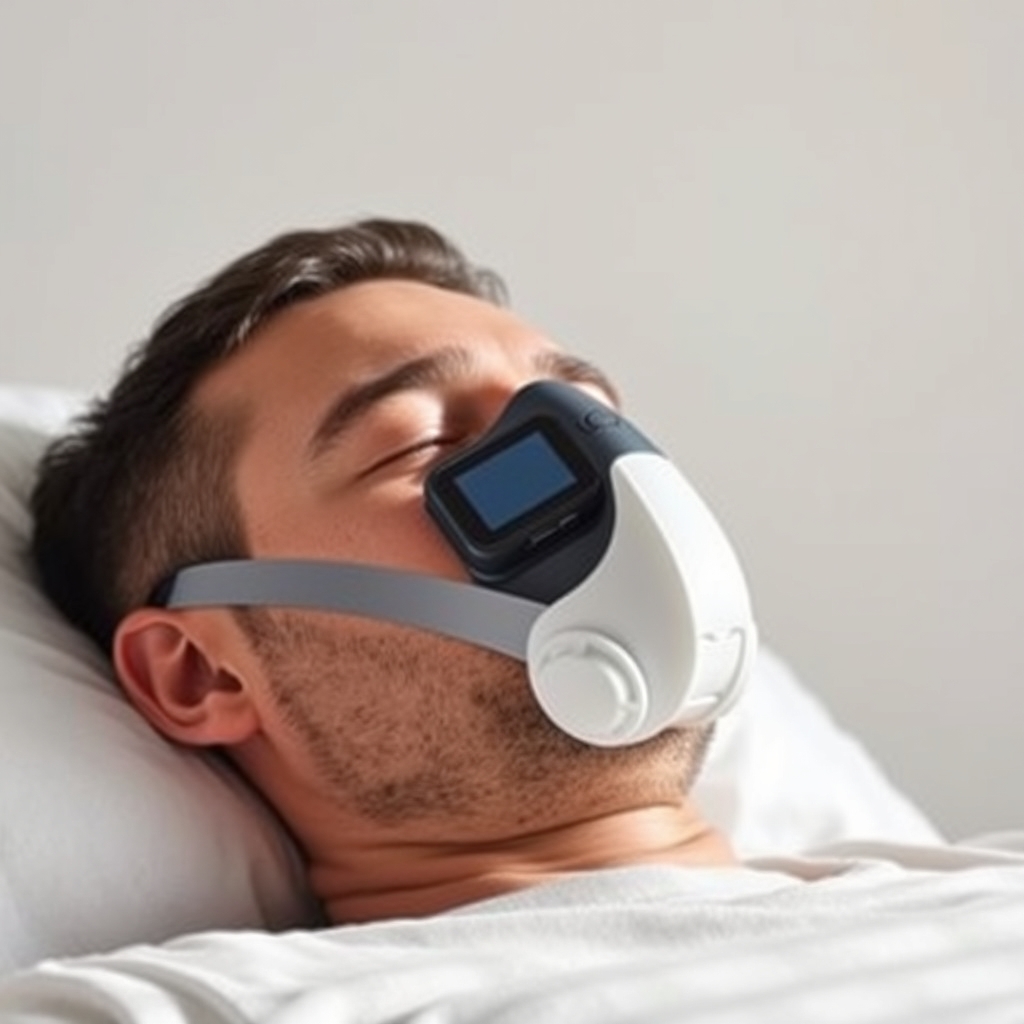
- Sleep apnea vs insomnia: the core difference
- Signs of sleep apnea at night
- Snoring and waking up tired: what it can and cannot tell you
- Signs that point more toward insomnia
- Side-by-side: sleep apnea vs insomnia
- Can you have both, and what else causes night waking?
- How to track a week of sleep before you decide
- When to see a doctor and what to expect
Insomnia is trouble falling or staying asleep despite time and opportunity. Sleep apnea is repeated breathing disruption during sleep, often with loud snoring, gasping and unrefreshing sleep. They can overlap, so if you gasp awake or wake tired after a full night, ask a clinician about a sleep study.
If you keep waking at night, it is natural to assume insomnia. But the sleep apnea vs insomnia question matters, because the two problems have different causes and different next steps. A breathing problem that interrupts sleep will not respond to the habits and aids that help with trouble falling asleep.
This guide helps you sort the patterns: what you notice at night, what you notice in the morning, and what a bed partner may have seen. It is general information, not a diagnosis. Only a qualified clinician can tell you what is going on.
Use it to decide whether to keep working on sleep habits, or to book an appointment and ask about a sleep study.
- Insomnia is trouble falling or staying asleep even when you have time and a suitable setting for sleep.
- Sleep apnea is repeated breathing disruption during sleep. Clues include loud snoring, gasping or choking, and feeling unrefreshed after a full night.
- The two can occur together, and night waking alone cannot tell them apart.
- Gasping awake, witnessed breathing pauses or heavy daytime sleepiness are reasons to see a clinician, not to try another sleep aid.
- No supplement is an established treatment for sleep apnea.
Sleep apnea vs insomnia: the core difference
Insomnia is mainly a problem of getting or keeping sleep. You lie awake, you wake early, or you wake in the night and can't drift back off, despite having the time and a reasonable place to sleep. Clinicians often describe chronic insomnia as this pattern occurring several nights a week for months, along with daytime effects like fatigue, low mood or poor concentration.
Obstructive sleep apnea is a problem of breathing during sleep. The upper airway repeatedly narrows or collapses, airflow drops or stops, and the brain briefly rouses the body to reopen it. Those arousals can be so brief that you do not remember them, yet they fragment sleep.
That is why someone with apnea may believe they slept eight hours and still wake exhausted. Someone with insomnia, by contrast, usually knows they were awake, because they remember the clock and the frustration.
There are other forms of sleep-disordered breathing, such as central sleep apnea, where the brain's signal to breathe is disrupted. A clinician sorts those out. For this guide, "sleep apnea" mostly means the obstructive type, which is the most commonly discussed.
Signs of sleep apnea at night
Many of the clearest signs happen while you are asleep, which is why they are easy to miss. If you share a bed or home, ask what they have noticed. If you sleep alone, a phone audio recording can capture snoring or pauses, though it is not a diagnostic tool.
- Loud, habitual snoring, sometimes punctuated by silence and then a snort or gasp.
- Pauses in breathing that someone else observes.
- Waking up gasping or choking, sometimes with a racing heart.
- Restless sleep, with frequent position changes or tangled sheets.
- Waking to urinate more than once, which can have many causes but sometimes appears alongside apnea.
- Night sweats or waking with a dry mouth or sore throat.
Waking up gasping: what it can and cannot mean
Waking up gasping is one of the signs people search for most. It can fit with sleep apnea, but it is not specific to it. Reflux, a panic response, nasal congestion and some heart or lung conditions can also cause a sudden, alarming wake-up.
If it happens once after a stressful week, it may not mean much. If it repeats, or comes with chest pain, shortness of breath while awake or swelling in the legs, seek medical advice promptly rather than waiting to see if it passes.
Snoring and waking up tired: what it can and cannot tell you
Snoring and waking up tired is a common pairing, and it is a reasonable reason to ask about apnea. But each half has many explanations on its own.
Snoring is common and can come from nasal congestion, sleeping on your back, alcohol before bed, or simply relaxed throat tissue. Plenty of people snore without having apnea. What raises concern is snoring that is loud and frequent, especially with breathing pauses or heavy sleepiness.
Waking up tired is even less specific. Short sleep, shift work, depression, medication effects, an irregular schedule, alcohol and other sleep disorders can all cause it. Our page on why you wake up groggy and how to reduce it covers the non-apnea causes in more detail.
Daytime signs worth noting
- Morning headaches that fade within a few hours of waking.
- Dozing off in quiet situations, such as reading, watching TV or sitting in traffic.
- Trouble concentrating or feeling foggy despite enough hours in bed.
- Irritability or low mood that tracks with poor nights.
- Higher blood pressure that your doctor has flagged.
Signs that point more toward insomnia
Insomnia tends to feel different. You are usually aware of being awake, and your mind or body feels "on." The problem may also follow a clear trigger, such as stress, a schedule change, caffeine, or a worrying life event.
- You lie in bed for a long time before falling asleep.
- You wake up and feel alert, with thoughts racing, and cannot settle again.
- You watch the clock and calculate how little sleep you will get.
- You wake early and cannot return to sleep, but no one hears you gasp or snore.
- Your sleep is better in unfamiliar settings, or on vacation, than at home.
- You feel tired and wired at the same time.
Waking around the same time every night, such as 3 AM, is a common complaint and has many possible causes. Our guides to why you wake up at 3am and step-by-step fixes for 3am waking walk through them, including when a pattern points to something other than insomnia.
Side-by-side: sleep apnea vs insomnia
This table is a rough guide. Real life is messier, and plenty of people have features of both.
| Feature | More typical of sleep apnea | More typical of insomnia |
|---|---|---|
| Awareness of waking | Often brief or not remembered; sometimes a gasp or choke | Awake for noticeable stretches |
| Snoring | Loud, frequent, with possible pauses | Not a defining feature |
| Morning feeling | Unrefreshed even after a long night; dry mouth or headache | Tired from lost sleep time, often with a wired feeling |
| Mental state at night | Often not alert; may wake confused or breathless | Often alert, worried or racing |
| Daytime sleepiness | Can be heavy, including dozing in quiet moments | Fatigue, but you may struggle to nap even when tired |
| Who notices it | Often a bed partner | Mainly you |
| Usual first step | Clinical evaluation, possibly a sleep study | Sleep habits, behavioral approaches, clinician input if persistent |
Apnea can also look less "classic" in some people. Some, including many women, may report fatigue, morning headaches, mood changes or insomnia-like night waking more than loud snoring. If you are in perimenopause or menopause, our page on menopause, hormones and night waking covers how these overlap.
 Recommended for youTrouble Sleeping Through the Night: Causes and Signs
Can you have both, and what else causes night waking?
Yes, you can have both. Breathing interruptions fragment sleep, and after a frightening gasp you may lie awake worrying. Over time, anxiety about sleep can become its own problem. That is one reason insomnia advice alone sometimes stalls when apnea is the underlying driver.
Several other things can cause or worsen night waking, and they can mimic either condition:
- Alcohol, caffeine and late meals. Alcohol can help you doze off, then fragment sleep later and relax airway muscles. See our guide on alcohol, caffeine and late meals.
- Stress and a keyed-up nervous system. Read about stress, cortisol and night waking.
- Reflux, pain, restless legs or frequent urination. These need their own evaluation.
- Medications and substances. Some prescriptions affect sleep, so ask a pharmacist or clinician.
- Room conditions. Heat, light, noise and a pet or partner can all interrupt sleep.
Common risk factors for sleep apnea
Risk factors do not diagnose anything, but they help you judge how seriously to take the signs above. Commonly cited ones include excess weight, a larger neck circumference, older age, a family history, nasal obstruction, and alcohol or sedative use near bedtime. Apnea is often described as more common in men, but it affects people of all genders, and risk in women rises after menopause. Our page on sleep supplement safety for men covers apnea in the context of supplement choices.
See the details, current pricing and who it suits.
Check current optionsAffiliate link: we may earn a commission at no extra cost to you.How to track a week of sleep before you decide
A short log makes an appointment more productive and helps you stop guessing. You do not need a wearable. A notebook and one conversation with a bed partner or housemate will do.
- Record your timing. Write bedtime, estimated time to fall asleep, number of wake-ups, and final wake time each morning.
- Note how the wake-ups felt. Were you alert and thinking, or gasping, choking or confused?
- Ask about snoring and pauses. If someone shares your room, ask them to note loud snoring or silent gaps. Or make a short audio recording.
- Log morning symptoms. Dry mouth, headache, sore throat and how refreshed you felt on a simple 1 to 5 scale.
- Track daytime sleepiness. Note any dozing in quiet situations, and anything that happens while driving.
- Record what you took. Alcohol, caffeine, late meals, medications and supplements, with times.
- Review the week. Gasping, witnessed pauses or heavy sleepiness are a cue to book an appointment. A pattern of lying awake with racing thoughts leans toward insomnia, and still deserves clinician input if it persists.
If your log looks like insomnia, our page on sleeping better without buying anything lists habit changes that cost nothing. Our overview of trouble sleeping through the night helps you match patterns to causes.
When to see a doctor and what to expect
See a clinician soon if you have witnessed breathing pauses, you wake gasping or choking repeatedly, you fall asleep unintentionally during the day, or you have morning headaches with loud snoring. Seek urgent care for chest pain, severe shortness of breath or symptoms that feel like an emergency.
A typical visit starts with questions about your sleep, snoring, daytime energy, health history and medications. A clinician may use a short screening questionnaire. If apnea seems possible, they may order a sleep study, either in a lab overnight or, for some people, with a home sleep apnea test. They decide which fits your situation.
If apnea is confirmed, treatment depends on severity and your circumstances. Options often discussed include CPAP (a device that keeps the airway open with air pressure), oral appliances, positional strategies, weight management, treating nasal problems, and in some cases surgery. Your clinician can explain the trade-offs. Those include comfort and adherence with CPAP, which is a real downside many people struggle with.
If tests rule out apnea, you have still learned something. You can focus on insomnia-style approaches, including behavioral methods that clinicians commonly recommend first for chronic insomnia.
Where a sleep supplement fits, and where it does not
This site covers YU SLEEP (Sleep and Dreams), so here is a plain statement of what it can and cannot be. We have not used it, and we are not making claims about how it performs. The official page describes it as a liquid "nano-enhanced sleep formula" taken as 2 droppers 30 minutes before bed. It says it is designed to help people fall asleep faster, stay asleep and wake refreshed.
That is a goal about sleep onset and maintenance. It is not a claim to treat a breathing disorder, and nothing on the page that we reviewed says it treats sleep apnea. Our review of the page found that it lists ingredients including melatonin (stated at 0.9 mg per serving), magnesium glycinate, L-theanine, GABA, 5-HTP and others. The page gave no studies to support its claims, and we did not see a disclaimer in the text we reviewed, so check the full page footer.
The page's "Is this right for me?" section was cut off in our extracted text, so we cannot tell you who the makers say should avoid it. For that reason, the cautions below apply to any sleep supplement:
- Do not use a supplement to cover suspected apnea. If you snore loudly, gasp awake or feel sleepy all day, get evaluated first.
- Sedating products and alcohol deserve extra care. Alcohol and some sedating medicines can relax airway muscles. We cannot say how any particular product interacts with untreated apnea, so ask a clinician.
- Medications matter. If you take prescriptions, especially for blood pressure, sleep, mood or seizures, read our page on who should talk to a doctor first.
- Know the label. Our guide on how to read a sleep supplement label explains doses, blends and red flags, and our page on long-term melatonin use covers common questions.
- Check medical conditions. See YU SLEEP and medical conditions for who should ask a doctor first.
If you have ruled out apnea with a clinician and still want to consider it, our page on whether YU SLEEP is right for you sets out what it is and how to weigh it. Prices and the advertised 60-day guarantee can change, and the page gave no terms for it, so confirm everything on the official page before you buy. For a broader assessment, see our final verdict before you order.
Next steps
Start with your one-week log, then decide: book an appointment if you see gasping, witnessed pauses or heavy sleepiness, or work on habits if your pattern looks more like lying awake. Either way, bring the log to the visit.
For wider context, read our guide to trouble sleeping through the night. If your waking is clock-bound, go to why you wake up at 3am. If you are weighing aids, start with talking to a doctor first.
Frequently asked questions
How can I tell if I have sleep apnea or insomnia?
You can't be sure without a clinician, but patterns help. Insomnia usually means lying awake or struggling to fall back asleep. Apnea more often involves loud snoring, gasping or choking, a dry mouth or headache on waking, and tiredness after a full night. A bed partner's observations are useful. A sleep study can confirm apnea.
Is waking up gasping always sleep apnea?
No. Waking up gasping can happen with sleep apnea, but also with reflux, anxiety or panic, nasal congestion, or other conditions. Because it can signal a breathing problem, do not self-diagnose. Mention it to a doctor, especially if it repeats or comes with loud snoring, chest symptoms or daytime sleepiness.
Can snoring and waking up tired happen without sleep apnea?
Yes. Snoring alone is common and does not always mean apnea. Waking up tired can also come from short sleep time, alcohol, irregular schedules, medications, depression or other sleep disorders. The combination of loud snoring, witnessed pauses in breathing and heavy daytime sleepiness is more worth checking.
Can you have insomnia and sleep apnea at the same time?
Yes, the two can overlap. Breathing disruptions can fragment sleep and cause night waking, and worry about sleep can make it harder to fall back asleep afterward. If insomnia treatment is not helping, or you also have apnea signs, ask a clinician whether apnea has been checked.
How is sleep apnea diagnosed?
Usually a clinician reviews your symptoms and risk factors, then may order a sleep study. That can be done overnight in a sleep lab or, for some people, with a home sleep apnea test. Which test fits depends on your health history, so a clinician should make that decision.
Will a sleep supplement fix sleep apnea?
No supplement is established as a treatment for sleep apnea, which is a breathing disorder. A supplement aimed at falling or staying asleep does not address airway collapse. If you suspect apnea, get it evaluated first and check with a clinician before adding anything sedating or new.
Should I take sleep aids if I snore loudly?
Check with a clinician first. Alcohol and some sedating medicines can relax airway muscles and may worsen breathing during sleep in people with apnea. Supplements vary, and we cannot say how a given product interacts with untreated apnea. Get the snoring and tiredness evaluated before you rely on any sleep aid.
Keep reading
 Why Do I Wake Up at 3am? Common Causes and PatternsWhy do I wake up at 3am? Learn the common causes, how to spot your pattern, what to try first, and…
 Sleep Supplement Safety for Men: Apnea, Nighttime Urination and Medication ChecksSleep supplement safety for men: how apnea, nighttime urination and medications change the risk, pl…
 Sleep Supplements and Medications: Who Should Talk to a Doctor FirstSleep supplement drug interactions explained: who should check with a doctor first, with notes on a…
