If you are dealing with stress and waking up at night, you are in large company. Deadlines, inboxes and late calls keep the mind switched on, and sleep often pays for it. The usual pattern is falling asleep fine, then surfacing in the small hours with a busy head.
Cortisol, the body's main stress hormone, gets much of the blame. It is part of the story, but not the whole one. This guide explains what is known in general terms, what is overstated online, and what you can do this week.
It is general information, not medical advice. If night waking is frequent or worrying, a clinician is the right person to sort out the cause.
- Cortisol normally rises toward morning, so early-hour waking can feel like a stress signal even when other factors are involved.
- Habits (caffeine, alcohol, late screens, clock-watching) often matter as much as the stress itself.
- Sleep apnea, pain, mood conditions and medication can mimic stress waking.
- Supplements are optional, not a substitute for addressing workload and routine.
How stress and waking up at night are connected
Sleep is not a solid block. You cycle through lighter and deeper stages, with brief awakenings that most people never remember. When your stress response is more active, those awakenings are easier to notice and harder to sleep through.
Then a second problem begins. Lying awake, you start thinking about tomorrow's meeting, and that thinking keeps you alert. Over time the bedroom itself can become associated with worry rather than rest.
What cortisol actually does at night
Cortisol follows a daily rhythm. It is typically lowest in the first part of the night and climbs in the early morning hours, peaking shortly after you wake. This helps you feel alert for the day.
Under ongoing stress, some people may be more sensitive to that morning rise, or have a stress response that stays switched on longer into the evening. That is a plausible reason for waking in the early hours. It is a hypothesis for any one person, not a diagnosis.
Why "high cortisol at 3am" is oversimplified
Online posts often present 3am waking as proof of a cortisol problem. In reality, the same pattern can come from alcohol wearing off, blood sugar swings, sleep apnea, pain, hot rooms, or a bladder that needs emptying. Consumer saliva or urine kits are not a dependable way to sort these out.
If you suspect a hormonal issue, ask a doctor what testing, if any, makes sense for you.
Why busy professionals are especially exposed
Professional life stacks several sleep disruptors at once. Each looks minor, but together they add up.
- Late work: Answering email at 10pm keeps your mind in problem-solving mode.
- Caffeine timing: An afternoon coffee can still be in your system at bedtime.
- Alcohol as a wind-down: It may help you drop off but tends to fragment sleep later. See our guide on alcohol, caffeine and late meals.
- Irregular schedules: Travel, shifting meetings and weekend catch-up sleep blur your body clock.
- Screens and light: Bright light late in the evening can make it harder to feel sleepy.
Is it stress, or something else?
Stress is a common cause of night waking, but it is easy to assume it is the only one. Compare your pattern against this table.
| What you notice | May point toward | Useful next step |
|---|---|---|
| Racing thoughts, worry about work, tension | Stress-related insomnia | Wind-down routine, worry capture, CBT-I |
| Snoring, gasping, morning headache, daytime sleepiness | Possible sleep apnea | See a doctor; read apnea vs insomnia signs |
| Waking after drinking alcohol | Alcohol-related fragmentation | Stop drinking within a few hours of bed |
| Persistent low mood, loss of interest | Possible depression or anxiety disorder | Speak with a clinician |
| Hot flashes or night sweats | Hormonal change | See menopause and night waking |
| Needing the toilet repeatedly | Fluids, medication, or a medical issue | Raise it with your doctor |
For a broader overview of causes, see our pillar on trouble sleeping through the night.
A practical plan for work stress insomnia
Treat this as an experiment. Change a few things for two to three weeks, keep brief notes, and see what moves.
- Fix your wake time. Get up at the same time daily, including weekends. This anchors your body clock more than a fixed bedtime does.
- Set a work shutdown. Pick a time, close the laptop, and write tomorrow's top three tasks on paper.
- Cut caffeine earlier. Try nothing after midday and see whether sleep changes.
- Move alcohol away from bed. Leave a gap of several hours, or skip it on work-heavy nights.
- Build a 30-minute wind-down. Dim lights, no work, no news. Reading, a shower or stretching all work.
- Keep the room cool, dark and quiet. Cover clocks and standby lights.
- Review after three weeks. If nothing improves, speak with a doctor.
Many more free options are covered in sleep better without buying anything.
 Recommended for youWhy Do I Wake Up at 3am? Common Causes and Patterns
What to do when you wake at 3am
The goal is to lower arousal, not to force sleep. Trying hard to sleep tends to backfire.
- Do not check the time. Doing the sums ("only four hours left") raises stress.
- Park the thought. Keep a notepad by the bed and write the worry down in a line or two.
- Slow your breathing. Try breathing out for longer than you breathe in for a few minutes.
- Get up if you stay awake. If you feel awake for roughly 20 minutes, move to another room, keep lights low, and do something quiet until sleepy.
- Avoid your phone. Bright light and endless content keep you alert.
Our step-by-step page on how to stop waking up at 3am goes deeper, and why you wake up at 3am covers common patterns.
See the details, current pricing and who it suits.
Check current optionsAffiliate link: we may earn a commission at no extra cost to you.Where supplements fit, and where they do not
Some stressed professionals consider a sleep supplement as a small extra. It is reasonable to be skeptical. No product removes the need to deal with workload, caffeine, alcohol and routine, and evidence differs widely between ingredients.
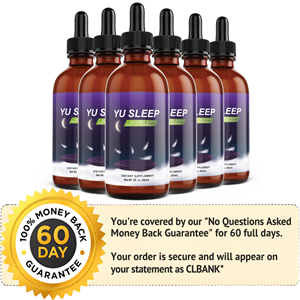
One example is Yu Sleep, a liquid taken by dropper. The official page lists ingredients including tart cherry extract, 5-HTP, magnesium glycinate, apigenin, lemon balm, L-Theanine, GABA and melatonin (the page states 0.9 mg per serving). It directs 2 droppers 30 minutes before bed and says it aims to help with falling asleep and with 3 AM wake-ups. The page gives no doses for the other ingredients, and we did not see studies cited, so treat its claims as the seller's claims rather than established results.
Points to weigh before buying any product like this:
- The page says it sells only packages of two months or more, so the minimum outlay is larger than a trial bottle. Prices change, and shipping may apply; confirm at checkout.
- The page advertises a 60-day guarantee, but we did not see the terms. Read them in full first.
- Melatonin, 5-HTP, and other ingredients can interact with medications. See who should talk to a doctor first.
- A supplement may mask a problem such as sleep apnea that needs proper assessment.
To check the details, see what is inside Yu Sleep, how to read a sleep supplement label, and our page on whether YU SLEEP is right for you. We have not used the product and do not claim it will reduce cortisol or stop night waking.
When to see a doctor
Occasional bad nights during a hard week are normal. Persistent trouble is different and deserves attention. Consider booking an appointment if any of these apply:
- Sleep trouble happens three or more nights a week for a few months.
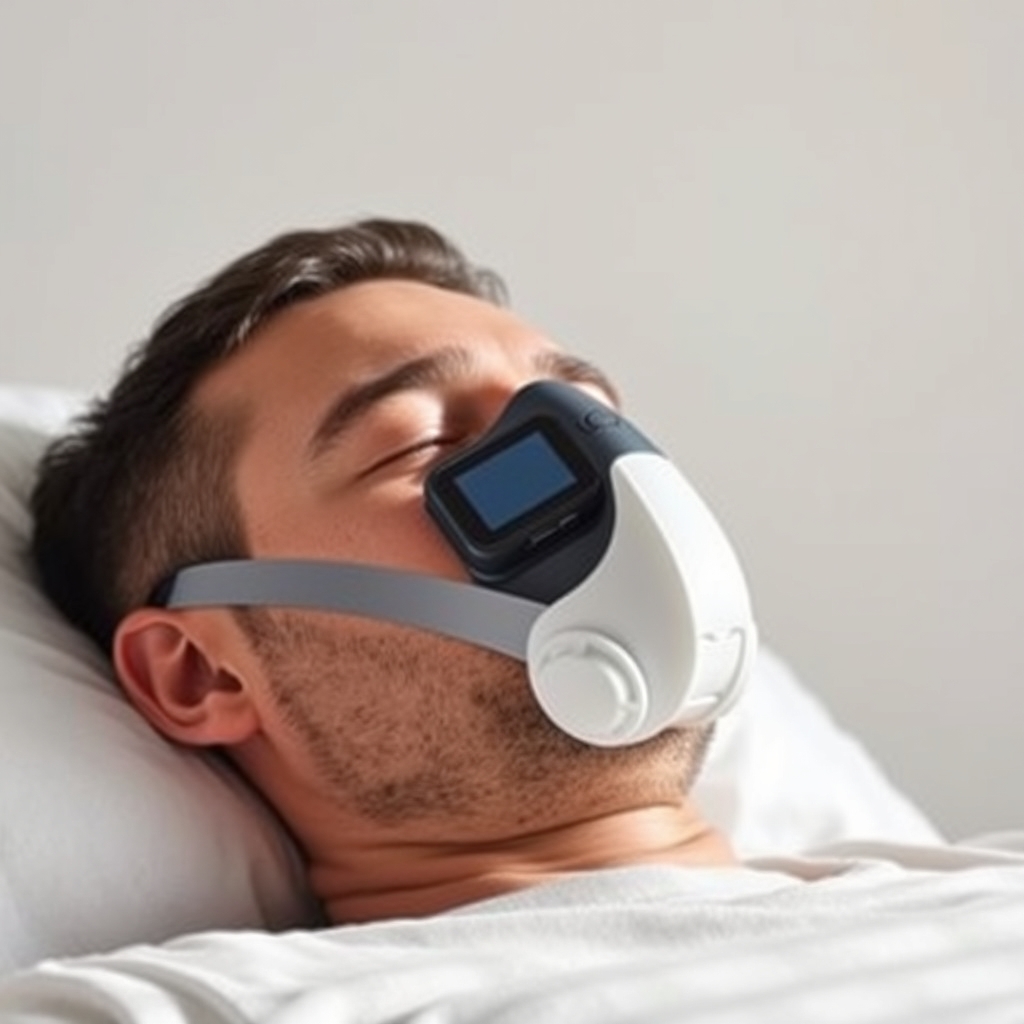
- You snore loudly, gasp, or a partner notices pauses in breathing.
- You feel very sleepy while driving or in meetings.
- You feel persistently low, anxious or hopeless.
- You rely on alcohol or sleep aids most nights.
Cognitive behavioral therapy for insomnia (CBT-I) is widely recommended as a first-line treatment for chronic insomnia, and a clinician can tell you how to access it.
Tracking your pattern for a fortnight
A simple log makes the pattern visible and gives a doctor something useful to read. Each morning, note:
- Bedtime, wake time and roughly when you woke in the night
- Caffeine and alcohol, with times
- Work stress level, from 1 to 5
- Last screen use and last meal
- Anything unusual, such as travel or illness
Look for links. If waking clusters on high-stress days or after evening drinks, you have a lead worth acting on.
Next steps
Start with the plan above, then widen your view. Read the pillar on causes and signs of trouble sleeping through the night, and if morning tiredness is a problem, see how to reduce morning grogginess. If you are weighing a product, compare options in YU Sleep vs alternatives before deciding.
Keep reading
 How to Stop Waking Up at 3am: Step-by-Step FixesHow to stop waking up at 3am: a calm, step-by-step guide to likely causes, habit fixes, what to do…
 Morning Grogginess: Why You Wake Up Groggy and How to Reduce ItWhy do I wake up groggy? Learn sleep inertia causes, what helps you reduce grogginess in the mornin…
 Sleep Apnea vs Insomnia: Signs Your Night Waking May Have Another CauseSleep apnea vs insomnia: compare signs of sleep apnea at night, like gasping and snoring, with inso…