- What counts as an over-the-counter sleep aid?
- Best sleep aid by type: quick comparison
- Sedating antihistamines: strongest effect, most trade-offs
- Melatonin: best for timing problems, not a universal sedative
- Magnesium, L-theanine and other calming supplements
- Multi-ingredient formulas and sleep drops
- How to choose: a step-by-step checklist
- Who should be extra careful with any sleep aid
The best sleep aid over the counter depends on your problem. Melatonin suits timing issues, sedating antihistamines are a short-term option with real next-day downsides, and magnesium, herbal or multi-ingredient formulas suit milder trouble. Match the type to your pattern, then check medications and health conditions first.
If you're searching for the best sleep aid over the counter, the honest answer is that it depends on why you aren't sleeping. A product that helps you fall asleep after a time-zone change does little for 3 AM wake-ups. A strong sedative may get you through one bad night but cost you the next morning.
This guide sorts the main over-the-counter sleep aid pills, liquids and teas by type. For each, you'll see what it is meant to do, where the evidence is thin, and what the downsides are. We haven't used any of these products, and we don't rank brands. We compare types and point you to the pages that go deeper.
For most adults, a sleep aid is one tool among several. If you can, pair any product with the habits covered in our guide to sleeping better without buying anything.
- Pick by problem: trouble falling asleep, trouble staying asleep, a shifted body clock, or racing thoughts each point to different options.
- Sedating antihistamines are the most potent OTC option and carry the most baggage: next-day grogginess, fading effect and cautions for older adults.
- Melatonin is a timing signal, not a sedative. Its average effect on sleep onset is modest.
- Magnesium, L-theanine and herbal options are gentler, with thinner or mixed evidence.
- Multi-ingredient formulas are convenient but make it harder to tell which ingredient is helping or causing a problem.
- Check medications, pregnancy or breastfeeding status and health conditions with a pharmacist or doctor before starting anything.
What counts as an over-the-counter sleep aid?
"Over the counter" covers two quite different groups. The first is drug-style products, such as sedating antihistamines, that are regulated as medicines and carry a standard drug facts label. The second is dietary supplements, such as melatonin, magnesium, herbal blends and sleep drops.
In the US, supplements are not reviewed by the FDA for effectiveness before they're sold. Some independent analyses of melatonin products have found that the amount in the bottle can differ noticeably from the label. That is a reason to favor brands that publish third-party testing, and to be skeptical of dramatic claims.
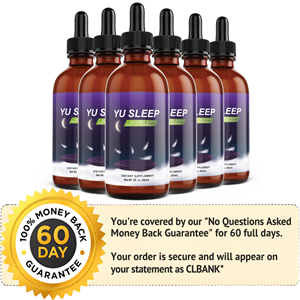
Some products you'll see online aren't on a pharmacy shelf at all. They're sold through a brand's own page, often in multi-month packages. We cover one example, Yu Sleep, later so you can see how to evaluate that kind of offer.
Best sleep aid by type: quick comparison
Use this table to narrow your options before reading the details. "Best for" describes the intended use, not a promise of results.
| Type | Common examples | Best for | Main downsides |
|---|---|---|---|
| Sedating antihistamines | Diphenhydramine, doxylamine | Occasional, short-term nights when you need to be drowsy | Next-day grogginess, dry mouth, tolerance, cautions for older adults |
| Melatonin | Tablets, gummies, drops | Jet lag, shift work, a late body clock | Modest average effect, label accuracy varies, vivid dreams or headache for some |
| Magnesium | Glycinate and other forms | People who want a gentle option and have no kidney concerns | Limited sleep evidence, digestive upset, kidney cautions |
| Calming amino acids and herbs | L-theanine, lemon balm, valerian, chamomile | Mild stress-related restlessness | Mixed or limited evidence, product quality varies |
| Multi-ingredient formulas | Capsules, gummies, drops | People who want one product covering several angles | Hard to isolate what works, more chances of interactions |
| Teas and routines | Caffeine-free herbal tea, wind-down habits | Anyone, as a baseline | Subtle effects; won't override a major sleep problem |
For a broader look at formats, such as when drops beat gummies, see sleep aid types compared.
Sedating antihistamines: strongest effect, most trade-offs
Diphenhydramine and doxylamine are allergy-type ingredients that happen to cause drowsiness. They are the active ingredients in many "PM" products and in some sleep liquids. If you want to see how one drops-style product built on this approach compares, our page on Yu Sleep vs ZzzQuil sets out the differences.
The appeal is obvious: they can make you sleepy on the first night. The downsides are just as well documented:
- Next-day effects. Grogginess, foggy thinking and dry mouth can last into the morning.
- Fading effect. The sedating effect tends to weaken with repeated nightly use, so it isn't a good long-term plan.
- Older adults. Medical guidance for older adults generally advises avoiding this class of antihistamine because of confusion, constipation, urinary problems and fall risk.
- Interactions. They can add to the drowsiness from alcohol and other sedating medicines.
Sleep medicine guidelines, including those from the American Academy of Sleep Medicine, have not endorsed diphenhydramine as a treatment for chronic insomnia. If you use one, treat it as a rare, short-term option, and ask a pharmacist whether it fits your medications.
Melatonin: best for timing problems, not a universal sedative
Melatonin is a hormone your body makes as part of its day-night rhythm. A supplement acts more like a signal than a sedative. That's why it tends to make the most sense when the problem is timing: crossing time zones, working nights, or being a natural night owl who has to wake early.
Across studies, the average effect on how quickly people fall asleep is modest. Some people notice a clear difference and many don't. Common side effects include headache, daytime sleepiness and vivid dreams. Because products vary in strength and accuracy, a consistent brand matters more than a bigger number on the label.
If you'd rather skip it, whether because of side effects, medications or personal preference, see our comparison of sleep aids without melatonin. If you're weighing a single-ingredient tablet against a blend, Yu Sleep vs Natrol Melatonin walks through the trade-offs.
See the details, current pricing and who it suits.
Check current optionsAffiliate link: we may earn a commission at no extra cost to you.Magnesium, L-theanine and other calming supplements
These are the usual picks for people who want something gentler than an antihistamine. They share one trait: the sleep-specific evidence is smaller and less consistent than the marketing suggests.
Magnesium (often glycinate)
Magnesium plays a role in nerve and muscle function, and glycinate is a form people often choose for tolerability. Small studies hint at benefits for some groups, especially people who are low in magnesium, but the evidence isn't strong enough to call it a proven sleep aid. Too much can cause diarrhea, and people with kidney problems need particular care. Our pages on magnesium upper limits and kidney health and magnesium glycinate for sleep cover amounts and cautions.
L-theanine
L-theanine is an amino acid found in tea, often taken for calm without sedation. Research on sleep is limited. It may suit you if racing thoughts, rather than outright sleeplessness, are the main issue.
Herbal options: lemon balm, valerian, chamomile
Herbal options are widely used, and the research is mixed. Valerian studies in particular have produced inconsistent results. Herbs can still interact with medicines, and "natural" doesn't mean safe for everyone. Product strength also varies between brands.
5-HTP
5-HTP is a serotonin precursor found in some sleep blends. If you take an antidepressant or any other medicine that affects serotonin, ask a professional before using it. Our guide to serotonin syndrome symptoms and emergency signs explains why that caution exists.
 Recommended for youYU Sleep vs Alternatives
Multi-ingredient formulas and sleep drops
Blends try to cover several angles at once: a bit of melatonin, a calming amino acid, a mineral and a few botanicals. The upside is convenience. The downsides are that you can't tell which ingredient is doing what, and the more ingredients there are, the more potential interactions and sensitivities.
Liquid drops add a format question: you measure a dose with a dropper and can adjust timing more easily than with a capsule. Our ranking of liquid sleep aids and drops by goal goes through that format in detail.
Example: how to read a direct-sale formula like Yu Sleep
Yu Sleep is a useful case study because its official page is typical of a direct-sale supplement. Here is what the page says, kept separate from what it hasn't shown.
- Format and directions: a liquid taken by dropper, with directions of 2 droppers 30 minutes before bed.
- Listed ingredients: red tart cherry extract, 5-HTP, vitamin B6, vitamin B2, magnesium glycinate, apigenin, lemon balm extract, L-theanine, melatonin and GABA. The page states 0.9 mg of melatonin per serving. It gives no amounts for the other ingredients in the text we reviewed.
- Stated aim: to help you fall asleep faster, stay asleep and wake refreshed, using what it calls plant-based ingredients. The page positions this against high-dose melatonin and synthetic products that can leave people groggy.
- Company details: the text we reviewed names no company, address or support contact. It refers to "Dr. Collins" without credentials or institution, so we can't verify that background.
The page says most people notice changes within days and that a "full sleep system reset" takes 3 to 6 months of consistent use. These are the page's claims, not findings we can confirm. The page cites no studies in the text we reviewed, so treat its mechanism language as marketing until you see evidence. Our page on what the evidence supports goes into this further.
Pricing and guarantee, as shown on the page
The page says Yu Sleep isn't sold in packs smaller than two months. Prices below are as displayed and could change ("While Supplies Last"), so confirm on the official page.
| Package | Per unit shown | Package total shown | Bonuses listed |
|---|---|---|---|
| 2 months | $69 (struck-through $99) | $138, reduced from $198, plus shipping | None listed |
| 3 months | $59 (struck-through $99) | $177, reduced from $297 | Three bonus guides |
| 6 months | $49 (struck-through $99) | $294, reduced from $594 | Three bonus guides |
Shipping was explicitly shown only on the 2-month package in the text we reviewed. Shipping may apply on the others, so check at checkout. The page says the 6-month package works out to about $1.60 per night, which is the page's own figure.
Each package is labeled "60 Day Guarantee," but the text we reviewed gave no terms: no refund conditions, return process, or whether shipping or opened bottles qualify. We also did not see a disclaimer in the text we reviewed, so check the full page footer. Our guide to the money-back guarantee, returns and refunds covers what to confirm before you order.
The main downside to weigh: the minimum purchase is two months, so you're committing to a larger purchase before you know whether it suits you. Whether that is worth it depends on the guarantee's real terms. If you want help deciding, see whether Yu Sleep is right for you.
How to choose: a step-by-step checklist
Work through these steps in order. They take about ten minutes and can save you from buying the wrong type.
- Name your pattern. Do you struggle to fall asleep, wake at 3 AM, wake too early, or sleep at the wrong hours? Write it down for a week.
- Rule out the usual culprits. Late caffeine, alcohol and heavy late meals commonly fragment sleep. Our guide to alcohol, caffeine and late meals shows how.
- Match the pattern to a type. Timing problems point toward melatonin. Occasional bad nights might justify a short-term option. Mild restlessness may suit gentler supplements.
- Screen for risks. Check pregnancy or breastfeeding, medicines (especially antidepressants, sedatives, blood pressure or blood sugar medicines), kidney issues, and allergies to any listed ingredient.
- Read the whole label. Look for melatonin in blends, for amounts, and for third-party testing. If a product doesn't list amounts, you can't judge it.
- Start with one product. Adding several at once makes it impossible to tell what helps or hurts.
- Set a review date. Keep a simple sleep log and decide after a couple of weeks whether to continue, change or stop.
If you want a short list of what makes a product lower-risk, see safest non-habit-forming sleep supplements.
Who should be extra careful with any sleep aid
Some groups should get professional advice before taking anything, even a common supplement:
- Pregnant or breastfeeding people. Many supplements haven't been studied well in these situations.
- Older adults. Sedating antihistamines carry specific risks, and falls are a concern with any sedative.
- People on prescription medicines. Interactions are the most common avoidable problem.
- People with diabetes, kidney disease or liver problems. Some ingredients affect blood sugar or are cleared by the kidneys.
- Anyone who drives or works with machinery early. Next-day drowsiness is a safety issue.
Stop taking any product and seek medical help if you develop swelling, trouble breathing, a widespread rash, confusion, a racing heart or severe agitation.
When a sleep aid isn't the right tool
Over-the-counter products are built for short stretches of poor sleep. They are not a treatment for persistent insomnia, and they don't address conditions like sleep apnea, restless legs, depression or anxiety, which can all look like "bad sleep."
See a doctor if any of these apply:
- Trouble sleeping three or more nights a week for a month or longer.
- Loud snoring, gasping or pauses in breathing during sleep, or heavy daytime sleepiness.
- Strong urges to move your legs at night.
- Low mood, constant worry or other changes that came with the sleep problem.
- You've been relying on a product nightly and can't sleep without it.
For ongoing insomnia, sleep medicine guidelines generally point to cognitive behavioral therapy for insomnia (CBT-I) as the first-line approach. It's a structured, non-drug program you can ask your doctor about. Relaxation skills can also help on their own, such as our progressive muscle relaxation script. If your main complaint is waking in the night, our guide to trouble sleeping through the night lists common causes and warning signs.
Next steps
Start by writing down your sleep pattern and checking your medicines. Then pick one type from the table and review a longer comparison. Our Yu Sleep vs alternatives overview is a good hub for side-by-side comparisons, and sleep aid types compared goes deeper on formats.
If a direct-sale formula is on your shortlist, confirm the current price, shipping and the full guarantee terms on the official page before you order, and talk to a pharmacist or doctor if you have any health conditions or take other medicines.
Frequently asked questions
What is the best sleep aid over the counter for adults?
No single product is best for everyone. Melatonin tends to suit timing problems like jet lag or a late body clock. Sedating antihistamines work for occasional nights but cause grogginess and build tolerance. Magnesium, L-theanine and herbal options are gentler but have thinner evidence. Check medications and health conditions with a pharmacist first.
Is melatonin or diphenhydramine better for sleep?
They do different jobs. Melatonin is a timing signal and tends to help most when your body clock is off. Diphenhydramine is a sedating antihistamine that can make you drowsy but often leaves next-day grogginess, and its effect fades with repeated use. Many sleep clinicians prefer to avoid it for ongoing insomnia.
Are over-the-counter sleep aids safe to take every night?
Most are designed for short-term, occasional use. Nightly use of sedating antihistamines is generally discouraged, especially for older adults. Supplements vary in how well they've been studied for long-term use. If you need something most nights for more than a few weeks, talk with a doctor about the cause.
Which over-the-counter sleep aid is not habit-forming?
Common OTC sleep products are generally not considered addictive in the way prescription sedatives can be, but tolerance and reliance on a routine can still develop. Magnesium, L-theanine and herbal options are usually chosen for this reason. Non-habit-forming does not mean risk-free, since interactions and side effects still apply.
Is Yu Sleep an over-the-counter sleep aid?
Yu Sleep is a liquid supplement. Its official page sells it online in packages of two months or longer, rather than in single bottles. It lists ten ingredients, including 0.9 mg of melatonin per serving. Confirm current availability, pricing and terms on the official page before buying.
Does Yu Sleep come with a money-back guarantee?
The official page labels each package with a 60-day guarantee. The text we reviewed gave no terms, such as refund conditions, return steps or whether shipping is refundable. Read the full guarantee terms on the official page before you buy, and keep your order details in case you need them.
Can I take magnesium and melatonin together?
Many people use both, and many multi-ingredient sleep products combine them. Still, interactions depend on your medications and health, particularly kidney function for magnesium. Ask a pharmacist or doctor before combining sleep supplements, and add one new product at a time so you can tell what is helping or bothering you.
How long should I try a sleep aid before switching?
Occasional-use products like antihistamines should work on the night you take them, if they work at all. For supplements, give a consistent trial of a couple of weeks while keeping a simple sleep log. Stop and talk to a professional if you get side effects or your sleep worsens.
Keep reading
 Sleep Aid Types Compared: Drops, Gummies, Capsules and PowdersSleep aid types compared: how drops, gummies, capsules and powders differ in dose control, convenie…
 Best Sleep Aids Without Melatonin: Alternatives and How They CompareLooking for sleep aids without melatonin? Compare magnesium, L-theanine, glycine, herbs and OTC opt…
 Safest Non-Habit-Forming Sleep Supplements: What to Look ForLooking for a non habit forming sleep supplement? Learn what 'non-addictive' really means, which in…