- How we ranked liquid sleep aids (and what "best" means here)
- Best liquid sleep aid to fall asleep faster
- Best sleep drops for staying asleep through the night
- Best liquid sleep aid without grogginess
- Best liquid sleep aid without melatonin
- Where Yu Sleep fits: a plain-language look
- Best liquid sleep aid if you want low commitment or low cost
- A checklist for choosing any sleep drops
The best liquid sleep aid depends on your goal. For falling asleep faster, a low-dose melatonin liquid is the simplest choice. For a multi-ingredient dropper formula, Yu Sleep is one option, with a two-month minimum purchase and undisclosed ingredient doses. Check with a clinician first if you take medication.
If you are searching for the best liquid sleep aid, the honest answer is that it depends on what you want the drops to do. A liquid that helps you fall asleep faster is not always the one that suits someone who wakes at 3 AM, and neither is ideal if you hate morning grogginess. This guide ranks liquid options by goal, so you can match a product type to your problem instead of chasing a single "best."
We are an independent publication. We have not used any of these products, and we do not run lab tests. The rankings below are a decision framework built on public sleep knowledge and, for Yu Sleep, what the official sales page says. Where the page makes claims it does not support with studies, we say so.
Use this page to narrow your options, then check the label, the full ingredient list and the seller's current terms. If you take medication or have a health condition, talk to a pharmacist or clinician before adding any sleep product.
- Match the liquid to the goal: sleep onset, staying asleep, low grogginess, melatonin-free, or low commitment.
- A liquid format is a convenience choice. It does not by itself prove faster or stronger results.
- Yu Sleep is a multi-ingredient dropper formula with a two-month minimum purchase, and the page gives only one ingredient dose (0.9 mg melatonin).
- Habits (light, caffeine, a consistent schedule) usually matter as much as any bottle.
How we ranked liquid sleep aids (and what "best" means here)
We did not rank by brand popularity or price alone. For each goal, we looked at four things: how well the ingredient type fits that goal, how transparent the labeling tends to be, the likely downsides, and how easy it is to stop if it does not work.
Liquids come in three broad groups:
- Single-ingredient liquids: usually melatonin, sometimes magnesium or an herbal extract. Easy to understand and easy to adjust.
- Multi-ingredient droppers: blends of melatonin, amino acids, minerals and botanicals. Convenient, but harder to judge when doses are not disclosed.
- Over-the-counter antihistamine liquids: these rely on a sedating drug rather than a supplement. They are covered in our comparison of natural drops versus an antihistamine liquid.
One caution up front: we know of no solid evidence that a liquid works better than a capsule with the same ingredients. Marketing terms such as "nano-enhanced" describe a manufacturing claim, not a proven outcome. For a wider look at formats, see our guide to drops, gummies, capsules and powders.
Best liquid sleep aid to fall asleep faster
If your main problem is lying awake at bedtime, your options rank roughly like this:
- A low-dose melatonin liquid. Melatonin is the most studied supplement for sleep onset, though the typical effect is modest. A liquid lets you start low and adjust in small steps.
- A multi-ingredient dropper formula. These combine melatonin with calming ingredients. They may suit you if you want one product, but you cannot easily tell which ingredient is doing what.
- An antihistamine liquid, short-term only. These can make you drowsy, but tolerance can build quickly and next-day grogginess is common. They are not designed for nightly use.
Timing matters as much as the product. Melatonin works as a timing signal, so taking it at a consistent time before bed usually beats taking it at random. A higher dose is not automatically better, and a bigger dose can raise the odds of grogginess.
Best sleep drops for staying asleep through the night
Staying asleep is harder to solve with a supplement than falling asleep. Waking at 2 or 3 AM can come from alcohol, late meals, stress, temperature, pain, a full bladder, hormones or an underlying sleep disorder. A bottle cannot sort those out for you.
That said, the options rank like this for people who wake in the night:
- Fix the cause first, if you can identify it. Our guide to why you wake up at 3 AM lists common patterns, and the overview of trouble sleeping through the night covers warning signs worth raising with a clinician.
- Multi-ingredient formulas aimed at calm and relaxation. Some products pair minerals and calming botanicals with a small melatonin dose. These are marketed for night waking, but the evidence for any specific blend is usually thin.
- Immediate-release melatonin liquids. These tend to help with sleep timing more than with mid-night waking, so they are a weaker fit for this goal.
Yu Sleep says it is designed to help people stay asleep (the page mentions 3 AM wake-ups). It also says it supports the brain's "sleep pressure system," including adenosine buildup, natural melatonin release and a calmer nervous system. We treat that as the seller's description. The page does not cite studies, and we would not expect any drop to "stop" night waking on its own.
Best liquid sleep aid without grogginess
Morning grogginess is the most common reason people give up on a sleep aid. It is usually linked to the dose, the timing or the ingredient type. If grogginess is your main worry, rank your options this way:
- The lowest effective dose of a single ingredient. Starting small makes it easier to spot what is causing a problem.
- A formula with clearly disclosed doses. If you can see every amount, you can compare products and cut back if you need to.
- Last: sedating antihistamine liquids. These are the most likely to leave a "hangover" feeling the next day.
Yu Sleep positions itself against "high-dose melatonin or synthetic supplements" that can leave people groggy, and it lists 0.9 mg of melatonin per serving. That is a lower figure than many melatonin products carry, but the page gives no dose for any other ingredient. You cannot judge the combined effect from the label information we reviewed. Our page on Yu Sleep morning grogginess concerns goes deeper on this.
Practical steps if you feel foggy:
- Take it at the same time each night, and leave enough hours before your alarm.
- Do not combine it with alcohol or other sedating products unless a clinician says it is fine.
- Stop and ask a pharmacist if the grogginess lasts beyond the first mornings or affects driving or work.
Best liquid sleep aid without melatonin
Some people want to avoid melatonin because of vivid dreams, morning drowsiness, or simply a preference. Here is how liquid options rank without it:
- Single-ingredient mineral or amino-acid liquids. Magnesium or L-theanine liquids are simple, with a short ingredient list you can check for allergies.
- Herbal drops. Quality and strength vary a great deal between brands, so look for clear labeling and third-party testing.
- Antihistamine liquids. These contain no melatonin but are not a natural alternative, and they carry their own cautions.
Read every label carefully. Many "natural" blends contain melatonin even when the front of the bottle plays it down. Yu Sleep is one of them: its page lists melatonin among ten ingredients, so it is not a melatonin-free pick. Our guide to sleep aids without melatonin compares alternatives in more detail, and the page on non-habit-forming sleep supplements explains what to look for in a label.
Where Yu Sleep fits: a plain-language look
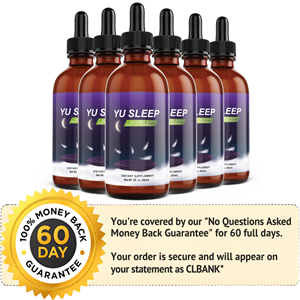
Yu Sleep is a liquid taken by dropper. The page's directions are 2 droppers 30 minutes before bed. It describes the product as an "all-natural nano-enhanced sleep formula" and lists these ingredients: red tart cherry extract, 5-HTP, vitamin B6, vitamin B2, magnesium glycinate, apigenin, lemon balm extract, L-theanine, melatonin and GABA.
What works in its favor:
- One dropper product covers several common sleep ingredients.
- The page states the melatonin amount (0.9 mg per serving).
- The page advertises a 60-day guarantee on each package.
The downsides to weigh:
- Only one dose is disclosed. No amounts are given for the other ingredients, and we did not see a full supplement facts panel, serving count or bottle size in the text we reviewed.
- Minimum purchase is two months. The page says it is not sold in smaller packs, so you cannot trial a single bottle.
- No company or support contact is named in the text we reviewed. The page credits "Dr. Collins," but we found no credentials or institution given.
- No studies are cited, despite references to research.
- Guarantee terms are not shown. Read the full terms on the official page before buying.
- It contains 5-HTP and melatonin, which some people need to avoid or discuss with a clinician, especially alongside certain medications.
For a deeper read on the formula, see what's inside Yu Sleep. If you have allergies or take other supplements, read who should skip Yu Sleep because of sensitivities.
See the details, current pricing and who it suits.
Check current optionsAffiliate link: we may earn a commission at no extra cost to you. Recommended for youYU Sleep vs Alternatives
Best liquid sleep aid if you want low commitment or low cost
Budget and flexibility are real goals, and they cut against some multi-ingredient droppers. Rank your choices by how cheaply you can quit:
- Free habit changes. A fixed wake time, a cooler room and less evening light cost nothing. See how to sleep better without buying anything.
- Small single-ingredient bottles. Low upfront cost, and you can stop any time.
- Multi-month bundles. Better per-night pricing, but a bigger commitment if the product does not suit you.
For reference, the Yu Sleep page shows these packages (USD, as displayed; prices can change, so confirm on the official page):
| Package | Discount shown | Total shown | Bonuses |
|---|---|---|---|
| 2-month supply | 30% off, save $60 | $138 (from $198), plus shipping | Not listed |
| 3-month supply | 40% off, save $120 | $177 (from $297) | Three bonuses |
| 6-month supply | 50% off, save $300 | $294 (from $594) | Three bonuses |
The page says the 6-month package works out to $1.60 per night. The page also says "While Supplies Last," so treat the numbers as subject to change. Shipping is explicitly shown only on the 2-month package, so shipping may apply to the others; check at checkout. The bonuses are two eBooks and a sleep stories bundle (eBook and audio). You can read about the stories in our bonus sleep stories review.
The discounts are shown against a $99-per-unit struck-through price. Whether that is ever the real selling price is something we cannot verify, so compare the actual amount you pay, not the percent saved. Our guide to buying Yu Sleep covers price, where to buy and refunds in detail.
A checklist for choosing any sleep drops
Whichever product you consider, run through this list before you order:
- Read every ingredient. Confirm whether melatonin is included and in what amount.
- Look for disclosed doses. If a label hides amounts behind a "proprietary blend," you cannot compare it or adjust it.
- Check for allergens and interactions. Ask a pharmacist about blood thinners, antidepressants, sedatives and blood pressure drugs.
- Find the seller's identity. A named company, address and support contact are basic trust signals.
- Read the refund terms. A headline such as "60-day guarantee" tells you little until you see conditions, shipping and return rules.
- Beware of miracle language. Phrases such as "permanent fix" or "sleep like a baby" are marketing, not evidence.
- Buy from the official source. Imitation products exist; see our notes on counterfeit warning signs.
Who should pause before using any sleep drops
Sleep supplements are not right for everyone. This is general information, not medical advice, and a qualified professional should guide your decision if any of these apply to you:
- You are pregnant, breastfeeding or trying to conceive.
- You take prescription medication, especially sedatives, antidepressants, blood thinners or blood pressure drugs.
- You have a sleep disorder such as suspected sleep apnea, restless legs or ongoing insomnia.
- You have a surgery scheduled. See when to stop sleep supplements and what to tell your care team.
- The person you are buying for is a child. Our page on Yu Sleep for children explains why it is not recommended.
Also see a clinician if poor sleep lasts for weeks, if you snore loudly or gasp at night, or if low mood or daytime sleepiness is affecting your safety. A supplement can mask a problem that needs proper assessment.
How to trial a liquid sleep aid sensibly
If you decide to try one, a structured trial tells you far more than a vague impression. Follow these steps:
- Track a baseline first. Use our free sleep diary template for one to two weeks before you start.
- Change one thing at a time. Do not start a new product, a new bedtime and a new diet in the same week.
- Follow the label directions. For Yu Sleep, that is 2 droppers 30 minutes before bed per the page, but confirm on the label you receive.
- Keep notes for several weeks. Record time to fall asleep, night wakings, morning alertness and any side effects.
- Compare against your baseline. If you see no clear change, or you feel worse, stop and speak to a professional.
Be careful with timelines. The Yu Sleep page says most people notice changes within days (some on night 1) and that a "full sleep system reset" takes 3 to 6 months. Those are the seller's claims, not independent findings. Individual responses vary a lot, and a placebo effect is real in sleep research, which is one more reason to keep a diary.
Food and drink matter as well. A heavy late meal, alcohol or caffeine can undo the benefit of any drops. Our guide to the best foods and drinks before bed lists what to favor and what to skip.
Is Yu Sleep the right pick for you?
It may be worth considering if you want a multi-ingredient dropper, accept a two-month minimum, and are comfortable with a product that discloses only one dose. It is a weaker fit if you want to avoid melatonin, want a short trial, take interacting medication, or prefer a brand that names its company and publishes studies.
If you want to look at the offer yourself, our page YU SLEEP (Sleep and Dreams): is it right for you? summarizes the key points and links to the official page. Treat it as one input, and confirm current pricing, directions and guarantee terms there before you buy.
Next steps
Pick your main goal from the sections above, then compare two or three options on ingredient transparency, price and how easy it is to stop. The Yu Sleep versus alternatives overview is the best next page for a side-by-side view, and over-the-counter sleep aids compared by type widens the field beyond liquids.
If you are still unsure, start with the free steps: a diary, a steady schedule and a calmer evening routine. If sleep problems persist, a clinician is the right person to ask.
Frequently asked questions
What is the best liquid sleep aid to fall asleep faster?
For most people, a low-dose melatonin liquid taken at a consistent time is the simplest starting point, since melatonin is the most studied option for sleep onset. Multi-ingredient drops such as Yu Sleep are another route, but the page gives only one dose (0.9 mg melatonin). Results vary, so ask a clinician if you take medication.
Are sleep drops better than gummies or capsules?
Not necessarily. Drops let you adjust the amount and skip pills, but we know of no solid evidence that a liquid works better than a capsule with the same ingredients. Taste, convenience, dosing flexibility and price are the practical differences. Choose the format you will actually use consistently.
How do you take Yu Sleep drops?
The official page directs 2 droppers of Yu Sleep 30 minutes before bed. It lists ten ingredients, including 0.9 mg of melatonin per serving. Confirm the directions and any warnings on the official page and label before use, and talk to a clinician first if you are pregnant, take medication or have a health condition.
Is there a liquid sleep aid without melatonin?
Yes. Some liquids rely on ingredients such as magnesium, L-theanine or herbal extracts instead. Others are antihistamine-based over-the-counter liquids, which carry their own drawbacks such as next-day grogginess. Always read the full ingredient list, because multi-ingredient formulas often include melatonin even when the front label stresses other ingredients.
Can I buy Yu Sleep in a single bottle?
According to the official page, no. The smallest package is the 2-month supply, and the page says Yu Sleep is not sold in smaller packs. It shows 2-, 3- and 6-month options, with shipping shown on the 2-month option. Prices can change, so confirm everything on the official page before ordering.
Do liquid sleep aids cause grogginess?
They can. Antihistamine liquids and higher melatonin doses are common culprits, and taking any sleep aid too late in the night can leave you drowsy the next morning. Taking it earlier, using the lowest effective amount and keeping a consistent bedtime can help. Talk to a pharmacist or clinician if grogginess persists.
How long do sleep drops take to work?
It depends on the ingredients. Melatonin is typically taken shortly before bed, while herbal or mineral ingredients are often described as building up over days or weeks. The Yu Sleep page claims some people notice changes within days and that a full reset takes 3 to 6 months. Those are the page's claims, not independent findings.
Keep reading
 Sleep Aid Types Compared: Drops, Gummies, Capsules and PowdersSleep aid types compared: how drops, gummies, capsules and powders differ in dose control, convenie…
 Best Sleep Aids Without Melatonin: Alternatives and How They CompareLooking for sleep aids without melatonin? Compare magnesium, L-theanine, glycine, herbs and OTC opt…
 YU Sleep vs ZzzQuil: Natural Drops or Antihistamine Liquid?YU Sleep vs ZzzQuil compared: ingredients, how each works, downsides, cost and commitment, plus a c…