- Why a dark, quiet bedroom matters
- Do a 5-minute light audit first
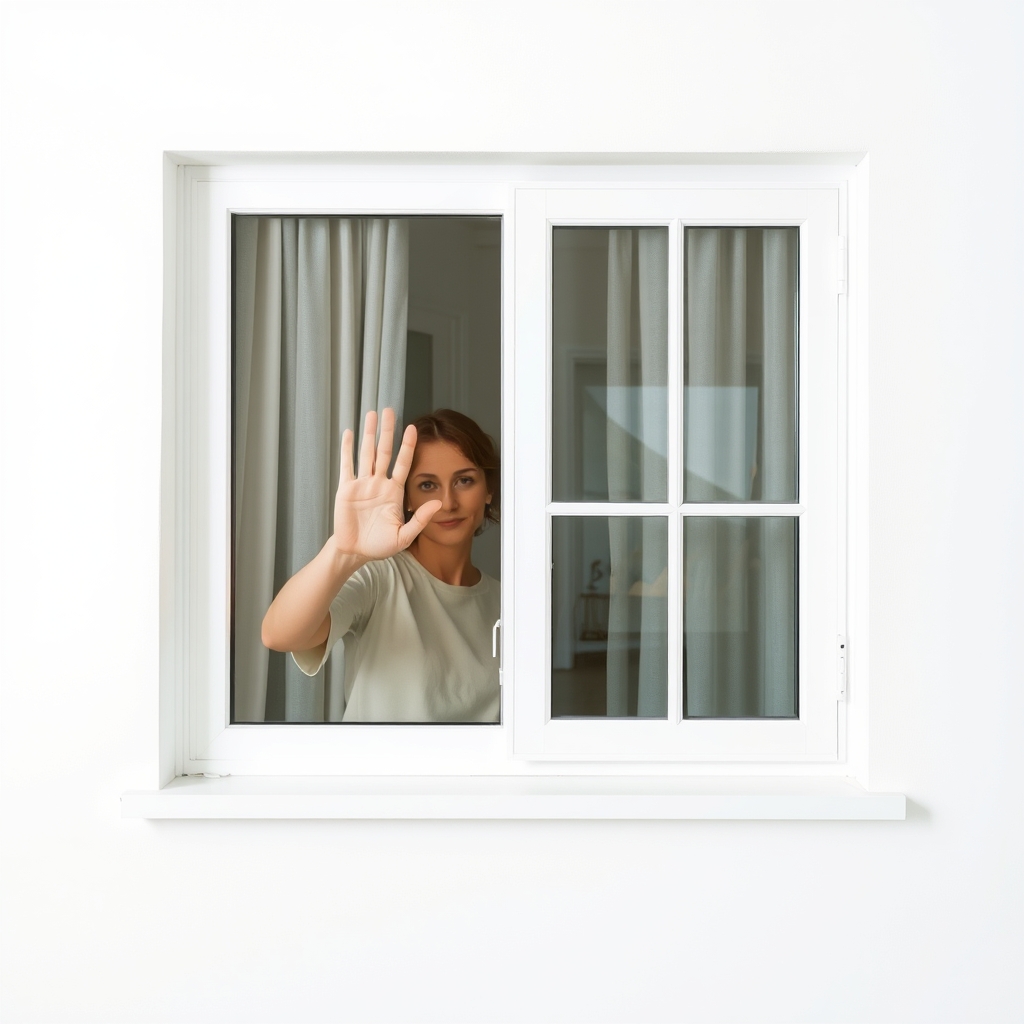
- Cheap blackout ideas for windows
- Block light from doors, LEDs and devices
- Try a DIY sleep mask if you cannot fully darken the room
- How to reduce noise at night for sleep
- Steady sound, fans and earplugs
- Check temperature and comfort while you are at it
To make your bedroom dark for sleep, block light at the window first, then cover small LEDs and seal gaps under the door. For noise, add soft surfaces, move the bed away from shared walls and use steady sound. Most fixes can be done with items you already own.
If you want to know how to make your bedroom dark for sleep, the good news is that most of the work costs nothing. A blanket, some tape and ten minutes of light-spotting at night can do more than you might expect. This guide covers light first, then noise, using what you already own.
We are an independent publication, so we stick to general sleep knowledge and practical steps. We have not run experiments of our own, and results differ between homes and people. Treat the ideas below as things to try, then keep what works.
This page is part of our wider guide, Sleep Better Without Buying Anything.
- Start with the window, since it is usually the biggest light source.
- Cover small LEDs and seal the gap under the door.
- For noise, soften the room, move the bed and use steady sound if it helps.
- Test at night, with the lights off, and fix the worst leak first.
Why a dark, quiet bedroom matters
Light is one of the main signals your body clock uses to tell day from night. Bright or blue-rich light in the evening can make it harder to feel sleepy, and light in the bedroom can disturb sleep for some people. Sudden noise can also pull you out of lighter sleep, even if you do not fully wake or remember it.
Sensitivity varies. Some people sleep through a lot, while others wake at a ticking clock. So the aim is not perfection. It is to remove the biggest disruptions you can control.
For the daytime half of the picture, see our guide to morning sunlight and your body clock.
Do a 5-minute light audit first
Wait until it is dark outside, turn off every light and let your eyes adjust for a few minutes. Then look around from your pillow. You will quickly see where the light comes from, and you can fix the worst source first.
Common light leaks to look for
- Gaps at the sides, top and bottom of curtains or blinds
- Streetlights or car headlights through the glass
- A strip of light under or around the door
- Standby LEDs on chargers, TVs, speakers and power strips
- Digital clocks and phone notification lights
- Light from a hallway, bathroom or neighbor's window
Write the list down and cross items off as you fix them. This keeps you from spending effort on a minor leak while a big one stays open.
Cheap blackout ideas for windows
Windows deserve most of your attention. These cheap blackout ideas use common household items, and you can test them one night at a time.
| Option | How to use it | Downside |
|---|---|---|
| Dark blanket or duvet | Hang over the curtain rod or clip to curtains | Can sag and leak at the edges |
| Cardboard cut to size | Press into the window frame or tape lightly | Looks rough; fiddly to store |
| Dark bedsheet layered behind curtains | Double up fabric to cut glow | Thin fabric lets some light through |
| Painter's tape plus dark paper or bin bags | Tape over the glass | Hard to remove neatly; check rental rules |
| Towels along edges | Roll and lay on the sill or fold over the top | Only covers gaps, not the whole window |
Fixing the edges matters as much as the middle. Light slips around the sides, so overlap your cover beyond the frame by a few inches where you can.
Block light from doors, LEDs and devices
After the window, small sources add up. A single bright standby light can be noticeable once your eyes adjust to the dark.
- Unplug chargers and devices you do not need overnight.
- Cover remaining LEDs with a folded piece of cloth, paper or tape.
- Turn your phone face down, or use do-not-disturb so the screen stays dark.
- Turn clock faces away from the bed.
- Roll a towel or blanket along the bottom of the door to stop hallway light.
- Close the bathroom door if its light or nightlight spills in.
If you need to get up at night, a dim, warm light low to the floor or a small flashlight is better than switching on the main light.
Try a DIY sleep mask if you cannot fully darken the room
Sometimes you cannot change the room, such as in shared housing or when you travel. A soft scarf, a clean t-shirt or a folded cloth tied loosely can work as a mask. Keep it comfortable and not tight around the eyes.
The downsides are real. Masks can slip, feel warm or bother some people. If it keeps you awake, drop it and go back to room-based fixes.
See the details, current pricing and who it suits.
Check current optionsAffiliate link: we may earn a commission at no extra cost to you.How to reduce noise at night for sleep
Noise control follows a similar logic: find the biggest source, then reduce what reaches you. Hard, bare surfaces bounce sound around, while soft ones absorb it.
Free ways to quiet the room
- Close the bedroom door and, if possible, windows facing busy streets.
- Move the bed away from shared walls, hallways and windows.
- Put bookshelves, wardrobes or hanging blankets against noisy walls.
- Lay rugs or folded blankets on bare floors.
- Use heavy curtains, which also help with light.
- Stuff a rolled towel in gaps under doors where noise leaks.
- Switch phones and devices to silent, and mute notification sounds.
Handle household noise by agreement
Some noise comes from people or pets. Agree on quiet hours with housemates, ask about lowering TV volume after a set time, or set up a pet sleeping spot away from your door. A short, friendly request often works better than a silent grudge.
 Recommended for youSleep Better Without Buying Anything
Steady sound, fans and earplugs
Steady sound can mask sudden noises such as doors or traffic. A fan, a low radio hum or an app may work for some people. Research on white noise and sleep is mixed, so treat it as an experiment rather than a fix.
- Keep volume low and the source away from your head.
- Choose a smooth, constant sound over music with changing beats.
- Stop if you sleep worse or feel irritated.
Earplugs are the cheapest paid option if free changes fall short. They suit some people and annoy others. Use clean ones, avoid pushing them deep, and make sure you can still hear any alarms you rely on, such as smoke detectors.
Check temperature and comfort while you are at it
A dark, quiet room can still be a poor sleep space if it is too hot or stuffy. Blocking a window with heavy material may trap heat in summer. Leave some airflow if you can, and see our guide to the best temperature for sleeping.
Our broader walkthrough of free and low-cost bedroom changes covers bedding, clutter and layout too.
Match your evening habits to the dark room
A dark bedroom helps most when your evening matches it. Bright screens and strong overhead lights close to bedtime can work against you. Dim the house in the last hour and keep screens away from your face. Our page on evening light, blue light and screens explains what matters most.
Caffeine, alcohol and late meals can also cause waking that has nothing to do with your room. See how they cause night waking and the caffeine cutoff guide.
If you wonder whether a supplement belongs in your plan at all, fix the room and routine first, since those are free and low-risk. When you are ready to look at a product, our page on whether YU SLEEP is right for you sets out what its official page says, along with the unknowns. Check safety questions and talk with a doctor or pharmacist first if you take medication or have a health condition.
A simple checklist and when to get help
- Do the light audit after dark.
- Cover the window with a blanket, sheet or cardboard.
- Seal the door gap and cover LEDs.
- Move the bed and add soft surfaces for noise.
- Try steady sound or earplugs only if needed.
- Give each change several nights, then keep what helps.
Keep notes using a free sleep diary so you can tell what really made a difference. If you still struggle to sleep after a few weeks, or you snore loudly, gasp at night or feel very sleepy in the day, speak with a doctor. Those can be signs of something a bedroom tweak will not fix.
Next steps
Start tonight with the light audit and one window fix. Then read the pillar guide on sleeping better without buying anything, and if you keep waking in the night, see causes and signs of trouble sleeping through the night.
Frequently asked questions
How can I make my bedroom dark without blackout curtains?
Hang a dark blanket or towel over the curtain rod, tape cardboard or dark paper to the glass, or press a folded duvet into the window frame. Then cover LEDs and block the door gap. Check the edges, since light leaks there most.
Is it better to sleep in total darkness?
Many sleep researchers advise a dark room, since light at night can affect your body clock. You do not need perfect blackness for everyone, though. If you need a little light for safety, use a dim, warm, low-position light instead of overhead light.
What is the cheapest way to block light in a bedroom?
Items you already own are cheapest: blankets, towels, cardboard, a dark bedsheet or painter's tape. Cover the window first, because it is usually the biggest source. A sleep mask made from a soft scarf can help too, though it may slip.
How do I reduce noise at night for sleep for free?
Close doors, add soft items like rugs, blankets and bookshelves along shared walls, and move the bed away from the noisiest wall. Use steady sound such as a fan if it suits you. Foam earplugs are cheap if you want to spend a little.
Does white noise help you sleep?
It can help some people by masking sudden sounds, but evidence is mixed and it does not suit everyone. Keep the volume low, place the source away from your head, and stop if it feels irritating or you sleep worse.
Is foil on windows safe for blocking light?
Foil blocks light well, but it can reflect heat, may damage some window films, and can break rental rules. Try removable options first, such as cardboard or blankets, and check your lease before attaching anything to glass.
What if I cannot make my room dark or quiet?
Use a sleep mask and earplugs, keep a steady routine, and work on the other parts of sleep, such as light exposure in the morning. If poor sleep persists, speak with a doctor or sleep professional.
Keep reading
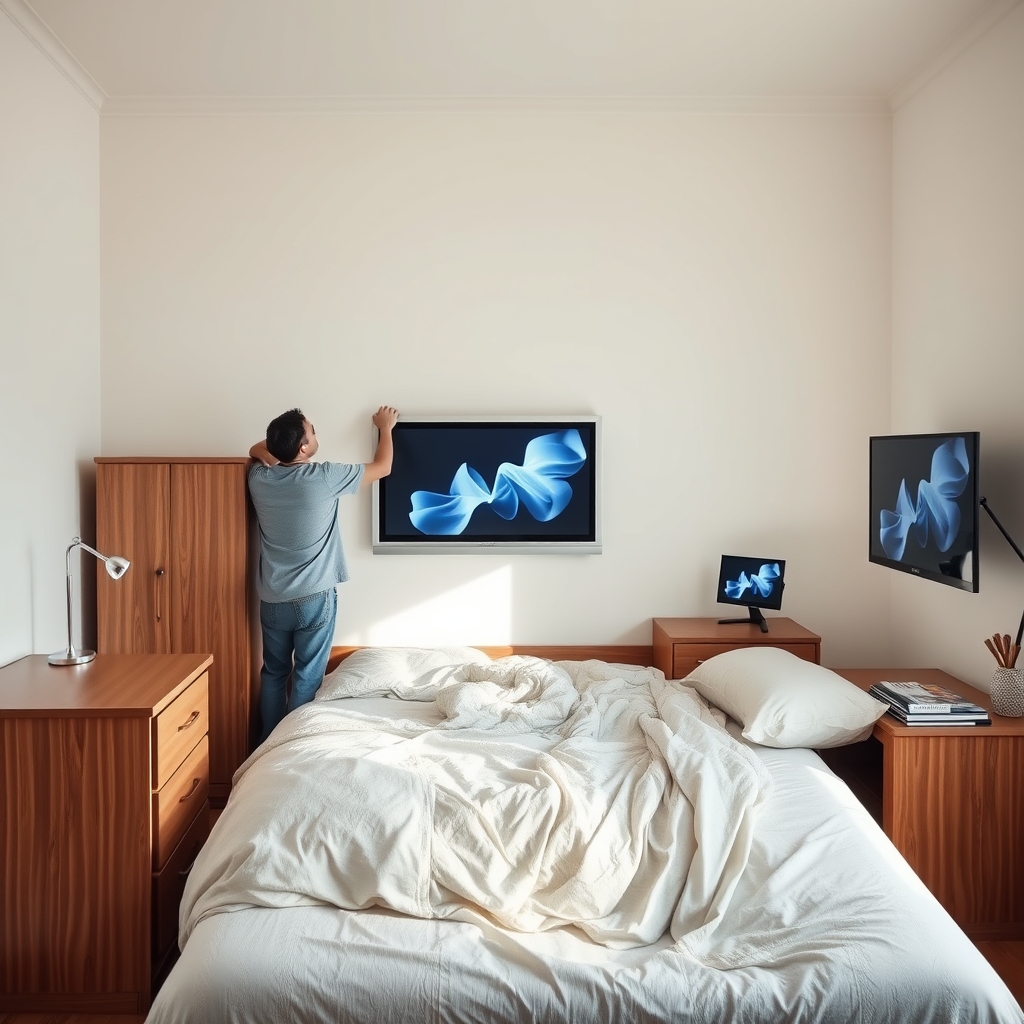 Bedroom Setup for Better Sleep: Free and Low-Cost ChangesBedroom setup for better sleep, step by step: free fixes for light, noise, temperature and bedding,…
 Evening Light, Blue Light and Screens: What Actually Matters Before BedBlue light before bed gets most of the blame for bad nights, and the truth is more useful than the…
 Morning Sunlight and Your Body Clock: How Light Exposure Improves SleepMorning sunlight for sleep: how light exposure sets your body clock, how long to get outside, and a…