Morning sunlight for sleep works because light is the strongest cue that sets your body clock. Getting outdoor light soon after waking, at a consistent time, helps anchor when you feel sleepy at night. Expect gradual change over days to weeks, not overnight.
Morning sunlight for sleep is one of the simplest, cheapest habits you can try. Light is the strongest signal your brain uses to set its internal clock, so when you get it shapes when you feel awake and when you feel sleepy. This guide explains the basics and gives you a plan for a circadian rhythm reset.
We write this as an independent publication. We have not run experiments of our own, and we stick to widely accepted sleep science. Light is not a cure for every sleep problem, and we name the limits below.
If you want the wider picture first, start with our pillar on sleeping better without buying anything.
- Bright light soon after waking helps anchor your body clock.
- Outdoor light is far brighter than indoor light, even when overcast.
- Consistency beats intensity: same wake time, same light habit.
- Dim evenings matter as much as bright mornings.
- Changes build over days to weeks, not overnight.
How light controls your body clock
Your body runs on a roughly 24-hour cycle called the circadian rhythm. It influences alertness, body temperature, hormone release and sleepiness. A master clock in the brain keeps time, and light entering your eyes is its main reset signal.
Specialized cells in the eye respond to bright, blue-rich light and report to that clock. Morning light tells it that the day has begun, which helps schedule sleepiness roughly 14 to 16 hours later. Light late at night can push the clock later.
Your body also builds sleep pressure the longer you are awake. Clock timing and sleep pressure work together, and regular light helps them line up.
Why morning sunlight for sleep works
Morning light does three useful things. It makes you more alert now, it anchors your clock to a consistent schedule, and it makes you more sensitive to the effect of evening darkness.
People who drift into late bedtimes often get most of their light late in the day. Moving light earlier tends to nudge the whole rhythm earlier. The effect is usually modest and gradual, and it varies from person to person.
Indoor light versus outdoor light
Typical indoor lighting is often a few hundred lux or less. Outdoor light, even under cloud, is commonly in the thousands, and direct sun can reach tens of thousands. That gap is why a bright office is not a substitute for a short walk outside.
| Light source | Relative brightness | Usefulness for your clock |
|---|---|---|
| Dim home lighting | Low | Weak morning signal |
| Bright window seat | Moderate | Helpful if you cannot go out |
| Overcast outdoors | High | Good; stay a bit longer |
| Clear-sky outdoors | Very high | Strongest free option |
How much morning light do you need?
There is no universal dose. A common guideline is about 10 to 30 minutes outside within an hour or so of waking, with the longer end on cloudy days. Some people respond to less, and some need more.
Treat any number as a starting point. Track how you feel for two weeks and adjust. Our free sleep diary template makes that easy.
How to reset your body clock: a step-by-step plan
- Pick a fixed wake time. Choose one you can keep seven days a week, within about an hour.
- Get outside soon after waking. Aim for 10 to 30 minutes. Have coffee on the porch, walk the dog, or commute on foot for part of the way.
- Skip sunglasses if comfortable. Your eyes need the light, though safety comes first.
- Stay bright through the day. Work near a window and take a short midday break outdoors.
- Dim the evening. Lower lamps and screens for the last hour or two before bed.
- Keep the bedroom dark. Use the ideas in our guide to making your bedroom dark and quiet for free.
- Shift gradually. Move wake time by 15 to 30 minutes every few days rather than all at once.
- Review after two weeks. Look at sleep onset, night waking and morning alertness.
If your schedule is badly off, pair this with our gradual sleep schedule reset plan.
Evening light matters too
Morning light only works well if evenings are not undoing it. Bright light late at night can delay your clock and make it harder to feel sleepy. The practical goal is contrast: bright days, dim nights.
Not every screen is equally troublesome. Brightness, distance, content and how stimulated you feel all play a role. Our page on evening light, blue light and screens covers what matters most and what is overhyped.
Evening checklist
- Switch overhead lights to lamps after dinner.
- Use warm, low-wattage bulbs in the bedroom and bathroom.
- Hold screens farther away and lower brightness.
- Use a night light rather than the main light for night bathroom trips.
See the details, current pricing and who it suits.
Check current optionsAffiliate link: we may earn a commission at no extra cost to you. Recommended for youCBT-I Basics: How Cognitive Behavioral Therapy for Insomnia Works at Home
Who may need extra care with light exposure
Light is a strong biological signal, so some people should check first. This includes people with bipolar disorder, certain eye conditions, or a history of light-triggered migraines, and those taking photosensitizing medications.
Shift workers, teenagers with a very late rhythm, and people with advanced or delayed sleep phase patterns may need tailored timing. If you suspect something beyond a mild drift, read when to see a doctor about sleep problems.
Other habits that support the same clock
Light is one cue among several. Meals, movement, caffeine and temperature also affect timing and sleep quality.
- Caffeine: a late cup can mask sleep pressure. See our caffeine cutoff guide.
- Exercise: regular activity helps, and outdoor movement doubles as light exposure. See exercise and sleep timing.
- Naps: long or late naps can weaken evening sleepiness. See how to nap without ruining your night.
- Temperature: a cool room helps. See the best room temperature for sleeping.
What light will not fix
Morning light will not solve every sleep problem. Insomnia driven by anxiety, pain, sleep apnea, restless legs, medication effects or other conditions needs different approaches. Light is a foundation, not a treatment for those.
If worry about sleep is the main issue, CBT-I basics at home have stronger evidence for chronic insomnia. Results from light habits vary widely, and a few days without change is normal.
Where supplements fit, if at all
Some people wonder whether a sleep supplement can do the job of a body clock reset. It cannot replace light timing, and no product sets your clock the way sunlight does. If you are curious about one, treat it as an optional add-on after the free basics.
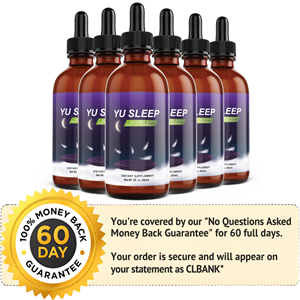
One example is Yu Sleep, a liquid taken by dropper that the official page says contains 0.9 mg of melatonin among other ingredients. The page cites no studies that we saw, and we have not used it. For a balanced view, read YU Sleep vs alternatives, check what a low melatonin dose does, and see whether YU SLEEP is right for you. Talk to a pharmacist or doctor first, especially if you take medication or have a health condition.
Next steps
Start tonight: set a wake time, plan your outdoor 10 to 30 minutes, and dim the lights in the evening. Keep a short diary for two weeks, then adjust.
For more free tools, return to Sleep Better Without Buying Anything, tune your room with bedroom setup changes, or explore causes of trouble sleeping through the night.
Frequently asked questions
How long should I be in morning sunlight to help my sleep?
There is no single proven number. A common suggestion is roughly 10 to 30 minutes outdoors soon after waking, with more time on overcast days since outdoor light is still far brighter than indoor light. Consistency matters more than perfection. Adjust based on how you feel and a sleep diary.
Does morning light help you fall asleep at night?
It can. Light early in the day helps set your body clock so sleepiness tends to arrive at a more regular time in the evening. It is not a sedative, and effects build gradually. Poor sleep can have other causes, so see a clinician if problems persist.
Can I reset my body clock in one day?
Not fully. Light can shift your clock by a limited amount each day, so most people do better with gradual changes of 15 to 30 minutes every few days, plus consistent morning light and a steady wake time.
Does sunlight through a window count?
Window light is usually dimmer than outdoor light, and glass filters some of it. It is better than dim indoor lighting, but stepping outside is generally more effective. If you cannot go out, sit as close to a bright window as you can.
Should I wear sunglasses when getting morning light?
Many sleep experts suggest going without sunglasses for this purpose if it is comfortable and safe. Never look directly at the sun. If you have eye conditions or take light-sensitizing medication, ask an eye care professional first.
What if I work night shifts or wake before sunrise?
Time light relative to your own wake-up, not the clock. Bright light early in your waking period and dim light before sleep is the general idea. Shift work is complex, so a sleep clinician can help tailor timing and safety.
Is a light therapy box as good as sunlight?
Light boxes are used for some circadian and mood problems, but they vary in brightness and quality. Outdoor light is free and typically much brighter. If you consider a box, ask a clinician, especially with bipolar disorder or eye conditions.
Can a supplement replace morning light?
No. Supplements do not set your body clock the way light does. Light timing is a free foundation, and any supplement is an optional extra to discuss with a pharmacist or doctor.
Keep reading
 Sleep Restriction Therapy: How to Try It Safely at HomeSleep restriction therapy how to: set a time-in-bed window, track your sleep, adjust weekly and kno…
 Stimulus Control Therapy: Rules to Retrain Your Brain to Link Bed With SleepStimulus control therapy uses a few simple rules to retrain your brain to link bed with sleep. Lear…
 Sleep Diary Template: How to Track Your Sleep for FreeA sleep diary template is the cheapest sleep tool there is: a simple log you fill in each day, on p…