- Does blue light before bed really affect sleep?
- Screens before bed and sleep: it is not only the light
- Phone before bed: effects to watch for
- How to dim lights at night for sleep
- Screen settings and habits ranked by effort
- What to do instead of scrolling
- Do not forget morning and daytime light
- A one-week test to see if it works for you
Blue light before bed gets most of the blame for bad nights, and the truth is more useful than the headline. Light does affect your body clock, but how bright it is, how long you are exposed and what you are doing on the screen all play a part.
This guide separates what research broadly supports from what is marketing noise. You will get a simple evening plan, a table of common fixes ranked by effort, and a way to check whether any of it is working for you.
It is general information, not medical advice. If sleep problems persist, a doctor or sleep specialist is the right next step.
- Evening light, especially bright and blue-rich light, can delay your body clock.
- Content and habits matter too: a stimulating feed can keep you alert at any screen color.
- Dim, warm lamps and a screen-free buffer are free and do more than most gadgets.
- Morning light is the other half of the equation.
Does blue light before bed really affect sleep?
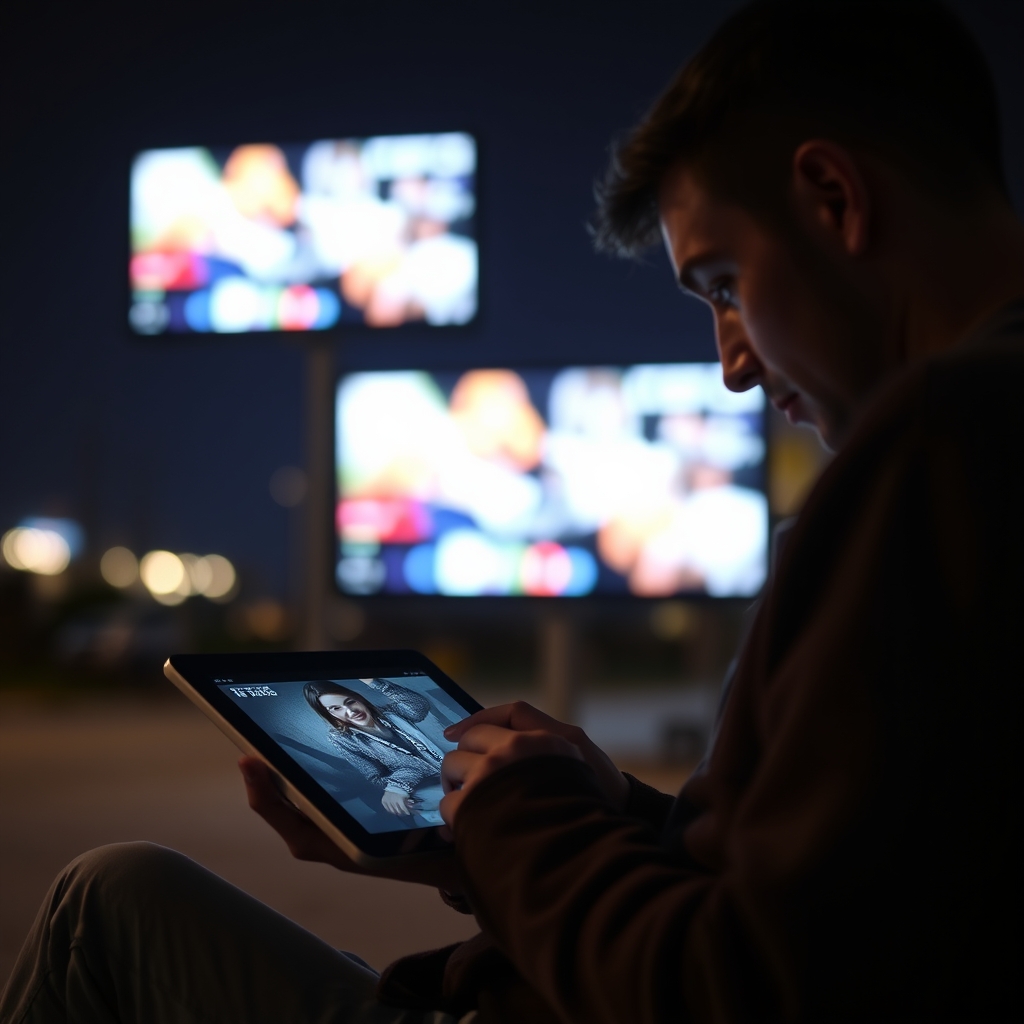
Your body clock uses light as its main timing signal. Specialized cells in the eye are especially sensitive to short-wavelength (blue-rich) light, and evening exposure can push the clock later and reduce the rise in melatonin, the hormone your brain releases as night approaches.
That said, blue light is not a switch. Dose matters: a dim phone at arm's length delivers far less than a bright overhead lamp or a large screen up close. Research on screens and sleep also finds effects that vary a lot between people.
The practical reading: treat evening light as a dial you can turn down, not an enemy you must eliminate.
Screens before bed and sleep: it is not only the light
Screens bring more than photons. They bring content, interruptions and an endless supply of "one more." Several things can go wrong at once:
- Light: brightness and blue-rich output near your eyes.
- Arousal: work email, news, arguments or intense shows keep your mind active.
- Displacement: scrolling pushes bedtime later, shortening sleep.
- Notifications: a buzz can wake you or pull you back in.
This is why night mode alone often disappoints. It addresses the first item and leaves the other three untouched. If you stay up late mainly because it feels like your only free time, see our guide on revenge bedtime procrastination.
Phone before bed: effects to watch for
The effects of a phone before bed show up in ways you can notice yourself. Look for these patterns:
- You feel sleepy at 10 p.m., pick up your phone, and feel wide awake by 10:30.
- Your bedtime keeps drifting later even though your wake time is fixed.
- You check the phone during night wake-ups and then cannot get back to sleep.
- You fall asleep fine but feel unrefreshed, and late-night use is the common thread.
None of these prove the phone is the cause, but they are good clues. A short test (below) can tell you more than any article.
How to dim lights at night for sleep
Dimming lights at night for sleep is the lowest-cost change on this page. The aim is lower, warmer and lower-positioned light as bedtime approaches.
- Pick a start time. One to two hours before bed is a reasonable trial window.
- Switch off overhead lights. Use table or floor lamps instead.
- Choose warm bulbs (often labeled "warm white") for bedroom and living areas you use at night, if you are replacing bulbs anyway.
- Keep bathroom light low. Bright vanity lights right before bed are easy to overlook.
- Use a dim path for night trips. A low-level nightlight beats flipping on the main light.
- Close the loop in the morning with bright daylight (see below).
Screen settings and habits ranked by effort
You do not need to do everything. Start at the top and stop when your sleep improves.
| Change | Cost | Effort | What it addresses |
|---|---|---|---|
| Stop screens 30-60 minutes before bed | Free | Medium | Light, arousal, displacement |
| Lower screen brightness | Free | Low | Light intensity |
| Turn on night mode or warm tint | Free | Low | Blue-rich output |
| Charge phone outside the bedroom | Free or low | Medium | Notifications, night checking |
| Hold device farther away or use a smaller screen | Free | Low | Light reaching the eye |
| Blue light glasses | Varies | Low | Blue-rich light, with mixed evidence |
Be a little skeptical of products that promise to "block" blue light and fix sleep on their own. The evidence for glasses is mixed and effects in studies tend to be modest.
 Recommended for youCBT-I Basics: How Cognitive Behavioral Therapy for Insomnia Works at Home
What to do instead of scrolling
Removing a habit works better when you replace it. Pick something that is low-light and low-stakes:
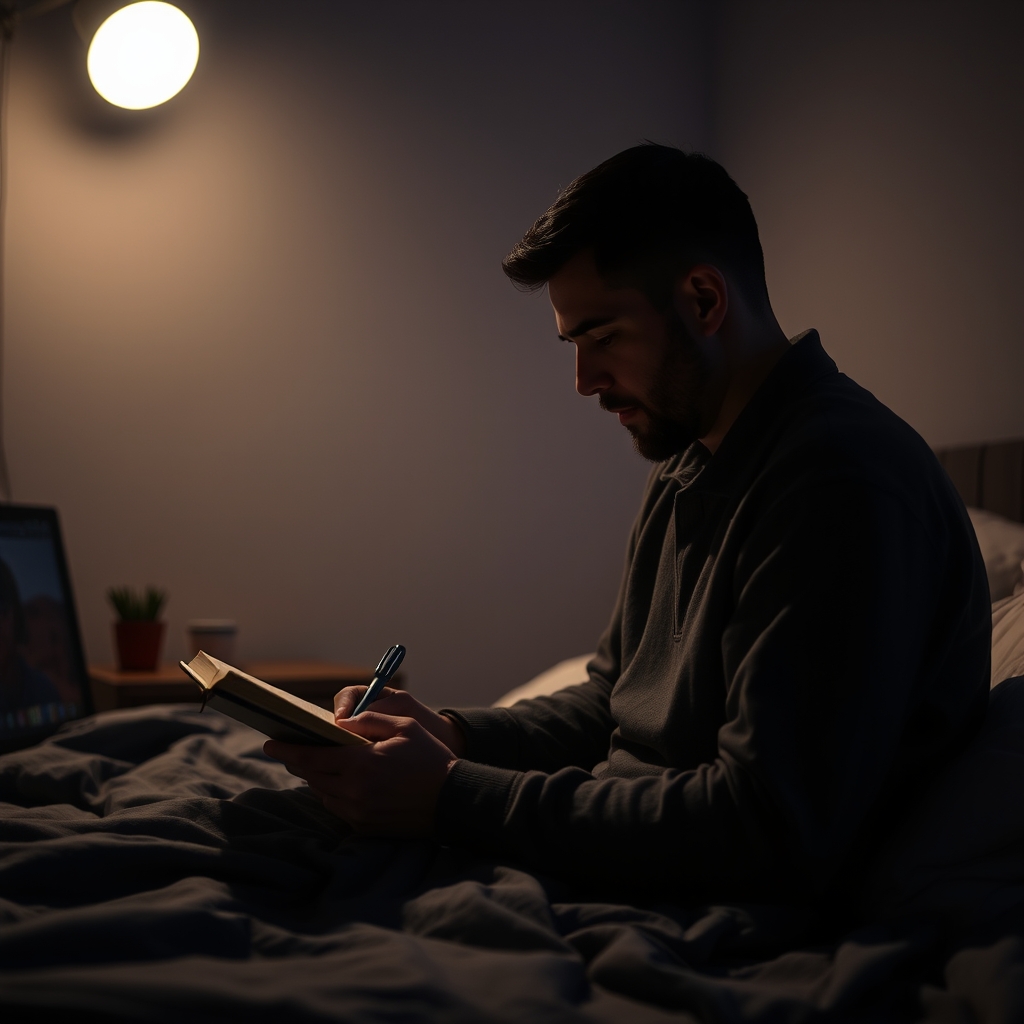
- A paper book or magazine under a warm lamp.
- Gentle stretching or a progressive muscle relaxation script.
- A few minutes of slow breathing.
- Writing tomorrow's to-do list with a bedtime brain dump.
- A warm bath or shower, with the lights kept low.
If you must use a screen, choose something calm and finite, such as one episode of a familiar show, and set a timer so it ends.
See the details, current pricing and who it suits.
Check current optionsAffiliate link: we may earn a commission at no extra cost to you.Do not forget morning and daytime light
Evening dimness works best against a bright day. Getting outdoor light soon after waking helps anchor your body clock, and a brighter day makes a dim evening more noticeable to your biology. Our guide to morning sunlight and your body clock covers how to do this without gear.
If you work night shifts or have a very irregular schedule, light timing gets more complicated. A sleep specialist can help you plan around it.
A one-week test to see if it works for you
Instead of guessing, run a small experiment. You need a notebook or a free sleep diary.
- Days 1-3: change nothing. Record bedtime, rough time to fall asleep, night wake-ups, wake time and how you feel.
- Days 4-7: dim lights and stop screens 45 minutes before bed. Keep caffeine, exercise and wake time steady.
- Compare: look for shifts in how long it takes to fall asleep and how rested you feel.
One week is a rough check, not proof. If nothing changes, light may not be your main issue, and that is useful information too.
Other things that can look like a screen problem
If you cut screens and still struggle, look at the neighbors of the problem:
- Caffeine timing. See our caffeine cutoff guide.
- An irregular schedule. A gradual reset plan can help.
- Racing thoughts or fear of not sleeping. See sleep anxiety.
- Using bed for scrolling. Stimulus control rules retrain the bed-sleep link.
- Room conditions. Check your bedroom setup.
Persistent trouble sleeping, loud snoring with pauses in breathing, or heavy daytime sleepiness deserves a conversation with a doctor.
Where supplements fit (and where they do not)
A supplement cannot dim your lamps or change what you read at midnight. Fix light and habits first, because they cost little and carry no ingredient risks.
If you are still curious about a product such as YU Sleep, a liquid whose official page lists ingredients including melatonin at 0.9 mg per serving, read the details first. Our fit page for YU SLEEP lays out the facts and downsides, and our safety and questions guide covers cautions. Check with a pharmacist or doctor before use, particularly if you take medication, are pregnant or breastfeeding, or have a health condition.
Next steps
Pick two changes from the table and try them for a week. Most readers will do well to start with dimmer lamps and a 45-minute screen buffer.
- Browse the full sleep better without buying anything hub.
- Pair evening changes with morning light.
- Make your room darker with our free dark and quiet guide.
Keep reading
 Sleep Restriction Therapy: How to Try It Safely at HomeSleep restriction therapy how to: set a time-in-bed window, track your sleep, adjust weekly and kno…
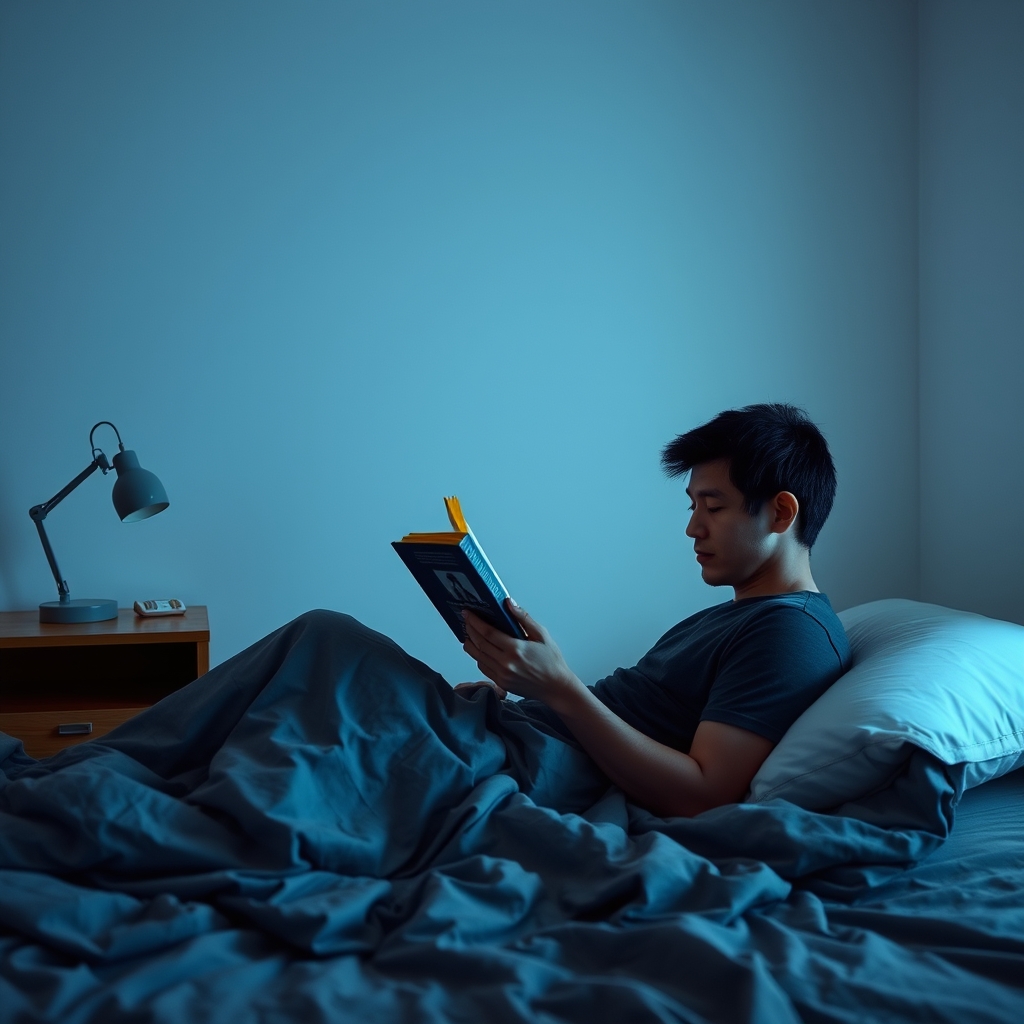 Stimulus Control Therapy: Rules to Retrain Your Brain to Link Bed With SleepStimulus control therapy uses a few simple rules to retrain your brain to link bed with sleep. Lear…
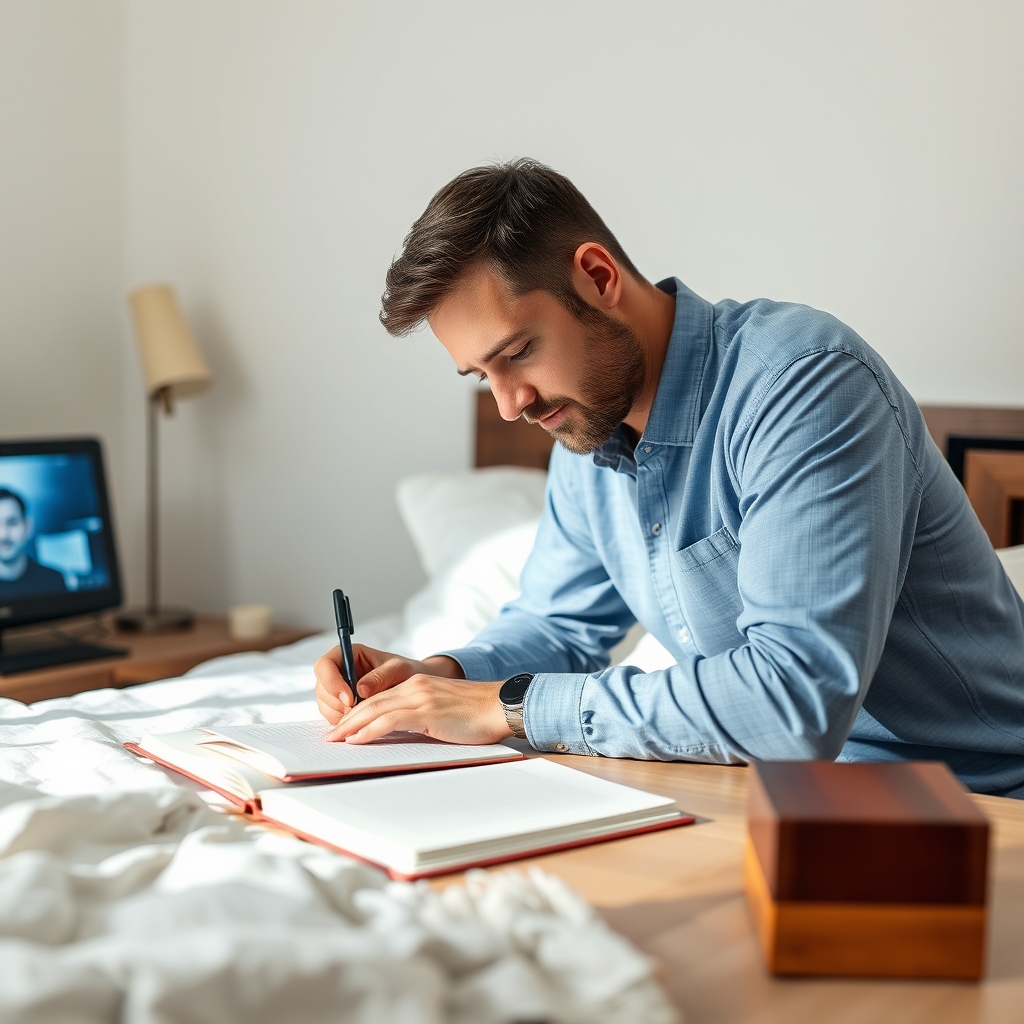 Sleep Diary Template: How to Track Your Sleep for FreeA sleep diary template is the cheapest sleep tool there is: a simple log you fill in each day, on p…