- What makes a bedroom sleep-friendly?
- How to audit your bedroom in 15 minutes
- Light: make the room dark at night, bright in the morning
- Temperature and bedding: cool, but not cold
- Sound, air and clutter
- Make the bed a sleep cue, not a second office
- Low-cost upgrades: what to buy, what to skip
- Where a sleep supplement fits (and where it doesn't)
A sleep-friendly bedroom is dark, quiet, cool, comfortable and used mainly for sleep. Start with free changes: block light, lower noise, cool the room, move screens out and keep the bed for sleep. Add low-cost items only where a specific problem remains. If sleep stays poor, the room may not be the cause.
Bedroom setup for better sleep does not need a shopping trip. Most of the useful changes are free: controlling light, lowering noise, cooling the room and keeping your bed for sleep. A few cheap items can help with specific problems, and some popular purchases are worth skipping.
This guide shows you how to set up your bedroom for sleep in a sensible order. You will find a 15-minute audit, a checklist for each part of the room, and a table of low-cost upgrades with their downsides. It also explains where a supplement fits, and where it does not.
One caution first: a good room supports sleep but cannot guarantee it. If you have snoring with gasping, ongoing insomnia or daytime sleepiness that affects safety, see a qualified clinician. Those problems are not fixed by curtains.
- Aim for a bedroom that is dark, quiet, cool, comfortable and mostly reserved for sleep.
- Do the free changes first, and change only one or two things at a time so you can judge them.
- Buy low-cost items only to solve a specific problem you have identified.
- If sleep stays poor after a couple of weeks, track it and consider a professional's advice.
What makes a bedroom sleep-friendly?
A sleep-friendly bedroom environment comes down to five levers. Each one affects how easily you fall asleep and how often something wakes you.
- Light: darkness at night, and bright light at the right time in the morning.
- Sound: fewer sudden or irregular noises.
- Temperature: a room that is cool enough that you are not tossing under covers or kicking them off.
- Comfort: a mattress, pillow and bedding that do not cause pain or overheating.
- Association: a bed your brain links with sleep, not with email, worry or television.
The needs differ between people. A light sleeper in a city apartment may need to fix noise first, while someone in a bright, warm top-floor room may need light and heat. Our guide on sleeping better without buying anything covers the wider free habits around the bedroom.
How to audit your bedroom in 15 minutes
Do this once, ideally in the evening, so you can see what the room is like when you actually sleep in it. It tells you where to spend effort.
- Turn off the lights and wait two minutes. Note every light source: gaps around curtains, standby LEDs, a hallway strip under the door, your phone screen.
- Stand quietly and listen. Is it steady (a fan, distant traffic) or sudden (a neighbor's door, pipes, notifications)?
- Check the temperature. Read a thermometer if you have one. If not, notice whether the room feels stuffy at bedtime.
- Look at the bed. Is anything causing discomfort: a sagging area, a flat pillow, heavy blankets, scratchy fabric?
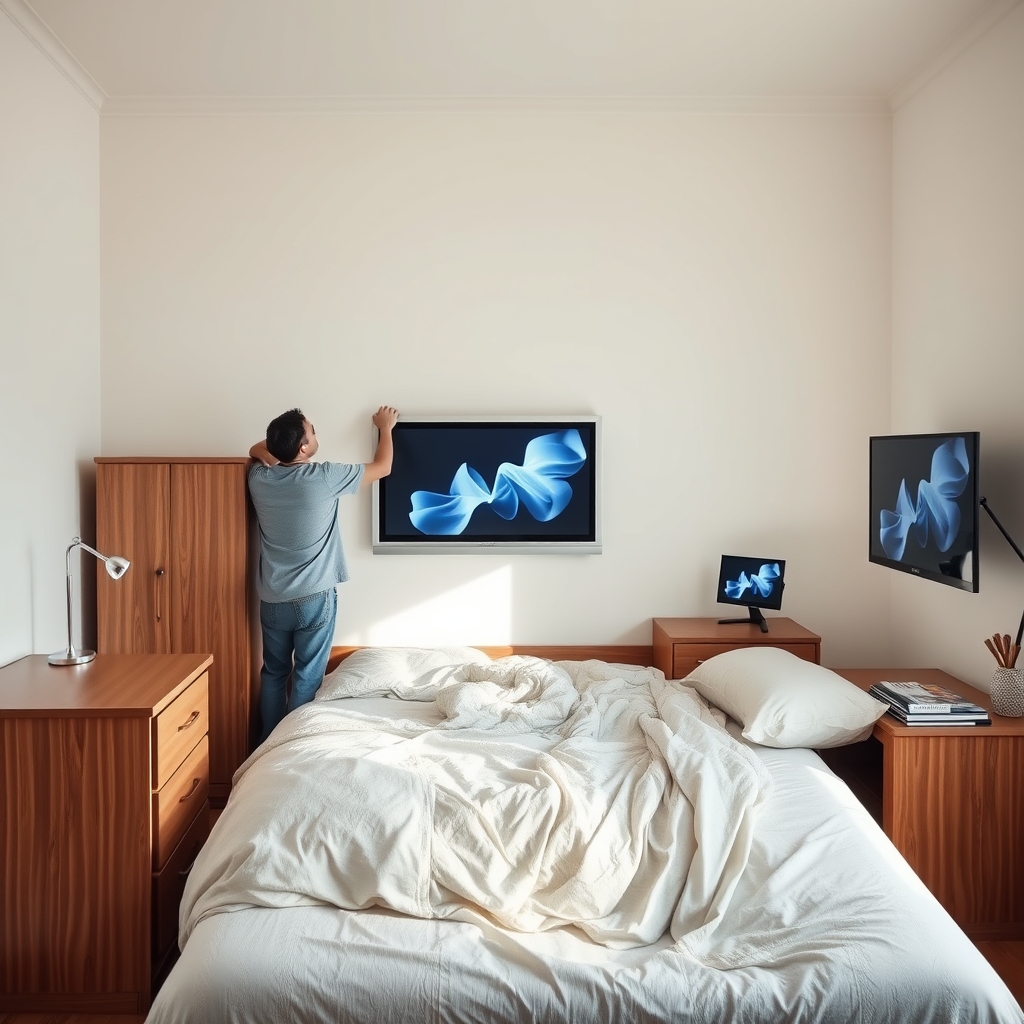
- Count the non-sleep items. Laptop, work papers, exercise gear, a TV you watch for hours. Each one can pull the room toward being a workspace.
- Write down your top two problems. Fix those first.
If you want a before-and-after comparison, record your sleep for a week or two. Our free sleep diary template works for this.
Light: make the room dark at night, bright in the morning
Light is a strong cue for your body clock. Light in the evening can make it harder to wind down, and light during sleep can make sleep lighter or cause earlier waking.
Free fixes for bedroom light
- Close curtains fully and use clips or a rolled towel to seal the gaps at the sides.
- Cover or unplug small standby lights. Do not cover the indicator on a smoke or carbon monoxide alarm.
- Use a towel or draft stopper at the bottom of the door if hallway light leaks in.
- Turn your phone face down, or put it away from the bed.
- Dim overhead lights in the hour before bed and switch to lamps where you can.
For a full walkthrough of darkening and quieting the room without spending money, see how to make your bedroom dark and quiet for free. For the screen question, evening light, blue light and screens explains what matters and what is overstated.
Don't forget the morning side
Dark rooms help at night, but bright light soon after waking helps your body clock stay on schedule. If you can, open the curtains or step outside shortly after getting up. We explain the reasoning in morning sunlight and your body clock.
Temperature and bedding: cool, but not cold
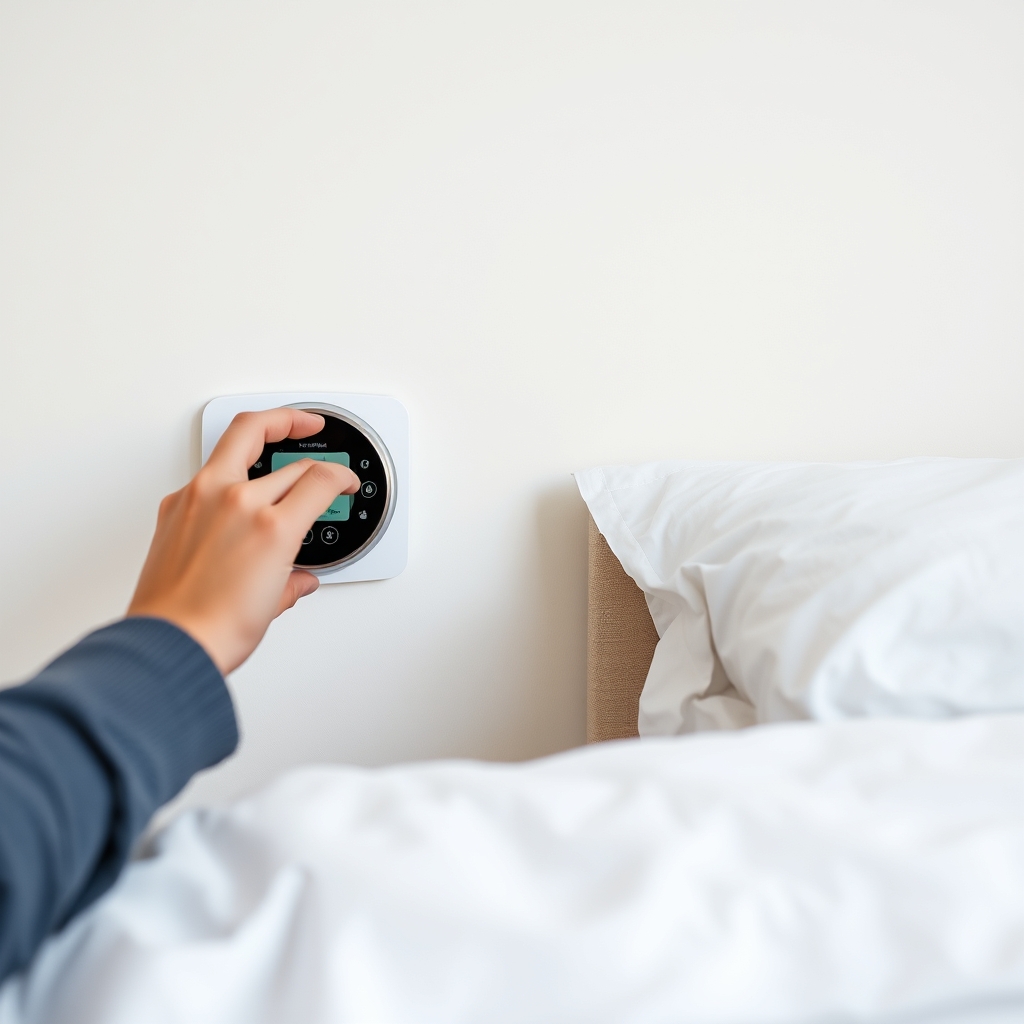
Your body temperature naturally drops as you fall asleep, and a room that is too warm can make that harder. Many sleep sources suggest a cool room, often cited around 60 to 67°F (about 15 to 19°C). That is a starting range, not a rule. Your clothing, bedding, partner and climate all matter.
For more detail on dialing in the number, read what is the best temperature for sleeping.
Free and cheap ways to cool the bedroom
- Open a window in the evening when it is cooler outside, and close blinds during hot daytime hours.
- Switch to lighter bedding. Layers you can remove are better than one heavy cover.
- Choose breathable fabrics such as cotton or linen over thick synthetics if heat bothers you.
- Keep your feet comfortable. Some people sleep better with socks, others with feet outside the covers.
- If you share a bed, use separate covers so each person can adjust.
A warm bath or shower an hour or so before bed is another free option, because the cooling afterward may help you feel sleepy. We cover it in warm bath or shower before bed.
The main downside of cooling the room is cost and practicality. Running an air conditioner all night can be expensive and noisy, and in cold climates over-cooling can leave you tense. Aim for comfortable, not chilly.
See the details, current pricing and who it suits.
Check current optionsAffiliate link: we may earn a commission at no extra cost to you.Sound, air and clutter
Quiet matters less than predictability. A steady hum is often easier to sleep through than a sudden bang. Alcohol can also make sleep feel lighter later in the night, so evening habits affect how well the room works.
Reduce noise you can control
- Silence phone notifications overnight, or use do-not-disturb with only the contacts you truly need.
- Put rugs, curtains or a bookshelf against a shared wall to soften sound.
- Close the bedroom door if household noise carries.
- Fix small repeating noises: a dripping tap, a rattling window, a squeaky door.
Mask noise you can't control
A fan, a white noise app or a dedicated sound machine can mask traffic or neighbors. The evidence on white noise is mixed, so treat it as an experiment. Keep the volume low and steady, and stop if you find it keeps you more alert.
Earplugs are a cheap alternative. The downsides are real: they can be uncomfortable, and you may not hear an alarm, a child or a smoke detector. Test them on a night when it is safe to do so.
Air and clutter
A stuffy room is hard to sleep in. Air the room during the day if you can, and wash bedding regularly. If strong smells bother you, skip scented products in the bedroom. Visible clutter is not proven to harm sleep, but a tidy space may help you feel calmer. Tidy only as far as you find it useful.
 Recommended for youSleep Better Without Buying Anything
Make the bed a sleep cue, not a second office
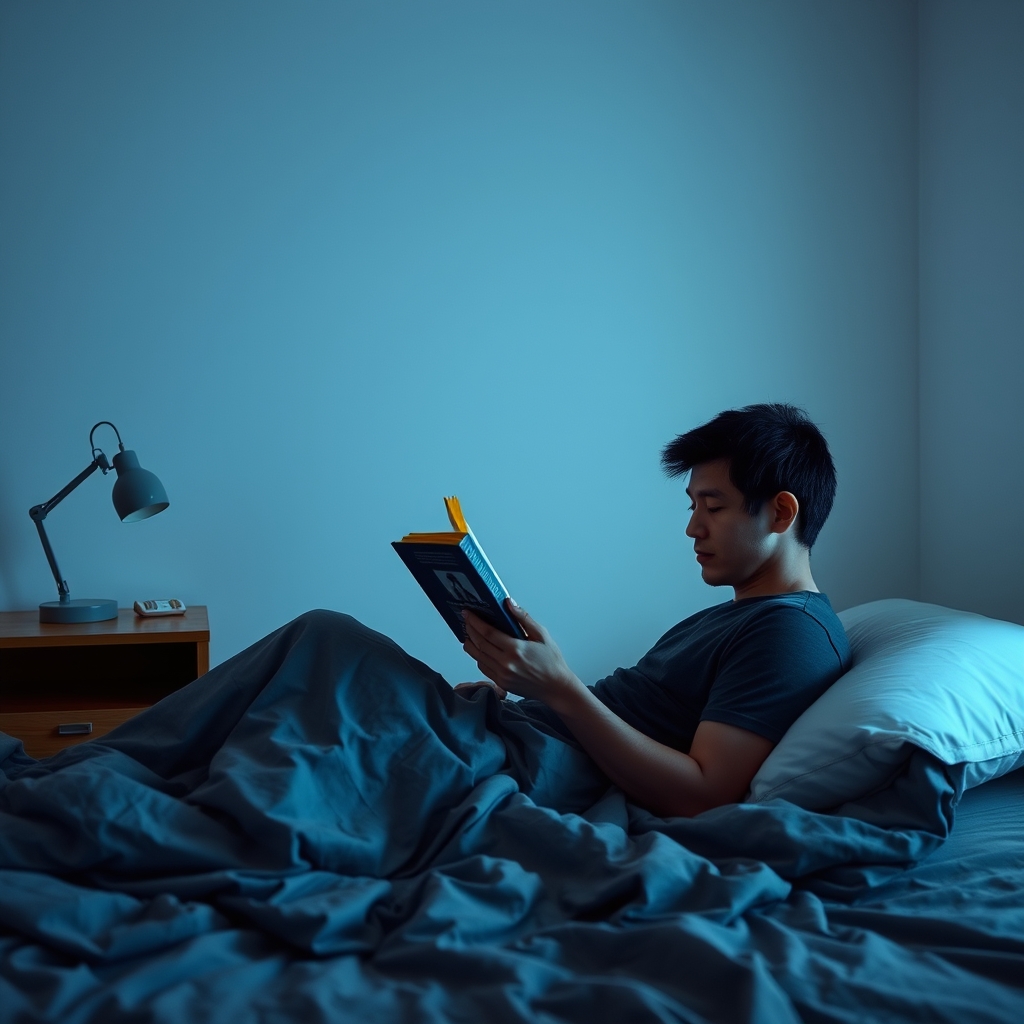
If you spend hours in bed scrolling, working or worrying, your brain can start to associate the bed with being awake. This is the idea behind stimulus control, a standard component of cognitive behavioral therapy for insomnia (CBT-I).
Simple habits to try:
- Use the bed for sleep and intimacy only. Read, work and watch shows elsewhere.
- Go to bed when sleepy, not just because the clock says so.
- If you have been awake for a long time and feel frustrated, get up and do something quiet in dim light until sleepy. Our page on how long to lie awake before getting up explains the usual guidance.
- Turn the clock away so you are not calculating how many hours remain.
If worry about sleep is part of the problem, these pages may help: stimulus control therapy rules, CBT-I basics at home and sleep anxiety and fear of not sleeping.
Low-cost upgrades: what to buy, what to skip
Only buy something to fix a problem you found in your audit. Here is how common items compare.
| Item | Problem it addresses | Downside to know |
|---|---|---|
| Eye mask | Light leaks, early sunrise | Can feel uncomfortable or warm, and does nothing for noise. |
| Blackout curtains or liner | Street light, bright mornings | Costs more than a mask, and may not seal edges. Test cheaper fixes first. |
| Earplugs | Intermittent noise | Ear discomfort, and you may miss alarms or a child. |
| Fan or white noise source | Noise masking, mild cooling | The sound itself may bother you, and evidence on benefit is mixed. |
| Pillow or bedding swap | Neck or shoulder discomfort, overheating | Comfort is personal. Check the return policy before opening. |
| Basic alarm clock | Keeps the phone out of the bedroom | You may still be tempted to check the phone if it is nearby. |
| Thermometer | Shows whether the room is too warm | Only useful if you act on what it shows. |
| New mattress | Pain from a worn or unsuitable mattress | The most expensive option, and rarely the first thing to try. If pain is the issue, talk to a clinician as well. |
Be wary of products that promise to transform your sleep on their own. The room is one part of a larger picture that also includes schedule, light, caffeine, activity and stress. Pages like caffeine cutoff time, best foods and drinks before bed and how to fix your sleep schedule cover those pieces.
Where a sleep supplement fits (and where it doesn't)
A supplement cannot block streetlight, cool a hot room or fix a painful mattress. If your audit found environmental problems, fix them first. Some readers still ask about sleep products afterward, so here is a plain description of one of them.
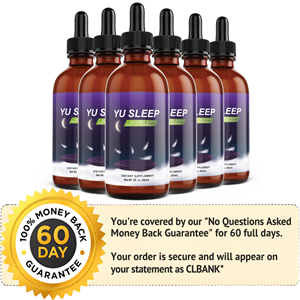
Yu Sleep is a liquid taken by dropper. The official sales page says to take 2 droppers 30 minutes before bed, and it lists ten ingredients including melatonin at 0.9 mg per serving. The page makes claims about helping you fall asleep faster, stay asleep and wake refreshed, but we did not see any studies cited in the text we reviewed. We have not used the product and cannot vouch for those claims.
The downsides are practical. The page says it is sold only in packages of two months or more, with prices shown from $138 to $294 depending on package size. These prices are listed as discounted, "while supplies last", and shipping may apply, so check at checkout. The page advertises a 60-day guarantee, but we did not see the terms in the text we reviewed. We also did not see a disclaimer there, so check the full page footer. Prices and terms can change, so confirm everything on the official page.
Melatonin and some other ingredients can interact with medications or may not suit certain conditions, pregnancy or children. Talk to a pharmacist or doctor first. For more detail, see YU Sleep safety, side effects and practical questions, buying YU Sleep: price, where to buy and refunds, and who YU Sleep is for and who should skip it. If you want a summary of our view, see YU SLEEP (Sleep and Dreams): is it right for you?. Our review methodology and affiliate disclosure explains how we handle product pages.
When the bedroom isn't the problem
You can have a perfect room and still sleep badly. Consider getting professional advice if any of these apply:
- You regularly take a long time to fall asleep or wake often, and it has lasted for weeks.
- You snore loudly, gasp or stop breathing during sleep, or a partner has noticed this.
- You feel very sleepy during the day, or nearly fall asleep while driving.
- You have restless or uncomfortable legs, pain or breathing problems at night.
- Low mood or anxiety is affecting your sleep.
Written notes help in an appointment. Bring your sleep diary, any changes you tried and the medications or supplements you take. If waking in the early hours is your main issue, trouble sleeping through the night: causes and signs may help you work out what to mention.
Next steps
Run the 15-minute audit tonight, pick your top two fixes, and give each a week or two. Keep a simple diary so you can see what changed. If you want the free-habits overview, start at our pillar page on sleeping better without buying anything.
From here, the most useful next reads are making your bedroom dark and quiet and the best bedroom temperature. If racing thoughts are part of the problem, try breathing exercises for sleep.
Frequently asked questions
How do I set up my bedroom for better sleep?
Work through five levers: darkness, quiet, a cool temperature, a comfortable bed, and a room that cues sleep rather than work or scrolling. Start with free fixes such as covering light leaks, moving your phone away from the bed and adjusting bedding. Change one or two things at a time so you can tell what helps.
What is the best temperature for a bedroom when sleeping?
Sleep sources commonly suggest a cool room, often cited around 60 to 67°F (roughly 15 to 19°C), but comfort varies by person, bedding and climate. Treat it as a starting range. Adjust a degree or two over several nights and note how quickly you fall asleep and how often you wake.
Do blackout curtains really help you sleep?
They can, mainly if streetlights or early sunrise reach your bed, because light is a strong signal to your body clock. They are not essential for everyone. Before buying, try heavy fabric, a towel or a simple eye mask, and compare. Downsides include cost and trouble waking at your intended time.
Is white noise good for sleeping?
Some people find steady sound helps mask traffic, neighbors or a partner's snoring, and a fan can do this for free. Research on white noise is mixed, so treat it as an experiment. Keep the volume low and steady, and stop if it seems to make your sleep lighter or more restless.
Should I keep my phone in the bedroom?
It is better to keep it out of reach or across the room. Notifications, scrolling and clock-watching can keep your mind active. If you need it as an alarm, set it to do-not-disturb, turn the screen face down and charge it away from the bed. A cheap alarm clock is a low-cost alternative.
Can a sleep supplement fix a bad bedroom setup?
A supplement cannot remove light, noise, heat or an unsupportive bed, so fix the room first. If you still consider one, talk to a pharmacist or doctor, especially if you take medication or have a health condition. Check the price, minimum purchase and refund terms before you buy.
How long does it take to see results from bedroom changes?
Some people notice small differences within a few nights, such as less waking from light or noise. Others need a couple of weeks to judge. Keep a simple sleep diary so you can compare before and after rather than relying on memory. Results vary, and persistent problems deserve a professional's input.
Keep reading
 How to Make Your Bedroom Dark and Quiet Without Spending MoneyLearn how to make your bedroom dark for sleep and cut night noise using things you already own. Fre…
 What is the best temperature for sleeping?The best temperature for sleeping is usually a cool bedroom around 65°F (18°C). Learn the ideal ran…
 Stimulus Control Therapy: Rules to Retrain Your Brain to Link Bed With SleepStimulus control therapy uses a few simple rules to retrain your brain to link bed with sleep. Lear…