- How menopause and perimenopause change sleep
- Night sweats and sleep: what is happening
- Perimenopause insomnia: signs and patterns
- Hormones and trouble sleeping through the night: other causes to rule out
- Track your nights before changing anything
- Habits that can help with menopause waking up at night
- Medical options to ask a clinician about
- Where sleep supplements fit, and where they do not
Menopause waking up at night is often linked to shifting estrogen and progesterone, hot flashes and night sweats, mood changes, and other sleep disorders. Cooling your bedroom, steadying your routine and tracking patterns help. Persistent or severe waking deserves a clinician's review, since treatments exist.
If you are menopause waking up at night, you are far from alone. Sleep often becomes lighter and more broken as hormones shift, and the change can start well before your periods stop.
This guide explains how hormones, night sweats and perimenopause insomnia can interact, what else might be behind your waking, and what you can do. It is general information, not medical advice, and a clinician can tailor it to you.
Use the checklists to track patterns, try low-risk changes, and decide when to seek help.
- Hormone shifts, night sweats, mood and other sleep disorders often overlap.
- Cooling the room and keeping a steady routine are sensible first steps.
- Loud snoring, gasping or persistent low mood deserve a professional check.
- Supplements do not treat hot flashes; check safety with a clinician first.
How menopause and perimenopause change sleep
Perimenopause is the transition before periods stop, and menopause is usually defined after 12 months without a period. Estrogen and progesterone fluctuate during the transition, and both are linked to temperature regulation and sleep.
Progesterone is often described as having a calming effect, and estrogen influences how well your body manages heat. As levels become unpredictable, you may fall asleep fine but wake in the second half of the night.
Researchers still study exactly how much hormones directly drive sleep changes versus symptoms like heat and mood. Treat any single-cause explanation with caution.
Night sweats and sleep: what is happening
Hot flashes at night, often called night sweats, can wake you abruptly. You may feel drenched, kick off covers, then feel chilled and struggle to settle again.
Even brief awakenings you barely remember can make sleep feel unrefreshing. Heat is also a general disruptor of sleep, so a warm room compounds the problem.
Practical cooling checklist
- Keep the bedroom cool, dark and well ventilated.
- Choose breathable bedding and sleepwear, and layer so you can adjust.
- Keep water and a spare top within reach.
- Try a fan or a cooling pillow cover if heat is the main trigger.
- Note whether spicy food, alcohol or hot drinks near bedtime make nights worse.
Perimenopause insomnia: signs and patterns
Perimenopause insomnia often looks like trouble staying asleep rather than falling asleep. You may also notice earlier waking, light sleep, or racing thoughts at night.
Irregular periods, new anxiety, or sleep changes that begin without another obvious cause may fit the transition, though they do not prove it.
| Pattern | Possible contributors | Worth trying |
|---|---|---|
| Waking hot and damp | Night sweats, warm room | Cooling steps, tell a clinician |
| Waking at 3am with racing thoughts | Stress, mood, alcohol | Wind-down routine, review evening habits |
| Loud snoring, gasping, morning headaches | Sleep apnea | Medical evaluation |
| Waking to use the bathroom | Fluids, bladder changes | Adjust evening drinks, mention to a clinician |
| Restless legs, aching | Other conditions, low iron | Ask about testing |
Hormones and trouble sleeping through the night: other causes to rule out
Hormones are only one piece. Midlife is also a time when stress, caregiving, work demands, pain and other health issues pile up.
Sleep apnea becomes more common after menopause, and it can look like ordinary insomnia. Our guide to sleep apnea versus insomnia lists signs that suggest another cause.
Alcohol is another frequent culprit. It may help you doze off but tends to fragment later sleep, as covered in alcohol, caffeine and late meals.
For a broader overview, see our pillar on trouble sleeping through the night.
Track your nights before changing anything
Two to three weeks of notes make a clinician visit far more productive. Keep it simple and low effort.
- Write down bedtime, wake time and approximate wake-ups each night.
- Note whether you woke hot, anxious, needing the bathroom, or for no reason.
- Record caffeine, alcohol and late meals.
- Track periods or any changes in your cycle.
- Rate daytime energy and mood from 1 to 5.
 Recommended for youTrouble Sleeping Through the Night: Causes and Signs
Habits that can help with menopause waking up at night
These are low-risk and supported by general sleep guidance. None is a guaranteed fix.
- Keep a steady wake time every day, including weekends.
- Move caffeine earlier in the day and watch alcohol close to bed.
- Get daylight and activity earlier in the day, avoiding hard exercise right before bed.
- Build a wind-down of 30 to 60 minutes with dim light and no work.
- Get up if awake for long and do something calm; see how long to lie awake before getting up.
If waking at 3am is your main issue, these step-by-step fixes and our look at common causes and patterns go deeper. More no-cost ideas are in sleep better without buying anything.
See the details, current pricing and who it suits.
Check current optionsAffiliate link: we may earn a commission at no extra cost to you.Medical options to ask a clinician about
Effective treatments exist for menopause symptoms, and a clinician can discuss benefits and risks for your situation. Options may include hormone therapy, certain non-hormonal medicines, and cognitive behavioral therapy for insomnia (CBT-I), which has strong evidence for chronic insomnia.
Prepare questions in advance:
- Could my night sweats or mood changes be treated directly?
- Should I be screened for sleep apnea?
- Are any of my current medicines affecting sleep?
- Is CBT-I available to me?
Where sleep supplements fit, and where they do not
Supplements do not treat hot flashes or the hormone changes behind them. Some people use them as a bedtime aid, but evidence varies by ingredient, and quality is not uniform.
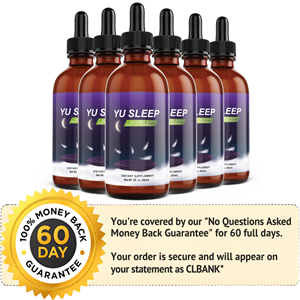
Yu Sleep is one example. The official page describes a liquid taken by dropper, 2 droppers 30 minutes before bed, and says it is meant to help people fall asleep faster and stay asleep. Its listed ingredients include red tart cherry extract, 5-HTP, vitamins B6 and B2, magnesium glycinate, apigenin, lemon balm, L-theanine, melatonin (0.9 mg per serving, per the page) and GABA.
The page does not mention menopause in the text we reviewed, and it cites no studies for its claims. It also sells only multi-month packages, starting at a 2-month minimum, and advertises a 60-day guarantee whose terms we did not see. We did not see a disclaimer in the text we reviewed; check the full page footer. Confirm current prices and terms on the official page.
If you want to see how it is positioned, our page on whether YU SLEEP is right for you lays out the considerations, including downsides. Ingredient detail is in what's inside YU Sleep, and melatonin questions are covered in low-dose melatonin side effects.
When to get medical help
Do not wait if sleep trouble is wearing you down. Seek care if you notice any of the following:
- Poor sleep for several weeks or more, with daytime impairment.
- Loud snoring, choking or gasping at night.
- Persistent low mood, anxiety or thoughts of self-harm (seek urgent help).
- Very heavy night sweats, unexplained weight loss or fever.
- Unusual bleeding or other new symptoms.
Next steps
Start with a two-week sleep log and the cooling checklist, then book a visit if nothing improves. For wider context, read trouble sleeping through the night, then stress, cortisol and night waking if stress is part of the picture. If you are considering a supplement, review safety first and confirm all details on the official site.
Frequently asked questions
Why am I waking up at night during menopause?
Several things can overlap: falling estrogen and progesterone, hot flashes and night sweats, anxiety or low mood, and other conditions such as sleep apnea that become more common with age. Because causes stack, tracking your pattern for a few weeks helps a clinician sort them out.
Do night sweats cause insomnia?
They can. A night sweat can wake you fully, and cooling down, changing damp sheets and settling again can take a while. Not everyone with night sweats has insomnia, but frequent waking from heat is a common reason sleep becomes fragmented.
Can perimenopause cause insomnia before periods stop?
Yes. Hormone levels fluctuate during perimenopause, and sleep trouble can begin years before periods end. Irregular cycles, new night waking or heat at night may be early signs worth mentioning to a clinician.
Is waking at 3am a menopause symptom?
It can be, but it is not specific to menopause. Stress, alcohol, late caffeine, sleep apnea, pain and bathroom trips also cause 3am waking. Look at the whole pattern rather than assuming one cause.
Are sleep supplements safe during menopause?
There is no single answer. Safety depends on your health, medications and the ingredients. Supplements do not treat hot flashes, and some people should avoid certain ingredients. Check with a pharmacist or doctor first, especially if you take hormone therapy or other medicines.
When should I see a doctor about menopause sleep problems?
See a clinician if poor sleep lasts several weeks, affects daytime function or mood, or comes with loud snoring, gasping, heavy night sweats or low mood. Effective options exist, and a professional can check for other causes.
Does Yu Sleep help with menopause night waking?
The official page does not mention menopause in the text we reviewed. It says the formula is meant to help people stay asleep, but it cites no studies. It is not a treatment for hot flashes, so discuss it with a clinician first.
Keep reading
 Sleep Supplement Safety for Women: Pregnancy, Breastfeeding and Hormone ConsiderationsIf you are asking whether sleep supplements are safe during pregnancy or while nursing, the honest…
 How to Stop Waking Up at 3am: Step-by-Step FixesHow to stop waking up at 3am: a calm, step-by-step guide to likely causes, habit fixes, what to do…
 Sleep Apnea vs Insomnia: Signs Your Night Waking May Have Another CauseSleep apnea vs insomnia: compare signs of sleep apnea at night, like gasping and snoring, with inso…