- Why natural sleep aids can still interact with medication
- Who should talk to a doctor before taking a sleep supplement
- Sleep aid with antidepressants
- Sleep supplements and blood thinners
- Sleep aid with blood pressure medication
- Other medicines and conditions that need a check
- Ingredients worth flagging, using Yu Sleep as an example
- How to check a supplement before you start
Sleep supplement drug interactions are real, even for "natural" products. If you take antidepressants, blood thinners, blood pressure medication or other prescriptions, or you are pregnant or have a health condition, ask a doctor or pharmacist before starting. Bring the full ingredient list with you.
Sleep supplement drug interactions are easy to overlook because the products sit on a shelf next to vitamins. "Natural" describes where an ingredient comes from, not how it behaves alongside your prescriptions. If you take regular medication, a short conversation before you start can prevent problems.
This guide is general information, not medical advice. It covers who should check with a doctor or pharmacist first, what to worry about with antidepressants, blood thinners and blood pressure medication, and how to prepare for that conversation.
We have not used any product mentioned here, and we cite only what the official Yu Sleep page states and what public medical knowledge supports. Where the evidence is thin, we say so.
- "Natural" does not mean "interaction-free."
- Antidepressants, blood thinners and blood pressure medicines are the three groups where a check matters most.
- Pregnancy, breastfeeding, surgery, chronic conditions and children are also reasons to ask first.
- Bring the full ingredient list. A pharmacist can often review it quickly and at no charge.
Why natural sleep aids can still interact with medication
Supplements contain active compounds. Some affect brain chemistry, some change how the liver processes drugs, and some add to drowsiness or alter blood pressure. Your medicine and the supplement may be pulling on the same system.
Supplements are also regulated differently from prescription drugs, and interaction research is patchy. For many ingredients, "no known interaction" often means "not well studied." That is a reason for caution, not reassurance.
Multi-ingredient formulas add another layer. Each ingredient has its own profile, and the combination is rarely studied as a whole.
Who should talk to a doctor before taking a sleep supplement
Check first if any of these apply to you:
- You take any prescription medication, especially for mood, blood clotting, blood pressure, diabetes, seizures or anxiety.
- You are pregnant, trying to conceive or breastfeeding. See our page on sleep supplement safety for women.
- You have a liver or kidney condition, an autoimmune condition, or a hormone-related condition.
- You have surgery or a procedure scheduled.
- You are considering a supplement for a child or teenager.
- You drink alcohol regularly or take other sedating products.
- You snore loudly, gasp at night or feel exhausted despite long nights. See sleep apnea vs insomnia.
If none apply, you still benefit from reading the label carefully. But the list above is where a professional check earns its time.
Sleep aid with antidepressants
This is the combination that most often needs a prescriber's input. Many antidepressants act on serotonin. Some sleep ingredients, 5-HTP in particular, are involved in serotonin production. Combining serotonin-related products can raise concern about too much serotonin activity, and the symptoms can include agitation, sweating, tremor and fast heartbeat.
Sedating ingredients can also stack with antidepressants that already cause drowsiness. And sleep trouble can itself be a symptom of depression or a side effect of a medicine, so the right fix may be a dose or timing change made by your prescriber.
Sleep supplements and blood thinners
Blood thinners such as warfarin and similar drugs work within a narrow safe range. Small shifts in how your body processes them, or in bleeding tendency, can matter. Several herbal and nutrient products have been discussed in medical references for possible effects on clotting or on drug metabolism, and the strength of evidence varies.
The practical point is simple. If you take a blood thinner, do not add any supplement without a pharmacist or prescriber reviewing each ingredient. Ask whether extra blood tests are needed after you start.
Melatonin is one ingredient worth naming. Public references list it as a possible interaction with some anticoagulant medicines, so it belongs on the list you bring.
Sleep aid with blood pressure medication
Blood pressure medicines lower pressure in different ways. A supplement that adds drowsiness or relaxation could, in some people, add to lightheadedness, especially when standing up at night. Others may influence blood pressure or how a drug is cleared.
Night-time bathroom trips make this more relevant. Dizziness on standing in the dark raises the risk of a fall. Some diuretics also increase night urination, which can itself be the reason you wake. Our page on sleep supplement safety for men covers medication checks and nighttime urination.
- Check your blood pressure as your doctor advises after starting anything new.
- Stand up slowly at night.
- Report persistent dizziness or fainting right away.
See the details, current pricing and who it suits.
Check current optionsAffiliate link: we may earn a commission at no extra cost to you.Other medicines and conditions that need a check
| If you take or have | Why to ask |
|---|---|
| Sedatives, sleeping pills, anxiety medicine | Effects can add up, increasing drowsiness and impairment |
| Diabetes medication | Some products may affect blood sugar or its management |
| Seizure medication | Some ingredients may interact or affect treatment |
| Immune-suppressing drugs | Hormone-active ingredients may matter |
| Hormonal treatments or birth control | Melatonin and hormones can overlap in effect |
| Sleep apnea or breathing conditions | Sedating products may not suit untreated breathing problems |
This table is a prompt for questions, not a list of confirmed interactions. Your pharmacist can tell you what applies to your exact medicines and doses.
 Recommended for youYU Sleep Safety, Side Effects and Practical Questions
Ingredients worth flagging, using Yu Sleep as an example
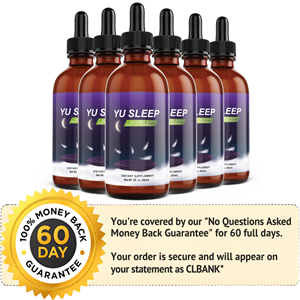
To make this concrete, here is how the process works with one product. The official Yu Sleep page lists ten ingredients: red tart cherry extract, 5-HTP, vitamin B6, vitamin B2, magnesium glycinate, apigenin, lemon balm extract, L-theanine, melatonin and GABA. The only dose the page gives is 0.9 mg of melatonin per serving. The page directs two droppers 30 minutes before bed.
From a medication-safety view, several of these deserve a mention to your pharmacist. 5-HTP is relevant if you take antidepressants. Melatonin matters for blood thinners and several other drugs. Calming ingredients such as lemon balm, L-theanine and GABA could add to the effect of sedating medicines. Magnesium is worth raising if you have kidney problems.
The text we reviewed did not include interaction guidance or a full supplement facts panel, and we did not see a disclaimer in that text. The page may have more in its footer, so check the full page. Because most doses are not given, a professional cannot fully assess the product without the label. For more, see what's inside Yu Sleep, the question of ingredient amounts and Yu Sleep safety and side effects.
How to check a supplement before you start
- List everything you take. Include prescriptions, over-the-counter products, vitamins, herbs, and regular alcohol or caffeine.
- Get the full label. Photograph the ingredients and any amounts. If amounts are missing, note that.
- Ask a pharmacist. They can screen the list against your medicines, often without an appointment.
- Raise it with your prescriber if you take antidepressants, blood thinners or other narrow-margin drugs.
- Start only if cleared, and begin when you can watch for effects, not before an early shift or long drive.
- Keep notes. Record sleep, dizziness, mood, bruising or stomach upset for the first couple of weeks.
Warning signs after starting a sleep supplement
Stop and contact a professional if you notice unusual bruising or bleeding, a racing heart, agitation, heavy sweating, tremor, fainting, severe dizziness or new confusion. Seek urgent care for swelling of the face or throat, trouble breathing or a widespread rash. Our guide to a sleep supplement allergic reaction explains these signs.
Milder issues matter too. Morning grogginess can be a sign the product or timing does not suit you. See how to reduce morning grogginess.
Check the cause before adding a supplement
Waking at night often has causes a supplement will not fix: alcohol, late caffeine, large late meals, stress, hormonal change, breathing problems or a medicine's side effect. Reviewing these first can reduce what you need to take, and the fewer products you combine, the fewer interactions to worry about.
- Alcohol, caffeine and late meals can all fragment sleep.
- Why you wake at 3am covers common patterns.
- Sleep better without buying anything lists free habits to try first.
If you are curious whether the product fits your situation, our Yu Sleep overview sets out what the official page says, and the downsides, in one place. Read it alongside your professional's advice, not instead of it.
Next steps
Write down your medicines, photograph the label of any supplement you are considering and ask a pharmacist or doctor to review it. If you are still comparing options, see what to look for in non-habit-forming supplements and Yu Sleep vs alternatives. For the wider picture of night waking, return to our guide on trouble sleeping through the night.
Frequently asked questions
Can I take a sleep aid with antidepressants?
Sometimes, but not without checking. Some ingredients, such as 5-HTP, act on the serotonin system, and combining serotonin-related products with antidepressants is a known concern. Ask your prescriber or pharmacist before adding any sleep supplement, and bring the full ingredient list.
Do sleep supplements interact with blood thinners?
Some can. Herbal and nutrient products have been linked to changes in bleeding risk or how medicines are processed, and the evidence varies by ingredient. If you take a blood thinner, ask your prescriber or pharmacist to review every ingredient before you start.
Is it safe to take a sleep aid with blood pressure medication?
It depends on the ingredients and your medication. Some products may add to drowsiness, lightheadedness or blood pressure effects. Ask your doctor or pharmacist to review the label, and tell them about any dizziness after you start.
Does melatonin interact with medications?
It can. Melatonin is a hormone, and public medical references note possible interactions with some blood thinners, diabetes medicines, sedatives and others. Even a modest dose is worth mentioning to a pharmacist if you take regular prescriptions.
Who should talk to a doctor before taking a sleep supplement?
Anyone taking prescription medication, and anyone who is pregnant, breastfeeding, has a chronic condition, has a scheduled surgery, or is giving a supplement to a child. Also check in if you have loud snoring or breathing pauses at night, since another cause may be involved.
What should I bring to a doctor or pharmacist about a sleep supplement?
Bring the bottle or a photo of the full label, a list of every medication and supplement you take, and your reason for wanting a sleep aid. Include alcohol and caffeine habits. This lets them check each ingredient against your situation.
Does Yu Sleep interact with medications?
The official page text we reviewed does not list interaction information. Yu Sleep lists ten ingredients, including 5-HTP and melatonin (0.9 mg per serving, per the page). Because the page does not address interactions, take the ingredient list to a doctor or pharmacist before buying.
Keep reading
 What's Inside YU Sleep: Ingredients and How It WorksYU Sleep ingredients explained: the 10 listed ingredients, the one disclosed dose, how the page say…
 Sleep Supplement Safety for Men: Apnea, Nighttime Urination and Medication ChecksSleep supplement safety for men: how apnea, nighttime urination and medications change the risk, pl…
 Sleep Supplement Safety for Women: Pregnancy, Breastfeeding and Hormone ConsiderationsIf you are asking whether sleep supplements are safe during pregnancy or while nursing, the honest…