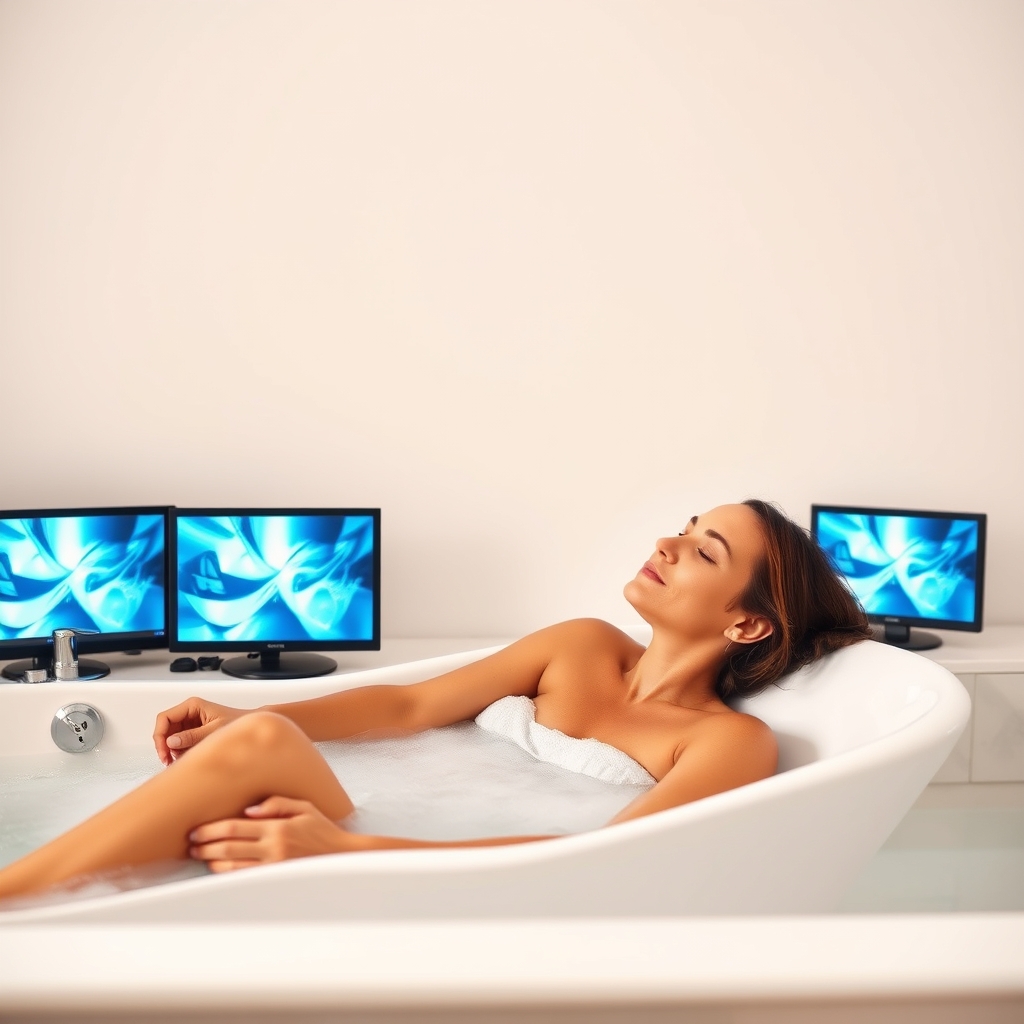
- Does a warm bath before bed help you fall asleep?
- Body temperature and sleep: why heat then cooling matters
- How long before bed should you shower or bathe?
- Hot shower before bed: what temperature is best?
- A simple bedtime bath or shower routine to try
- How to tell whether it is working
- Pair it with other free habits
- Downsides and limits of the warm bath approach
A warm bath or shower taken about one to two hours before bed may help some people fall asleep a little faster. The likely reason is the drop in core body temperature afterward. It is not a cure for insomnia, and timing and water temperature matter.
A warm bath before bed for sleep is one of the oldest wind-down habits there is. The idea is simple: warm water relaxes you, and the cooling afterward nudges your body toward sleep. Whether it works for you depends on timing, water temperature and what else is going on with your nights.
This guide explains the body temperature link in plain terms, how long before bed to shower, and how to test the habit yourself. We also cover the downsides, because a hot shower before bed is not right for everyone.
It is general information, not medical advice. If you have ongoing sleep trouble, a clinician can look for causes that a bath will not fix.
- Warm, not scalding, water about one to two hours before bed is the usual suggestion from public research.
- The likely benefit comes from body cooling after you get out, plus relaxation.
- Effects are modest and vary. It will not fix insomnia on its own.
- Very hot water, late timing, or health conditions can make it a poor fit.
Does a warm bath before bed help you fall asleep?
It may, for some people. Public research on passive body heating, such as warm baths and showers, suggests it can shorten the time it takes to fall asleep and may improve how restful sleep feels. The effects reported are generally small to moderate, and study methods differ.
That means you should treat it as a low-cost experiment, not a guaranteed fix. Some people feel sleepier after a bath. Others notice little change, or feel too stimulated if the water is very hot.
Body temperature and sleep: why heat then cooling matters
Your core body temperature naturally falls in the evening as you get ready for sleep. It reaches its lowest point during the night and rises again toward morning. Heat leaving your hands and feet is part of how that drop happens.
A warm bath brings blood toward the skin surface. When you get out, that heat is released more quickly, and core temperature can fall faster than it otherwise would. The theory is that this stronger cooling signal fits with the body's natural pre-sleep pattern.
Relaxation likely plays a part too. Warm water, quiet and a set routine all tell your brain the day is ending. It is hard to separate the temperature effect from the calming effect, and you do not need to.
How long before bed should you shower or bathe?
The most common suggestion from public research is about one to two hours before bed. That window gives your body time to warm up and then cool down as you head to sleep. Getting out of the water and straight under the covers may leave you still warm.
Shorter gaps can still work for some people, especially with a brief, lukewarm to warm shower. The right timing is the one that leaves you relaxed and comfortably cool at lights-out.
| Timing | What it may do | Watch for |
|---|---|---|
| 1-2 hours before bed | Time for core temperature to drop before sleep | May need planning around evening tasks |
| 30-60 minutes before bed | Relaxing, still allows some cooling | Feeling warm in bed if the water was hot |
| Right before bed | Relaxation, but less cooling time | May feel too warm or alert |
Hot shower before bed: what temperature is best?
Aim for comfortably warm. If your skin turns bright red, you feel light-headed, or you are sweating after you get out, the water was likely too hot. Extremely hot water may leave you wired rather than drowsy.
Studies in this area generally use warm water, not extreme heat, so that is a sensible guide. A bath often warms you more evenly than a short shower, but a shower is easier to fit into a busy evening and still counts as a wind-down.
A simple bedtime bath or shower routine to try
- Pick a target bedtime and count back one to two hours. That is your bath or shower window.
- Run the water warm, not hot. Stay for roughly 10 to 20 minutes for a bath, or a normal-length shower.
- Get out slowly and dry off. Put on light clothing rather than heavy layers.
- Dim the lights and keep screens away while your body cools. Our guide to evening light and screens covers what matters.
- Use the gap for something calm, such as slow breathing or stretching.
- Head to bed when you feel sleepy, in a cool, dark room.
Repeat for at least a week before judging. One night tells you very little.
 Recommended for youSleep Better Without Buying Anything
How to tell whether it is working
Do not rely on memory. A simple sleep diary lets you compare nights with and without the bath. Note bedtime, how long you think it took to fall asleep, night wakings and how you felt in the morning.
Try one week with the routine and one week without, keeping other habits steady. If you see no difference, or you sleep worse, drop it. Other changes may give you more.
See the details, current pricing and who it suits.
Check current optionsAffiliate link: we may earn a commission at no extra cost to you.Pair it with other free habits
A bath is one piece of a wind-down. It works best alongside habits that support the same body clock signals.
- Cool bedroom: A warm bath followed by a hot room undoes the cooling. See the best room temperature for sleeping and our bedroom setup guide.
- Regular timing: Keep bed and wake times steady. Our sleep schedule reset plan shows how.
- Caffeine and food: Late coffee or a heavy meal can cancel out a relaxing evening. Check the caffeine cutoff guide and foods and drinks before bed.
- Relaxation practice: Progressive muscle relaxation fits well right after you dry off.
You can find more no-cost ideas in our pillar on sleeping better without buying anything.
Downsides and limits of the warm bath approach
Be realistic about what a bath can do. The research is mixed in quality, often uses small groups, and does not tell you how it will go for you.
- Modest effect: It may take the edge off, not solve chronic poor sleep.
- Timing needs: A one to two hour gap is hard if your evenings are packed.
- Overheating: Hot water close to bedtime can leave you too warm or alert.
- Health risks: Heat can affect blood pressure and cause dizziness.
- Skin: Long hot washes can dry or irritate skin.
- Worry loop: If you start to feel the bath must work, pressure can backfire. See our page on sleep anxiety.
When a bath is not enough
If you regularly take more than 30 minutes to fall asleep, wake often, snore loudly, or feel exhausted in the day, a routine tweak is unlikely to be the whole answer. A doctor can check for conditions such as sleep apnea or other causes. Structured approaches like CBT-I basics have stronger evidence for ongoing insomnia.
Some people also consider supplements. Those are a separate decision with their own ingredients, costs and cautions, and they are worth discussing with a pharmacist or doctor first. Our sleep aid types comparison explains the formats. If you are curious about one specific product, our page on whether YU Sleep is right for you lays out what its official page says and what it leaves unclear. Free habits like a bath are usually the cheaper place to begin.
Next steps
Try the routine for a week and track the results in a diary. Then adjust timing or water temperature, or move on to another habit if it does little for you.
- Cool your room: best temperature for sleeping.
- Build a fuller wind-down: sleep better without buying anything.
- Lying awake anyway? Read how long to lie awake before getting up.
Frequently asked questions
Does a warm bath before bed help you sleep?
It may help some people fall asleep a bit faster, especially when taken one to two hours before bed. The likely mechanism is that warming the skin is followed by a drop in core body temperature, which fits with the body's natural pre-sleep cooling. Effects are modest and vary between people.
How long before bed should I shower?
A common suggestion from public sleep research is roughly one to two hours before bed. That leaves time for your body to cool afterward. A short warm shower closer to bedtime can still feel relaxing, so adjust based on how you respond.
Is a hot shower before bed bad for sleep?
Not necessarily, but very hot water taken right before bed may leave you feeling warm and alert. Warm, not scalding, water is the usual advice. If you notice you sleep worse after a hot shower, move it earlier or lower the temperature.
Is it better to shower in the morning or at night for sleep?
Neither is universally better. A night shower may help you wind down and can help body cooling if timed well. A morning shower can help you feel awake. Choose the one that fits your schedule and how your sleep responds.
How hot should the water be for a bath before sleep?
Comfortably warm, not painfully hot. Studies on this topic generally use warm water rather than extreme heat. If your skin turns very red or you feel dizzy, the water is too hot. Check with a doctor if you have heart or blood pressure concerns.
Can a warm bath replace a sleep supplement?
They are different things. A bath is a free routine change with a small, variable effect. Supplements have their own ingredients, costs and cautions. Try free habits first, and talk to a doctor or pharmacist before adding a supplement.
Who should be careful with hot baths before bed?
People with heart conditions, low blood pressure, pregnancy, or who feel faint in heat should ask a clinician first. Older adults and anyone drinking alcohol should also avoid very hot water because of dizziness and fall risk.
Keep reading
 Bedroom Setup for Better Sleep: Free and Low-Cost ChangesBedroom setup for better sleep, step by step: free fixes for light, noise, temperature and bedding,…
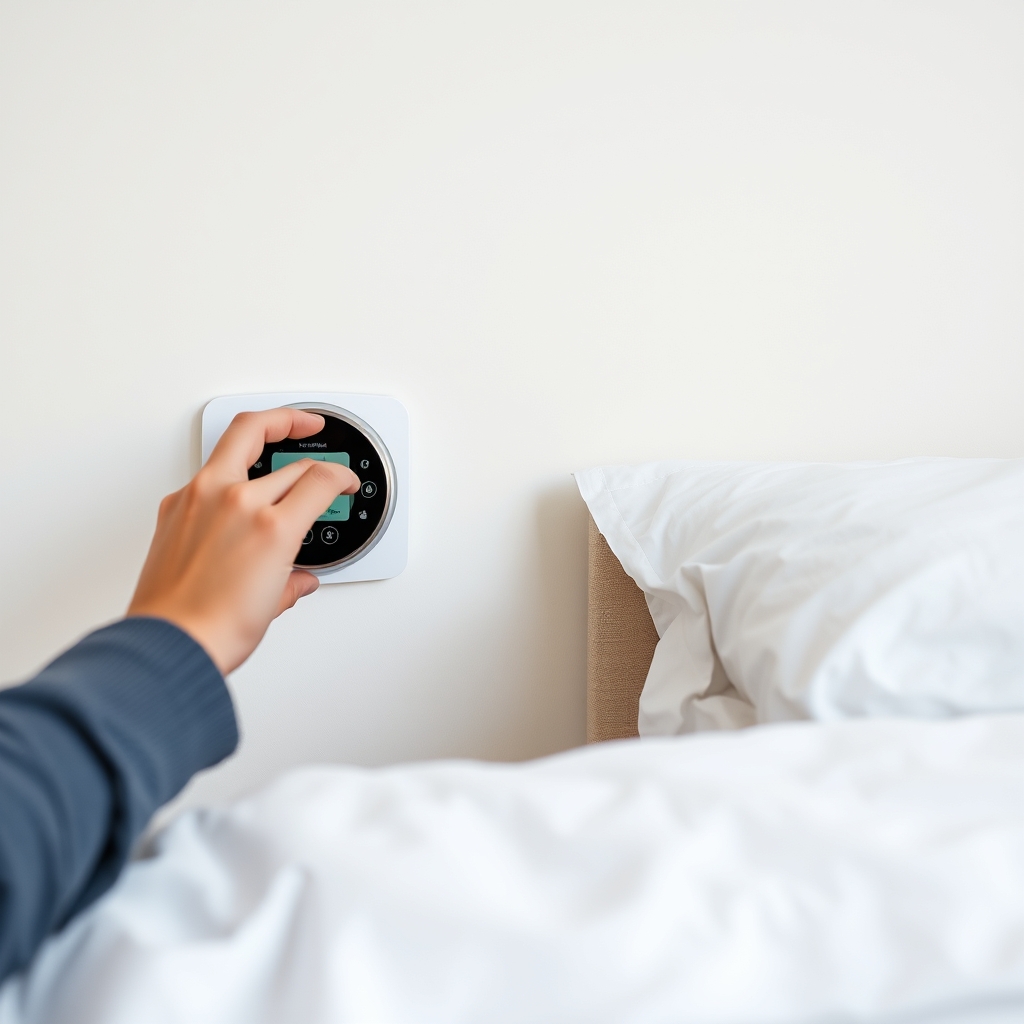 What is the best temperature for sleeping?The best temperature for sleeping is usually a cool bedroom around 65°F (18°C). Learn the ideal ran…
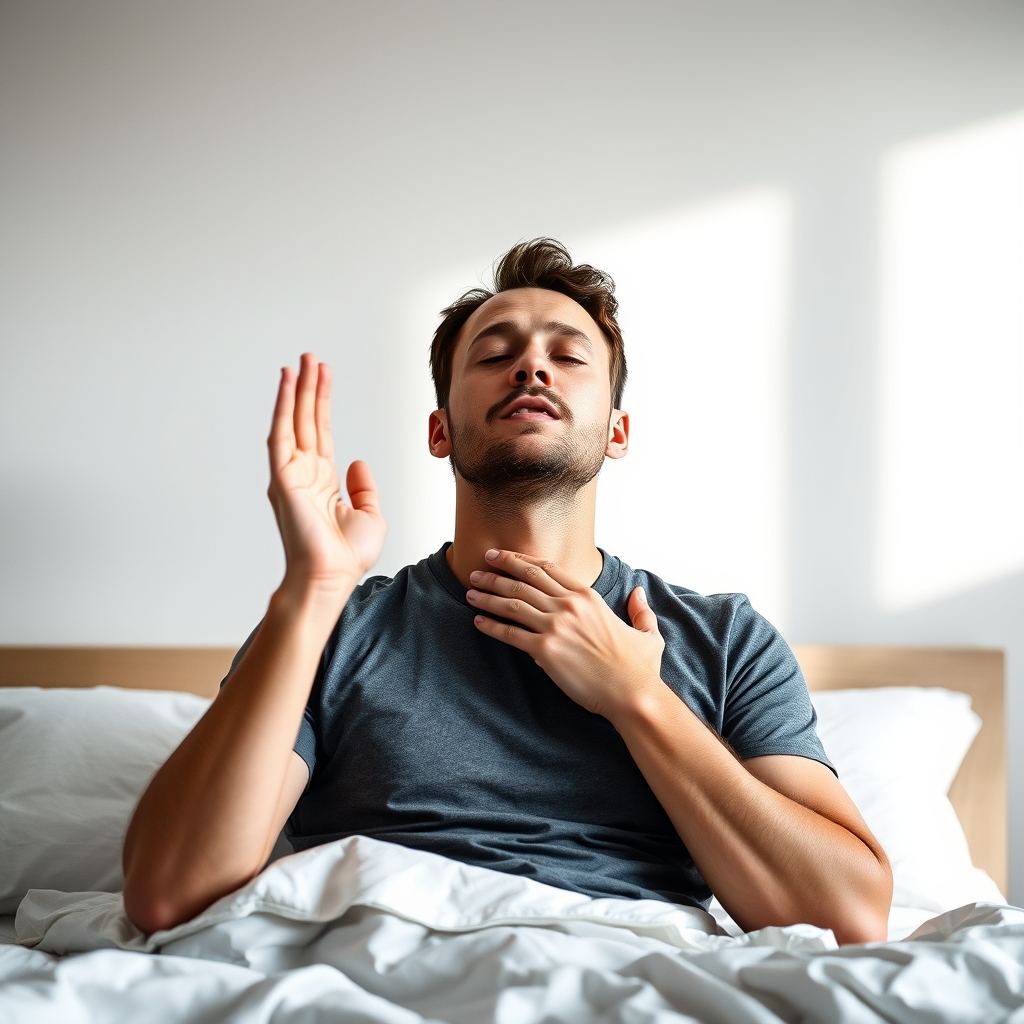 Breathing Exercises for Sleep: 4-7-8, Box Breathing and Slow BreathingBreathing exercises for sleep explained: how 4-7-8, box breathing and slow breathing work, step-by-…