- What lemon balm is and why people use it for sleep
- What the research says about lemon balm and sleep
- Lemon balm for trouble sleeping through the night
- Lemon balm dosage: typical amounts and why they vary
- Lemon balm extract side effects and safety
- Who should be careful or ask a clinician first
- Lemon balm in multi-ingredient sleep formulas
- How to evaluate a lemon balm extract label
Lemon balm for sleep has modest, mixed research. Small studies suggest it may help with calmness and sleep quality, often alongside other herbs, but evidence for staying asleep through the night is thin. Side effects are usually mild, and dosing varies by extract, so check labels and talk to a clinician.
Lemon balm for sleep is a popular idea: a mild, lemon-scented herb from the mint family, used for centuries as a calming tea. The modern question is narrower. Does a concentrated lemon balm extract help you fall asleep, or stay asleep, in a way you would notice?
This guide covers what public research suggests, the amounts that show up in studies, side effects, and who should be careful. It is general information, not medical advice, and the honest summary is that the evidence is modest.
If your main problem is waking in the night, lemon balm is only one piece. We also point to the habits and causes worth checking first.
- Research on lemon balm is small and mixed, and often tests it in combination with other herbs.
- Evidence for staying asleep through the night is weaker than for general calm or self-rated sleep quality.
- No standard dose exists. Extracts differ in strength and preparation.
- Side effects are usually mild, but interactions and special situations matter.
What lemon balm is and why people use it for sleep
Lemon balm (Melissa officinalis) is a leafy herb used in teas, tinctures and capsules. It is traditionally linked with calm and relaxed digestion. Extracts concentrate the leaf compounds, including rosmarinic acid, which researchers often study.
Proposed mechanisms involve the brain's GABA system, which is involved in settling nervous activity. These ideas come largely from lab and small human studies. They are not proof that a capsule will change how you sleep.
What the research says about lemon balm and sleep
Human trials are generally small and short. Some found improvements in self-reported calmness, anxiety or sleep quality. Others used lemon balm mixed with valerian, hops or other herbs, which makes it impossible to credit lemon balm alone.
Few studies measure what most people care about: fewer wake-ups and more continuous sleep. Where sleep was measured by self-report, placebo effects can be sizable. Treat the results as encouraging but preliminary.
How to read a study claim
- Was it lemon balm alone? Blends cannot isolate one ingredient.
- How many people? Small groups produce unstable results.
- What was measured? Self-rating, a sleep tracker, or lab sleep testing differ a lot.
- Who took part? People with diagnosed insomnia may respond differently from healthy volunteers.
Lemon balm for trouble sleeping through the night
Falling asleep and staying asleep are different problems. A calming herb might take the edge off a busy mind at bedtime. It is less clear that it prevents a 3 AM wake-up caused by alcohol, a late meal, noise, pain, reflux or sleep apnea.
Before adding any supplement, work through the likely causes in our guide to trouble sleeping through the night. Late alcohol and caffeine are common culprits, covered in how they cause night waking.
Lemon balm dosage: typical amounts and why they vary
There is no established sleep dose. Published studies have used different preparations: dried leaf tea, standardized extracts, and combination products. A number on one label does not translate to another, because extract strength and the compounds measured differ.
| Form | What to know |
|---|---|
| Tea | Gentle and variable. Strength depends on steeping time and leaf quality. |
| Standardized capsule | More consistent. Look for the plant part, extract ratio and any standardization. |
| Liquid tincture or drops | Concentration varies widely. Follow the label serving exactly. |
| Multi-ingredient blend | Lemon balm amount may be undisclosed, so you cannot compare it to studies. |
A cautious approach is to follow the product's labeled serving, not exceed it, and try one change at a time. Ask a pharmacist or doctor about the right amount for you, especially if you take medication.
Lemon balm extract side effects and safety
Short-term use is generally described as well tolerated in studies, but data on long-term use is limited. Reported effects include:
- Nausea, stomach upset or bloating
- Dizziness or headache
- Next-day drowsiness or a foggy feeling
- Feeling more restless instead of calm
- Rarely, allergic reactions such as rash or swelling
If a supplement upsets your stomach, our page on upset stomach and nausea from sleep supplements covers common causes and fixes.
 Recommended for youWhat's Inside YU Sleep: Ingredients and How It Works
Who should be careful or ask a clinician first
- Anyone pregnant, trying to conceive or breastfeeding, since safety data is limited.
- People with thyroid conditions or on thyroid medication, as some lab work has raised questions about thyroid effects.
- People taking sedatives, sleep medicines, anti-anxiety drugs or seizure medicines, because effects may add up.
- Anyone scheduled for surgery, where sedating herbs may matter.
- Anyone who drives or works with machinery early in the day, until you know how you respond.
Our page on sleep supplements and medications explains what to bring to that conversation. Persistent sleep trouble, loud snoring, gasping or heavy daytime sleepiness deserve a medical check, not just a supplement.
See the details, current pricing and who it suits.
Check current optionsAffiliate link: we may earn a commission at no extra cost to you.Lemon balm in multi-ingredient sleep formulas
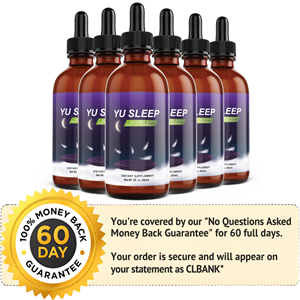
Many products combine lemon balm with other ingredients. Yu Sleep is one example: its official page lists Lemon Balm Extract alongside red tart cherry, 5-HTP, B vitamins, magnesium glycinate, apigenin, L-theanine, melatonin and GABA. The page states 0.9 mg of melatonin per serving but gives no amounts for the other ingredients, so you cannot tell how much lemon balm you would get.
That matters. Without a dose you cannot compare against research, and with ten ingredients it is hard to know which one, if any, is doing something. Read more in whether YU Sleep's ingredient amounts are disclosed and what evidence exists for ingredient synergy. For the full list, see what's inside YU Sleep.
If you are weighing it, our page on whether YU SLEEP is right for you sets out the fit questions. Check price and guarantee terms on the official page, as they can change.
How to evaluate a lemon balm extract label
- Find the amount. A named milligram figure per serving beats "proprietary blend."
- Check the extract type. Leaf extract, ratio and any standardization should be listed.
- Count the other ingredients. Each one adds possible effects and interactions.
- Look at other sedating ingredients such as melatonin, so you do not stack more than intended.
- Be wary of big promises like "permanent fix" or "stops night waking."
- Look for third-party testing if the maker claims it.
Our guide to reading a sleep supplement label goes deeper. Related single-ingredient pages include L-theanine and magnesium glycinate.
Try these first: low-cost steps before any supplement
- Keep a fixed wake time, even after a bad night.
- Stop caffeine in the afternoon and limit evening alcohol.
- Keep the bedroom dark, cool and quiet.
- Avoid heavy late meals.
- Try a warm lemon balm tea as a low-stakes wind-down ritual.
More ideas are in sleep better without buying anything. If you still want a product, compare formats in sleep aid types compared.
Next steps
Decide whether your issue is falling asleep or staying asleep, fix the obvious habits, then consider a single-ingredient trial with a clinician's input. If a blend interests you, read YU Sleep safety and practical questions and our verdict page before ordering.
Frequently asked questions
Does lemon balm help you sleep through the night?
The evidence is limited. Small studies suggest lemon balm may ease restlessness and improve self-reported sleep quality, often in combination with other herbs like valerian. Research specifically showing fewer night wakings is thin, so treat it as a possible gentle aid, not a proven fix.
What is a typical lemon balm dosage for sleep?
Studies have used a wide range, from a few hundred milligrams of dried leaf extract to larger amounts in tea or combination products. No single standard dose exists. Check the label, start low, and ask a pharmacist or doctor about what suits you.
What are the side effects of lemon balm extract?
Reported effects are usually mild: nausea, stomach upset, dizziness, headache, or next-day drowsiness. Some people feel more agitated instead of calm. Rare allergic reactions are possible. Stop if you notice problems and speak with a clinician.
Is lemon balm safe to take with other sleep supplements?
It may add to the sedating effect of other calming ingredients, alcohol, or sedative medicines. Combination formulas make it hard to know how much of each ingredient you get. Review the stack with a pharmacist or doctor first.
Who should avoid lemon balm extract?
People who are pregnant or breastfeeding, have thyroid conditions, take sedatives, thyroid medicine, or other prescriptions, or face surgery soon should ask a clinician first. Safety data in these groups is limited, so caution is sensible.
Does Yu Sleep contain lemon balm?
Yes, the official page lists Lemon Balm Extract among its ingredients, alongside others such as L-theanine, magnesium glycinate and melatonin. The page gives no dose for lemon balm, so you cannot judge how much you would get.
How long does lemon balm take to work for sleep?
Studies vary. Some look at effects after a single dose, others after several weeks of daily use. Individual response differs, and some people notice nothing. If you see no change after a reasonable trial, it is fine to stop.
Keep reading
 How to Read a Sleep Supplement Label: Doses, Blends and Red FlagsLearn how to read a sleep supplement label: check doses, spot proprietary blend red flags, and use…
 YU Sleep Dosages: Are the Ingredient Amounts Disclosed and Clinically Meaningful?YU Sleep ingredient amounts: what the page discloses (only melatonin at 0.9 mg), what it leaves out…
 L-Theanine for Sleep: What Research Says, Amounts and Side EffectsL-theanine for sleep: what research suggests, typical nighttime amounts, possible side effects, and…