Sleep anxiety is worry about sleep that raises alertness and makes sleep harder, which feeds more worry. You can often loosen the cycle by lowering effort, using a wind-down routine, getting out of bed when awake, and trying CBT-I methods. Persistent problems deserve a clinician's input.
Sleep anxiety is worry about sleep itself. If you feel your stomach tighten as bedtime nears, or you lie there calculating how many hours are left, you know the pattern. The fear of not sleeping can keep you awake even when nothing else is wrong.
This guide explains why performance anxiety around sleep happens, how to recognize it, and what you can do tonight and over the next few weeks. It is general information, not medical advice.
If you feel anxious about going to bed most nights, the goal is not to force sleep. It is to make bed feel safe and boring again.
- Sleep cannot be forced; effort and monitoring raise alertness.
- The cycle is worry, arousal, poor sleep, more worry. Break it at several points.
- Steady wake times, a wind-down, and getting up when frustrated are core tools.
- CBT-I is the best-studied approach for persistent insomnia.
- Supplements are optional, uncertain, and not a fix for the worry loop.
What sleep anxiety is (and what it feels like)
Sleep anxiety is fear, dread or tension tied to sleep. It can show up before bed, when you wake at night, or the next day as worry about how you will cope.
Common signs include:
- Dreading bedtime or putting it off.
- Checking the clock and doing sleep math.
- A racing heart or tense body when you lie down.
- Feeling sleepy on the sofa, then wide awake in bed.
- Thoughts like "I will be useless tomorrow."
- Anxiety that is worse on nights that matter, such as before a big meeting.
It is not the same as a sleep disorder, though the two often overlap. Insomnia, anxiety disorders, depression and sleep apnea can all look similar from the inside, so a professional assessment helps if this is persistent.
Why fear of not sleeping keeps you awake
Sleep happens when you let go, not when you try. Trying to sleep makes you monitor yourself, and monitoring is a form of alertness.
The loop usually runs like this: a few bad nights, then worry about sleep, then tension at bedtime, then more wakefulness. Each bad night then seems to prove the fear right.
Performance anxiety around sleep
Think of an exam or a speech. The harder you demand a result, the worse your body responds. Sleep is the same, except you cannot practice it on purpose. Demanding "I must sleep now" is the pressure that keeps you up.
Bed becomes a cue for worry
If you spend long stretches awake and frustrated in bed, your brain can learn to link bed with alertness. That is why you may feel drowsy elsewhere and awake the second you lie down. Our page on stimulus control therapy covers how to retrain that link.
Catastrophic thinking
Thoughts such as "I will get ill" or "I will lose my job" feel urgent at 2 AM. A single poor night is unpleasant but usually manageable. Reminding yourself of past bad nights you survived can take some heat out of it.
Quick checklist: is this sleep anxiety?
Tick what applies over the past few weeks:
- I feel more alert when I get into bed than before.
- I look at the clock repeatedly.
- I avoid or delay bed because I expect a bad night.
- I try techniques with a strong sense of pressure to succeed.
- I worry about the daytime effects more than I notice them.
Several ticks suggest the worry is part of the problem. Tracking a free sleep diary for two weeks gives you facts instead of guesses, and often shows you sleep more than you feel you do.
What to do tonight
These steps lower pressure rather than demand sleep.
- Turn the clock away. Set an alarm if you need one, then stop checking.
- Do a 30 to 60 minute wind-down. Dim lights, no work or news, something calm and familiar.
- Write a brain dump. Put worries and tomorrow's tasks on paper. See bedtime journaling for a simple format.
- Slow your breathing. Try longer exhales without forcing a count that stresses you. Our breathing exercises guide compares methods.
- Relax your body. Progressive muscle relaxation gives your mind a task.
- Get up if you are awake and tense. Go to another room, keep light low, do something quiet, and return when sleepy.
- Aim for rest, not sleep. Lying calmly still gives your body some recovery even without sleep.
Why "sleep on command" tricks can backfire
Techniques sold as instant sleep can become another test you can fail. If you try one, treat it as a relaxation exercise, not a pass-or-fail trial.
Look at how we cover the military sleep method and sleeping on command. The common thread is that calm helps, and pressure undermines it.
See the details, current pricing and who it suits.
Check current optionsAffiliate link: we may earn a commission at no extra cost to you.Daytime habits that lower nighttime worry
What you do before evening shapes how wired you feel at bedtime.
- Keep a steady wake time. It anchors your body clock more than bedtime does. See how to fix your sleep schedule.
- Get morning light. It supports your rhythm; read about morning sunlight.
- Watch caffeine. Late coffee can feel like anxiety. Check the caffeine cutoff guide.
- Move your body. Regular exercise is linked with better sleep; timing is covered in exercise and sleep.
- Schedule worry time. Give yourself 15 minutes in the early evening to think through problems.
- Be careful with naps. They can help or hurt; see napping and night sleep.
 Recommended for youSleep Better Without Buying Anything
Treatments with the best evidence: CBT-I
Cognitive behavioral therapy for insomnia, or CBT-I, is widely recommended as a first-line approach for chronic insomnia. It combines changing sleep habits with changing unhelpful thoughts about sleep.
| Component | What it targets | Where to learn |
|---|---|---|
| Stimulus control | Bed linked with wakefulness | Stimulus control |
| Sleep restriction | Too much time awake in bed | Sleep restriction |
| Cognitive work | Catastrophic thoughts, pressure | CBT-I basics |
| Relaxation | Physical arousal | Breathing |
Environment and evening routine
A comfortable bedroom removes small irritations that give anxiety something to hold on to. Start with the free changes in bedroom setup, then see making your room dark and quiet and the best sleeping temperature.
Evening screens matter more for content than for light alone; if news or messages stir you up, put them away early. Our guide on evening light and screens separates the useful advice from the hype. A warm bath or shower can also be a pleasant cue to wind down. If you stay up late to reclaim free time, see revenge bedtime procrastination.
Where supplements fit, and where they do not
Some people consider a supplement to feel less alone with the problem at night. That is understandable, but a product cannot remove the learned worry cycle. Habit and thought changes are what address it.
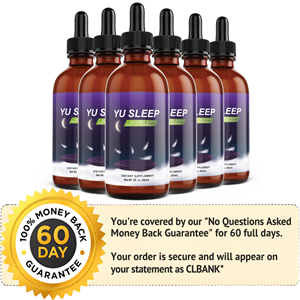
If you are curious, treat any product as optional and evaluate it carefully. For example, Yu Sleep is a liquid taken by dropper; the official page lists ingredients including melatonin at 0.9 mg per serving, and it advertises a 60-day guarantee whose terms we could not see. The page cites no studies for its claims, so read it skeptically. Prices and offers can change, so confirm everything on the official page. Our YU SLEEP overview sets out who it may suit, and the safety and questions page covers cautions.
Downsides to weigh: it has a minimum two-month purchase, shipping may apply, and ingredient amounts other than melatonin are not stated on the page we reviewed. Check with a pharmacist or doctor first if you take medicines, are pregnant or have a medical condition. Our page on medical conditions explains why.
Also be wary of reliance. If you start to feel you cannot sleep without a product, you may have swapped one performance pressure for another.
When to get professional help
Seek help if:
- Poor sleep has lasted about three months or more.
- Worry, panic or low mood spills into the day.
- You snore loudly, gasp or stop breathing in sleep.
- You have thoughts of self-harm. Contact local emergency or crisis services right away.
- You feel dangerously sleepy while driving.
A GP, therapist or sleep clinic can check for other causes and offer CBT-I, sometimes online or by phone.
Next steps
Begin with a sleep diary and a fixed wake time, then add a wind-down and a brain dump. For a wider free toolkit, read Sleep Better Without Buying Anything. If you wake repeatedly, see trouble sleeping through the night. Give changes a few weeks before judging them, and expect some uneven nights along the way.
Frequently asked questions
What is sleep anxiety?
Sleep anxiety is fear or worry about sleep itself: being anxious about going to bed, dreading a bad night, or fearing the next day's consequences. The worry raises alertness, which makes sleep harder, which then confirms the fear. It can occur with or without insomnia.
Why am I anxious about going to bed?
Often it is learned. After several bad nights, the bed and bedtime can become cues for worry and frustration. Clock-watching, trying hard to sleep, and catastrophizing about tomorrow all keep the pattern going. Daytime stress and irregular schedules can add to it.
How do I stop the fear of not sleeping?
Shift from trying to sleep to allowing rest. Keep a steady wake time, wind down for 30 to 60 minutes, hide the clock, and get up if you are awake and tense. Brain dumps, slow breathing and CBT-I techniques can help. Seek professional help if it persists.
Is performance anxiety about sleep a real thing?
Yes, it is a commonly described pattern. Sleep is not something you can force, so pressure to perform tends to backfire. The more you monitor and try, the more alert you become. Reducing effort and tracking is a common starting point.
Should I stay in bed if I cannot sleep?
If you are awake and getting frustrated, many sleep specialists suggest getting up, doing something quiet in low light, and returning when sleepy. This protects the link between bed and sleep. It is a core part of stimulus control therapy.
Can a supplement fix sleep anxiety?
A supplement is unlikely to resolve the learned worry-and-alertness cycle on its own. Some people use them as one part of a plan, but evidence varies by ingredient. Talk to a pharmacist or doctor first, especially if you take medication.
When should I see a doctor about sleep anxiety?
See a professional if poor sleep lasts about three months or more, if worry or low mood affects daily life, or if you have loud snoring, gasping, or panic at night. A clinician can screen for other causes and discuss CBT-I.
Keep reading
 CBT-I Basics: How Cognitive Behavioral Therapy for Insomnia Works at HomeCBT-I at home explained: the core techniques, a step-by-step starter plan, who should get professio…
 Breathing Exercises for Sleep: 4-7-8, Box Breathing and Slow BreathingBreathing exercises for sleep explained: how 4-7-8, box breathing and slow breathing work, step-by-…
 Bedtime Journaling and the Brain Dump: Clear Your Mind Before SleepJournaling before bed for sleep: how to do a brain dump, write a to-do list or worry journal, what…