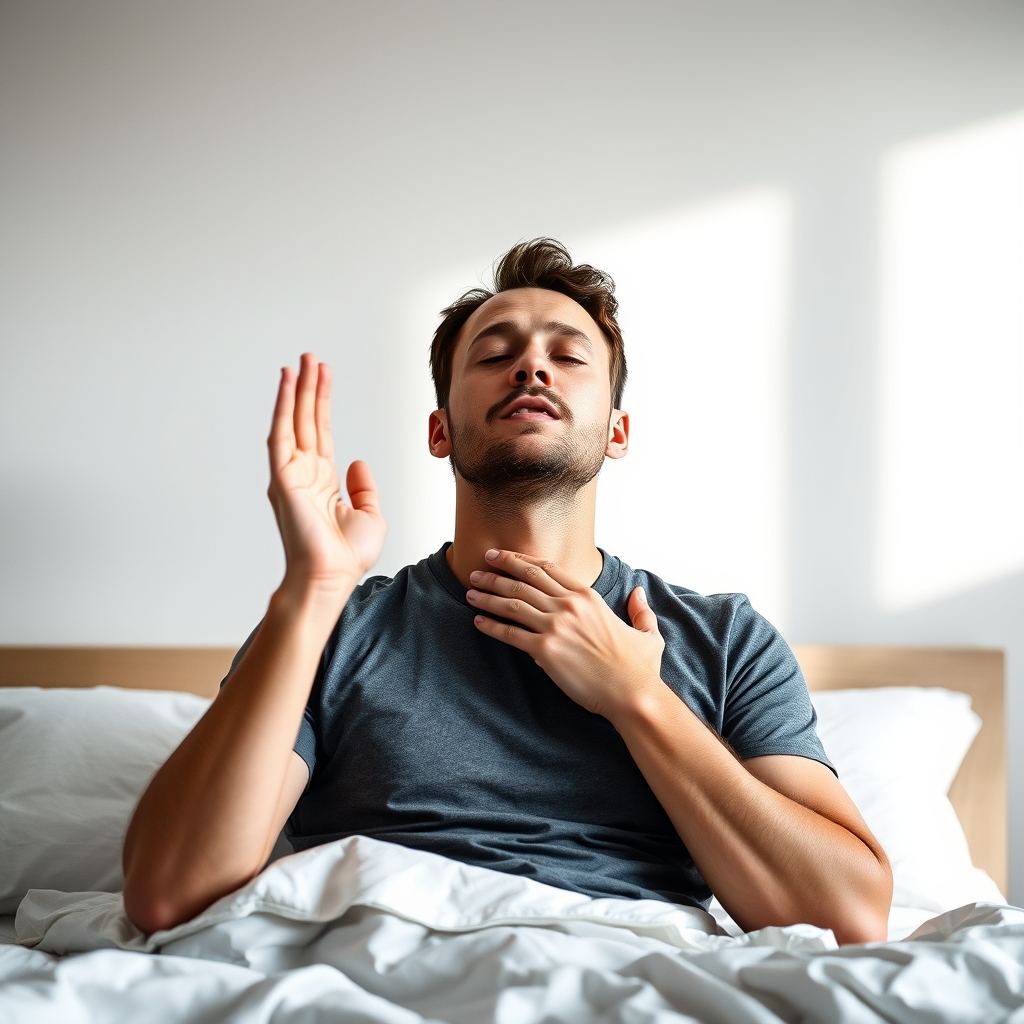
Breathing exercises for sleep work by slowing your breathing and giving your mind a simple task at bedtime. Slow breathing has the most research support; 4-7-8 and box breathing are structured versions. Expect modest help, not a cure, and stop if you feel dizzy or anxious.
Breathing exercises for sleep are free, take a few minutes, and need no equipment. The three most searched are 4-7-8 breathing, box breathing and plain slow breathing. They share one idea: slow your breath, and give your busy mind one simple job.
This guide explains what each one involves, what the evidence can and cannot say, and how to choose. We also name the downsides, because breathing exercises are not a fix for every sleep problem.
Nothing here is medical advice. If sleep trouble is persistent or you have a breathing or heart condition, talk to a qualified clinician first.
- Slow breathing with a longer exhale is the simplest option and the best supported in general.
- 4-7-8 and box breathing add counts and breath holds, which some people like and others find uncomfortable.
- Expect modest help with winding down, not a guaranteed result.
- Stop if you feel dizzy, panicky or more awake.
Do breathing exercises help you sleep?
They may help some people. Slow, relaxed breathing is commonly used in relaxation training, and it can ease the physical tension and racing thoughts that keep you awake. Studies of slow breathing and relaxation tend to be small and varied, so treat the benefit as modest and individual.
The likely mechanisms are practical. Your attention shifts from worries to counting, and your body gets a cue that it is time to settle. Neither is a sedative effect, and neither works on every night.
Breathing will not fix a mismatched schedule, heavy late caffeine, or a bedroom that is bright and noisy. Think of it as one tool alongside the basics in our guide to sleeping better without buying anything.
Slow breathing to fall asleep: the simplest method
If you only learn one technique, make it this one. It has no holds and no strict ratio, so it is hard to get wrong.
- Lie comfortably or sit back. Rest one hand on your belly if that helps.
- Breathe in gently through your nose for about 4 seconds.
- Breathe out slowly through your nose or pursed lips for about 6 seconds.
- Keep the breath soft. It should feel easy, never strained.
- Repeat for 5 to 10 minutes. If you lose count, just keep breathing slowly.
The longer exhale is the point. Many people find it more calming than a deep inhale. If 4 and 6 feels like too much, shorten both until it is comfortable.
How 4-7-8 breathing works
4-7-8 is a counting pattern: inhale for 4, hold for 7, exhale for 8. It is widely taught for sleep, but the exact ratio has limited direct research. Its appeal is that the long exhale and counting give your mind plenty to do.
Steps for 4-7-8 breathing
- Exhale fully through your mouth.
- Close your mouth and inhale quietly through your nose for a count of 4.
- Hold your breath for a count of 7.
- Exhale slowly through your mouth for a count of 8.
- Repeat for four rounds at first, then build up if it feels fine.
Count at whatever speed is comfortable. The ratio matters more than the clock. A slower count can feel better than rushing to hit exact seconds.
Box breathing for sleep
Box breathing uses four equal counts: inhale, hold, exhale, hold. It is often linked to stress control and focus. It can work for sleep if tension is what keeps you up, though it was not built specifically for bedtime.
- Breathe out fully.
- Inhale through your nose for 4 counts.
- Hold for 4 counts.
- Exhale for 4 counts.
- Hold empty for 4 counts, then repeat for 5 to 10 minutes.
Some people picture tracing the sides of a square. The even rhythm is easy to remember, which helps when you are tired. The downside is the empty hold, which some find unpleasant. Skip it, or try a 4-4-6 version with a longer exhale.
4-7-8 vs box breathing vs slow breathing
| Technique | Pattern | Best for | Main downside |
|---|---|---|---|
| Slow breathing | In 4, out 6 (no holds) | Beginners, anxious breathers | Less to occupy a busy mind |
| 4-7-8 | In 4, hold 7, out 8 | People who like counting | Long hold can cause dizziness |
| Box breathing | 4-4-4-4 | Tense, wired evenings | Empty hold feels odd for some |
If you are unsure, start with slow breathing for a week. Move to 4-7-8 or box breathing only if you want more structure.
How to build a bedtime breathing routine
A technique works better when it sits inside a predictable wind-down. Here is a simple checklist you can adapt.
- Dim lights and put screens away about 30 to 60 minutes before bed. See what actually matters about evening light.
- Pick one technique and use it for at least a week before judging it.
- Do 5 to 10 minutes, in bed or in a chair.
- Follow with something calm, such as reading or progressive muscle relaxation.
- Note the result in a simple sleep diary so you can see whether it helps.
See the details, current pricing and who it suits.
Check current optionsAffiliate link: we may earn a commission at no extra cost to you. Recommended for youSleep Better Without Buying Anything
What to do when you wake in the night
The same breathing can help after a middle-of-the-night waking. Keep the light low, avoid checking the clock, and run a few slow rounds. If your mind keeps spinning, that is a different problem, covered in our step-by-step guide to 3am wake-ups.
If you are still awake after a long stretch, do not keep trying harder. Our page on how long to lie awake before getting up explains the usual advice: get up, do something quiet, return when sleepy.
Common mistakes and downsides
- Breathing too deeply or forcefully. This can cause dizziness or tingling. Keep it gentle.
- Treating it as a test. Checking whether you are asleep yet defeats the purpose. See sleep anxiety and the fear of not sleeping.
- Quitting after one night. Skills like this often take a few days to feel natural.
- Expecting it to override habits. Late caffeine, an irregular schedule or a hot, bright room can outweigh a few calm breaths. Check your caffeine cutoff and your bedroom setup.
- Relying on tricks only. Methods like the military sleep method or sleeping on command promise speed, but evidence for quick results is thin.
Breathing exercises and sleep aids: how they fit
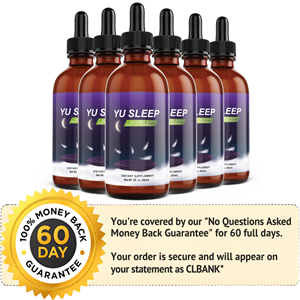
Breathing is a behavior you can try before spending money. Supplements are a separate decision with their own costs and cautions. If you are weighing a product such as YU Sleep, an liquid sleep formula that the official page says is taken by dropper before bed, treat it as something to compare, not a replacement for sleep habits. Our YU SLEEP overview sets out what the official page states and what it does not, and our comparison with alternatives helps you weigh options.
Supplements, including those containing melatonin, are worth discussing with a pharmacist or doctor, especially if you take medication. Prices and terms change, so confirm everything on the official page before buying.
When to get professional help
Breathing exercises suit occasional, stress-related trouble falling asleep. See a doctor if poor sleep lasts several weeks, if you snore loudly or gasp at night, or if daytime sleepiness affects driving or work. Structured approaches such as CBT-I have stronger evidence for long-term insomnia than any single breathing pattern.
Next steps
Pick one technique tonight, run it for a week, and log what happens. Then add a second habit, such as a bedtime brain dump or a steadier wake time from our gradual schedule reset. For the full free toolkit, return to Sleep Better Without Buying Anything.
Frequently asked questions
Does 4-7-8 breathing really help you fall asleep?
It may help some people, mainly by slowing your breathing and giving your mind something to focus on. Research on the exact 4-7-8 pattern is limited, while slow breathing in general has more support. Results vary, and it works best as part of a consistent bedtime routine.
Is box breathing good for sleep?
Box breathing can help you settle if you feel tense, because the even counts are easy to follow. It was not designed specifically for sleep, and holding your breath can feel uncomfortable. If it does, use a version without holds or try slow breathing instead.
How long should I do breathing exercises before bed?
Most people try about 5 to 10 minutes. There is no proven ideal length. Start with a few minutes, see how you feel, and extend only if it is comfortable. Stop if you feel lightheaded or more alert.
What is the best breathing technique for sleep?
There is no single best one. Slow, relaxed breathing with a longer exhale is the simplest and has the most general support. Try 4-7-8 or box breathing if you like counting. Pick the one that feels easy and that you will actually repeat.
Can breathing exercises make anxiety worse?
Sometimes. Breath holds and forced deep breaths can make some people feel short of breath or panicky, especially with anxiety or panic history. Use gentler counts, skip the holds, and talk to a clinician if breathing exercises consistently increase distress.
What if I still can't sleep after breathing exercises?
Don't force it. If you are awake for a long stretch, get up, do something calm in low light, and return when sleepy. If trouble sleeping continues for weeks or affects your days, speak with a doctor or sleep specialist.
Should I do breathing exercises in bed or before it?
Either can work. Doing them in bed is convenient, but if you start watching the clock or feeling pressure, move them to a chair before bed. The aim is relaxation, not a performance test.
Keep reading
 Progressive Muscle Relaxation for Sleep: Step-by-Step ScriptProgressive muscle relaxation for sleep, explained step by step: a full bedtime script, a shorter v…
 Sleep Anxiety: Why Fear of Not Sleeping Keeps You Awake and How to Break ItSleep anxiety, the fear of not sleeping, can keep you awake by itself. Learn why it happens and the…
 The Military Sleep Method: Does It Really Work?The military sleep method promises sleep in 2 minutes. Here is what the evidence supports, the step…