You can't truly sleep on command, because sleep is something your body allows rather than something you force. You can raise the odds by lowering arousal: a steady wake time, a dim wind-down, slow breathing and a calm, cool bedroom. Practice these nightly so they work when you need them.
You can't truly sleep on command. Sleep is something your body allows when it's ready, and effort tends to push it away. What you can do is lower the things that keep you awake, so that falling asleep on demand becomes far more likely.
That means a steady wake time, dim light, a calm body and a bed that reads as "sleep" to your brain. This page covers how to actually go to sleep tonight, and how to build habits that work when you need them.
- There is no reliable instant switch; aim to reduce alertness instead.
- Consistency beats tricks: wake time, light and routine do the heavy lifting.
- If you're awake and frustrated, get up briefly rather than force it.
- Long-running trouble deserves a professional's input.
Why you can't force sleep
Two things drive sleep: built-up sleepiness from time awake, and your body clock's timing signal. Neither responds to willpower. Worse, trying hard raises arousal, which is the opposite of what you need.
Be wary of anything promising to knock you out instantly. The realistic goal is falling asleep more easily and more predictably, not on a stopwatch.
What to do in the hour before bed
Think of this as a ramp down. Your brain needs a signal that the day is over.
- Dim the lights and put work and stressful messages away.
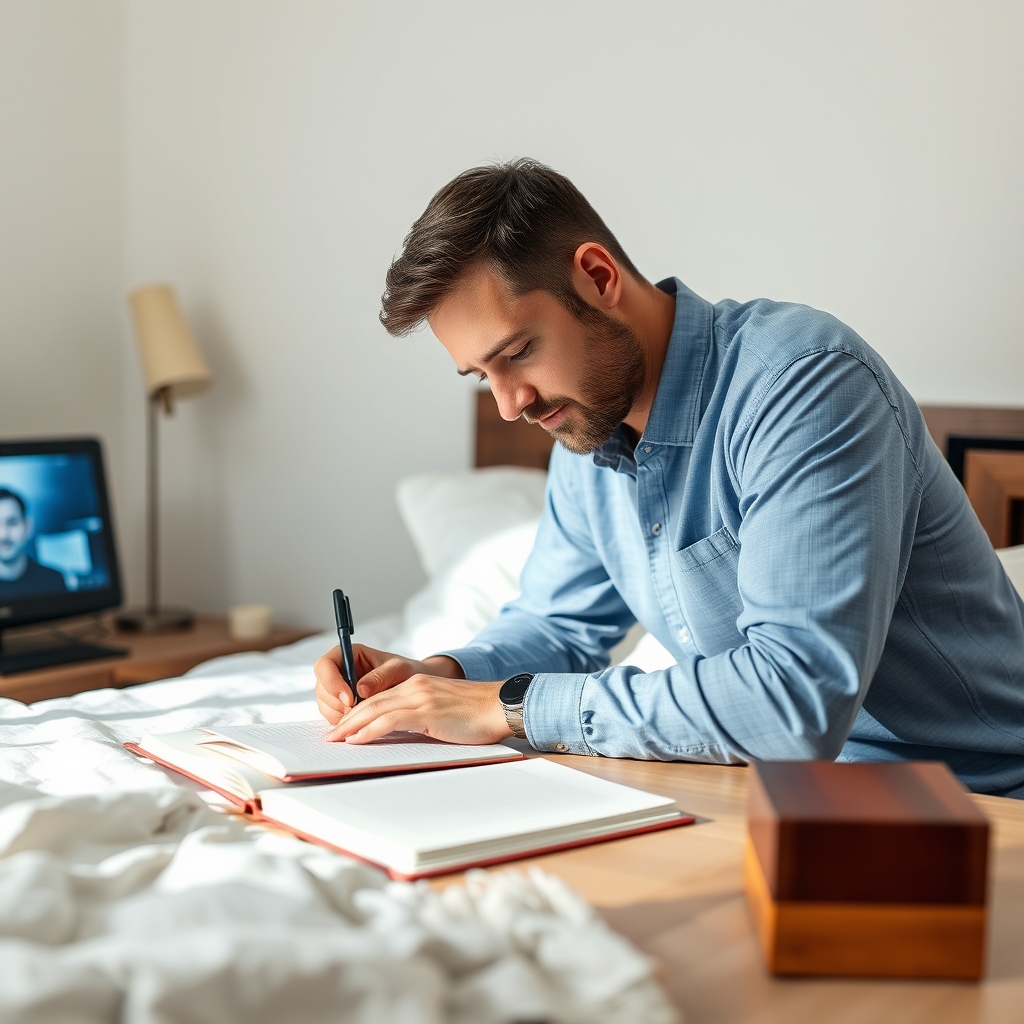
- Write down tomorrow's to-do list so it stops circling. See bedtime journaling and the brain dump.
- Take a warm bath or shower; here's what the evidence says.
- Do something low-stimulation: reading on paper, gentle stretching, quiet music.
- Get into bed only when you feel sleepy, not merely tired.
Quick techniques once you're in bed
These lower arousal. None is guaranteed, so test each for a week before judging it.
- Slow breathing: a longer exhale than inhale. Try 4-7-8, box or slow breathing.
- Muscle relaxation: tense and release each muscle group, following a step-by-step script.
- The military method: a popular routine, but see whether it really works before relying on it.
- Quiet mental tasks: picture a calm, detailed scene rather than solving problems.
See the details, current pricing and who it suits.
Check current optionsAffiliate link: we may earn a commission at no extra cost to you.Set up the conditions that make sleep easier
Your daytime choices decide how easily you fall asleep at night. Small changes add up.
| Lever | What to do | Learn more |
|---|---|---|
| Wake time | Keep it the same daily, weekends included | Fix your sleep schedule |
| Morning light | Get outdoor light soon after waking | Morning sunlight |
| Caffeine | Set an afternoon cutoff | Caffeine cutoff time |
| Evening light | Dim lights and reduce bright screens | Evening light and screens |
| Bedroom | Cool, dark and quiet | Bedroom setup |
Naps and late workouts can also delay sleepiness, so check how to nap without ruining your night and the best time to exercise.
What to do if you're still awake
Lying there frustrated teaches your brain that bed is a place for wakefulness. After a while awake, get up, keep the lights low and do something quiet until sleepy. Our guide on how long to lie awake before getting up covers the timing.
This idea comes from stimulus control therapy, part of CBT-I, which is among the better-supported approaches for ongoing insomnia.
 Recommended for youCBT-I Basics: How Cognitive Behavioral Therapy for Insomnia Works at Home
When anxiety about sleep is the problem
For some people the issue isn't the body but the pressure: "I must sleep now." That fear keeps the mind switched on. Sleep anxiety is common and can be eased by lowering the stakes, such as accepting rest as still useful even without sleep.
Staying up late on purpose can also look like trouble falling asleep; check whether revenge bedtime procrastination sounds familiar.
Where supplements fit, and their downsides
Some people look to supplements for sleep on demand. There's no product that works as an instant switch, and results vary. Downsides include cost, possible interactions with medication, and the risk of leaning on a product instead of fixing habits.
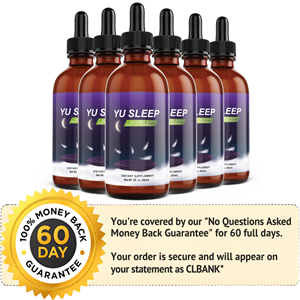
One example is Yu Sleep, a liquid taken by dropper, which its official page says to use 2 droppers 30 minutes before bed. The page lists ingredients including melatonin at 0.9 mg per serving and describes a sell-only-in-multi-month-packages model, with a 60-day guarantee whose terms you should read in full. Its timeline claims, such as changes within days, are the page's own. To weigh it, see whether it's right for you, what's inside and safety questions.
When to get help
See a clinician if trouble falling asleep happens most nights for weeks, you snore loudly or gasp, or daytime sleepiness affects driving or work. A sleep diary makes that visit more useful.
Next steps
Start with the free basics in Sleep Better Without Buying Anything. If waking in the night is your bigger issue, read trouble sleeping through the night, and compare formats in sleep aid types compared.
Frequently asked questions
Is it possible to fall asleep instantly?
For most people, not reliably. Sleep onset is gradual, and trying hard tends to backfire. What you can do is create conditions where it happens faster: low light, a calm body, a regular schedule and a bed you associate with sleep. Falling asleep within a few minutes of lying down can also be a sign you're sleep deprived.
How do I make myself fall asleep when I'm not tired?
You can't force it, but you can avoid fighting it. Keep a fixed wake time, get morning light, skip late naps and caffeine, and do a calming routine. If you're still awake after a while, get up and do something quiet until sleepy, then return to bed.
Does the 4-7-8 breathing trick work?
Slow breathing can help some people relax, which makes sleep more likely. It is not a proven knockout method. Try it for several nights and judge by your own results. If counting makes you more alert, switch to simply lengthening your exhale.
How long should it take to fall asleep?
Many sleep guides treat roughly 10 to 20 minutes as a typical range for healthy adults. Occasionally taking longer is normal. If it regularly takes much longer, or you feel unrefreshed in the day, consider tracking your sleep and speaking with a clinician.
Can a supplement help me sleep on demand?
No supplement is a reliable on switch. Some people try products like melatonin or herbal blends, with mixed results. Habits come first, and you should check with a pharmacist or doctor if you take medication or have a health condition.
What should I do if I'm lying awake and anxious about sleep?
Stop checking the clock and avoid trying to force sleep. Use slow breathing or muscle relaxation, and if you stay awake for a long stretch, get up and do something calm in low light. Persistent worry about sleep is worth raising with a professional.
Keep reading
 Sleep Restriction Therapy: How to Try It Safely at HomeSleep restriction therapy how to: set a time-in-bed window, track your sleep, adjust weekly and kno…
 Stimulus Control Therapy: Rules to Retrain Your Brain to Link Bed With SleepStimulus control therapy uses a few simple rules to retrain your brain to link bed with sleep. Lear…
 Sleep Diary Template: How to Track Your Sleep for FreeA sleep diary template is the cheapest sleep tool there is: a simple log you fill in each day, on p…