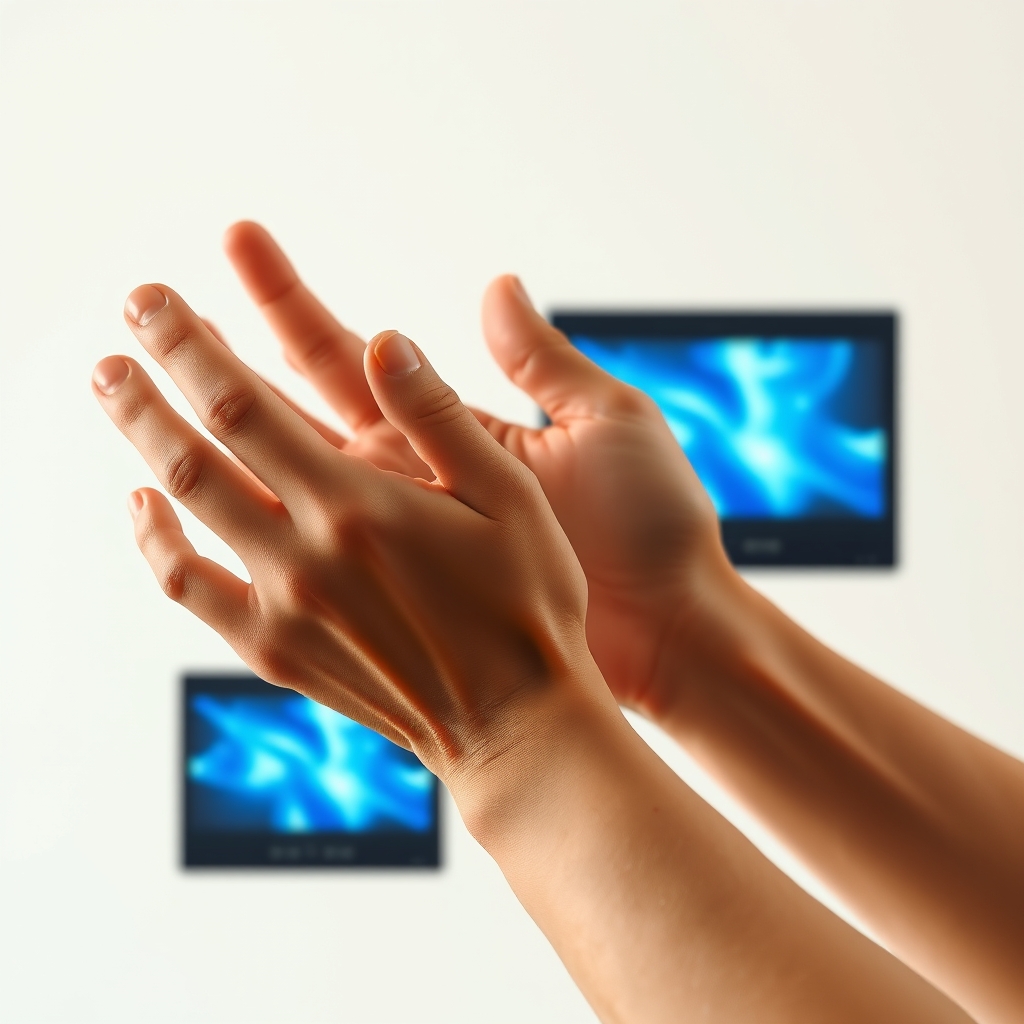
- What is the military sleep method?
- How to do the army sleep technique, step by step
- Does it really work? What the evidence supports
- The cognitive shuffle: an alternative for racing thoughts
- How to give it a fair trial
- When the military method is not enough
- Free habits that make the method work better
- What about sleep supplements?
The military sleep method combines muscle relaxation, slow breathing and a calming mental image. The claim of sleep in 2 minutes comes from a popular account, not solid trials. Its parts are sensible and low-risk, so it is worth a fair trial, but expect it to take practice.
The military sleep method is a relaxation routine said to help you fall asleep in about two minutes. You will see it online as the "army sleep technique" or the "military method to fall asleep in 2 minutes." It is popular because it is free and short, but the headline promise deserves scrutiny.
This guide explains the steps, what the evidence does and does not support, the downsides, and what to do if it fails. We have not run trials of it, and we cite only general sleep knowledge, not made-up results.
If you want a wider toolkit, our pillar on sleeping better without buying anything puts this method in context.
- The method combines muscle relaxation, slow breathing and a calming mental image.
- The "2 minutes" and "six weeks of practice" figures come from popular retellings, not strong public research.
- It is low-risk and free, so a fair trial is reasonable.
- Persistent sleep trouble needs a professional, not more tricks.
What is the military sleep method?
It is a bedtime routine that is often described as having been developed to help pilots sleep quickly. We could not verify that origin, so treat the story as folklore. What matters is whether the steps help you.
The routine has three parts: relax the face and body, slow your breathing, and clear your mind with a simple image. None of these is exotic. Each resembles techniques used in standard relaxation training.
How to do the army sleep technique, step by step
- Get comfortable. Lie down in a dark, cool, quiet room. Let your arms rest at your sides.
- Relax your face. Soften your forehead, eyes, cheeks and jaw. Let your tongue go loose.
- Drop your shoulders. Let them sink, then let each arm go heavy, one side at a time.
- Slow your breathing. Breathe out fully, then breathe slowly and evenly through your chest.
- Relax your legs. Work from thighs to calves to feet, letting each part go limp.
- Clear your mind for about 10 seconds. Picture something calm, such as lying in a canoe on a still lake, or settle into a soft, dark space.
- If thoughts return, repeat a simple phrase such as "don't think" for a few seconds, then go back to the image.
Go gently. The goal is to let go, not to perform the steps perfectly.
Does it really work? What the evidence supports
There is no strong public trial showing that this exact sequence gets people asleep in two minutes. The popular claim that it works for most people after six weeks is also unverified. We would not rely on either number.
The ingredients are more defensible. Relaxation methods, slow breathing and guided imagery are widely used in behavioral approaches to sleep problems, and they can lower physical tension. That is a reasonable basis for trying it, not proof of a result.
Why it might help
- It gives your mind a task other than worrying.
- Releasing muscle tension may ease physical arousal.
- A repeated routine becomes a cue that bedtime has arrived.
Why it might not
- It can feel like pressure. Watching the clock for a two-minute result can raise anxiety.
- It does not address causes such as caffeine, an irregular schedule or a bright, noisy room.
- It may do little if a medical condition, such as sleep apnea, is disrupting your sleep.
The cognitive shuffle: an alternative for racing thoughts
The cognitive shuffle is a mental technique rather than a body one. You pick a random word, say "garden," and picture an item for each letter, such as "g" for goat, "a" for apple. Then you move to a new word.
The idea is that unconnected images are hard to worry about, so thoughts loosen. Evidence is limited, so treat it as an experiment. Some people find it easier than body scans when their mind is the problem.
| Technique | Focus | May suit you if |
|---|---|---|
| Military method | Body relaxation, then imagery | You hold tension in your face and shoulders |
| Cognitive shuffle | Random word images | Your thoughts race at night |
| Breathing exercises | Slow breath pacing | You feel wound up or jittery |
| Progressive muscle relaxation | Tense and release groups | You like a structured script |
How to give it a fair trial
Practice beats a single attempt. Try it for a few weeks and keep a record so you can judge honestly instead of by a bad night.
- Practice at the same time each night, in bed, after your usual wind-down.
- Do not check the clock. Time pressure works against relaxation.
- Log bedtime, estimated time to fall asleep and how you felt next day in a sleep diary.
- Change one thing at a time so you know what helped.
See the details, current pricing and who it suits.
Check current optionsAffiliate link: we may earn a commission at no extra cost to you. Recommended for youSleep Better Without Buying Anything
When the military method is not enough
If you have tried relaxation for several weeks and still lie awake, the cause may sit elsewhere. Common culprits include late caffeine, an erratic schedule, bright evening light or a bedroom that is too warm. Fixing these often does more than any technique.
Fear of not sleeping can also keep you awake. If that sounds familiar, read about sleep anxiety, since a rigid two-minute target can feed the problem.
For ongoing insomnia, structured programs such as CBT-I basics at home have a stronger track record than single tricks. See a doctor if you snore loudly, gasp at night, or feel very sleepy in the day.
Free habits that make the method work better
- Set up your bedroom to be cool, dark and quiet.
- Set a caffeine cutoff well before bed.
- Get morning light to anchor your body clock.
- Keep wake-up times steady, using a gradual reset plan if needed.
What about sleep supplements?
Some readers wonder whether a product might replace the effort of a routine. They are different things, and a supplement has its own cautions. Yu Sleep, for example, is a liquid whose page lists ingredients including melatonin at 0.9 mg per serving, and it is sold in minimum 2-month packages. The page advertises a 60-day guarantee, but we did not see terms in the text we reviewed, so read them in full before buying.
The page makes claims we cannot verify, and it cites no studies in the text we saw. If you are considering any supplement, speak with a doctor or pharmacist first, especially if you take medication, are pregnant or have a health condition. You can see our view on whether YU SLEEP is right for you, and compare formats in sleep aid types compared.
Next steps
Start with a two to three week trial of the method, logged in a diary. If body relaxation does not suit you, try the cognitive shuffle or slow breathing instead.
For more options, read how to sleep on command and the causes and signs of trouble sleeping through the night. If sleep problems last or affect your days, see a qualified professional.
Frequently asked questions
Does the military sleep method really work?
It may help some people, but the claim of falling asleep in 2 minutes is not backed by strong public research. The individual parts, muscle relaxation, slow breathing and calming imagery, have some support for easing tension. Treat it as a skill that needs practice, not a guaranteed trick.
How long does it take to learn the army sleep technique?
The popular account says about six weeks of practice. We cannot verify that figure, and people differ. A sensible plan is to practice nightly for a few weeks, note changes in a sleep diary, and judge by your own results.
What is the cognitive shuffle for sleep?
It is a technique where you think of a random word, spell it, and picture an item for each letter, then move to a new word. The aim is to occupy your mind with unconnected images so worries fade. Evidence is limited, so try it as an experiment.
What if I cannot fall asleep with the military method?
Do not force it. If you are still awake after a while, get up, do something quiet in dim light, and return when sleepy. Trying harder tends to raise alertness. If trouble persists for weeks, talk with a doctor or sleep professional.
Is the military sleep method safe?
For most people it is low-risk, since it uses relaxation and breathing. If breathing exercises make you dizzy, or tensing muscles causes pain, stop. Ongoing insomnia, loud snoring or daytime sleepiness deserve a professional check.
Can a sleep supplement replace the military method?
They are different things. The method is a free habit; a supplement is a product with its own cautions. Try behavioral steps first, and speak to a clinician before adding supplements, especially if you take medication or have a health condition.
Does the military method work for racing thoughts?
The visualization step is meant to quiet the mind, and some people find the cognitive shuffle suits racing thoughts better. If worry is the main issue, a brain dump earlier in the evening may also help.
Keep reading
 Breathing Exercises for Sleep: 4-7-8, Box Breathing and Slow BreathingBreathing exercises for sleep explained: how 4-7-8, box breathing and slow breathing work, step-by-…
 Progressive Muscle Relaxation for Sleep: Step-by-Step ScriptProgressive muscle relaxation for sleep, explained step by step: a full bedtime script, a shorter v…
 Sleep Anxiety: Why Fear of Not Sleeping Keeps You Awake and How to Break ItSleep anxiety, the fear of not sleeping, can keep you awake by itself. Learn why it happens and the…
