- Why men waking up at night is worth investigating first
- Sleep apnea: the check to do before any sleep aid
- Nocturia and sleep: when you wake up to urinate
- Medication checks: what to bring to your pharmacist
- How to read a sleep supplement label as a man with these concerns
- A worked example: what Yu Sleep's page says, and what it leaves out
- Price and guarantee: confirm before you buy
- Safer first steps that cost nothing
Sleep supplement safety for men starts with why you wake up. Apnea, nighttime urination and common medications can all be the real cause or a source of interactions. Check those first, talk to a doctor or pharmacist, and treat any supplement as a secondary step.
If you are a man who keeps waking up at night, a supplement is rarely the first question to ask. Sleep supplement safety for men depends on why you wake: sleep apnea, a full bladder, a medication, or plain habit. Each of those changes which products make sense and which could cause trouble.
This guide is general information, not medical advice. It walks through the three checks that matter most (apnea, nighttime urination and medications), then shows how to read a supplement label with them in mind. We use Yu Sleep as one worked example, based only on what its official page states.
We have not used any product mentioned here. Where we describe a product, we are describing the seller's own page, and where we describe the science, we keep it general.
- Work out why you wake before choosing a sleep aid.
- Loud snoring, gasping or heavy daytime sleepiness point toward an apnea check, not a supplement.
- Waking to urinate more than once a night deserves a medical look.
- Bring your full medication and supplement list to a pharmacist or doctor.
- Confirm every price, term and ingredient on the official page.
Why men waking up at night is worth investigating first
Night waking is a symptom, not a diagnosis. The same 3 AM eyes-open moment can come from a breathing problem, a bladder signal, alcohol wearing off, stress, pain or a medication. A supplement aimed at "sleep" addresses none of these directly.
That matters for safety because masking a symptom can delay finding its cause. Someone with untreated apnea who takes a sedating product may sleep more deeply without breathing any better. For a wider look at the patterns, see our guide to trouble sleeping through the night.
A simple two-week diary helps. Note bedtime, wake times, what woke you (bladder, noise, heat, racing thoughts, nothing obvious), alcohol, caffeine, late meals and any medications.
Sleep apnea: the check to do before any sleep aid
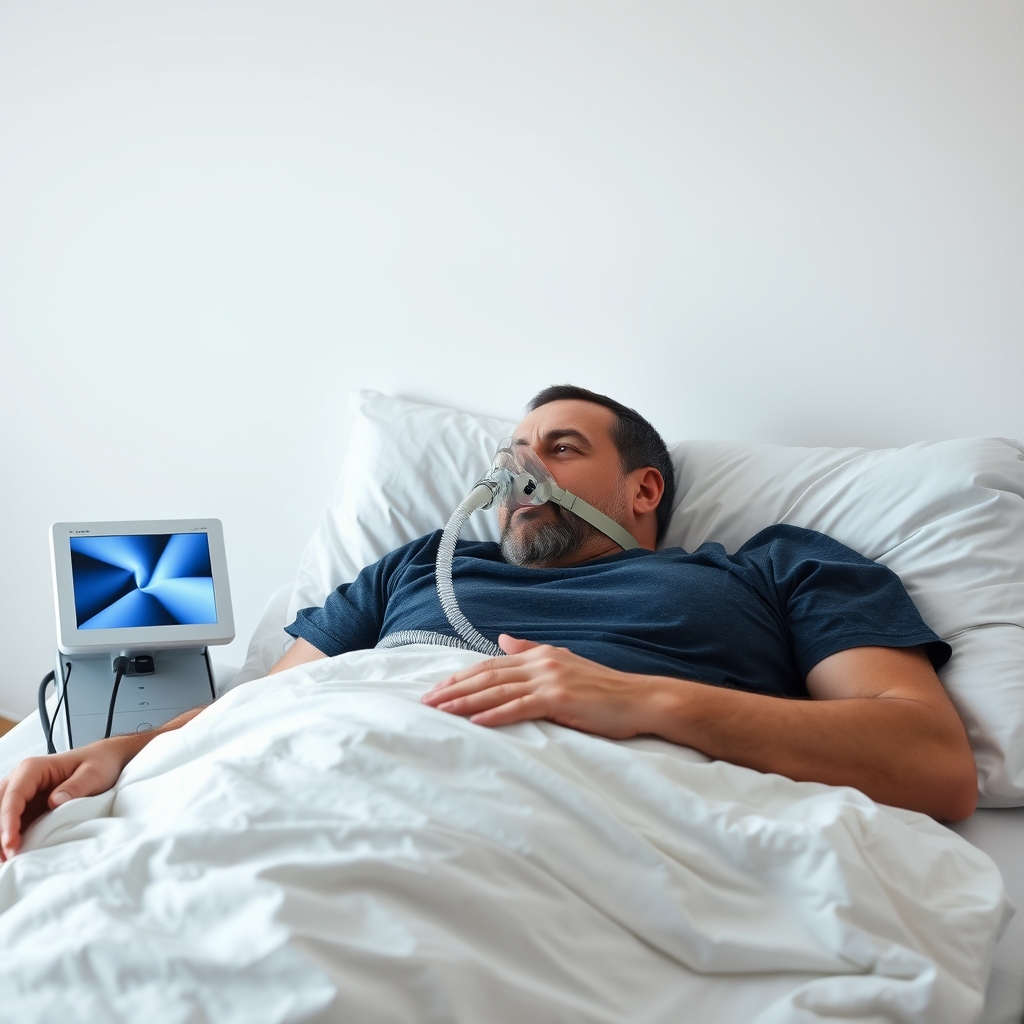
Obstructive sleep apnea involves repeated pauses or narrowing of breathing during sleep. It is common in men, and many people do not know they have it because the awakenings are brief. Bed partners often notice before you do.
Signs worth raising with a clinician
- Loud, regular snoring, or snorting and gasping sounds.
- Pauses in breathing that someone else has seen.
- Waking with a dry mouth, headache or pounding heart.
- Sleepiness during the day despite enough time in bed.
- Frequent waking to urinate (apnea is one recognized contributor).
Why supplements and apnea need caution
Sedating substances, including alcohol and some prescription sleep drugs, can relax airway muscles or blunt the urge to wake when breathing is disrupted. Milder supplements are generally viewed as lower risk, but "natural" is not the same as "tested in people with apnea." Ask your doctor before using one, particularly if apnea is suspected, untreated, or managed with CPAP.
Our comparison of sleep apnea versus insomnia covers how to tell them apart.
Nocturia and sleep: when you wake up to urinate
Nocturia means waking at night to pass urine. Once is common and often unremarkable. Two or more times a night, or a sudden change, is worth a conversation.
Causes vary widely: evening fluids, alcohol and caffeine, apnea, poorly controlled blood sugar, heart or kidney issues, certain medicines such as diuretics, and prostate or bladder conditions. A supplement does not address most of these.
Cheap things to try first
- Move most fluids earlier in the day and taper in the last two to three hours before bed.
- Cut or move caffeine and alcohol earlier. See how alcohol, caffeine and late meals cause night waking.
- Empty your bladder just before bed.
- If you take a diuretic, ask your prescriber whether timing can change. Do not alter it on your own.
- Log how many times you wake for two weeks and bring the log to your appointment.
One more point: a product that adds fluid, such as a liquid taken before bed, is small in volume but still part of your evening intake. It is unlikely to be the main driver, yet it is worth knowing.
Medication checks: what to bring to your pharmacist
Interactions are where "natural" products most often surprise people. Men commonly take medicines for blood pressure, cholesterol, blood sugar, mood, prostate or bladder symptoms, and pain. Any of them can interact with sleep ingredients or change how sleepy you feel.
| If you take | Why to check |
|---|---|
| Antidepressants (SSRIs, SNRIs, others) | Ingredients that affect serotonin, such as 5-HTP, can add to these effects. Ask before combining. |
| Sedatives, sleeping pills, opioids, anxiety medicines | Added drowsiness and breathing effects are possible. |
| Blood pressure medicines | Some calming ingredients may add to blood-pressure effects. Check with your prescriber. |
| Blood thinners | Interaction risk varies by ingredient. A pharmacist can review. |
| Diabetes medicines | Night-time blood sugar changes can wake you. Ask before adding supplements. |
| Prostate or bladder medicines, diuretics | These can shape nighttime urination and sleepiness. |
| Thyroid or other hormone treatment | Ask whether a hormone-related supplement is appropriate. |
Our page on sleep supplements and medications goes deeper on who should talk to a doctor first. Bring the actual bottles or a photo of each label, including over-the-counter products like antihistamine "PM" medicines, which can cause grogginess and, in older men, may worsen urinary retention.
See the details, current pricing and who it suits.
Check current optionsAffiliate link: we may earn a commission at no extra cost to you.How to read a sleep supplement label as a man with these concerns
Use the same short checklist for any product.
- Is the full ingredient list visible? You need names and amounts to check interactions.
- Is a hormone or sedating ingredient present? Melatonin, 5-HTP and GABA-type ingredients deserve a pharmacist's look if you take other medicines.
- Does it make claims about fixing a medical issue? Be wary of promises to "stop" waking or "restore" sleep.
- Are the terms for refunds and shipping spelled out?
- Does it say who should avoid it? If not, ask a professional.
For a broader screen, read what to look for in non-habit-forming sleep supplements and the Yu Sleep safety and practical questions page.
 Recommended for youTrouble Sleeping Through the Night: Causes and Signs
A worked example: what Yu Sleep's page says, and what it leaves out
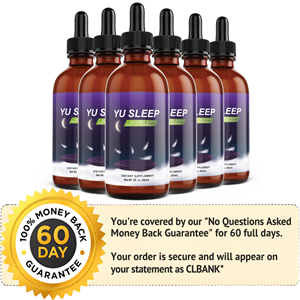
Yu Sleep is a liquid taken by dropper. The official page directs two droppers 30 minutes before bed and lists ten ingredients: red tart cherry extract, 5-HTP, vitamin B6, vitamin B2, magnesium glycinate, apigenin, lemon balm extract, L-theanine, melatonin and GABA. The only dose it gives is 0.9 mg of melatonin per serving.
For a man weighing safety, three things stand out:
- Amounts are mostly not shown. In the text we reviewed, there was no full supplement facts panel, so you cannot easily judge interactions. Our page on Yu Sleep ingredient amounts explores this.
- 5-HTP and melatonin are the ingredients to raise with a pharmacist if you take antidepressants, sedatives or other regular medicines.
- The page does not state who should avoid it in the text we saw. The "Is this right for me?" section was cut off, and we did not see a disclaimer, though one may sit in the footer. Check the full page.
The page also makes broad promises about sleep quality and cites "decades of research" credited to Dr. Collins, without naming studies or credentials in the text we reviewed. Treat those as marketing claims, not evidence. It also positions itself against grogginess from high-dose melatonin, though complaints about morning grogginess are a fair thing to research; see Yu Sleep morning grogginess complaints.
Price and guarantee: confirm before you buy
The page shows packages of two, three and six months, with the two-month package as the minimum. Prices shown were $138 for two months (plus shipping), $177 for three and $294 for six, all marked as discounted and "while supplies last." They may change, and shipping may apply, so check at checkout.
Each package is labeled with a 60-day guarantee, but the text we reviewed gave no terms. Read the full conditions before ordering, particularly whether opened bottles qualify. A minimum two-month commitment is a real consideration if you suspect a medication clash or are unsure how you will react. Our buying guide covers pricing and refunds.
Safer first steps that cost nothing
Before or alongside any product, behavior changes address the most common drivers of men waking up at night.
- Keep a consistent wake time, including weekends.
- Stop caffeine in the afternoon and keep alcohol well away from bedtime.
- Finish large meals a few hours before bed.
- Keep the room cool, dark and quiet.
- If you wake and cannot return to sleep, get up briefly and do something calm in low light.
For more, see sleep better without buying anything and how to stop waking up at 3am. If worry about sleep itself keeps you up, sleep anxiety is worth reading.
A decision checklist before you take anything
- Have you ruled out apnea symptoms, or asked for a sleep assessment?
- Do you wake to urinate more than once a night, and has a clinician looked at it?
- Has a pharmacist or doctor reviewed your medicines against the ingredient list?
- Can you see every ingredient and amount, or are you guessing?
- Do you understand price, shipping and refund terms in writing?
- Do you have a plan to stop and speak to a clinician if you feel worse?
If you answered no to several, pause. If you are comfortable and want to look closer at this product, our Yu Sleep overview sets out the points to weigh.
Next steps
Start with your own pattern: a two-week diary and a short list of medicines. Then read about why you wake up at 3am and the who Yu Sleep is for page if you are still considering it. Bring your findings to a clinician, who can check for apnea, urinary causes and interactions in a way no product page can.
Frequently asked questions
Can a sleep supplement fix waking up to urinate at night?
Not reliably. Nocturia has many causes, including fluid timing, sleep apnea, diabetes, and prostate or bladder conditions. A supplement may not touch any of them. If you get up more than once a night regularly, have a clinician look for the cause before adding anything.
Is it safe to take melatonin if I have sleep apnea?
Don't assume so. Apnea is a breathing problem, and sedating products can complicate it. Melatonin is generally considered milder than sedative drugs, but talk with your doctor first, especially if apnea is untreated or you use a CPAP machine.
Why do men wake up at night so often?
Common reasons include sleep apnea, needing to urinate, alcohol, late caffeine, stress, pain, and medication effects. Prostate changes become more common with age and can contribute to nighttime urination. A pattern diary helps a clinician sort these out.
Which medications should I check before taking a sleep supplement?
Bring your full list to a pharmacist or doctor, especially blood pressure drugs, blood thinners, antidepressants, sedatives, diabetes medication and anything affecting the prostate or bladder. Several sleep ingredients, such as 5-HTP, can interact with some of these.
Does Yu Sleep contain melatonin?
Yes. The official page lists melatonin at 0.9 mg per serving among its ten listed ingredients, which also include 5-HTP, magnesium glycinate, L-theanine and GABA. Confirm the current ingredient list on the official page and review it with a clinician if you take medication.
When should a man see a doctor about night waking?
See a clinician if you snore loudly, stop breathing or gasp in your sleep, are very sleepy by day, urinate several times nightly, or have been waking for weeks. Seek urgent care for chest pain, severe breathlessness or sudden urinary difficulty.
Keep reading
 Sleep Apnea vs Insomnia: Signs Your Night Waking May Have Another CauseSleep apnea vs insomnia: compare signs of sleep apnea at night, like gasping and snoring, with inso…
 Sleep Supplements and Medications: Who Should Talk to a Doctor FirstSleep supplement drug interactions explained: who should check with a doctor first, with notes on a…
 Alcohol, Caffeine and Late Meals: How They Cause Night WakingAlcohol and waking up at night, plus caffeine and late meals: how each can fragment sleep, why 3am…