- What YU Sleep contains, and what the page doesn't tell you
- Why sleep and blood sugar are linked
- Melatonin and diabetes: what research suggests
- Magnesium and diabetes medication
- Other listed ingredients worth raising
- Medication types and what to ask
- A step-by-step plan before you start
- Warning signs to act on
If you take diabetes medication, check with your doctor or pharmacist before using YU Sleep. It lists melatonin, magnesium glycinate and 5-HTP, which may affect blood sugar or interact with some drugs. The page gives no diabetes guidance, so general caution applies.
If you manage diabetes, a sleep supplement is not a casual purchase. This guide covers YU Sleep and diabetes: which listed ingredients deserve a second look, how blood sugar medication could be involved, and what to ask before you start.
We have not used this product, and we cannot tell you it is safe or unsafe for you. The official page text we reviewed offers no diabetes guidance, so this page relies on general, public knowledge and points you to a clinician for the decision.
Think of it as a preparation tool: a way to walk into a pharmacy or appointment with specific questions.
- The page we reviewed gives no guidance for people with diabetes or on glucose-lowering drugs.
- Melatonin, magnesium glycinate and 5-HTP are the ingredients most worth raising with a clinician.
- Only the melatonin dose (0.9 mg per serving) is stated; other amounts are not shown.
- Ask a pharmacist or doctor before starting, and log readings if you go ahead.
What YU Sleep contains, and what the page doesn't tell you
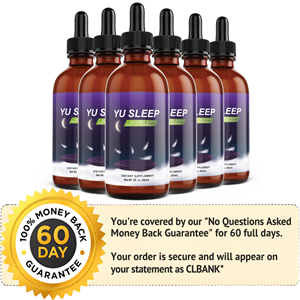
YU Sleep is a liquid taken by dropper. The page directs 2 droppers 30 minutes before bed. It lists ten ingredients, counting B6 and B2 separately: red tart cherry extract, 5-HTP, vitamin B6, vitamin B2, magnesium glycinate, apigenin, lemon balm extract, L-Theanine, melatonin and GABA.
The only dose given is 0.9 mg of melatonin per serving. We did not see a full supplement facts panel in the text we reviewed, so you cannot calculate your total magnesium or other intake from it. That gap matters for medication checks.
The page's "Is this right for me?" FAQ was cut off in our extract. We also did not see a disclaimer in the text we reviewed; check the full page footer. For a wider look at the formula, see what's inside YU Sleep.
Why sleep and blood sugar are linked
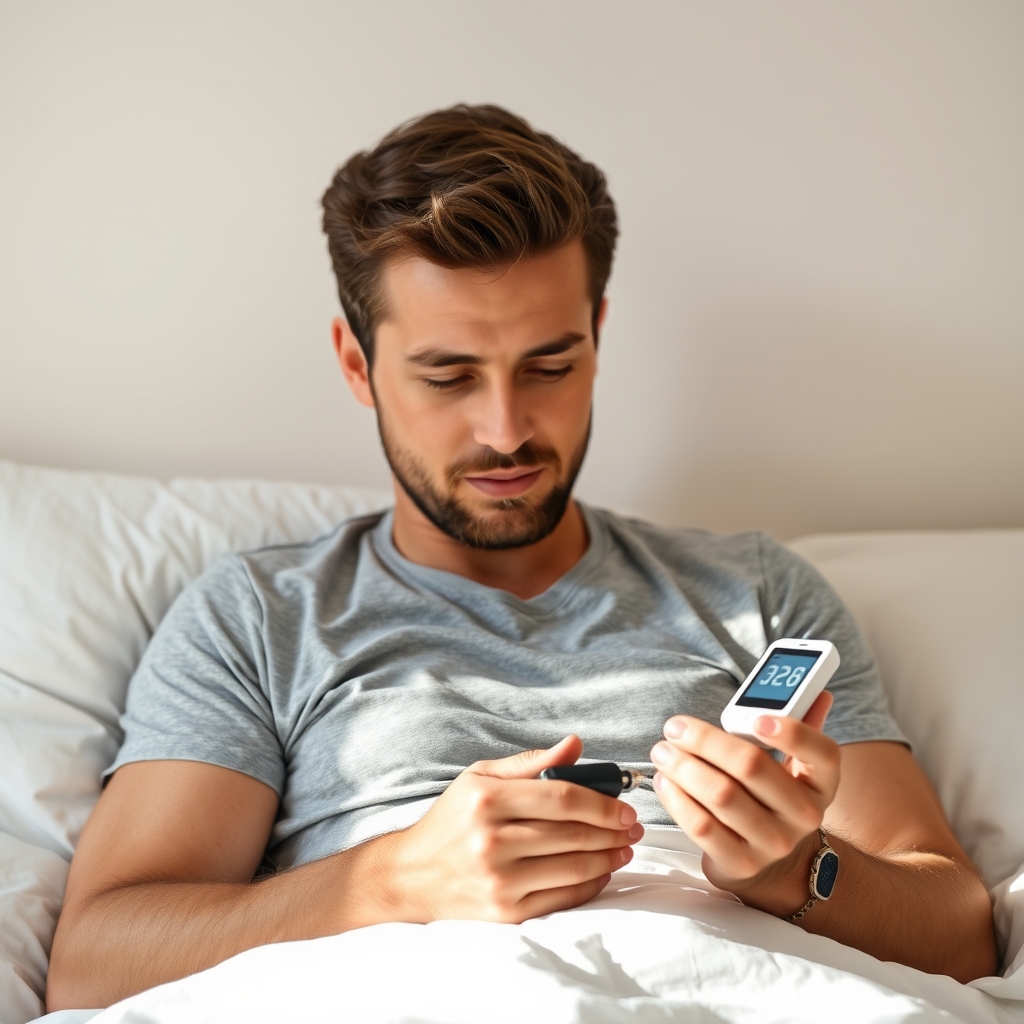
Poor sleep and glucose control influence each other. Short or broken sleep is associated in public research with higher insulin resistance, and high or low glucose can itself wake you at night.
This cuts two ways. A supplement might help you rest, but it might also mask a pattern worth investigating. If you regularly wake at 3 AM, ask whether overnight lows or highs are involved before assuming it is a sleep-only issue.
Melatonin and diabetes: what research suggests
Melatonin does more than signal bedtime. Receptors for it exist in tissues involved in insulin release, and studies have looked at its effects on glucose and insulin. Results are mixed and depend on dose, timing and the group studied.
Some research suggests melatonin taken close to a meal or late at night may influence glucose tolerance in certain people. That is a reason for attention, not a reason for alarm. Melatonin can also interact with some medicines, so a pharmacist should see your full list.
The page states 0.9 mg per serving, and it frames itself against "high-dose melatonin." Still, 0.9 mg is not zero. For background on repeated use, read our guide on long-term melatonin safety.
Magnesium and diabetes medication
Magnesium is often discussed in diabetes research because low levels are common in people with type 2 diabetes. That does not mean more is better for you. The form, total daily intake and your kidney function all matter.
Magnesium can bind with some medicines in the gut and change absorption, which is why timing is often advised. It can also build up when kidneys are not clearing it well, and kidney disease can accompany long-standing diabetes.
- Tell your pharmacist you would be adding magnesium glycinate.
- Count magnesium from other supplements, antacids and laxatives.
- Ask whether your kidney function allows it.
- Ask if any of your medicines should be spaced apart from it.
Our pages on magnesium medication interactions and timing and magnesium safety, upper limits and kidneys go deeper.
Other listed ingredients worth raising
5-HTP is a serotonin precursor. It can matter if you take antidepressants or other serotonergic drugs, and some people with diabetes also take those. Our guide to serotonin syndrome symptoms explains the warning signs.
Red tart cherry extract is a fruit-derived ingredient. We can't tell how much sugar, if any, the liquid contains, since the text we reviewed shows no facts panel. Ask the seller or check the label before you buy.
Lemon balm, apigenin, L-Theanine and GABA are plant or amino-acid ingredients. Evidence on their interaction with glucose medicines is limited, which is a reason to ask rather than assume they are harmless. Vitamins B6 and B2 are common, but nerve symptoms from diabetes make any B6 question worth mentioning.
See the details, current pricing and who it suits.
Check current optionsAffiliate link: we may earn a commission at no extra cost to you. Recommended for youYU Sleep Safety, Side Effects and Practical Questions
Medication types and what to ask
Different glucose-lowering drugs carry different risks. This table is a conversation starter, not medical advice.
| If you use | Why a supplement check matters | Question to ask |
|---|---|---|
| Insulin | Low blood sugar risk if anything shifts glucose or masks symptoms | Should I check readings more often at night? |
| Sulfonylureas | Can cause lows; additions may change how you feel | Could this raise my risk of overnight lows? |
| Metformin | Common drug with kidney considerations | Does my kidney function affect magnesium use? |
| Other oral or injectable drugs | Interactions vary by drug | Can the pharmacist run my full list? |
If your regimen is not listed, the same approach applies: bring every medicine and supplement you take.
A step-by-step plan before you start
- Write down every medicine, supplement and dose you take, including over-the-counter products.
- Copy the ten ingredients from the official page and note the 0.9 mg melatonin figure.
- Ask a pharmacist or doctor to review them against your diabetes medication and kidney status.
- Ask what glucose readings to watch for, and when to call.
- If cleared, change one thing at a time so you can tell what caused any change.
- Log bedtime, dose time, bedtime glucose and morning glucose for the first couple of weeks.
- Stop and call your care team if readings swing unexpectedly or you feel unwell.
Our checklist for talking to your doctor about sleep supplements can help you structure the visit.
Warning signs to act on
Some symptoms need prompt attention regardless of cause. Severe confusion, fainting, a seizure, or a glucose reading far outside your usual range calls for urgent medical help, not waiting to see if it passes.
- Repeated overnight lows or unexplained highs after starting.
- Rash, swelling or breathing trouble; see allergic reaction signs.
- Persistent nausea or stomach upset, which could affect eating and medication timing; see upset stomach causes and fixes.
- Next-morning grogginess that affects safe driving.
If your sleep trouble is persistent, review the red flags for seeing a doctor about sleep. Sleep apnea, for example, is common alongside diabetes and a supplement will not address it.
Other things to weigh before buying
The page sells a minimum 2-month package, with prices shown from $138 to $294 for the packages depending on length, and shipping may apply. Prices can change, so confirm on the official page. It advertises a 60-day guarantee but we saw no terms; read them in full. See buying YU Sleep for details.
That minimum commitment is a real downside if your doctor advises against it after you have paid. Consider asking your clinician before ordering, not after.
The page also makes claims, such as "decades of research" credited to Dr. Collins, without citing studies in the text we reviewed. Treat marketing statements as unverified. Our piece on third-party testing for sleep supplements explains why independent verification matters, and who YU Sleep is for offers more context. If you want a wider view first, see our recommendation page or compare sleep better without buying anything options.
Next steps
Start with your pharmacist or doctor, armed with the ingredient list. Then read the YU Sleep safety and practical questions pillar, and see YU Sleep and blood pressure medication if you manage more than one condition.
If you want non-supplement options in the meantime, try breathing exercises for sleep.
Frequently asked questions
Is YU Sleep safe for people with diabetes?
We can't say. The official page text we reviewed gives no guidance for people with diabetes or on blood sugar medication. Because it contains melatonin, magnesium glycinate and 5-HTP, ask your doctor or pharmacist before starting, and bring the full ingredient list.
Does melatonin affect blood sugar?
Research on melatonin and glucose is mixed and depends on dose, timing and the person. Some studies suggest it can influence insulin and glucose handling. If you have diabetes, monitor your readings and talk with your care team before adding it.
Can magnesium interact with diabetes medication?
It can in some cases. Magnesium may affect how certain drugs are absorbed, and people with kidney problems, which can accompany diabetes, need extra care. Ask a pharmacist about your specific medicines and about timing.
Should I check my blood sugar more often when starting a sleep supplement?
Ask your care team. Many clinicians suggest paying closer attention to readings when you add anything new, especially if you use insulin or sulfonylureas. Keep a simple log of doses, bedtime and morning readings to share.
What ingredients in YU Sleep should I show my doctor?
Show all ten listed: red tart cherry extract, 5-HTP, vitamins B6 and B2, magnesium glycinate, apigenin, lemon balm extract, L-Theanine, melatonin (0.9 mg per serving on the page) and GABA. Bring the label from the official page too.
Can I take YU Sleep if I wake at night with low blood sugar?
Talk to a clinician first. Night waking can sometimes relate to low blood sugar, and a sleep supplement could hide that clue. Don't treat repeated 3 AM waking as a sleep problem until your doctor has ruled out glucose swings.
Does the YU Sleep page say it is safe with diabetes medication?
Not in the text we reviewed. The page's FAQ on who it suits was cut off in what we have, so we can't confirm what it says. We did not see a disclaimer either; check the full page and footer.
Keep reading
 Magnesium and Medication Interactions: Antibiotics, Diuretics and TimingMagnesium is a common bedtime mineral, and magnesium supplement drug interactions are easy to overl…
 How to Talk to Your Doctor About Sleep Supplements: Checklist and QuestionsHow to talk to your doctor about sleep supplements: a visit checklist, questions to ask about any s…
 Magnesium Supplement Safety: Upper Limits, Kidney Health and Total Daily IntakeMagnesium supplement safety explained: the upper limit, kidney disease risks, how to add up your to…