- Why sleep and seizures are so closely linked
- What YU Sleep lists, and what the page doesn't tell you
- Melatonin and seizures: what research can and can't say
- GABA supplements and seizures
- Other listed ingredients worth asking about
- A checklist to bring to your doctor or pharmacist
- If you and your care team decide to try it
- Signs to stop and call someone
If you have epilepsy or any seizure disorder, talk to your prescriber before taking YU Sleep. It lists melatonin, GABA, 5-HTP, magnesium and other ingredients, and research on supplements and seizure medication is mixed or limited. Sleep and seizures also affect each other, so changes matter.
If you live with epilepsy or another seizure disorder, the question of melatonin and seizures is not one to settle with a quick search. YU Sleep is a liquid supplement whose listed ingredients include melatonin, GABA and 5-HTP. Whether any of those suit you depends on your diagnosis and your medicines, which only your care team knows.
This guide explains why sleep and seizures are tied together, what the YU Sleep page lists, where the evidence is thin, and how to prepare for the conversation with your prescriber. It is general information, not medical advice. We have not used the product, and we rely on the official page and public research only.
The short version: ask first, change one thing at a time, and do not treat a sleep supplement as a seizure treatment.
- Sleep loss is a known seizure trigger for many people, so sleep problems need medical attention.
- YU Sleep lists melatonin (0.9 mg per serving per the page), GABA, 5-HTP and several other ingredients.
- Evidence on supplements and seizure control is limited or mixed; interactions with anti-seizure drugs are possible.
- Bring the ingredient list to your prescriber or pharmacist before your first dose.
Why sleep and seizures are so closely linked
Sleep and seizures influence each other. For many people with epilepsy, too little or disrupted sleep makes seizures more likely. Some seizure types also happen mainly during sleep or on waking, and seizures at night can fragment sleep.
This creates a loop: poor sleep may raise seizure risk, and seizures may worsen sleep. It is also why a sleep aid is not a casual choice. Anything that changes how deeply or how long you sleep, or how alert you are, is worth discussing.
Some anti-seizure medicines are themselves sedating or can disturb sleep. Your insomnia may be partly a medication effect, which a doctor can sometimes adjust. A supplement would hide that clue rather than solve it.
What YU Sleep lists, and what the page doesn't tell you
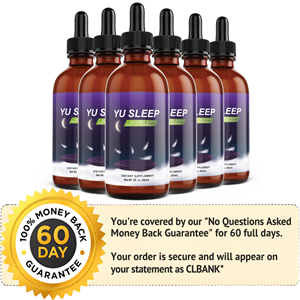
The official page describes a liquid taken by dropper: "2 droppers of Yu Sleep 30 minutes before bed." The ingredients it lists are:
- Red tart cherry extract
- 5-HTP
- Vitamin B6 and vitamin B2
- Magnesium glycinate
- Apigenin
- Lemon balm extract
- L-theanine
- Melatonin (the page states 0.9 mg per serving)
- GABA
The melatonin figure is the only dose the page gives. The text we reviewed showed no full supplement facts panel. That matters here, because a prescriber or pharmacist will want amounts. The page also does not, in what we saw, say who should avoid the product, and we did not see a medical disclaimer in the text we reviewed. Check the full page footer.
The page cites no studies for its safety or effectiveness, and it says nothing we can use about seizure disorders. Silence is not reassurance.
Melatonin and seizures: what research can and can't say
Studies of melatonin in people with epilepsy are generally small and have produced mixed results. Some report improved sleep; findings on seizure frequency are inconsistent. None of this establishes that a given product is safe for you.
Practical points to raise with your clinician:
- Individual response varies. Dose, timing and the specific product can matter.
- Drug interactions. Melatonin may interact with some medicines, including certain ones that affect liver enzymes. Ask whether yours are among them.
- Quality varies. Melatonin content in supplements has been found to differ from labels in some independent testing. See our guide to third-party testing for sleep supplements.
- Low dose is not no dose. Our page on what a 0.9 mg melatonin dose does covers the general picture, but it does not replace medical review for seizure disorders.
GABA supplements and seizures
People searching for a GABA supplement for seizures often reason that GABA is the brain's main calming chemical, so more of it must help. It is not that simple. Many anti-seizure drugs act on GABA pathways, but that does not mean swallowing GABA has the same effect. It is uncertain how much oral GABA crosses into the brain.
The YU Sleep page lists GABA, and its claims about GABA and deep sleep are the page's own, not established findings. If you take medicines that act on GABA signaling, such as some benzodiazepines or barbiturates, stacking another calming ingredient is a question for your prescriber, not a guess.
Other listed ingredients worth asking about
Several other ingredients deserve a line on your question list.
- 5-HTP is a serotonin precursor. If you take antidepressants or other serotonergic drugs, read about serotonin syndrome symptoms and causes and ask your prescriber.
- Magnesium glycinate can interact with some medicines and matters for people with kidney problems. See magnesium and medication interactions and magnesium supplement safety.
- Lemon balm, apigenin and L-theanine are plant-derived or calming ingredients. Their combined effect with anti-seizure drugs is not something the page addresses, so ask about additive drowsiness.
- Vitamins B6 and B2 are common, but your doctor may want to know about any added B vitamins, since some anti-seizure drugs affect vitamin status.
For a plain-language breakdown of the formula, see what's inside YU Sleep.
See the details, current pricing and who it suits.
Check current optionsAffiliate link: we may earn a commission at no extra cost to you. Recommended for youYU Sleep Safety, Side Effects and Practical Questions
A checklist to bring to your doctor or pharmacist
Preparing makes a short appointment more useful. Our checklist for talking to your doctor about sleep supplements goes further, but start here:
- Print or photograph the ingredient list from the official page, including the 0.9 mg melatonin figure.
- List every medicine you take, with doses, including anti-seizure drugs, rescue medicine and over-the-counter products.
- Note your seizure types, how often they occur, and any known triggers.
- Describe your sleep problem: trouble falling asleep, night waking, early waking, daytime sleepiness.
- Ask: "Does any ingredient interact with my medicines or affect seizure threshold?"
- Ask: "If we try it, how should I start, what should I track, and who do I call if something changes?"
- Ask: "Is there a better first step for my sleep, medical or behavioral?"
If you and your care team decide to try it
This is only a general framework; your clinician's advice overrides it.
| Step | Why it helps |
|---|---|
| Start a seizure and sleep diary first | Gives a baseline so you can spot changes. |
| Change one thing at a time | If seizures or side effects shift, you know the likely cause. |
| Tell a family member or support person | They can help notice nighttime changes and know your plan. |
| Keep the bottle and label | Useful for pharmacists and emergency staff. |
| Set a review date | Lets your prescriber reassess rather than continuing by default. |
Also think about practical overlap: next-morning drowsiness matters if you drive, and many people with epilepsy have driving rules. See driving and sleep supplements.
Signs to stop and call someone
Stop the product and contact your prescriber promptly if you notice more frequent or different seizures, new confusion, unusual drowsiness, a rash or swelling, or symptoms such as agitation, fever and tremor. Follow your written seizure action plan, and use emergency services for anything it defines as an emergency, such as a prolonged seizure.
Allergic reactions need separate attention; see sleep supplement allergic reaction warning signs. If you ever take more than directed, read taking too much YU Sleep and call poison control or emergency services as appropriate.
Sleep help that doesn't involve a supplement
Because sleep loss itself can matter for seizures, steady habits are worth building alongside medical care: consistent sleep and wake times, a cool dark room, limited late caffeine, and a wind-down routine. Our guides cover sleeping better without buying anything, a gradual sleep schedule reset and the caffeine cutoff.
If sleep trouble is persistent, review the red flags for seeing a doctor about sleep problems. A sleep study or medication review may address the cause rather than the symptom.
Next steps
Start with your prescriber or pharmacist, using the checklist above. For broader safety context, visit the YU Sleep safety and questions guide, and compare how the claims hold up in our marketing claims fact-check.
If your doctor is comfortable with the ingredients, you can then weigh fit and price using our YU Sleep recommendation page. Prices, guarantee terms and availability can change, so confirm everything on the official page, including the 60-day guarantee terms, before you buy.
Frequently asked questions
Is it safe to take melatonin if you have epilepsy?
There is no single answer. Research on melatonin and seizures is mixed and mostly small, and individual response varies. Melatonin can also interact with some medicines. Because sleep changes can affect seizure control, ask your neurologist or pharmacist before starting any melatonin product, including YU Sleep.
Does YU Sleep contain melatonin?
Yes. The official page lists melatonin at 0.9 mg per serving among its ingredients. Other listed ingredients include GABA, 5-HTP, L-theanine, magnesium glycinate, apigenin, lemon balm, tart cherry, B6 and B2. Confirm the current label on the official page.
Can sleep supplements interact with seizure medication?
They can, in principle. Some supplements may affect how drugs are absorbed, broken down or how sedating they are. Evidence varies by ingredient and medication. Give your prescriber or pharmacist the full ingredient list and ask specifically about your anti-seizure drugs before you start.
Should I take a GABA supplement for seizures?
Do not use GABA supplements to manage seizures. GABA is a brain chemical, but it is unclear how much oral GABA reaches the brain, and supplements are not a substitute for prescribed treatment. Ask your doctor before taking any product containing GABA.
Can poor sleep trigger seizures?
For many people with epilepsy, sleep loss is a recognized seizure trigger. That is why sleep problems deserve medical attention rather than self-treatment. Tell your care team about insomnia, and discuss any changes to your sleep routine or supplements.
What should I ask my doctor before trying YU Sleep?
Bring the full ingredient list and your medication list. Ask whether any ingredient conflicts with your anti-seizure drugs, whether melatonin suits you, how to watch for changes, and whom to call if seizures change. Also ask about safer sleep options.
What should I do if seizures change after starting a supplement?
Stop the product and contact your prescriber promptly. Follow your seizure action plan, and seek emergency help for a prolonged seizure or whatever your plan defines as an emergency. Keep the product label to show your care team.
Keep reading
 How to Talk to Your Doctor About Sleep Supplements: Checklist and QuestionsHow to talk to your doctor about sleep supplements: a visit checklist, questions to ask about any s…
 Magnesium and Medication Interactions: Antibiotics, Diuretics and TimingMagnesium is a common bedtime mineral, and magnesium supplement drug interactions are easy to overl…
 Serotonin Syndrome: Symptoms, Causes and When to Get Emergency HelpSerotonin syndrome symptoms, causes, supplement and 5-HTP risks, and when to get emergency help. A…