- What melatonin actually does
- What "physiological dose" means
- Is 0.9 mg enough? What to realistically expect
- Melatonin 0.9 mg for trouble sleeping through the night
- Timing: when to take a low dose
- Side effects and who should be careful
- Single-ingredient vs multi-ingredient products
- How to read a melatonin label
Melatonin 0.9 mg is a low dose, well below many store products. It acts mainly as a body-clock timing signal, not a sedative, so it may help some people fall asleep or shift their schedule. Evidence for staying asleep through the night is weaker.
Melatonin 0.9 mg sits at the low end of what you will find on a shelf. Many products sell 3, 5 or 10 mg, so a dose under 1 mg raises a fair question: can it do anything? This guide explains what a low dose is likely to do, what it probably won't, and how to decide.
We cover timing, the difference between falling asleep and staying asleep, side effects, and how to read a label. We write from public research and the official Yu Sleep page, and we have not used the product.
This is general information, not medical advice. If sleep trouble is persistent, a clinician is the right next stop.
- Melatonin is a timing signal for your body clock, not a knockout sedative.
- Lower doses are a reasonable starting point; more is not reliably better.
- Evidence is stronger for sleep onset and schedule shifts than for night waking.
- Check other causes of waking (alcohol, caffeine, stress, apnea) first or alongside.
What melatonin actually does
Your brain releases melatonin as evening darkness arrives. It signals "biological night" and helps set the timing of sleep. It does not build sleep pressure the way hours of being awake do.
That is why melatonin often works better as a clock-setting tool than as a sleeping pill. A supplement adds a timing cue, and its usefulness depends on whether your clock is the problem.
What "physiological dose" means
A physiological dose is one small enough to produce blood levels in the range your body makes at night. Doses under about 1 mg are often described this way, though there is no single official cutoff. People absorb and clear melatonin at different speeds, so the same pill can produce different levels in different people.
Higher doses can push levels well above natural ones and linger into the morning for some people. That is one reason lower doses are often discussed as a first step.
Is 0.9 mg enough? What to realistically expect
For some people, a low dose is enough to nudge sleep onset earlier or ease a shifted schedule. Others notice nothing. Effects in research tend to be modest, and results vary widely.
- More likely to help: a late body clock, jet lag, shift-work transitions, difficulty falling asleep at a consistent time.
- Less certain: general insomnia, stress-driven wakefulness, waking at 3 AM.
- Unlikely to help alone: sleep disrupted by apnea, pain, alcohol, late caffeine or an irregular schedule.
Melatonin 0.9 mg for trouble sleeping through the night
This is where expectations need care. Research supports melatonin more for sleep timing and falling asleep than for preventing wake-ups. Immediate-release melatonin also clears the body within hours, so it may be gone by the time a 3 AM waking happens.
Night waking has many causes. Our guide to trouble sleeping through the night walks through the common ones, and alcohol, caffeine and late meals are worth ruling out early.
Timing: when to take a low dose
Timing matters as much as amount. Labels commonly suggest taking melatonin shortly before bed. Research on shifting a late body clock often uses earlier timing, several hours before the desired sleep time.
- Pick a consistent target bedtime and wake time.
- Follow the label's timing to start, or your clinician's advice if you have a schedule problem.
- Dim lights and screens in the hour before bed, since bright light works against melatonin.
- Change one thing at a time, and give it one to two weeks before judging.
- Stop and reassess if you feel groggy the next day.
See the details, current pricing and who it suits.
Check current optionsAffiliate link: we may earn a commission at no extra cost to you.Side effects and who should be careful
Reported effects include daytime sleepiness, headache, dizziness, nausea and vivid dreams. Lower doses may reduce the chance, but they do not remove it. Details are in our page on melatonin side effects at low doses.
Check with a clinician first if you are pregnant or breastfeeding, are giving it to a child, have an autoimmune or seizure condition, or take blood thinners, diabetes medication, sedatives or immune-suppressing drugs. See who should talk to a doctor first.
 Recommended for youWhat's Inside YU Sleep: Ingredients and How It Works
Single-ingredient vs multi-ingredient products
Some products contain only melatonin. Others blend it with other ingredients. A blend makes it harder to know what is responsible for any effect, or for any side effect.
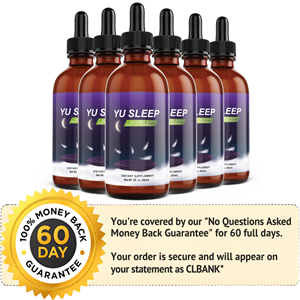
Yu Sleep is one multi-ingredient example. Its official page states 0.9 mg of melatonin per serving and lists Red Tart Cherry Extract, 5-HTP, Vitamin B6, Vitamin B2, Magnesium Glycinate, Apigenin, Lemon Balm Extract, L-Theanine and GABA. The page gives no amounts for those other ingredients, so you cannot judge their dose. We explore this in Yu Sleep ingredient amounts, and the ingredient overview covers the rest.
The page describes a liquid taken as 2 droppers 30 minutes before bed, and positions itself against high-dose melatonin that can leave people groggy. It cites no studies in the text we reviewed, and we did not see a disclaimer in that text; check the full page footer. If you want a plain comparison, see Yu Sleep vs Natrol Melatonin.
How to read a melatonin label
| Check | Why it matters |
|---|---|
| Amount per serving | Confirm the dose is per serving, and how big a serving is. |
| Other ingredients, with amounts | Hidden or undisclosed amounts make comparisons impossible. |
| Release type | Immediate and extended release behave differently. |
| Testing | Independent testing helps verify contents. |
| Directions and warnings | Timing and cautions should be stated clearly. |
Our guide to reading a sleep supplement label goes deeper on doses, blends and red flags.
Using it long term
Many people wonder whether nightly use causes dependence. Evidence on long-term use is less complete than for short-term use, and myths run in both directions. Read our long-term melatonin safety page before settling into a routine, and revisit whether it is still helping every few weeks.
If you are considering a product with a minimum package size, as the Yu Sleep page describes (2-month minimum), weigh that commitment. The page advertises a 60-day guarantee; read the full terms on the official page before buying, and confirm current prices there. See buying Yu Sleep for more.
Free steps to try alongside or before a supplement
- Keep wake time consistent, including weekends.
- Get bright light soon after waking.
- Stop caffeine early in the day, and limit alcohol near bedtime.
- Try a short brain dump before bed if thoughts race.
- Keep the room cool, dark and quiet.
Our page on sleeping better without buying anything expands on these. If you still want to explore a product, see whether YU Sleep is right for you, and compare options in sleep aid types compared.
Next steps
Start with your goal: falling asleep, shifting a schedule, or staying asleep. Match timing and dose to it, change one thing at a time, and see a clinician if problems last or you suspect apnea or another condition.
For more, read the Yu Sleep ingredients pillar, the legitimacy verdict, and safety and practical questions.
Frequently asked questions
Is 0.9 mg of melatonin enough to help me sleep?
For some people, yes. Low doses act mostly as a timing signal for the body clock, so they may help with falling asleep or shifting a schedule. Responses vary, and a low dose is less likely to act as a sedative. If nothing changes after a couple of weeks, talk with a clinician.
Does low dose melatonin help you stay asleep through the night?
The evidence is weaker here. Melatonin research is stronger for sleep timing and falling asleep than for night waking. Many night wakings come from alcohol, caffeine, stress, pain, apnea or other causes that melatonin does not address, so check those too.
What does physiological dose melatonin mean?
It usually means a dose small enough to raise blood levels close to what the body makes naturally at night. There is no single official cutoff, and people absorb and clear melatonin at different rates, so the term is a rough guide rather than a precise measure.
When should I take melatonin 0.9 mg?
Timing depends on your goal. For general sleep onset, products commonly suggest taking it shortly before bed. For shifting a late body clock, research often uses earlier timing, hours before sleep. Follow your product label and ask a clinician if you have a specific schedule problem.
Does Yu Sleep contain 0.9 mg of melatonin?
The official page states 0.9 mg of melatonin per serving. It lists nine other ingredients without giving their amounts, and its directions are 2 droppers 30 minutes before bed. Confirm current details on the official page before buying.
Can melatonin 0.9 mg cause side effects?
Possible effects include daytime drowsiness, headache, dizziness, nausea or vivid dreams. Lower doses tend to reduce the chance but do not remove it. People who are pregnant, take medications or have health conditions should check with a clinician first.
Is a higher melatonin dose better?
Not necessarily. Higher doses do not reliably work better for most people and may raise the chance of grogginess. A lower dose taken at a sensible time is a reasonable starting point to discuss with a clinician.
Keep reading
 Melatonin Side Effects at Low Doses: Dreams, Grogginess and Who Should Be CarefulMelatonin 0.9 mg side effects explained: vivid dreams, next-day grogginess, who should be careful,…
 Is Long-Term Melatonin Use Safe? Tolerance, Dependence and MythsIs long term melatonin use safe? Learn what research says about tolerance, dependence and nightly u…
 How to Read a Sleep Supplement Label: Doses, Blends and Red FlagsLearn how to read a sleep supplement label: check doses, spot proprietary blend red flags, and use…