Yes, naps can affect night sleep, mostly when they are long, late in the day, or taken while you struggle with insomnia. A short nap early in the afternoon is the lowest-risk option for most healthy adults. Test it against a sleep diary for one to two weeks.
Do naps affect night sleep? Sometimes, yes. A nap is real sleep, so it uses up some of the sleep drive that builds while you are awake. Whether that matters depends on how long you nap, when you nap, and how your nights are going.
This guide explains the mechanism in plain terms, then gives you a method to decide for yourself. It covers the best nap length, when to nap, and napping with insomnia. It is general information, not medical advice.
The aim is not to ban naps. It is to help you keep the benefits while protecting your night.
- Short (roughly 10 to 30 minutes), early-afternoon naps are the lowest-risk choice for most healthy adults.
- Long or late naps are the most likely to push back your bedtime.
- If you have insomnia, naps often work against you; consider limiting them.
- A simple sleep diary shows whether your naps help or hurt.
How naps affect night sleep
Two body systems shape when you sleep. One is your body clock, which signals alertness and sleepiness across the day. The other is sleep pressure, a drive to sleep that builds the longer you are awake and eases once you sleep.
A nap releases some of that pressure. Take a long one at 5 pm and you may reach bedtime less sleepy than usual, so falling asleep takes longer. Take a brief one at 1 pm and most of the pressure returns by night.
That is why the answer is "it depends" rather than yes or no. The factors that matter most are:
- Length: longer naps remove more sleep pressure.
- Timing: later naps leave less time to rebuild it.
- Your nights: if you already sleep poorly, a nap can add to the problem.
- Your age and habits: needs and tolerance vary between people.
Best nap length: short, medium or long
Most general guidance favors short naps for people who want to protect night sleep. Shorter naps are less likely to leave you groggy, and they take less sleep pressure with them. Treat the ranges below as starting points, not rules.
| Nap length | What to expect | Downside |
|---|---|---|
| About 10 to 20 minutes | A light rest that often brings a modest alertness lift | You may not fall asleep at all, which is still restful |
| About 30 minutes | A fuller nap; a common upper limit for a "safe" nap | Some people feel groggy on waking |
| 60 minutes or more | More sleep, possibly deeper sleep | Higher chance of grogginess and a delayed bedtime |
Grogginess after waking is called sleep inertia. It is more likely if you wake from deeper sleep, which is one reason a short nap with an alarm tends to feel better than an open-ended one.
When to nap: the best time of day
Early to mid afternoon is the usual recommendation. Many people feel a natural dip in alertness after lunch, so a nap then works with your body rather than against it. It also leaves many hours for sleep pressure to rebuild before bed.
As a rough rule, the closer a nap is to bedtime, the more likely it is to interfere. A nap in the early evening is the riskiest, particularly if it is long.
If you wake early or work late shifts, your clock differs from the textbook one. Count hours from your own wake time instead. A nap taken about six to eight hours after waking is a reasonable place to start testing, though you should adjust it based on how you actually sleep.
Caffeine also plays a part. If you rely on afternoon coffee to avoid napping, or nap and then drink coffee, that can cut into your night too. Our guide to the caffeine cutoff time covers this in more detail.
How to nap without ruining your night: a step-by-step routine
- Pick a window. Choose a consistent time in the early afternoon, well before the evening.
- Cap the length. Aim for 10 to 30 minutes and set an alarm.
- Make it restful, not perfect. Lie down somewhere dim and reasonably quiet. An eye mask or a dark room helps.
- Wake with light and movement. Open the curtains, wash your face, or walk for a few minutes to clear grogginess.
- Skip it on rough nights? Not always. But if you are testing, keep the routine steady for a week or two before judging it.
- Check your night. Note how long it took to fall asleep and how often you woke.
Simple changes to your room can make a short nap easier. See how to make your bedroom dark and quiet without spending money and the broader bedroom setup guide.
See the details, current pricing and who it suits.
Check current optionsAffiliate link: we may earn a commission at no extra cost to you.Napping with insomnia
If you have trouble falling or staying asleep at night, napping is a more delicate question. A daytime nap lowers the sleep pressure you are counting on at bedtime, and that can keep the cycle of poor nights going.
Because of this, structured insomnia approaches such as CBT-I often advise limiting or removing naps, at least for a while. Our overview of CBT-I basics at home explains the logic, and sleep restriction therapy shows how it works in practice.
There is a downside to cutting naps, too. If you are very tired, going without can feel miserable, and it may not be safe if you drive or operate machinery. Be realistic.
A cautious approach
- Try getting through the afternoon with light, a walk, or a change of task rather than a nap.
- If you must nap, keep it brief, early, and at the same time daily.
- Never drive drowsy. Pull over safely if you feel sleepy at the wheel.
- Talk with a doctor or sleep specialist if insomnia lasts for weeks or affects daily life.
If you lie awake at night, the guidance on how long to lie awake before getting up may help, as may stimulus control therapy.
 Recommended for youCBT-I Basics: How Cognitive Behavioral Therapy for Insomnia Works at Home
Test your own naps with a sleep diary
General advice only goes so far. The best evidence about your naps is your own record. A free sleep diary makes this easy.
For one to two weeks, record these each day:
- Whether you napped, when, and for how long.
- What time you went to bed and how long it took to fall asleep.
- How many times you woke, and how rested you felt in the morning.
Then compare nap days with no-nap days. If your nights look the same, your nap is probably fine. If you fall asleep much later or wake more after nap days, shorten it, move it earlier, or drop it.
Signs your naps are a problem
A nap is not the issue by itself. It becomes one when it comes with patterns like these:
- You regularly cannot fall asleep until well after your usual bedtime on nap days.
- You need long naps most days just to function.
- You wake from naps confused, heavy, or unrefreshed.
- You sleep far more than before without a clear reason.
- You have loud snoring, gasping, or witnessed pauses in breathing.
Strong daytime sleepiness can have medical causes, including sleep disorders and some medicines. If it persists, see a qualified professional rather than managing it with naps alone. Our page on trouble sleeping through the night lists common causes and warning signs.
Other habits that make naps easier to manage
Naps work best when your nights are reasonably steady. A few supporting habits help:
- Keep a fixed wake time. A regular morning anchors your body clock. If yours has drifted, see how to fix your sleep schedule.
- Get morning light. It helps your clock, and may reduce the urge to nap. Read about morning sunlight and your body clock.
- Move during the day. See exercise and sleep for timing.
- Watch heavy lunches. Big meals can deepen the afternoon slump. Our guide to foods and drinks around bedtime has more on eating for sleep.
Free changes like these are usually worth trying before anything you buy, as we explain in sleep better without buying anything.
What about sleep supplements and naps?
Some readers wonder whether a sleep product could fix nap-related trouble. Be cautious. If naps are delaying your night, the cause is usually timing and habit, and no product replaces fixing that.
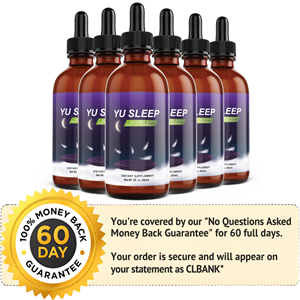
If you are still curious, products like Yu Sleep are taken before bed, not for naps. The official page directs 2 droppers 30 minutes before bed, and lists ingredients including melatonin at 0.9 mg per serving. We have not used it, and the page's claims are the seller's own. Check with a doctor or pharmacist first, especially if you take medicine or are pregnant. Our fit page for YU SLEEP lays out who it may suit, and safety and practical questions covers cautions.
Next steps
Start simple: choose a short, early nap, keep it consistent, and track your nights for two weeks. If you have insomnia, begin with CBT-I basics and consider a conversation with a clinician.
For wider options, see the free sleep strategies pillar, learn breathing exercises for sleep, or read about YU SLEEP for people with insomnia before spending money.
Frequently asked questions
Do naps affect night sleep?
They can. A nap reduces the built-up sleep drive you carry into the evening, so long or late naps may make it harder to fall asleep. Short, early naps often cause little disruption, but people differ, so compare your nights with and without naps.
What is the best nap length?
For most people, roughly 10 to 30 minutes is a sensible range. Short naps are less likely to leave you groggy or cut into night sleep. If you try longer naps, watch for grogginess and for later bedtimes, and adjust.
What time of day is best to nap?
Early to mid afternoon, often soon after lunch, is usually the safest window because it leaves many hours before bed. The later you nap, the more likely it is to delay sleep. Your own sleep diary is the best guide.
Should I nap if I have insomnia?
Often it is better to avoid or limit naps, because they reduce the sleep drive you need at night. Some insomnia programs advise cutting naps entirely. If you are exhausted or it is unsafe to stay awake, talk with a clinician about a plan.
Why do I feel worse after a nap?
Waking from deeper sleep can cause sleep inertia, a groggy, slowed feeling that may last minutes or longer. Shorter naps, an alarm, and some light or movement afterward can help. Frequent heavy grogginess is worth mentioning to a doctor.
Can napping make up for lost night sleep?
Partly, for a day. A nap can take the edge off tiredness, but it does not fully replace consistent night sleep. Relying on naps every day can also hide a night-sleep problem that deserves attention.
Is it bad to nap every day?
Not necessarily. A regular, short nap at a consistent time suits many people. It becomes a concern if it pushes your bedtime later, if you need long naps to function, or if you sleep far more than usual.
Keep reading
 Sleep Restriction Therapy: How to Try It Safely at HomeSleep restriction therapy how to: set a time-in-bed window, track your sleep, adjust weekly and kno…
 Stimulus Control Therapy: Rules to Retrain Your Brain to Link Bed With SleepStimulus control therapy uses a few simple rules to retrain your brain to link bed with sleep. Lear…
 Sleep Diary Template: How to Track Your Sleep for FreeA sleep diary template is the cheapest sleep tool there is: a simple log you fill in each day, on p…