Yes, vitamin B6 may cause vivid dreams in some people. A small, often-cited study found higher doses before bed increased dream vividness, though evidence is limited. If it happens to you, taking B6 earlier in the day or lowering the dose are reasonable first steps.
Yes, vitamin B6 can cause vivid dreams in some people. The best-known evidence is a small study in which B6 taken around bedtime increased how vividly participants recalled their dreams. If you are asking about vitamin B6 and vivid dreams because yours changed after starting a supplement, timing and dose are the first things to look at.
The research is thin, though. It does not show that everyone is affected, and it does not prove how B6 does it. Here is what is known, what is guesswork, and how to test it yourself.
- B6 before bed is the timing most linked to vivid dreams, but the evidence is small and limited.
- Moving your dose to the morning is a low-effort first test.
- High long-term B6 doses carry a separate risk of nerve problems.
- Multi-ingredient sleep products make it hard to pinpoint the cause.
What the research actually says about B6 and dreams
A small, widely cited study gave volunteers B6 before sleep and found they reported more vivid dreams and better dream recall than with a placebo. It did not find that dreams became more bizarre or more emotional in a consistent way.
The sample was small and the doses were higher than most people take from a standard multivitamin. Treat it as a hint, not a rule.
Why would B6 affect dreams?
B6 helps the body make several brain chemicals, including serotonin. One idea is that this changes how well you remember dreams or how much you wake during REM sleep. This is a hypothesis, not a settled explanation.
Dream recall often depends on waking up during or just after REM. Anything that makes you stir slightly more may raise recall without changing the dreams themselves.
Vitamin B6 at night vs. in the morning
| Timing | What to expect | Worth trying if |
|---|---|---|
| Right before bed | The timing most associated with vivid dream reports | You want to confirm B6 is the cause |
| With breakfast | Less overlap with sleep, so dream effects may ease | You need B6 but want calmer nights |
| Lower dose | May reduce effects, though no firm evidence | Your product has a high B6 amount |
How to test whether B6 is the cause
- List every supplement and multivitamin you take, and note the B6 amount on each label.
- Keep a short note each morning on dream vividness and sleep quality for a week.
- Move B6-containing products to breakfast for one to two weeks.
- If dreams settle, B6 timing was a likely factor. If not, look at other causes.
- Change one thing at a time so the result is readable.
Our guide to reading a sleep supplement label helps with step one.
See the details, current pricing and who it suits.
Check current optionsAffiliate link: we may earn a commission at no extra cost to you.Other causes of vivid dreams to rule out
B6 is rarely the only suspect. Consider these as well:
- Melatonin: often linked in reports to vivid dreams; see melatonin side effects at low doses.
- 5-HTP and other serotonin-related ingredients, which are also discussed in dream reports.
- Alcohol or late meals, which fragment sleep.
- Stress, irregular schedules or sleep debt, which can raise REM and recall.
- Some medicines, including certain antidepressants.
 Recommended for youMagnesium Glycinate for Sleep: Research, Typical Amounts and Side Effects
Sleep formulas that contain B6
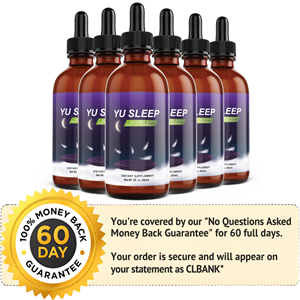
Many blends include B6 alongside other ingredients. Yu Sleep, for example, lists vitamin B6, 5-HTP and melatonin (0.9 mg per serving on the page), among others. The page gives no B6 amount, so you cannot compare it with studied doses. Read how YU Sleep discloses ingredient amounts and the full ingredient breakdown.
With several ingredients at once, a change in dreams cannot be traced to one of them. If you want to know what is responsible, starting one product at a time is the cleaner approach. If you are weighing this product, our recommendation page explains who it may suit. Prices and terms change, so confirm them on the official page.
Safety: too much B6 is a real concern
Vivid dreams are an annoyance. The bigger B6 issue is that long-term high supplemental intake has been linked to nerve damage, with tingling or numbness as warning signs. Stacking a multivitamin, an energy drink and a sleep blend can add up faster than expected.
If dreams are disturbing, not just vivid
Frequent nightmares, waking in distress or daytime exhaustion deserve attention beyond supplement tweaking. Mention them to a clinician, especially if they began alongside a new medicine. Night waking may also have other causes, covered in trouble sleeping through the night.
Habits help regardless of the cause. Sleep better without buying anything and CBT-I basics are good places to start.
Next steps
Move B6 to the morning, change one variable at a time and keep a short dream note. Then compare options in safest non-habit-forming sleep supplements or see YU Sleep vs alternatives.
Frequently asked questions
Can vitamin B6 cause vivid dreams?
It can in some people. A small, frequently cited study found that B6 taken before bed increased how vividly people recalled dreams. The evidence is limited and not everyone is affected, so treat it as a plausible side effect rather than a certainty.
Is it better to take vitamin B6 in the morning or at night?
If you notice vivid dreams, morning or midday is a sensible first change. Vitamin B6 at night is the timing most linked to dream reports. Check the product label and ask a pharmacist or doctor if you take other medicines.
How long do B6 vivid dreams last?
There is no reliable research on duration. Many people report that dream changes fade when they stop or move the dose earlier, but experiences vary. If dreams are distressing or disrupt sleep for more than a few weeks, speak with a clinician.
Does a multivitamin with B6 cause vivid dreams?
It might, though most multivitamins contain less B6 than the doses used in studies. Taking a multivitamin with breakfast instead of at bedtime is an easy test. Check the label to see how much B6 you get in total from all supplements.
Can too much vitamin B6 be harmful?
Yes. Long-term high intake from supplements has been linked to nerve damage, with numbness or tingling as warning signs. Add up B6 from every product you take and check upper intake limits with a pharmacist or doctor.
Does Yu Sleep contain vitamin B6?
The official page lists vitamin B6 among its ingredients but gives no amount for it. Because the dose is not shown in the text we reviewed, you cannot judge how it compares with studied doses. Confirm details on the official page.
Do other sleep ingredients cause vivid dreams?
Some can. Melatonin is often reported to affect dreams, and 5-HTP is another ingredient people ask about. Evidence is mixed, and several ingredients in one product make it hard to tell which one is responsible.
Keep reading
 Lemon Balm Extract for Sleep: Research, Typical Amounts and Side EffectsLemon balm for sleep: what the research shows, typical amounts in studies, side effects, who should…
 L-Theanine for Sleep: What Research Says, Amounts and Side EffectsL-theanine for sleep: what research suggests, typical nighttime amounts, possible side effects, and…
 Melatonin 0.9 mg: What a Low Dose Does for SleepMelatonin 0.9 mg explained: what a low, physiological dose can and can't do, how timing matters, wh…