- What "nano-enhanced" means on a supplement label
- How nanoemulsion supplement absorption works
- Absorption is not the same as effectiveness
- What the Yu Sleep page says about its formula
- Can a nano-enhanced formula help with trouble sleeping through the night?
- Nano-enhanced formula side effects to know about
- Liquid drops versus other forms
- A checklist for judging any nano-enhanced product
"Nano-enhanced" is a marketing phrase, not a regulated standard. Nanoemulsions can change how some fat-soluble compounds absorb, but that does not show a sleep product works better. Yu Sleep uses the label, and its page gives no particle data or studies, so check the label and ask a clinician if unsure.
If you have seen a nano-enhanced formula supplement advertised for better sleep, you have probably wondered whether "nano" means anything. Short answer: it describes a manufacturing idea, not a proven result. This guide explains the idea, what research on nanoemulsion supplement absorption does and does not show, and how to judge a product that uses the term.
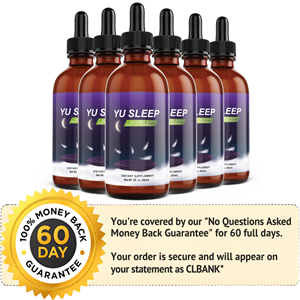
We use Yu Sleep as the worked example because its official page calls it a "delicious, all-natural nano-enhanced sleep formula." We have not used the product, and we only repeat what the page says, attributed as such.
You will leave with a checklist you can apply to any product, plus the downsides worth weighing.
- "Nano-enhanced" is not a standard, regulated label term on supplements.
- Smaller droplets can improve absorption for some compounds, but better absorption is not the same as better sleep.
- The Yu Sleep page we reviewed gives no particle data or cited studies for its nano claim.
- Side effects come from the ingredients, so read the list, not the buzzword.
What "nano-enhanced" means on a supplement label
In most marketing, it suggests ingredients have been broken into extremely small particles or droplets so the body takes them up more easily. A nanometer is one billionth of a meter, so the scale is real. The word on a bottle, however, does not tell you how small, how it was made or whether it changed anything.
Supplement labels have no single required definition for it. That means two products can both say "nano" and differ a lot, or one can use the word loosely.
Treat it as a question to ask, not an answer. Our guide to reading a sleep supplement label covers the wider habit of looking past front-of-bottle claims.
How nanoemulsion supplement absorption works
A nanoemulsion is a mix of tiny oil and water droplets held stable together. It is mainly used for fat-soluble compounds, which dissolve poorly in water and can be absorbed unevenly. Shrinking the droplets can increase the surface area available for absorption.
Research on this exists, mostly for fat-soluble ingredients such as certain vitamins and plant compounds. Findings vary by compound, formulation and study design, and many studies are small or done in the lab rather than in people.
Two cautions follow:
- Many sleep-related ingredients, such as magnesium glycinate, L-theanine and B vitamins, are already water-soluble, so there is less obvious room for a nano approach to help.
- Higher absorption can also mean a stronger effect or stronger side effects from the same dose.
Absorption is not the same as effectiveness
Even if a formula delivers more of an ingredient into the bloodstream, that does not show the ingredient improves sleep. Each ingredient needs its own evidence at a meaningful dose. Absorption is one step in a chain, and the later steps still need support.
A useful way to think about it:
- Is each ingredient supported by research for sleep?
- Is the dose disclosed and similar to what studies used?
- Does the delivery method plausibly improve uptake of those specific compounds?
- Is there any testing of the finished product itself?
A nano claim speaks only to step three. If steps one, two and four are missing, the claim tells you little.
What the Yu Sleep page says about its formula
The page describes a liquid taken by dropper, with directions of 2 droppers 30 minutes before bed. It lists ten ingredients, counting B6 and B2 separately: red tart cherry extract, 5-HTP, vitamin B6, vitamin B2, magnesium glycinate, apigenin, lemon balm extract, L-theanine, melatonin and GABA.
The only dose the page gives is 0.9 mg of melatonin. In the text we reviewed, we did not see a full supplement facts panel, particle size, manufacturing method or cited studies. The page credits "Dr. Collins" and mentions "decades of research," but the text gives no credentials or references we could check.
That does not mean the formula fails. It means the nano claim is, for now, unverified from the page alone. For more detail on the list, see what's inside Yu Sleep, and for the dose question, whether the ingredient amounts are disclosed.
Can a nano-enhanced formula help with trouble sleeping through the night?
The page says it is meant to help people fall asleep faster, stay asleep (it mentions 3 AM wake-ups) and wake up refreshed. Those are the page's claims, not findings we can confirm. No supplement can be promised to fix night waking.
Waking in the night has many common causes: stress, alcohol, late caffeine, a warm or noisy room, pain, reflux, sleep apnea and an irregular schedule. A formula does not address most of these. Our page on causes and signs of trouble sleeping through the night helps you sort them, and step-by-step fixes for 3am waking gives free things to try first.
See the details, current pricing and who it suits.
Check current optionsAffiliate link: we may earn a commission at no extra cost to you. Recommended for youWhat's Inside YU Sleep: Ingredients and How It Works
Nano-enhanced formula side effects to know about
The nano label does not create a separate set of side effects that we can point to from the page. What matters is what is inside. For Yu Sleep's listed ingredients, general cautions include the following.
- Melatonin: some people report grogginess, headache, or vivid dreams, even at low doses. See low-dose melatonin side effects.
- Vitamin B6: sometimes linked in discussion to vivid dreams. Read can vitamin B6 cause vivid dreams.
- 5-HTP: affects serotonin pathways and can interact with some medicines, including antidepressants.
- Magnesium, L-theanine, lemon balm: may cause stomach upset or drowsiness in some people.
- Stacking: combining many active ingredients makes it harder to tell which one causes a reaction. See whether the ingredients work together.
If you have a medical condition, take prescription medicine, are pregnant or breastfeeding, or have a seizure disorder, ask a clinician first. Our pages on medical conditions and seizure disorders explain what to raise. Stop use and seek care for signs of an allergic reaction; see warning signs.
Liquid drops versus other forms
Drops can suit people who dislike pills, and you can adjust the amount. The tradeoffs are taste, measuring accuracy and, with blends, less clarity about each dose. Capsules often make dosing simpler to track.
| Factor | Liquid drops | Capsules |
|---|---|---|
| Ease of swallowing | Easier | Harder for some |
| Dose precision | Depends on dropper use | Fixed per capsule |
| Proven sleep advantage | Not established | Not established |
| Taste | Can matter | Mostly none |
For a fuller comparison, see sleep drops versus capsules and sleep aid types compared.
A checklist for judging any nano-enhanced product
- Find the full supplement facts panel and check each dose.
- Look for a stated method or particle information, not just the word "nano."
- Ask whether published research covers the finished product or only its ingredients.
- Be wary of claims such as "permanent fix" or guaranteed results.
- Check for third-party testing and a named company with contact details.
- Read refund terms in full before paying.
- Review your medicines with a pharmacist.
On Yu Sleep specifically, we did not see a company name, address or support contact in the text we reviewed, nor a disclaimer, though one may sit in the page footer. Check the full page.
Cost, guarantee and what to confirm before buying
The page shows a 2-month minimum and says it is not sold in smaller packs. Listed prices are $138 for 2 months (plus shipping), $177 for 3 months and $294 for 6 months, with the page saying the 6-month option works out to $1.60 per night. The 3- and 6-month packages are listed with bonus materials; the 2-month package is not. The page says "While Supplies Last," so prices may change. Shipping may apply, so check at checkout.
Each package carries a "60 Day Guarantee" label, but the text we saw gives no terms. Read the full terms before buying. Our guide to buying Yu Sleep and the checkout walkthrough cover what to check.
Because of the minimum purchase, a free approach first is cheaper to test. See sleeping better without buying anything. If you want help deciding, our Yu Sleep fit page walks through who it may suit.
Next steps
Decide whether the nano claim matters to you, then verify the basics: doses, ingredients and refund terms. Compare options in Yu Sleep versus alternatives, and read safety and practical questions before you start. If sleep problems continue, talk to a healthcare professional.
Frequently asked questions
What does nano-enhanced mean on a supplement?
It usually implies the ingredients are processed into very small particles or droplets to improve absorption. There is no single regulated definition on supplement labels, so the term alone tells you little. Look for named methods, particle data or published testing rather than the adjective.
Does a nanoemulsion supplement absorb better?
Sometimes, for certain fat-soluble compounds in lab and small human studies. The result depends on the compound and the formulation. Better absorption of one ingredient does not prove a product helps sleep, and many sleep ingredients are not fat-soluble.
Does Yu Sleep explain its nano-enhanced technology?
In the page text we reviewed, it calls itself a nano-enhanced sleep formula but gives no particle size, method or studies. It is a liquid taken by dropper. Confirm any details on the official page before relying on the claim.
Can a nano-enhanced formula help with sleeping through the night?
No product can be promised to do that. Waking at night has many causes, including stress, alcohol, pain, apnea and schedule. A formula may or may not help, and a clinician can check for underlying causes if it persists.
What are the side effects of nano-enhanced sleep formulas?
Side effects depend on the ingredients, not the nano label. Melatonin can cause grogginess, headaches or vivid dreams in some people. Others in a blend may cause stomach upset or drowsiness. Interactions with medicines are possible, so ask a pharmacist or doctor.
Is a liquid sleep formula better than capsules?
Not necessarily. Liquids can be easier to swallow and adjust, but capsules may offer clearer dose control. Evidence that one form works better for sleep is limited, so choose based on convenience, disclosure and tolerance.
Keep reading
 How to Read a Sleep Supplement Label: Doses, Blends and Red FlagsLearn how to read a sleep supplement label: check doses, spot proprietary blend red flags, and use…
 YU Sleep Dosages: Are the Ingredient Amounts Disclosed and Clinically Meaningful?YU Sleep ingredient amounts: what the page discloses (only melatonin at 0.9 mg), what it leaves out…
 Sleep Drops vs Capsules: Absorption, Convenience and Dose ControlSleep drops vs capsules: compare absorption, convenience and dose control, plus a checklist to help…