- What is L-theanine?
- Does L-theanine help with sleep? What research says
- L-theanine for trouble sleeping through the night
- L-theanine dosage at night
- L-theanine side effects and who should be careful
- How to read a label when L-theanine is in a blend
- L-theanine in YU Sleep
- Combining L-theanine with other sleep ingredients
L-theanine is an amino acid found in tea that may help some people relax and sleep a little better, but evidence is modest and mostly from small studies. Nighttime amounts in research are often 100 to 400 mg. Side effects are usually mild, and a doctor can advise if you take medication.
L-theanine is an amino acid best known from tea leaves, and it shows up in many sleep supplements. If you are weighing l-theanine for sleep, the honest summary is that it may help you wind down, but the research is small and the effect is modest. It is not a sedative.
This guide covers what studies suggest, the amounts researchers have used, side effects, and who should talk to a professional first. We have not used any product mentioned here, and nothing below is medical advice.
If your real problem is waking in the night, read the section on that topic carefully. The evidence there is thinner than for relaxation.
- L-theanine appears to support relaxation more than it forces sleep.
- Trials often use roughly 100 to 400 mg; evidence is limited and mixed.
- Side effects are usually mild, but interactions with blood pressure medicine are possible.
- Evidence for staying asleep through the night is weaker than for winding down.
What is L-theanine?
L-theanine is an amino acid found mainly in tea (Camellia sinensis) and in a few mushrooms. It is also sold as a standalone capsule, powder or drink additive. Tea contains only small amounts, so supplements deliver much more per serving than a cup.
It is often described as promoting "calm alertness." The proposed explanation involves effects on brain chemistry related to relaxation, but the details are not fully settled. Treat mechanism claims as hypotheses rather than established fact.
Does L-theanine help with sleep? What research says
The public research is a mix of small human trials, mostly short, with a number of participants too low to draw firm conclusions. Some trials in healthy adults and in people with elevated stress or attention problems report modest improvements in self-rated sleep quality. Others find little difference from placebo.
Several things limit how far you can lean on these results:
- Small samples. Many studies involve few participants.
- Self-reported outcomes. Sleep quality is often rated by the participant rather than measured.
- Different populations. Results in stressed adults may not apply to you.
- Combination products. When L-theanine is combined with other ingredients, you cannot tell which one did what.
A realistic expectation: if stress or a busy mind keeps you from settling, it may take the edge off. If you have diagnosed insomnia, sleep apnea, restless legs or another condition, a supplement is unlikely to address the cause.
L-theanine for trouble sleeping through the night
Most of the evidence concerns relaxation and falling asleep, not staying asleep. We are not aware of strong public research showing that L-theanine prevents 3 AM wake-ups. Be cautious of any product page that implies it does.
Night waking has many common causes, and a supplement may miss all of them:
- Alcohol close to bedtime, which often fragments the second half of the night
- Caffeine late in the day
- Stress or rumination
- A warm, bright or noisy bedroom
- Sleep apnea, reflux, pain, or needing the bathroom
- Medication side effects
Our guide to trouble sleeping through the night walks through these causes and the signs that suggest seeing a clinician.
L-theanine dosage at night
Studies have typically used about 100 to 400 mg per day, often taken in the evening or shortly before bed. That is a research range, not a recommendation for you. Supplement labels differ, and products may use different forms or combine L-theanine with other ingredients.
| Question | What to know |
|---|---|
| Typical trial range | Roughly 100 to 400 mg |
| Timing | Often 30 to 60 minutes before bed in studies |
| Starting point | Many people start at the low end to see how they react |
| Duration | Trials are usually days to several weeks |
| Who decides | A doctor or pharmacist, especially if you take medication |
A simple way to trial it
- Check with a doctor or pharmacist if you take medicine, are pregnant or breastfeeding, or have a health condition.
- Pick a single-ingredient product with a clear amount on the label.
- Take a low amount about 30 to 60 minutes before bed.
- Keep a short sleep log for two weeks: bedtime, time to fall asleep, number of wake-ups, morning mood.
- Stop if you notice side effects, or if there is no clear benefit after a fair trial.
See the details, current pricing and who it suits.
Check current optionsAffiliate link: we may earn a commission at no extra cost to you.L-theanine side effects and who should be careful
L-theanine is generally reported as well tolerated in short-term studies of healthy adults. Side effects, when they occur, tend to be mild.
- Headache
- Dizziness or lightheadedness
- Nausea or stomach upset
- Daytime drowsiness in some people
- Vivid or unusual dreams, reported anecdotally by some
Some research suggests it may lower blood pressure slightly. If you take blood pressure medication, ask a professional before adding it. The same goes for sedatives, sleep medication, or anything that affects the nervous system. Our page on combining sleep products with sleep medication explains why this is a doctor conversation.
Long-term safety data are limited. Pregnancy, breastfeeding and use in children are not well studied, so these groups should not self-treat without professional advice.
How to read a label when L-theanine is in a blend
Many sleep products list L-theanine among several ingredients. The key question is whether the amount is disclosed. A research range means little if the label hides the dose.
- Look for a per-serving amount for each ingredient.
- Be wary of "proprietary blends" that give only a total weight.
- Check serving size against how many droppers, capsules or gummies you would take.
- Look for third-party testing marks.
Our label-reading guide covers doses, blends and red flags, and third-party testing explains USP and NSF.
 Recommended for youWhat's Inside YU Sleep: Ingredients and How It Works
L-theanine in YU Sleep
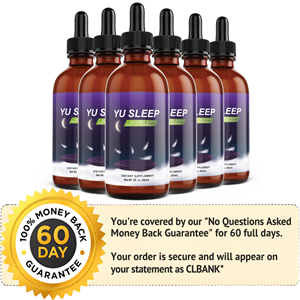
The official YU Sleep page lists L-theanine among ten ingredients, including melatonin, magnesium glycinate, GABA, lemon balm extract, apigenin, 5-HTP, tart cherry extract and B vitamins. The only dose it gives is 0.9 mg of melatonin. It does not state an L-theanine amount, so you cannot compare it with the research range above.
The page also cites no studies for its claims. For a closer look, see what's inside YU Sleep, the discussion of whether ingredient amounts are disclosed, and the evidence on whether ingredients work together. If you are considering it, our recommendation page sets out who it may suit. Prices and terms can change, so confirm everything on the official page.
Combining L-theanine with other sleep ingredients
People often pair L-theanine with magnesium, melatonin or herbal extracts. Each has its own evidence and downsides, and combined effects are less studied than single ingredients.
- Magnesium glycinate can upset the stomach in some people and may interact with certain medicines.
- Low-dose melatonin can cause grogginess or vivid dreams; see the side effects guide.
- Lemon balm is another calming herb with limited evidence.
If you add several at once and feel off, you cannot identify the cause. Introduce one at a time where you can.
Free habits worth trying first or alongside
Because L-theanine's effect is modest, habits often matter more. These cost nothing and have broader support:
- Keep a consistent wake time, including weekends.
- Cut caffeine in the afternoon and limit alcohol near bedtime.
- Dim lights and screens in the hour before bed.
- Try a warm bath or shower before bed.
- Make the bedroom dark and quiet.
More ideas are in sleep better without buying anything.
When to see a professional
Speak with a doctor if sleep problems last more than a few weeks, if you snore loudly or gasp at night, or if daytime sleepiness affects driving or work. The same applies if low mood or anxiety is part of the picture. A supplement can mask a problem that needs proper assessment.
Next steps
If you are still deciding, compare formats in sleep aid types compared, or see best sleep aids to fall asleep faster. For safety questions on a specific formula, read YU Sleep safety, side effects and practical questions.
Frequently asked questions
Does L-theanine help you sleep?
It may help some people, mainly by easing stress and tension before bed. Studies are small and mixed, and it is not a sedative. Think of it as a possible support for relaxation, not a reliable fix for insomnia or frequent night waking.
What is a typical L-theanine dosage at night?
Research trials commonly use about 100 to 400 mg, taken shortly before bed. Product labels vary, so check yours. Starting at the low end and speaking with a doctor or pharmacist, especially if you take medication, is a sensible approach.
What are the side effects of L-theanine?
Reported side effects are generally mild and uncommon: headache, dizziness, stomach upset, or sleepiness. It may lower blood pressure slightly, which matters if you take blood pressure medicine. Stop and seek advice if you notice anything concerning.
Can L-theanine help you sleep through the night?
Evidence for staying asleep is thin. Most studies look at relaxation, sleep quality ratings, or falling asleep. If you wake at 3 AM regularly, look at causes such as stress, alcohol, caffeine, or sleep disorders, and consider talking to a clinician.
Is it safe to take L-theanine every night?
Short-term studies, some lasting several weeks, report it as generally well tolerated in healthy adults. Long-term data are limited. Check with a healthcare professional if you are pregnant, breastfeeding, on medication, or have a medical condition.
Is L-theanine in YU Sleep?
Yes, the official page lists L-theanine among ten ingredients, alongside melatonin, magnesium glycinate, GABA and others. The page does not give an amount for L-theanine, so you cannot tell how it compares with amounts used in research.
Can I take L-theanine with melatonin?
Many products combine them, but combined evidence is limited. Melatonin can cause grogginess or vivid dreams in some people. If you want to try both, a pharmacist or doctor can check for interactions with your medicines.
Keep reading
 How to Read a Sleep Supplement Label: Doses, Blends and Red FlagsLearn how to read a sleep supplement label: check doses, spot proprietary blend red flags, and use…
 YU Sleep Dosages: Are the Ingredient Amounts Disclosed and Clinically Meaningful?YU Sleep ingredient amounts: what the page discloses (only melatonin at 0.9 mg), what it leaves out…
 Do the Ingredients in YU Sleep Work Together? Stacking and Synergy EvidenceDoes YU Sleep's ingredient stack work together? A plain look at synergy evidence, what is and isn't…