- What is in YU Sleep, and what overlaps with cannabis?
- Melatonin with cannabis or CBD: what we know and don't
- THC and melatonin: specific cautions
- CBD and sleep supplements together
- Other risks to weigh before mixing
- How to decide: a practical checklist
- If you still want to try both: a cautious approach
- Signs you should get help
There is no research on YU Sleep combined with cannabis or CBD, so the combined effects are unknown. Both can cause drowsiness, and some ingredients overlap in purpose, so stacking may increase grogginess or other side effects. Talk to a doctor or pharmacist before combining them.
If you are weighing melatonin with cannabis or CBD, you are probably trying to get more sleep without making things worse. This guide covers what we can and cannot say about combining YU Sleep with THC or CBD products. The short version: nobody has studied that specific pairing, so caution and a clear plan matter.
We have not used YU Sleep, and we do not claim to know how it feels alongside cannabis. What follows is general information drawn from the product's official page and widely known sleep and safety principles. It is not medical advice.
Use it to decide whether to combine, how to reduce risk if you do, and what to ask a professional.
- No research we know of tests YU Sleep together with THC or CBD, so the combined effect is unknown.
- Both categories can cause drowsiness, and stacking can mean next-day grogginess.
- Change one thing at a time, keep notes, and ask a pharmacist or doctor if you take any medication.
What is in YU Sleep, and what overlaps with cannabis?
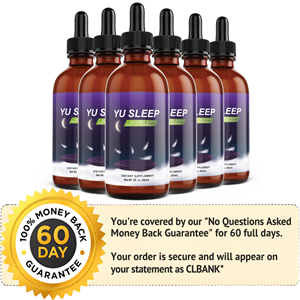
The official page describes YU Sleep as a nano-enhanced liquid taken by dropper, with directions of 2 droppers 30 minutes before bed. It lists ten ingredients: red tart cherry extract, 5-HTP, vitamin B6, vitamin B2, magnesium glycinate, apigenin, lemon balm extract, L-theanine, melatonin (0.9 mg per serving, per the page) and GABA. The page gives no doses for the others.
It does not list THC, CBD or any cannabinoid. So if you add a cannabis product, you are layering a second set of active compounds on top of a ten-ingredient formula. For a closer look at the formula, see our guide to what's inside YU Sleep.
Several of these ingredients are marketed for relaxation or sleepiness. Cannabis and CBD products are often used for similar reasons. Overlapping goals do not mean the effects add up safely, only that they may pile on.
Melatonin with cannabis or CBD: what we know and don't
Public research on melatonin alone is fairly extensive. Research on cannabis and CBD for sleep is smaller, mixed, and varies by product, dose and population. Research on the two together, and on a multi-ingredient formula plus cannabis, is thin to nonexistent.
That gap matters. When evidence is missing, the honest answer is "unknown," not "probably fine." Anyone telling you the combination is definitely safe or definitely better is going beyond the evidence.
Why drowsiness can stack
Melatonin can cause sleepiness, and so can THC and, for some people, CBD. Taken together, you may feel heavier, slower or foggier the next morning. That is a safety issue if you drive or work with machinery.
Why the liver is part of the conversation
CBD is known to interact with some drug-metabolizing enzymes in the liver, which is why pharmacists ask about it when you take prescriptions. How much that matters for a supplement like melatonin is not well established. It is a reason to ask, not a reason to assume.
THC and melatonin: specific cautions
THC is the compound that causes intoxication. At bedtime it can make you feel sleepy at first, yet regular use is associated in some research with changes in sleep quality, and stopping can disturb sleep for a while. Sleepy is not the same as sleeping well.
With THC and melatonin together, watch for these:
- Dizziness or lightheadedness when you stand up, including at night.
- Next-morning fog or slowed reaction time.
- Vivid or unsettling dreams.
- Anxiety, a racing heart or confusion, especially with higher THC doses or edibles, which act more slowly and last longer.
Edibles deserve extra care. Because they take longer to kick in, people sometimes take more and then stack a sleep supplement on top.
CBD and sleep supplements together
CBD products vary widely. Labels may not match contents, and some products contain trace THC. Independent testing helps, which we cover in third-party testing for sleep supplements.
If you already use CBD and are considering a formula like YU Sleep, treat it as a new variable. Do not assume the CBD "cancels out" or "boosts" anything. Both are unknown.
Other risks to weigh before mixing
| Situation | Why it matters | What to do |
|---|---|---|
| Driving or operating machinery | Combined drowsiness may linger into the morning | Read our driving and next-morning safety guide; skip driving if groggy |
| Alcohol also in the mix | Adds sedation and impairs judgment | Avoid stacking three sedating substances |
| Prescription medication | Possible interactions, including with sedatives, antidepressants and blood pressure drugs | Ask a pharmacist; see blood pressure medication cautions |
| Seizure disorders | Some conditions call for medical guidance before any new supplement | See why to ask a doctor first |
| Drug testing | THC can be detected; some CBD products contain trace THC | Read our drug test answer |
| Pregnancy or breastfeeding | Cannabis and supplements raise special questions | Ask your clinician before using either |
How to decide: a practical checklist
Before you combine anything, run through these questions.
- Do I take any prescription or over-the-counter medication?
- Do I have a seizure, heart, liver, kidney or mental health condition?
- Am I pregnant, trying to conceive or breastfeeding?
- Do I need to drive early, or take a drug test?
- Do I know the exact dose and source of my cannabis or CBD product?
- Am I using cannabis because sleep is a bigger problem I should raise with a doctor?
If you answer yes to any of the first four, speak with a pharmacist or doctor before combining. Our checklist for talking to your doctor about sleep supplements can help structure that conversation.
See the details, current pricing and who it suits.
Check current optionsAffiliate link: we may earn a commission at no extra cost to you. Recommended for youYU Sleep Safety, Side Effects and Practical Questions
If you still want to try both: a cautious approach
This is not an endorsement of combining. It is a way to reduce avoidable risk if you and a professional decide it is reasonable.
- Change one variable at a time. Keep your current cannabis or CBD routine steady and add nothing else for a few nights, or do the reverse. Stacking both changes at once makes it impossible to tell what caused what.
- Pick a night with no obligations. Avoid your first trial before driving, caregiving or important work.
- Keep doses conservative. Follow the product's directions rather than exceeding them. The YU Sleep page directs 2 droppers 30 minutes before bed; do not go above label directions to compensate for cannabis.
- Keep notes. Record time taken, doses, how long you took to fall asleep, night waking and how you felt in the morning.
- Stop if something feels wrong. Persistent dizziness, confusion, palpitations or severe grogginess are reasons to stop and seek advice.
If you accidentally take too much of any sleep product, see our overdose signs guide.
Signs you should get help
Seek urgent medical care for fainting, chest pain, trouble breathing, a very fast heartbeat, severe confusion, or signs of an allergic reaction such as swelling or hives. Our guide to allergic reactions to sleep supplements lists the warning signs.
For milder problems like headache or stomach upset, see headaches after sleep supplements and upset stomach and nausea. Also book an appointment if poor sleep continues; red flags and warning signs explains when.
Is cannabis hiding a bigger sleep problem?
People often reach for cannabis or CBD because sleep has been poor for a while. If you rely on it every night, or feel you cannot sleep without it, that deserves attention. Snoring with daytime sleepiness, restless legs, anxiety or low mood can all sit behind insomnia, and none of them is solved by adding another product.
Non-product habits are worth trying first or alongside. Consistent wake times, a dark and quiet room, and slow breathing are free. See sleep better without buying anything and breathing exercises for sleep.
About buying YU Sleep
If you are still considering YU Sleep itself, the official page shows 2-, 3- and 6-month packages, with the 2-month as the minimum and a 60-day guarantee advertised. Prices and terms may change, shipping may apply, and the guarantee terms were not visible in the text we reviewed, so confirm everything on the official page. We did not see a disclaimer in the text we reviewed; check the full page footer.
For a neutral look at fit, our page on whether YU Sleep is right for you may help.
Next steps
Start with the YU Sleep safety, side effects and practical questions overview. Then read about long-term melatonin safety and whether YU Sleep is legit, and bring your questions about combining with cannabis to a pharmacist or doctor.
Frequently asked questions
Can you take melatonin with CBD?
Many people do, but research on the combination is limited. Both can cause drowsiness, and CBD can affect how the liver processes some substances. Start with one change at a time, avoid driving the next morning if you feel groggy, and ask a pharmacist or doctor if you take any medication.
Is it safe to take THC and melatonin together?
No one can promise it is safe for everyone. THC can cause sedation, dizziness and next-day fogginess, and melatonin can add to drowsiness. Effects depend on dose, product and your health. Check with a clinician, especially if you take other medications or have a mental health condition.
Can I take YU Sleep with CBD oil?
We found no research on YU Sleep combined with CBD, so the effects are unknown. YU Sleep lists ten ingredients, including 0.9 mg of melatonin per serving, per the official page. If you try both, change one thing at a time and discuss it with a doctor or pharmacist first.
Does cannabis make melatonin work better?
There is no reliable evidence that cannabis makes melatonin work better. Both may make you sleepy, which can feel like a stronger effect but may also mean more grogginess. Regular cannabis use can also change sleep quality over time, so sleepiness is not the same as better sleep.
Can mixing sleep aids with cannabis cause a bad reaction?
It can. Possible problems include heavy drowsiness, dizziness, confusion, vivid dreams, a racing heart or anxiety. Seek urgent care for fainting, chest pain, trouble breathing, severe confusion or symptoms of serotonin syndrome such as agitation, fever and muscle rigidity.
Will CBD or THC show up on a drug test if I take sleep supplements?
THC can show up on many drug tests, and some CBD products contain trace THC. Sleep supplements are a separate question. If testing matters for your job, check the product's testing information and the employer's policy before using either.
Should I stop cannabis before trying a sleep supplement?
That is a decision for you and a clinician. If you want a cleaner read on how a supplement affects you, changing one thing at a time makes results easier to interpret. Do not stop prescribed medical cannabis without medical advice.
Keep reading
 How to Talk to Your Doctor About Sleep Supplements: Checklist and QuestionsHow to talk to your doctor about sleep supplements: a visit checklist, questions to ask about any s…
 Serotonin Syndrome: Symptoms, Causes and When to Get Emergency HelpSerotonin syndrome symptoms, causes, supplement and 5-HTP risks, and when to get emergency help. A…
 Driving and Sleep Supplements: Next-Morning Alertness and SafetyDriving after taking a sleep supplement: how melatonin and other ingredients can affect next-mornin…