- Does exercise really improve sleep quality?
- Best time to exercise for sleep: morning, afternoon or evening?
- Is exercise before bed bad for sleep?
- Best type of workout for sleep quality
- Walking for better sleep: a simple place to start
- A two-week plan to find your best workout time
- Pair your workouts with habits that support sleep
- When to adjust your plan or see a professional
For most people, the best time to exercise for sleep is whenever they can do it consistently. Morning and afternoon workouts are the safest bets, and moderate evening exercise ending an hour or more before bed is fine for many. Hard sessions close to bedtime bother some people, so test your own response.
If you are trying to work out the best time to exercise for sleep, the honest answer is that it depends on you, but there are clear patterns to work with. Regular physical activity is one of the most consistently recommended habits for better nights, and timing and intensity can fine-tune the effect. This guide covers when to train, what kind of workout to choose, and how to run a simple test on yourself.
We cover exercise before bed, sleep quality and walking in practical terms, and we say where the evidence is mixed. Nothing here is medical advice, and none of it requires buying anything. If you want the wider picture of free habits, start with our pillar on sleeping better without buying anything.
- Consistency beats perfect timing. A workout you repeat several times a week matters more than the exact hour.
- Morning and afternoon sessions are the lowest-risk choice for most people, especially outdoors in daylight.
- Evening exercise is fine for many people if it is moderate and ends an hour or two before bed. Hard late sessions bother some.
- Walking counts. It is easy to start, easy to repeat and easy to do in daylight.
- Test your own response for two weeks with a simple sleep diary.
Does exercise really improve sleep quality?
Public research generally links regular physical activity with better sleep. People who exercise tend to report falling asleep more easily and feeling more rested, and studies of exercise programs often find modest improvements in sleep quality. The effects are usually moderate, not dramatic, and individual results vary widely.
There are a few plausible reasons. Exercise builds a healthy kind of tiredness, can reduce stress and low mood, and when done outdoors adds daylight exposure that helps anchor your body clock. None of these is a guarantee, and a single workout will not fix a long-running sleep problem.
It also helps to know what exercise does not do. It will not cancel out a very late caffeine habit, an erratic schedule or a bedroom that is bright and noisy. Think of it as one strong input among several, not a standalone cure.
For general targets, public health guidelines for adults commonly suggest around 150 minutes of moderate activity per week, plus some strength work. That is a reasonable ceiling to aim for, not an entry requirement. Starting with 10 to 20 minutes a day is still worthwhile.
Best time to exercise for sleep: morning, afternoon or evening?
No single hour wins for everyone. Your chronotype (whether you are naturally an early or late person), work hours and how your body reacts to intensity all matter. The table below summarizes the general trade-offs.
| Time of day | Possible upsides | Possible downsides | Good fit if you... |
|---|---|---|---|
| Morning | Easy to protect from a busy day; outdoor light helps your body clock | Hard if you are not a morning person; may mean cutting sleep short | Want a routine you can't skip and can get outside |
| Afternoon / late afternoon | Body is typically warm and limber; leaves a long gap before bed | Tough to fit around work or school | Can step away mid-day or after work |
| Early evening | Helps release the day's stress; the cool-down may support winding down | Can cut into dinner and family time | Only have evenings free |
| Late evening (within about an hour of bed) | Sometimes the only slot available | Vigorous sessions may leave some people alert, warm and wired | Prefer gentle movement such as stretching or an easy walk |
If you have a choice, morning or afternoon is the safest default. If you can only train in the evening, you are not doomed to bad sleep. Many people sleep fine after an evening workout, so the next section is about finding out which group you belong to.
Is exercise before bed bad for sleep?
The popular advice to never exercise in the evening is too blunt. Research on evening exercise is mixed: some studies find no harm from moderate sessions, while vigorous exercise very close to bedtime is the case most often linked with trouble falling asleep. Individual reactions differ, so the evidence points toward testing rather than a fixed rule.
Several things can make late workouts feel disruptive:
- High intensity. Hard intervals or heavy lifting can raise your heart rate and leave you feeling alert for a while afterward.
- Body warmth. You usually sleep more easily as your body cools, and a hot, sweaty session pushes in the other direction for a time.
- Stimulants. Pre-workout drinks and supplements often contain caffeine. See our guide to the caffeine cutoff time before you plan a late session.
- Bright gym lighting and screens. These can add to alertness, which we unpack in evening light and screens.
- Late, heavy meals. A big post-workout meal close to bed can cause its own problems; see how alcohol, caffeine and late meals cause night waking.
A quick self-check after a late workout
- Did it take noticeably longer than usual to fall asleep?
- Was your heart rate or body temperature still elevated when you got into bed?
- Did you wake more often or feel unrefreshed the next morning?
If you answer yes to two or more across several evenings, shift the workout earlier or lower the intensity. If not, your evening routine may be working fine.
Best type of workout for sleep quality
Research on workout and sleep quality covers several types of exercise, and most show some benefit. The best type is the one you will do regularly without getting hurt or burned out.
Aerobic exercise
Brisk walking, cycling, swimming, jogging or dance classes are the most studied. They are a sensible foundation, particularly at a moderate pace where you can still speak in short sentences.
Resistance training
Bodyweight work, resistance bands or weights also appear helpful in the research. Heavy, maximal lifting tends to be better earlier in the day, while lighter strength circuits are easier to place in the evening.
Yoga, tai chi and stretching
Mind-body practices combine gentle movement with slow breathing, which many people find calming. They are good choices for late evening. You can pair them with the techniques in our breathing exercises for sleep or progressive muscle relaxation script.
High-intensity interval training (HIIT)
HIIT is time-efficient and can fit into a busy day, but it is the type most likely to feel stimulating late at night. If you enjoy it, keep it to the morning or afternoon and see how you respond.
| Workout type | Best placed | Watch out for |
|---|---|---|
| Brisk walking, cycling, swimming | Any time; ideal outdoors in daylight | Under-dressing or over-heating in extreme weather |
| Strength training | Morning to early evening | Very heavy lifting close to bedtime |
| Yoga, tai chi, stretching | Evening or pre-bed | Pushing into pain; keep it gentle |
| HIIT or hard cardio | Morning or afternoon | Feeling wired if done late |
Walking for better sleep: a simple place to start
If you are not currently exercising, walking for better sleep is a low-barrier experiment. It needs no equipment, has a low injury risk for most people and scales easily. It also gets you outdoors, which is a second benefit.
Here are some ways to use it:
- Morning or midday walk (10 to 30 minutes). Daylight exposure supports your body clock. See morning sunlight and your body clock for why this matters.
- Post-dinner stroll. An easy 10 to 20 minute walk after eating is a gentle way to separate work from rest.
- Walking meetings or calls. Turn sedentary time into movement without adding to your schedule.
- Weekend longer walk. Build up gradually if you want more volume.
Keep the pace comfortable. If you can talk but not sing, you are in a moderate zone. You do not need a step target to benefit, and plenty of people start with a short loop around the block and build up from there.
Exercise sits alongside other things that shape your nights, so if workouts alone aren't moving the needle, it helps to see the whole picture. Our page on whether YU Sleep is right for you covers one commercial option in a balanced way, including the downsides, for anyone weighing a product after the free habits.
See the details, current pricing and who it suits.
Check current optionsAffiliate link: we may earn a commission at no extra cost to you. Recommended for youSleep Better Without Buying Anything
A two-week plan to find your best workout time
Rather than guessing, run a small experiment. This plan uses only a notebook or a free template, such as our sleep diary template.
- Week 0 (a few days): Record your current sleep without changing anything. Note bedtime, estimated time to fall asleep, night wakings and morning feeling.
- Pick a baseline routine. Choose three to four workout days per week and decide on a type and duration you can sustain, such as 30 minutes of brisk walking.
- Week 1: train earlier. Schedule workouts in the morning or afternoon. Log the session time and intensity beside each night's sleep notes.
- Week 2: train later (only if relevant). If evening is your real-world slot, move sessions there, keep intensity moderate and finish at least an hour before bed.
- Keep everything else steady. Hold your caffeine cutoff, bedtime and wake time as constant as you can, or the comparison gets muddy.
- Compare. Look for patterns in how long it took to fall asleep and how rested you felt. Keep the timing that works and drop the one that doesn't.
- Adjust slowly. Add a bit of duration or a second type of workout only after the routine feels easy.
Two weeks is a short window and sleep naturally varies, so treat the result as a hint rather than proof. Extend the test if your results are unclear.
Pair your workouts with habits that support sleep
Exercise works better when the rest of your day isn't undermining it. A few high-leverage pairings:
- Keep a steady wake time. A regular schedule helps your body clock. If yours has drifted, use our gradual reset plan.
- Cool down properly. A short stretch, a glass of water and a few slow breaths after a workout help you shift gears. A warm bath or shower before bed may also help some people wind down, though timing relative to exercise matters.
- Watch naps. A long late-day nap after a hard workout can reduce sleep pressure at night. See how to nap without ruining your night.
- Set the room. A cool, dark, quiet bedroom supports whatever tiredness your workout has built. Start with bedroom setup for better sleep.
What about sleep supplements on workout days?
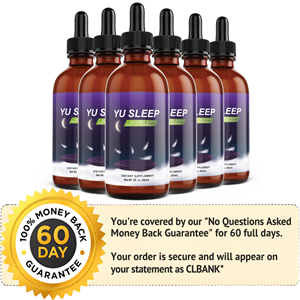
Some people consider a supplement alongside a new routine. Exercise and supplements are separate tools, and nothing here suggests one replaces the other. The official YU Sleep page directs people to take two droppers 30 minutes before bed, and it lists ingredients including melatonin at 0.9 mg per serving. It does not provide dosing for most other ingredients, and we have not seen studies cited on the page.
If you are curious about practical use, our page on how to use YU Sleep drops goes through timing and routine, and YU Sleep safety, side effects and practical questions covers who should check with a professional first. Prices, packages and the advertised guarantee can change, so confirm everything on the official page before buying.
When to adjust your plan or see a professional
Exercise is generally safe for healthy adults, but it is sensible to be cautious. Check with a doctor before starting or increasing exercise if you have a heart condition, chest pain, dizziness, a recent injury, are pregnant or have been inactive for a long time and have other health concerns.
Sleep problems can also have causes that exercise will not touch. Consider seeking medical advice if you notice any of these:
- Loud snoring, gasping or pauses in breathing during sleep, which can be signs of a sleep disorder
- Strong urges to move your legs in the evening
- Poor sleep most nights for several weeks, or heavy daytime sleepiness
- Low mood, anxiety or other symptoms that seem tied to your sleep
Our guide to when to see a doctor about sleep problems lists red flags in more detail. Also pay attention to overtraining: persistent fatigue, a raised resting heart rate, irritability and restless nights after heavy training can mean you need more recovery, not more sessions.
Next steps
Pick one change this week: a 20-minute daytime walk, or moving a hard session earlier. Track it with a diary and give it a fair trial before changing anything else.
From here, our pillar on sleeping better without buying anything pulls the free habits together. For specific next reads, try the caffeine cutoff guide and morning light and your body clock.
Frequently asked questions
What is the best time of day to exercise for better sleep?
There is no single best time for everyone. Morning and afternoon workouts are the lowest-risk choice, and they pair well with daylight exposure. Evening exercise works for many people if it is moderate and finishes at least an hour or two before bed. Consistency matters more than the exact clock time.
Is it bad to exercise right before bed?
Not always, but it can be for some people. Hard, high-intensity workouts close to bedtime may leave you feeling wired, warm and alert. Gentle activity such as stretching, yoga or an easy walk is much less likely to interfere. If you notice trouble falling asleep after late sessions, move them earlier.
Does walking help you sleep?
Walking is a low-barrier form of aerobic activity, and regular moderate activity is generally linked with better sleep. A daytime walk also gives you daylight, which supports your body clock. Results vary by person, and walking alone may not resolve ongoing insomnia, but it is an easy habit to test.
How long before bed should I stop working out?
A common rule of thumb is to finish vigorous exercise at least one to two hours before bed, and to allow longer if you feel keyed up afterward. Light movement like stretching can be done closer to bedtime. Your own response is the best guide, so track it for a couple of weeks.
What type of exercise is best for sleep quality?
Research generally supports aerobic exercise, resistance training and mind-body practices like yoga or tai chi as helpful for sleep. The best type is the one you will do regularly without injury or burnout. Mixing a few sessions of each across the week is a reasonable, sustainable approach.
Can I work out if I'm already sleep deprived?
Usually yes, but scale it back. After a short night, gentle to moderate movement such as a walk is often a better choice than a punishing session, and tiredness raises the risk of injury or poor form. If sleepiness is severe or constant, talk with a healthcare professional.
How long does it take for exercise to improve sleep?
It varies. Some people notice small changes within a few nights, while others need several weeks of regular activity before sleep shifts. Because results differ so much, keep a simple sleep diary for two to four weeks so you can compare nights objectively rather than relying on memory.
Keep reading
 Caffeine Cutoff Time: When to Stop Drinking Coffee for Better SleepCaffeine cutoff time explained: how half-life works, a starting rule of thumb, a sample schedule an…
 Morning Sunlight and Your Body Clock: How Light Exposure Improves SleepMorning sunlight for sleep: how light exposure sets your body clock, how long to get outside, and a…
 Warm Bath or Shower Before Bed: Does It Help You Fall Asleep?Does a warm bath before bed for sleep work? Learn how body temperature affects sleep, how long befo…