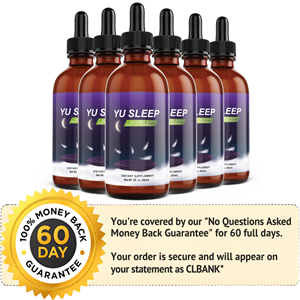
- Sleep drops vs gummies at a glance
- Dose control: where drops usually have the edge
- Do liquids absorb faster than gummies?
- Sugar, taste and the "candy" problem
- Label accuracy: the quiet issue with sleep gummies
- Where Yu Sleep fits in the drops category
- Cost and commitment: drops and gummies are sold differently
- Which format suits which person?
Neither format is proven better for sleep. Drops usually offer more flexible dosing and often avoid sugar, while gummies are simpler, portable and pre-measured. Choose by ingredients, dose clarity, routine and tolerance for taste, then confirm any product's label and terms before buying.
If you are weighing sleep drops vs gummies, you are really asking two things: which format is easier to use every night, and which one gives you more control over what you take. Neither has been shown to be universally better for sleep. The differences are mostly practical: dosing, taste, sugar, portability and how much you can trust the label.
This guide compares the two formats on those practical points, explains where a liquid product like Yu Sleep fits, and gives you a checklist to decide. We have not used any product mentioned here. We rely on the official Yu Sleep page and on general, public sleep knowledge, and we name the downsides on both sides.
This is general information, not medical advice. If you take medication, are pregnant or breastfeeding, or have a health condition, speak with a pharmacist or doctor before adding a sleep supplement.
- Format matters less than the ingredients, the stated dose and the quality of the product.
- Drops tend to offer flexible dosing and may avoid sugar. Gummies are pre-measured, portable and easy to remember.
- Claims that liquids "absorb faster" are common, but strong evidence for sleep outcomes is thin.
- Gummy dose accuracy has been questioned in published research, especially for melatonin.
- Always check the full label, the return terms and your own health situation before buying either format.
Sleep drops vs gummies at a glance
Here is a side-by-side view of the points that most often decide the choice. Treat the "typical" column as a general pattern, not a rule. Individual products vary a lot.
| Factor | Sleep drops (dropper) | Sleep gummies | What to check |
|---|---|---|---|
| Dose control | Often adjustable by dropper volume, within label directions | Fixed per piece, so you take whole or half pieces | Is the dose per serving stated clearly? |
| Sugar and additives | Varies. Some use flavoring or sweeteners | Often contain sugar or sugar alcohols, plus gelling agents | Read "other ingredients" |
| Taste | Can be strong or herbal, depending on the formula | Usually candy-like | Consider your own taste tolerance |
| Convenience | Needs measuring and a bottle that stays upright | Grab and chew, with no measuring | Think about your bedtime routine |
| Portability | Bottle and dropper can leak or spill | Easy to pack | Check storage instructions |
| Label accuracy risk | Depends on the maker | Research has flagged wide variation, especially for melatonin gummies | Look for third-party testing |
| Risk of overeating | Low, because you measure | Higher, since they taste like candy | Store out of children's reach |
Dose control: where drops usually have the edge
A gummy has a fixed amount in each piece. If you need less, you may be cutting a sticky gummy in half, and the active ingredient may not be evenly spread through it. If you need more, you are taking whole extra pieces, which also means extra sugar or sweetener.
A dropper lets you measure by volume, which can make adjusting easier in principle. In practice you should still follow the label directions rather than improvising. The Yu Sleep page, for example, directs 2 droppers 30 minutes before bed. It does not invite experimenting with larger amounts.
Dropper dosing has its own weak spot: how full you fill the dropper. A slightly overfilled or underfilled dropper changes the amount. Fill to the marked line over a sink, not over a nightstand.
A simple rule for any format
Start at the lowest labeled serving, not the highest. Change only one thing at a time, so you can tell what is helping and what is not. If you notice grogginess the next morning, that is a signal to talk to a pharmacist or doctor rather than push through.
Do liquids absorb faster than gummies?
You will often see "liquid absorbs faster" as a selling point. The logic is that a liquid skips the step of dissolving a solid. That is plausible in theory, but we are not aware of strong public evidence showing that liquid supplements reliably improve sleep onset compared with gummies. Absorption also depends on the ingredient, whether you have eaten recently, and your own digestion.
Yu Sleep's page describes its product as a "nano-enhanced" formula. We did not see published data on that in the page text we reviewed, so treat it as a marketing description, not a proven advantage. If a brand claims better absorption, ask what study supports it and whether it involved sleep outcomes or just blood levels.
Sugar, taste and the "candy" problem
Gummies are popular because they do not feel like a supplement. That is also the downside. Many contain sugar or sugar alcohols, and some people find that a sweet bedtime snack is not what they want, particularly if they brush their teeth before taking it. If you are managing blood sugar, check the label and ask your clinician.
Drops avoid the chewing and may avoid sugar, but they can taste strong, bitter or herbal, depending on the formula. Some people dislike the taste enough to quit within a week. If taste is the thing most likely to make you skip a dose, that is a real reason to prefer one format over the other.
There is also a safety point. Gummies look like candy, so keep them well out of reach of children. Liquids should be stored securely too.
Label accuracy: the quiet issue with sleep gummies
Supplements in the US are not approved by regulators before they are sold, so the label is largely the maker's own statement. Published research that tested melatonin gummies found that the amount in the product could differ widely from the amount on the label. That finding is specifically about melatonin gummies as tested, not every gummy or every brand, but it is a good reason to be careful.
The same caution applies to drops. A liquid is not automatically more accurate. What helps is independent verification. Our guide to third-party testing for sleep supplements explains what USP and NSF marks mean and what they do not.
Label checklist before you buy any sleep product
- Is there a full supplement facts panel, with an amount for each active ingredient?
- Is the serving size clear, such as pieces or droppers?
- Does it state the melatonin dose, and is that dose reasonable for you?
- Are there independent testing marks or published test results?
- Is the company named, with a way to contact support?
Where Yu Sleep fits in the drops category
Yu Sleep is a liquid taken by dropper. The official page describes it as a "delicious, all-natural nano-enhanced sleep formula" and directs 2 droppers 30 minutes before bed. It lists ten ingredients: red tart cherry extract, 5-HTP, vitamin B6, vitamin B2, magnesium glycinate, apigenin, lemon balm extract, L-theanine, melatonin and GABA. Counting B6 and B2 separately gives ten.
The only dose the page gives is 0.9 mg of melatonin per serving. We did not see amounts for the other ingredients, a full supplement facts panel, a serving count or a bottle size in the text we reviewed. That makes it hard to compare Yu Sleep with a gummy line by line. You would need the full label, which you should check on the official page.
The page also positions the product against high-dose melatonin or synthetic supplements that can leave people groggy. That is the page's positioning, not a finding we can verify. For a deeper look at the formula, see what's inside YU Sleep.
Downsides to weigh
- No small trial size. The page says Yu Sleep is not sold in smaller packs than the 2-month package, so you cannot try it cheaply. Gummies are often available in smaller bottles, though that varies by brand.
- Unclear company details. The page text we reviewed names no company, address or support contact. See our company background and transparency check.
- Guarantee terms unclear. The page advertises a 60-day guarantee, but we did not see refund conditions or the return process. Read the full terms on the official page before buying.
- Evidence claims are not backed by cited studies. The page references Dr. Collins' research but, in the text we reviewed, cites no studies and gives no credentials.
- Several active ingredients. More ingredients mean more potential interactions. 5-HTP in particular deserves care if you take antidepressants or other serotonin-affecting medication.
 Recommended for youSleep Aid Types Compared: Drops, Gummies, Capsules and Powders
Cost and commitment: drops and gummies are sold differently
Gummies are commonly sold as single bottles, which keeps the entry cost low and makes switching easy. Yu Sleep is sold differently. Per the page, the minimum purchase is the 2-month package, shown at $138 reduced from $198, with shipping possibly applying. The 3-month package is shown at $177 and the 6-month at $294. Prices are shown as discounted "while supplies last," so confirm current prices on the official page.
The page says the 6-month package works out to about $1.60 per night. That is the page's figure, and it assumes you use it nightly for the full period. Free bonus materials are listed only with the 3-month and 6-month packages, not the 2-month. Our guide to buying YU Sleep covers price, where to buy and refunds in more detail.
This commitment is a genuine decision factor. If you are unsure whether you will like a liquid, a format you can buy in a small quantity may be a safer first step.
See the details, current pricing and who it suits.
Check current optionsAffiliate link: we may earn a commission at no extra cost to you.Which format suits which person?
Use these as starting points, not prescriptions.
Gummies may suit you if you
- Want the simplest routine, with no measuring and no spills.
- Travel often and want something easy to pack.
- Dislike herbal or bitter tastes.
- Prefer a small, low-commitment purchase.
Drops may suit you if you
- Want to measure your serving precisely, within label directions.
- Prefer to avoid chewing a sweet candy before bed.
- Have trouble swallowing capsules or tablets.
- Do not mind a bottle and dropper in your routine.
Consider neither if you
- Have had trouble sleeping for weeks and have not talked to a clinician.
- Take sedating, antidepressant, blood pressure or diabetes medication without having checked for interactions.
- Are pregnant or breastfeeding. See our guide to sleep supplement safety for women.
If you want to see whether Yu Sleep specifically is a fit, our page on YU SLEEP (Sleep and Dreams): is it right for you? walks through who it may and may not suit. For a broader comparison, who YU Sleep is for (and who should skip it) is a good companion read.
How to run a fair two-week format comparison
The best way to know whether a format works for you is to test it carefully, with some structure. Sleep varies naturally from night to night, so a single good or bad night tells you very little.
- Check safety first. Review the full label with a pharmacist or doctor if you take medication or have a health condition.
- Record a baseline. For a week, note bedtime, how long it took to fall asleep, wake-ups and morning alertness. Our free sleep diary template works for this.
- Change one thing. Start one product at the lowest labeled serving. Do not add a second supplement or change caffeine or alcohol habits at the same time.
- Keep timing consistent. Take it at the same point before bed each night, following the label.
- Review after two weeks. Compare your notes with the baseline. Look at morning grogginess as well as how quickly you fell asleep.
- Stop and ask for advice if you notice problems. Persistent grogginess, mood changes or stomach upset are reasons to pause and speak to a professional.
Remember that the Yu Sleep page claims some people notice changes within days and that a "full sleep system reset" takes three to six months of consistent use. Those are the page's claims, and we cannot confirm them. A two-week diary tells you whether it is worth continuing to look into, not whether the product is fixing the underlying cause.
Safety points that apply to both formats
The format does not change the main safety questions. The ingredients do. Melatonin, magnesium, 5-HTP, L-theanine, GABA and herbal extracts each have their own cautions, and they can interact with some medications.
- Do not double up. Many products overlap in melatonin or magnesium. Add up everything you take.
- Take extra care with serotonin-affecting medication. 5-HTP is the ingredient to ask about. Read about serotonin syndrome symptoms and when to get emergency help.
- Think about nightly use. Our pages on taking sleep gummies every night and long-term use of YU Sleep cover tolerance and breaks.
- Know when to get help. If you regularly cannot sleep, snore loudly, stop breathing at night or feel very sleepy in the day, a clinician should assess it. A supplement cannot do that job.
If you want to improve sleep without buying anything, see sleep better without buying anything. Habits such as a consistent schedule, a darker room and cutting late caffeine often matter more than which format you choose.
Next steps
Start with the bigger picture in Sleep Aid Types Compared: Drops, Gummies, Capsules and Powders. If you are comparing other formats, read sleep drops vs capsules and sleep drops vs powder. If you already have drops and wonder about mixing them, see can you mix sleep drops into water or tea?
If you are considering Yu Sleep, confirm the current price, directions, full label and guarantee terms on the official page. Then compare it with other options in YU Sleep vs alternatives.
Frequently asked questions
Are sleep drops better than gummies?
Not in any proven, across-the-board way. Drops often give more dosing flexibility and may skip the sugar, while gummies are pre-measured and easy to take. What matters more is the ingredient list, how clearly the dose is stated, and whether you will actually use the format consistently.
Do liquid sleep aids work faster than gummies?
It is often claimed, but we are not aware of strong public evidence that liquid supplements reliably work faster for sleep. Timing depends on the ingredients, your stomach contents and your body. Follow the label's timing, such as taking it a set number of minutes before bed.
Are sleep gummies accurate in how much melatonin they contain?
Not always. Published research on melatonin gummies has found that actual amounts can differ widely from what the label says. This is a reason to look for products with third-party testing and to be cautious with any supplement whose dose is unclear.
How do you take Yu Sleep drops?
The official page directs 2 droppers of Yu Sleep 30 minutes before bed. It is a liquid taken by dropper. Confirm the current directions on the official page and read the full label, since we did not see a complete supplement facts panel in the text we reviewed.
Can I take sleep drops and gummies together?
It is generally best not to stack sleep products without advice from a pharmacist or doctor. Many contain overlapping ingredients, such as melatonin or magnesium, so doubling up can raise your intake without you realizing. Check every label first.
Which is better for travel, sleep drops or gummies?
Gummies are usually easier to carry and need no measuring. Drops can work for travel too, but you need to manage a bottle, a dropper and possible spills. Check airline liquid rules if you carry drops in hand luggage.
Do sleep gummies or drops have side effects?
Either format can cause side effects because the ingredients matter more than the shape. Daytime grogginess, vivid dreams, stomach upset and interactions with medications are possible with some sleep ingredients. If you take medication, are pregnant or breastfeeding, or have a health condition, ask a pharmacist or doctor first.
Keep reading
 Sleep Drops vs Capsules: Absorption, Convenience and Dose ControlSleep drops vs capsules: compare absorption, convenience and dose control, plus a checklist to help…
 Sleep Drops vs Powder: Which Is Easier to Use Nightly?Sleep drops vs powder: compare measuring, taste, mixing, travel and cost to see which format is eas…
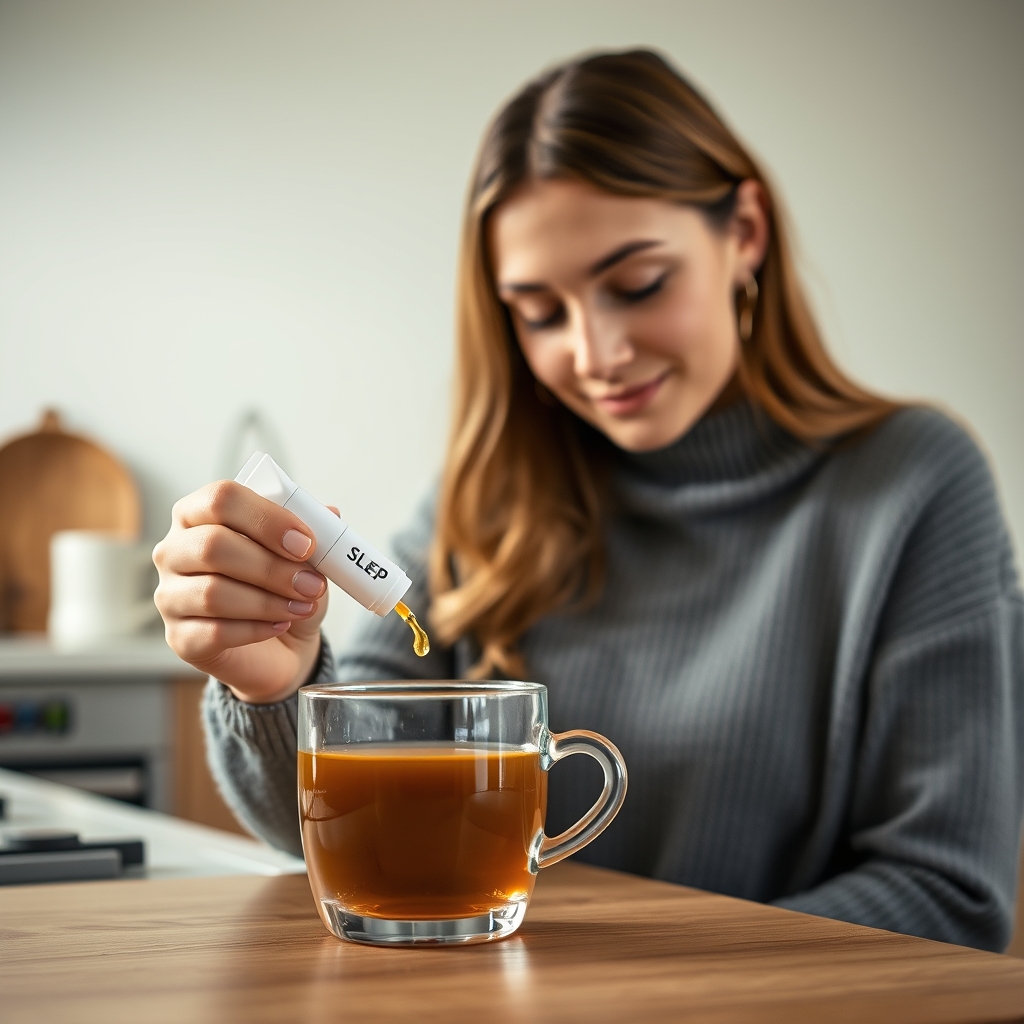 Can you mix sleep drops into water or tea?Can you mix sleep drops in water or tea? Here is what the Yu Sleep page says, what to check first,…